
Protein-Forward Eating: How ‘Proats’ and Macro-Friendly Meals Are Reshaping Everyday Cooking
Protein-Forward Eating: High-Protein “Proats” and the Macro-Optimized Diet
High-protein, macro-optimized eating has stepped out of old-school bodybuilding forums and into everyday kitchens. From creamy “proats” (protein oats) on busy weekday mornings to macro-friendly takes on comfort food for dinner, more people are discovering how a protein-forward plate can keep them fuller longer, support muscle, and make fat loss feel less like deprivation and more like good cooking.
This protein-first approach is fueled by social media inspiration, new research on protein and healthy aging, and even concerns about muscle loss while using GLP-1 weight-loss medications. The exciting part? You don’t have to weigh every grain of rice to benefit. With a few smart habits and delicious recipes, you can build protein-aware meals that fit your life, your culture, and your taste buds.

At a Glance: The Protein-Forward Trend
- Focus on higher protein (roughly 1.2–2.0 g/kg for many active adults, individualized as needed).
- Emphasis on satiety, muscle retention, fat loss, and healthy aging.
- Rise of social media recipes for “proats,” macro bowls, and high-protein desserts.
- Explosion of high-protein packaged foods—some helpful, some ultra-processed.
- Shift from obsessive macro tracking toward “protein-aware” everyday eating.
Why High-Protein and Macro-Friendly Eating Are Trending Now
Protein hasn’t suddenly become important—it has always been crucial. What’s changed is our awareness of how protein distribution and quality across the day can influence how we feel, perform, and age. Many classic Western diets are technically “adequate” in protein but skewed: light on protein at breakfast and lunch, then overloaded at dinner. For people trying to lose fat, maintain strength, or support metabolic health, that pattern can leave long stretches of low satiety and higher cravings.
Research suggests a modestly higher protein intake—often in the range of about 1.2–2.0 grams per kilogram of body weight for many active adults (with individual medical and dietary needs considered)—can help:
- Preserve lean muscle during calorie deficits.
- Improve satiety and reduce mindless snacking.
- Support blood sugar stability and energy levels.
- Promote healthy aging by maintaining muscle and functional strength.
Many dietitians now talk less about “high-protein diets” and more about “protein-optimized” eating—meeting your personal protein needs with foods you enjoy and can sustain.
Another modern driver is the rise of GLP-1 medications for weight loss. Because these drugs can dramatically reduce appetite—and with it, total food intake—people worry about losing muscle along with fat. This has pushed the question, “If I’m eating less overall, how do I keep every bite working for my muscles?” The answer usually starts with: prioritize protein at every meal.

From TikTok to Your Table: Proats, Macro Bowls, and High-Protein Comfort Food
Open any food feed on TikTok, YouTube Shorts, or Instagram Reels and you’ll see the macros movement in full color: stacks of protein pancakes drizzled with Greek yogurt, jars of pastel overnight “proats”, and sizzling pans of high-protein lasagna or taco bakes made “macro-friendly.” These recipes aren’t just aesthetic—they’re engineered to pack more protein into familiar, cozy dishes.
Some of the biggest stars of this trend:
- Proats (Protein Oats): Classic oats enriched with whey or plant protein powder, egg whites, or Greek yogurt. Think creamy, slightly chewy, and rib-sticking, with toppings like berries, nut butter, or cacao nibs.
- Yogurt and Cottage Cheese Bowls: Thick Greek yogurt or whipped cottage cheese topped with fruit, granola, and seeds—turning a simple snack into a slow-digesting, satisfying meal component.
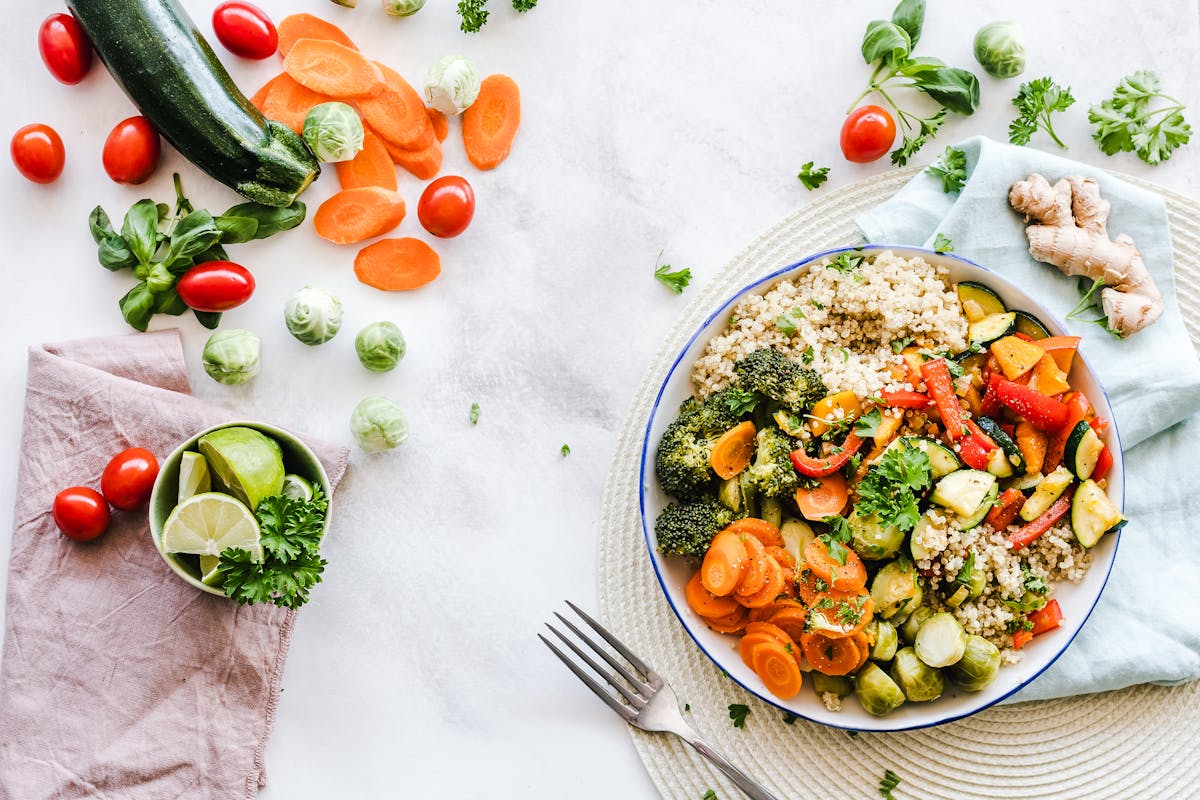
- Macro Bowls: Instagram-famous bowls built around a palm-sized portion of protein, a fist of whole grains, colorful vegetables, and a thumb of healthy fats. They’re flexible, flavorful, and perfect for meal prep.
- High-Protein Baked Goods: Brownies, banana bread, and mug cakes using ingredients like egg whites, protein powder, and yogurt to boost protein while keeping that tender crumb.
For many home cooks, these ideas feel empowering. Instead of cutting out beloved foods, they’re tweaking recipes so a bowl of oats or a slice of banana bread doesn’t leave them hungry an hour later.
High-Protein Packaged Foods vs. Whole-Food Protein Sources
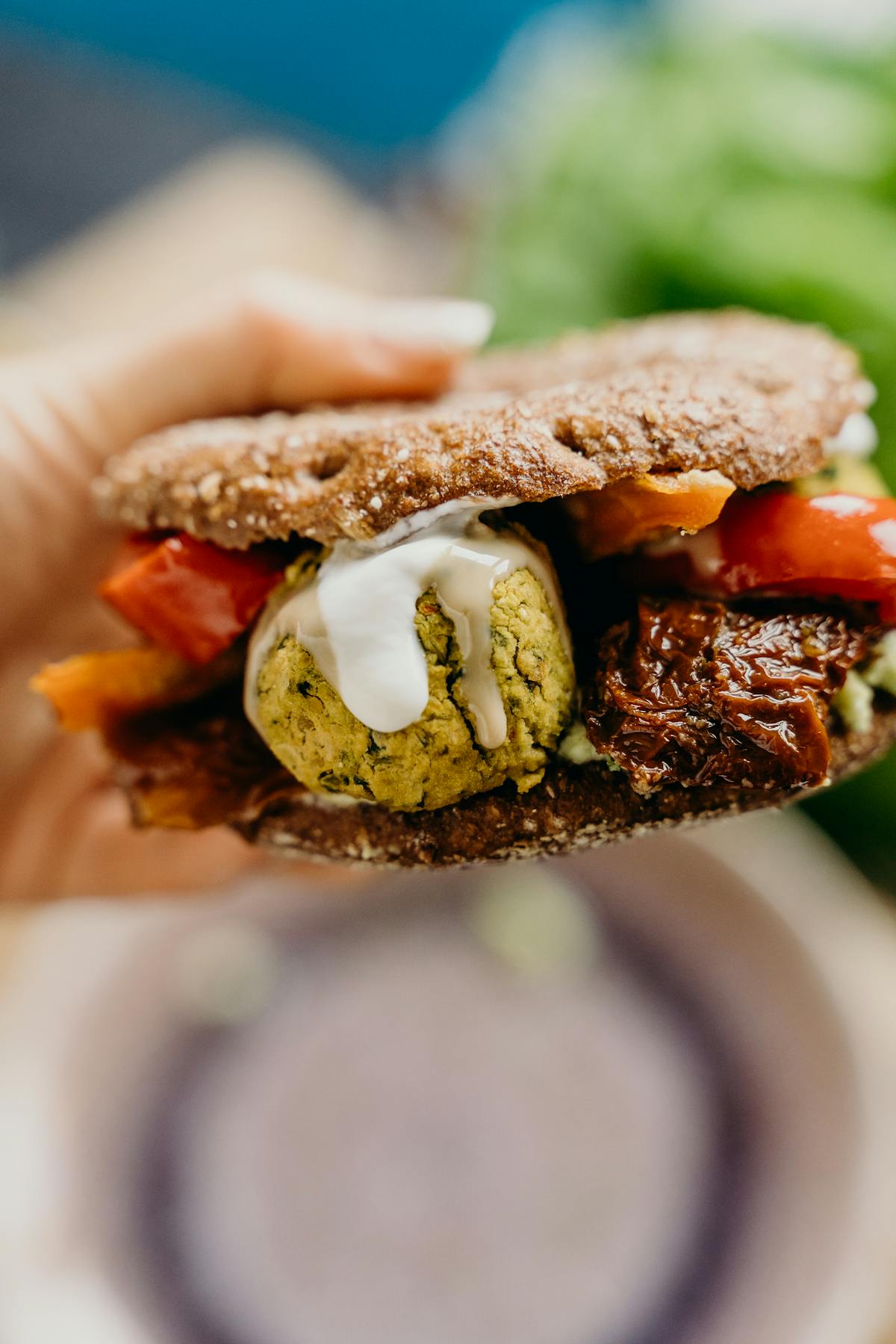
The shelves are now crowded with products that shout “PROTEIN” in bold fonts—cereals, chips, breads, ice creams, and more. Some of these are genuinely helpful when you’re on the go; others are essentially candy bars in disguise, with a bit of added protein.
Dietitians increasingly emphasize that “high-protein” doesn’t automatically mean “healthy.” Many fortified items are ultra-processed and rely heavily on sugar alcohols, intense sweeteners, refined starches, and cheap oils. That doesn’t mean they’re forbidden—it just means they’re better as supporting players rather than headliners.
A balanced, protein-forward approach still centers on whole-food protein sources:
- Animal-based: eggs, fish, shellfish, poultry, lean red meat, Greek yogurt, cottage cheese, aged cheese.
- Plant-based: tofu, tempeh, edamame, lentils, beans, chickpeas, peas, quinoa, nuts and seeds.

Macro Tracking vs. Protein-Aware Eating
Macro tracking apps have made it easier than ever to log your protein, carbs, and fats. For some people—especially athletes, physique competitors, or those with very specific goals—this level of precision can be a powerful, short-term tool. The integration of wearables and food logs even gives real-time feedback: how your protein intake lines up with training, sleep, and recovery.
But constant tracking isn’t for everyone. It can feel tedious, and for some, it risks over-focusing on numbers instead of the experience of eating. That’s where the idea of protein-aware eating comes in: you pay attention to protein, but you don’t necessarily measure every gram.
A practical, less obsessive approach many dietitians now suggest:
- Build every main meal around a satisfying protein portion. Many people aim for roughly a palm-sized portion of lean protein (or two palms for larger bodies or higher needs), adjusting to their hunger and guidance from their health team.
- Distribute protein across the day. Instead of a tiny protein breakfast and a huge protein dinner, include a meaningful amount at breakfast, lunch, and dinner.
- Use tracking as a temporary learning tool. Log for a week or two to understand your patterns, then transition to plate-based habits.
The goal is sustainable habits, not perfection—especially if tracking starts to crowd out enjoyment, social connection, or cultural food traditions.
High-Protein “Proats” (Protein Oats) with Greek Yogurt and Berries
These creamy, high-protein “proats” are a macro-friendly breakfast classic: tender oats simmered until thick, then swirled with protein powder and Greek yogurt for a luscious, custard-like texture. A tumble of juicy berries and a spoonful of nut butter make every spoonful feel like dessert, while keeping you satisfied all morning.
Prep Time:
Cook Time:
Total Time:
Servings: 1 generous bowl
Difficulty: Easy
Diet: High-Protein, can be made Gluten-Free

Equipment
- Small saucepan (non-stick works well)
- Stirring spoon or silicone spatula
- Measuring cups and spoons
- Serving bowl
Ingredients
For the Proats
- 1/2 cup (45–50 g) rolled oats (use certified gluten-free oats if needed)
- 1 cup (240 ml) water or milk of choice (dairy or fortified plant milk)
- 1 pinch sea salt
- 1 scoop (about 25–30 g) vanilla or unflavored protein powder (whey or plant-based)
- 1/4 cup (60 g) plain Greek yogurt (or a high-protein plant yogurt)
- 1/2 tsp vanilla extract (optional, for aroma)
- 1–2 tsp maple syrup, honey, or preferred sweetener, to taste (optional)
For Topping
- 1/2 cup mixed berries (fresh or frozen, thawed)
- 1 tbsp nut or seed butter (peanut, almond, tahini, or sunflower seed)
- 1 tbsp chopped nuts or seeds (walnuts, almonds, pumpkin seeds, etc.)
- Ground cinnamon or cacao nibs, to finish (optional)
Instructions
- Heat the liquid.
Add the water or milk and a pinch of salt to a small saucepan. Warm over medium heat until steaming but not boiling. - Cook the oats.
Stir in the oats. Reduce the heat slightly and cook, stirring occasionally, for 5–7 minutes, until the oats are soft and the mixture is thick and creamy. If it becomes too thick, splash in a little extra liquid. - Cool slightly before adding protein.
Take the pan off the heat and let the oats sit for about 1 minute. This brief cooling helps prevent the protein powder from clumping or becoming grainy. - Whisk in protein and yogurt.
Sprinkle the protein powder over the oats and stir vigorously until smooth. Then add the Greek yogurt and vanilla extract, stirring until the oats become luxuriously creamy and pale. Taste and add sweetener if desired. - Adjust texture.
If the proats seem too thick, stir in a spoonful or two of warm water or milk until they reach your preferred consistency—anything from spoon-standing thick to silky and pourable. - Serve and top.
Spoon the proats into a bowl. Swirl the nut or seed butter on top, then add berries and chopped nuts or seeds. Finish with a sprinkle of cinnamon or cacao nibs if you like. - Enjoy warm.
Serve immediately while the oats are warm and steamy, and the toppings add contrast in temperature and texture.

Tips, Variations, and Dietary Swaps
Storage and Meal Prep
These proats are best fresh, but you can absolutely meal prep them for busy mornings.
- Refrigeration: Store cooked and cooled proats in an airtight container in the fridge for up to 3 days. Keep toppings separate.
- Reheating: Reheat gently on the stove or in the microwave with a splash of milk or water, stirring halfway, until warm and creamy again.
- Overnight Version: For a no-cook option, combine oats, milk, protein powder, yogurt, and salt in a jar. Chill overnight, then top and eat cold.
Serving Suggestions and Complementary Dishes
For a macro-balanced breakfast, you might pair this bowl of proats with:
- A side of scrambled egg whites or tofu for an extra protein boost on heavy training days.
- A small serving of fruit on the side if you prefer less sweetness in the oats themselves.
- A cappuccino with milk or a fortified plant latte to add more protein and calcium.
On mornings when you’re short on time, you can pour the proats into a lidded container, add toppings, and enjoy them later at your desk or after a workout—they are just as satisfying when they’ve thickened even more.
Beyond Macros: Food Quality, Sustainability, and Personalization
As protein-forward eating grows, more people are asking deeper questions: not just “How much protein?” but “From where, and at what cost?” Health, environment, animal welfare, culture, and budget all shape what “optimal” looks like for each person.
Nutrition research continues to highlight the value of diverse protein sources. Well-planned omnivorous diets and well-planned vegetarian or vegan diets can all support strength, satiety, and healthy aging. For many people, a mix of animal and plant proteins offers a practical middle ground—lean meats or fish at some meals, tofu or lentils at others, with plenty of vegetables, whole grains, and healthy fats.
- If sustainability is a priority: Emphasize legumes, soy, and local seasonal produce; consider smaller, higher-quality portions of animal protein.
- If convenience is key: Keep canned beans, tuna, frozen edamame, and rotisserie chicken or baked tofu on hand for quick macro bowls.
- If budget is tight: Eggs, lentils, dried beans, and store-brand Greek yogurt can be cost-effective protein staples.
Ultimately, the protein-forward trend is evolving beyond six-pack culture into something broader: a practical tool for energy, focus, blood sugar stability, and long-term vitality. When you treat protein as a friendly anchor—not a harsh rule—you can build meals that honor both your body and your love of food.
