
Ozempic, Wegovy & the ‘Skinny Shot’ Era: How GLP‑1 Drugs Are Changing Diet Culture, Nutrition, and Body Image
Ozempic, Wegovy & the Rise of ‘Skinny Shot’ Diet Culture
How GLP‑1 weight‑loss drugs are rewriting the rules on dieting, celebrity transformations, and everyday eating.
GLP‑1 weight‑loss drugs like Ozempic, Wegovy, and Mounjaro/Zepbound are transforming modern diet culture. They’re shifting the spotlight away from “just try harder” narratives and toward biology, hormones, and appetite regulation, while also fueling a very visible “skinny shot” trend in celebrity and social media spaces. At the same time, dietitians and doctors are scrambling to answer a practical question: what should people actually eat when their appetite suddenly shrinks?
As an enthusiastic food lover and home‑kitchen tinkerer, I see this moment as a fork in the road. We can either let quick‑fix diet trends hollow out our relationship with food—or we can use this spotlight to build more nourishing, compassionate eating habits that honor both pleasure and health.
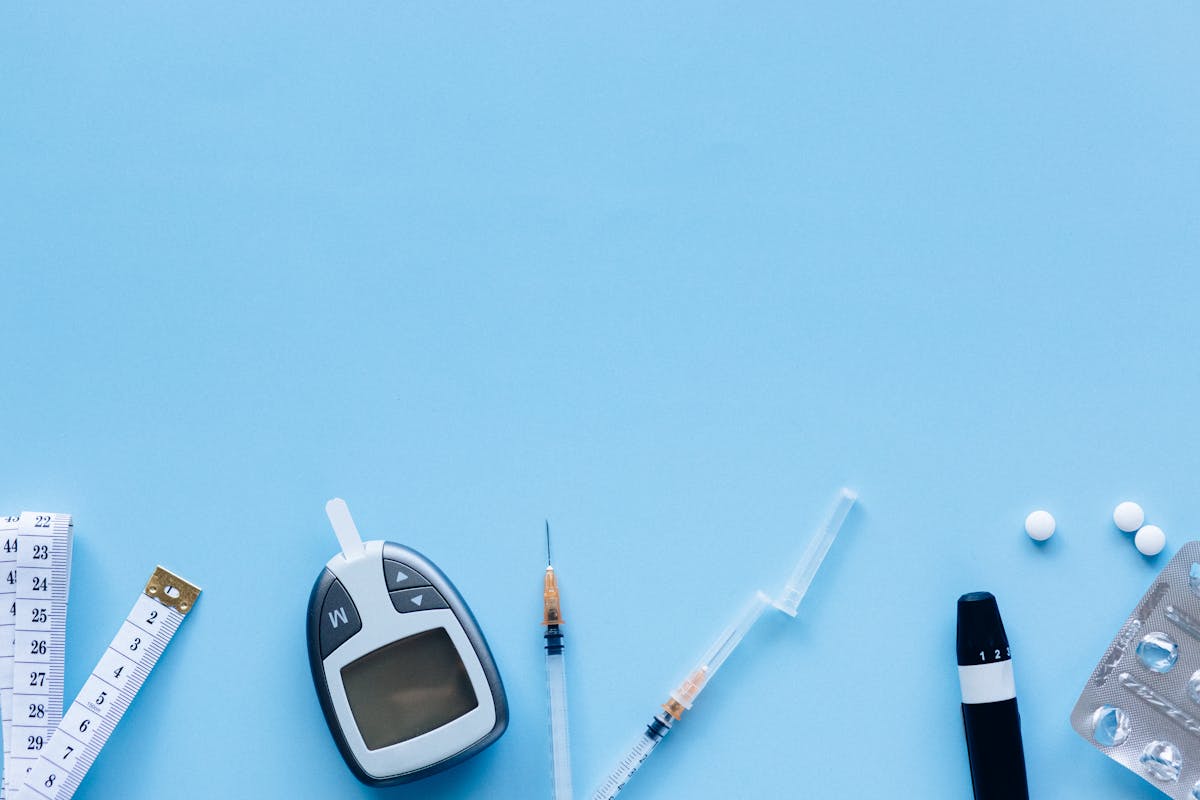
What Are GLP‑1 Drugs Like Ozempic, Wegovy, and Mounjaro?
GLP‑1 receptor agonists are medications that mimic a hormone your gut naturally makes after you eat. The most well‑known brands include:
- Ozempic (semaglutide) – approved for type 2 diabetes, often used off‑label for weight loss.
- Wegovy (higher‑dose semaglutide) – approved specifically for chronic weight management.
- Mounjaro and Zepbound (tirzepatide) – target GLP‑1 plus another hormone (GIP) and are used for diabetes and weight management.
In the body, these drugs:
- Reduce appetite by acting on brain centers that control hunger and fullness.
- Slow gastric emptying, so food moves more slowly from your stomach into your intestines—you feel full for longer.
- Improve blood sugar control, especially in people with type 2 diabetes.
The result for many people is substantial weight loss, often more than they’ve achieved with diet and exercise alone. That power is exactly why these drugs have become so disruptive—and controversial.

The ‘Skinny Shot’ Trend: Celebrity Transformations and Viral Diet Culture
Over the last few years, speculated and confirmed celebrity use of Ozempic‑like drugs has exploded across TikTok, YouTube, Instagram, and X (Twitter). Dramatic before‑and‑after images and whispered “Ozempic rumor” threads fuel the idea of a near‑magical injection that melts fat.
This visibility does a few things at once:
- Drives massive curiosity among people who have struggled with weight for years, or who simply want to be thinner, faster.
- Reinforces narrow beauty ideals, especially when thinness is praised without any context about health, side effects, or long‑term maintenance.
- Obscures medical nuance—those 10‑second sound bites rarely mention diabetes, cardiovascular risk, or the need for lifestyle changes alongside medication.
The risk isn’t just that we glorify thinness. It’s that we flatten complex medical tools into a one‑word trend: “skinny.”
For people living in larger bodies, this can feel like yet another chapter of diet culture whiplash—where the rules (and the “right” body) are always changing, but pressure never really goes away.

Ethics, Access, and Backlash: More Than a Quick Fix
As GLP‑1 injections become pop‑culture shorthand for rapid weight loss, a strong backlash has emerged—especially from clinicians and people with diabetes who’ve faced medication shortages.
Common concerns include:
- Using GLP‑1s primarily for cosmetic reasons in people without obesity or diabetes, while others with medical need struggle to access them.
- Side effects like nausea, vomiting, diarrhea, constipation, and abdominal pain; some people also report fatigue or changes in mood and taste.
- Cost and insurance coverage, which can make these drugs inaccessible or financially stressful for many families.
- Long‑term dependence – many patients regain a significant amount of weight when they stop taking the medication, raising questions about what “success” really means.
At the heart of the ethical debate lies a bigger question: Does framing weight loss as a quick pharmaceutical solution undermine efforts to build sustainable, compassionate relationships with food, movement, and our bodies?
Eating on Ozempic or Wegovy: Why Nutrient Density Matters
When your appetite shrinks, every bite counts. Many people on GLP‑1 drugs report:
- Feeling full after just a few bites.
- Forgetting to eat until very late in the day.
- Finding rich, greasy, or very sweet foods suddenly unappealing.
This can sound ideal in a diet culture obsessed with “eating less,” but it also raises a serious nutritional challenge: how do you fit enough protein, fiber, vitamins, and minerals into a much smaller food volume?
Dietitians are increasingly encouraging GLP‑1 patients to:
- Prioritize protein to protect muscle mass—often in the range of about 1.6–2.2 g of protein per kilogram of body weight per day for many people losing weight (exact needs vary).
- Choose high‑fiber carbohydrates (vegetables, fruit, whole grains, legumes) to support gut health and satiety.
- Include healthy fats from foods like olive oil, nuts, seeds, avocado, and fatty fish for hormone and brain health.
- Stay hydrated to help manage side effects like nausea and constipation.
“Ozempic Face” and Muscle Loss: What’s Really Going On?
One of the buzziest phrases floating around TikTok and celebrity gossip columns is “Ozempic face”—a gaunt or hollowed appearance, especially around the cheeks and jawline. It’s often blamed on the drug itself, but the reality is more nuanced.
Rapid weight loss of any kind, especially when protein intake is low and resistance training is minimal, can lead to:
- Loss of subcutaneous fat in the face and body.
- Loss of lean body mass (muscle), which can affect strength, metabolism, and quality of life.
GLP‑1 drugs are powerful tools, but they don’t decide where the weight comes off. The body often loses a mix of fat and muscle. That’s why many clinicians emphasize:
- Higher protein targets for people on GLP‑1s, often around 1.6–2.2 g/kg/day for many adults during active weight loss, adjusted for individual health status.
- Regular resistance training (like lifting weights or using resistance bands) at least 2–3 times per week, when medically safe.
The goal is not to chase a certain “look” but to preserve strength, function, and vitality while weight changes.
How to Eat Well on GLP‑1 Medications: A Gentle Framework
Think of GLP‑1 drugs as turning down the volume on hunger. Your job is to make sure what you do eat truly nourishes you, without slipping into restriction for restriction’s sake. Here’s a simple, flexible framework you can adapt.
1. Anchor Your Day with Protein‑Rich Meals
Aim to include a solid protein source in each meal and snack. For many people, that might look like:
- Breakfast: Scrambled eggs with spinach and a sprinkle of cheese; or Greek yogurt with berries and nuts.
- Lunch: Lentil soup with a slice of whole‑grain toast; or grilled chicken with quinoa and veggies.
- Dinner: Baked salmon with roasted vegetables; or tofu stir‑fry with brown rice.
- Snacks: Cottage cheese with fruit, edamame, hummus with carrots, or a protein shake.
2. Make Every Bite Count with Color and Fiber
Since portions are smaller, load them with:
- Deep green veggies (spinach, kale, broccoli).
- Colorful vegetables (peppers, carrots, beets, tomatoes).
- Whole fruits (berries, oranges, apples, pears).
- Whole grains and legumes (oats, quinoa, brown rice, beans, lentils).
3. Eat Slowly and Respect Fullness
GLP‑1s amplify fullness signals. Eating quickly or pushing past fullness can worsen nausea or discomfort. Try:
- Putting your fork down between bites.
- Taking a breath or sip of water regularly.
- Stopping when food stops tasting good or you feel even slightly queasy.
Simple High‑Protein, GLP‑1‑Friendly Meal Ideas
To support smaller appetites without sacrificing nutrition, think in terms of compact, protein‑forward meals. Here are a few ideas you can adapt to your tastes and dietary needs.
1. Cozy High‑Protein Breakfast Bowl
- 1–2 scrambled eggs or 1/2 cup egg whites.
- 1/4 cup black beans.
- Sauteed spinach or kale (a generous handful cooked down).
- 1–2 tbsp shredded cheese or sliced avocado.
- Salsa or hot sauce to finish.
This bowl is warm, savory, and satisfying, with soft eggs, creamy beans, and the gentle chew of greens—all in a small volume.
2. Mediterranean Snack Plate (Perfect for Tiny Appetites)
- 1/2 cup hummus or Greek yogurt dip.
- Whole‑grain crackers or pita wedges.
- Cucumber rounds, cherry tomatoes, bell pepper strips.
- Olives or a drizzle of olive oil for healthy fats.
3. Protein‑Packed Smoothie
Great if solid food feels heavy:
- 1 scoop protein powder (whey, pea, soy, etc.).
- 1/2–1 cup fortified plant milk or dairy milk.
- 1/2 banana or 1/2 cup berries.
- 1 tbsp ground flaxseed or chia seeds.
- Ice and water to thin, blend to desired texture.

Beyond Hype: Integrating GLP‑1s with Exercise, Mental Health, and Lifestyle
As more long‑term data emerge, the conversation is slowly shifting from pure hype toward nuance. Increasingly, clinicians and researchers emphasize that the best outcomes with GLP‑1 medications happen when they’re integrated into a broader care plan.
That usually includes:
- Evidence‑based nutrition support focused on adequate protein, fiber, and micronutrients within a smaller calorie intake.
- Physical activity that mixes resistance training, everyday movement (like walking), and activities you enjoy enough to repeat.
- Mental health care to address emotional eating, body image, trauma, or mood changes that may show up during weight changes.
- Regular medical follow‑up for lab work, side‑effect monitoring, and medication adjustments.

In other words, medication can be a tool, not a lifestyle. It can open a door, but you still get to choose what kind of relationship with food and your body you want to build on the other side.
Practical Tips If You’re Considering or Using GLP‑1 Medications
If you’re already on a GLP‑1, or thinking about it, here are some grounded, food‑focused suggestions to help you navigate the noise.
- Start with your medical team. Discuss your full health history, current medications, and goals. Ask specifically about side effects, long‑term use, and what happens if you stop.
- Seek nutrition guidance. A registered dietitian can help tailor protein goals, meal ideas, and supplements (if needed) to your preferences and culture.
- Go slow with portions. Especially in the early weeks, choose small portions and eat slowly to reduce nausea and discomfort.
- Watch for warning signs. Persistent or severe vomiting, abdominal pain, signs of dehydration, or intense mood changes are reasons to contact your healthcare provider promptly.
- Protect your joy around food. Instead of focusing solely on weight, notice how you feel: energy levels, sleep, digestion, strength, and mood.
Rewriting the Story: From “Skinny Shots” to Sustainable Nourishment
GLP‑1 drugs like Ozempic, Wegovy, and Mounjaro have cracked open long‑stuck conversations about weight, biology, and blame. They’ve also supercharged an already intense diet culture, with “skinny shot” language and celebrity glow‑ups dominating headlines.
You don’t have to buy into that script. Whether you use these medications or not, you can choose a path that:
- Values health over hype.
- Protects muscle, strength, and energy, not just a number on the scale.
- Honors cultural foods, family meals, and the joy of eating.
- Makes room for mental health and self‑compassion alongside medical treatment.
Food can still be a source of pleasure, connection, and creativity—even in an era of “skinny shots.” You deserve a relationship with eating that feels kind, sustainable, and fully your own.
