
Ozempic, Wegovy & the New GLP‑1 Diet Culture: How to Protect Your Nutrition, Muscle & Metabolism
Ozempic, Wegovy & the Rise of GLP‑1 “Skinny Jab” Diet Culture
Over just a couple of years, prescription GLP‑1 drugs like Ozempic and Wegovy have leapt from quiet diabetes clinics to red carpets, TikTok feeds, and dinner‑table conversations. They can deliver striking weight‑loss results, but they also change how you feel about food: smaller appetites, intense fullness, and sometimes nausea or food aversions. That combination is rewriting modern diet culture and forcing a new conversation about nutrition quality, muscle preservation, and long‑term metabolic health.
This guide walks through what’s driving the GLP‑1 trend, how the medications affect your body, and—most importantly—how to eat and move in a way that supports strong muscles, a healthy gut, and a calmer relationship with food if you’re on (or considering) these drugs. Nothing here replaces medical advice, but it can help you ask better questions and build a nourishing, realistic plan with your care team.
Why GLP‑1 Weight‑Loss Injections Are Trending Now
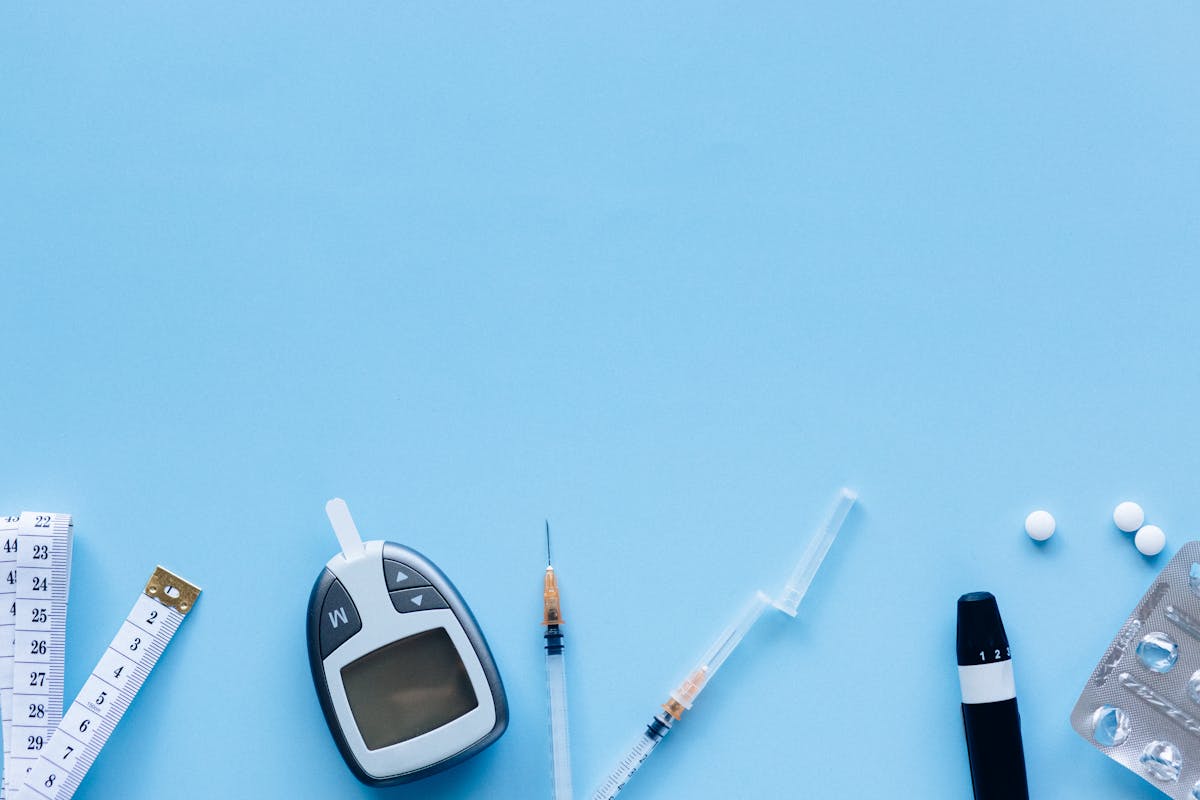
GLP‑1 receptor agonists (like semaglutide in Ozempic and Wegovy, or newer drugs such as tirzepatide) were originally developed to help manage blood sugar in type 2 diabetes. Now they’ve become some of the most talked‑about weight‑management tools on the planet. A few forces are pushing this surge.
- Celebrity visibility: Dramatic “before and after” photos, red‑carpet debuts, and not‑so‑subtle interview hints have normalized the idea of a regular “weight‑loss injection.”
- Fast, noticeable results: Clinical trials and real‑world reports often show 10–20% body‑weight loss within months—much faster than traditional diet‑plus‑exercise approaches.
- Viral social content: On TikTok, Instagram, and YouTube you’ll find “What I eat on Ozempic,” “GLP‑1 hacks,” and “skinny jab” transformation videos, often with millions of views.
The cultural story has shifted from a “miracle jab” to a more nuanced reality: GLP‑1s can be powerful medical tools—but only when paired with thoughtful nutrition, movement, and psychological support.
How GLP‑1 Medications Affect Appetite, Digestion & Food Choices
GLP‑1 stands for glucagon‑like peptide‑1, a hormone your body already makes in response to food. The medications are like a powerful echo of that signal. They:
- Slow how quickly food leaves your stomach (gastric emptying).
- Enhance feelings of fullness and satisfaction after small portions.
- Help regulate blood sugar and insulin response.
- Often blunt cravings and reduce “food noise” in your head.
For many, this is life‑changing: less constant hunger, more control. But there’s a flip side. When you feel full quickly—or queasy—you may eat too little overall, and especially too little protein, fiber, and key micronutrients. That’s where nutrition strategy becomes critical.
From Calories to Quality: The “Protein‑First, Plants‑Second” Approach
On GLP‑1s, many people can only manage a few bites per meal. That makes every bite count. Dietitians increasingly recommend a simple framework:
1. Protein‑first
Protein is the building block for muscles, hormones, enzymes, and immune cells. During rapid weight loss, adequate protein helps preserve lean tissue and your metabolic “engine.”
- Targets: Many clinicians aim for roughly 1.6–2.2 g of protein per kg of body weight per day for medically cleared adults, especially if lifting weights. Your individual needs may differ—check with your provider.
- GLP‑1‑friendly protein sources: Greek yogurt or Skyr, cottage cheese, eggs, tofu, tempeh, soft baked fish, skinless chicken, lentils, and protein shakes.
2. Plants‑second
Once a protein anchor is in place, layer in high‑fiber vegetables, fruits, and whole grains in portions your stomach tolerates. Think roasted carrots, zucchini, berries, oats, quinoa, and leafy greens, all prepared gently to be easy on digestion.

Protecting Muscle: Why Strength Training Matters on GLP‑1s
Rapid weight loss often means losing muscle as well as fat. That can lower your resting metabolic rate, affect strength and balance, and even impact long‑term health. Protein alone is not enough; your muscles also need a reason to stay.
Best practice from current research and clinical experience usually includes:
- Resistance training 2–4 times per week, as medically appropriate.
- Focusing on big movements: squats or sit‑to‑stands, rows, presses, deadlifts, or resistance‑band work.
- Prioritizing protein within a few hours after training to support recovery.
For many GLP‑1 users, this is a surprising shift: the goal isn’t to become smaller at any cost, but to become stronger, more stable, and metabolically resilient.
Supporting Your Gut: Smaller Meals, Gentle Fiber & Lower‑Fat Cooking
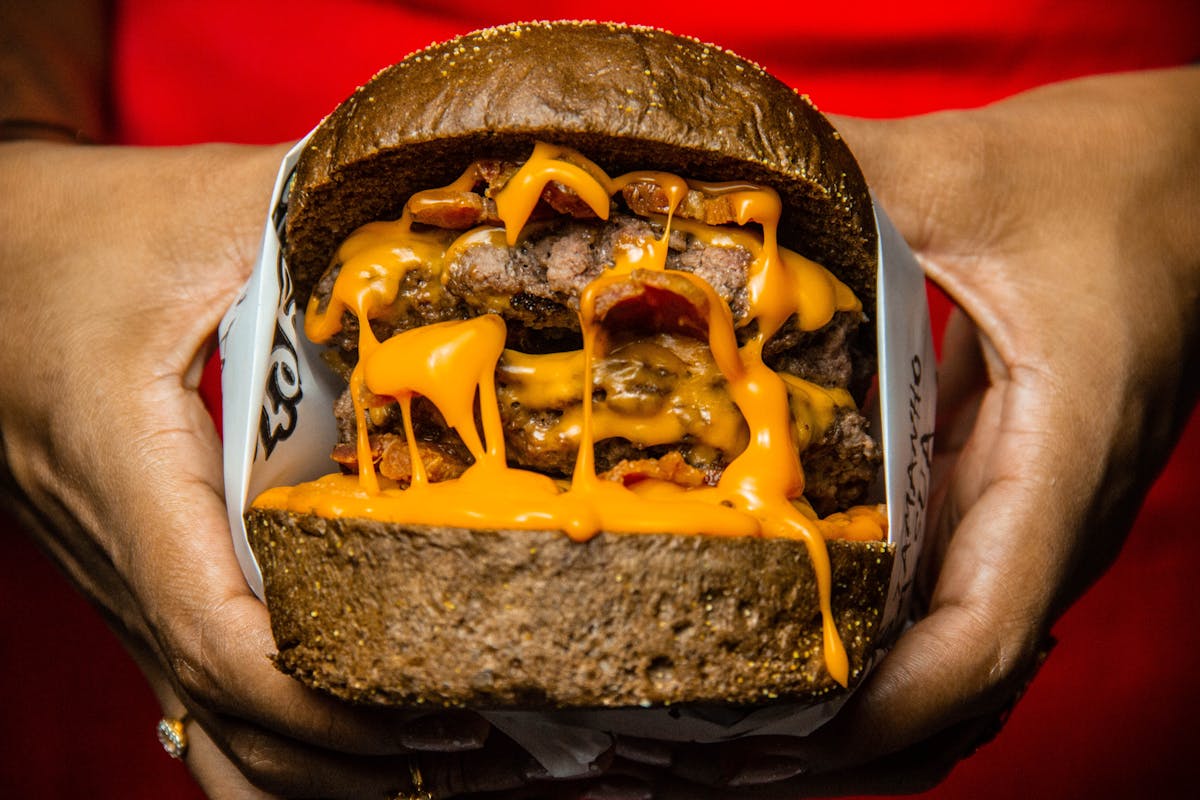
Because GLP‑1s slow digestion, big, greasy meals can feel like a brick in your stomach—worsening nausea, reflux, or bloating. Many clinicians now suggest:
- Smaller, more frequent meals or snacks instead of two or three large ones.
- Lower‑fat cooking methods: baking, steaming, air‑frying, grilling, or poaching instead of deep frying.
- Gradual fiber increases, starting with softer options like oatmeal, cooked carrots, or peeled apples rather than raw, fibrous salads.
- Slow sipping of water or herbal tea through the day rather than chugging fluids at mealtimes.
The New GLP‑1 Diet Culture: Success Stories, Critiques & Professional Voices
Online, three main GLP‑1 content streams are evolving side by side:
- Success stories & practical tips – Users share before/after photos, “day on a plate” videos, and hacks for nausea, constipation, and hitting protein targets.
- Critical and ethical conversations – Commentators question body‑image pressure, access and affordability, the glamorization of injections, and potential over‑medicalization of weight in our culture.
- Professional guidance – Dietitians, doctors, and therapists offer evidence‑based advice: monitoring labs, building sustainable habits, watching for disordered eating signs, and planning for life after the injections.
This blend of personal testimony, critique, and science makes GLP‑1 diet culture far more complex than a typical “new diet” trend. It’s not just about shrinking; it’s about how we define health, hunger, and worth in an age of powerful medications.

“GLP‑1 Exit Strategies”: Planning for Life After the Injection
Early data and clinic experience suggest that when GLP‑1 medications are stopped, appetite often rebounds. Without solid habits in place, much of the lost weight can creep back. That’s why you’ll now see content explicitly about “GLP‑1 exit strategies.”
A thoughtful transition plan usually includes:
- Structured meal planning with regular eating times and pre‑planned, protein‑rich meals and snacks.
- Consistent strength training and movement to support metabolism and mood.
- Behavioral tools such as therapy, coaching, or support groups to navigate returning appetite and body‑image shifts.
- Gradual dose changes directed by your prescriber rather than abrupt stops.
The goal isn’t to “white‑knuckle” your way off the medication, but to slowly let your lifestyle carry more of the load while your dose carries less. Think of it as building a sturdy scaffolding of habits before you remove the ladder.
Practical Day‑to‑Day Tips for Eating Well on GLP‑1 Medications
To bring all of this down to earth, here’s what a nourishing, GLP‑1‑friendly day can look like. Think of these as ideas, not rules—you and your care team know your body best.
Sample meal rhythm
- Breakfast: Half to one cup of Greek yogurt with a few berries and a spoonful of chopped nuts.
- Mid‑morning: A small protein shake or a boiled egg, if tolerated.
- Lunch: Baked fish or tofu with a few forkfuls of quinoa and tender roasted vegetables.
- Afternoon: Cottage cheese with sliced fruit or a small hummus and soft veggie plate.
- Dinner: Ground turkey or lentil chili, served with a spoon of rice or cornbread if you have room.
Gentle eating habits
- Eat slowly and pause often to check in with fullness.
- Stop before you feel uncomfortably tight or nauseated.
- Keep a few “safe” foods on hand for rough GI days (broths, crackers, bananas, plain yogurt).
- Track symptoms in a simple log to share with your provider.

Looking Ahead: Beyond the Hype to Whole‑Body Health
GLP‑1 medications like Ozempic and Wegovy are reshaping how we think about dieting, hunger, and health. They can be powerful, evidence‑based tools for people living with obesity or type 2 diabetes—but they’re not magic, and they’re not a replacement for a nourishing way of eating, regular movement, and support for your mental and emotional well‑being.
Whether you’re considering GLP‑1 therapy, currently using it, or planning an eventual transition off, focus on what you can add rather than what you must remove: more protein, more colorful plants in tolerable portions, more strength, more self‑respect, and more support. That’s the kind of “diet culture” that can sustain you long after the hype has moved on.
