
Ozempic, GLP‑1 Drugs, and the New ‘Ozempic Diet’ Culture: How Weight‑Loss Injections Are Reshaping the Way We Eat
Ozempic, GLP‑1 Drugs, and the New ‘Ozempic Diet’ Culture
Updated: January 24, 2026 • Evidence-informed overview
GLP‑1 weight‑loss drugs like Ozempic, Wegovy, and Mounjaro have leapt from quiet endocrinology clinics to red carpets, TikTok “what I eat in a day” videos, and dinner‑table debates. They can dramatically lower appetite and support weight loss, but they’re also reshaping diet culture and raising urgent questions about nutrition, long‑term health, and how we talk about bodies and food.
As we explore this new “Ozempic diet” culture, we’ll focus on nourishing your body within a smaller appetite, protecting your relationship with food, and understanding what current evidence actually says—without shame, blame, or sensationalism.
What Are GLP‑1 Drugs Like Ozempic, Wegovy, and Mounjaro?
GLP‑1 agonists are medications that mimic glucagon‑like peptide‑1 (GLP‑1), a hormone your body naturally releases after you eat. Some newer drugs, like tirzepatide (Mounjaro/Zepbound), also act on GIP, another gut hormone. These medicines were first developed for type 2 diabetes and later approved—at specific doses—for obesity.
- Ozempic (semaglutide): approved for type 2 diabetes; often used off‑label for weight loss.
- Wegovy (higher‑dose semaglutide): approved specifically for chronic weight management.
- Mounjaro / Zepbound (tirzepatide): dual GLP‑1/GIP agonist; approved for diabetes and, in many countries, obesity.
These drugs act on the brain and digestive system to help:
- Reduce hunger and food noise (constant thoughts about food).
- Slow stomach emptying so you feel full longer.
- Improve blood sugar control.
What Is the So‑Called “Ozempic Diet”?
There is no official Ozempic diet plan. The phrase comes from what many people naturally experience on GLP‑1 drugs:
- They feel full very quickly.
- They forget to eat or skip meals without meaning to.
- Portion sizes shrink dramatically, sometimes to just a few bites.
On social media, you’ll see “What I eat in a day on Ozempic” clips featuring tiny meals—half a yogurt, a few bites of chicken, a handful of crackers. While this can lead to fast weight loss, it also raises red flags: Are you getting enough protein, fiber, vitamins, and minerals to stay healthy?
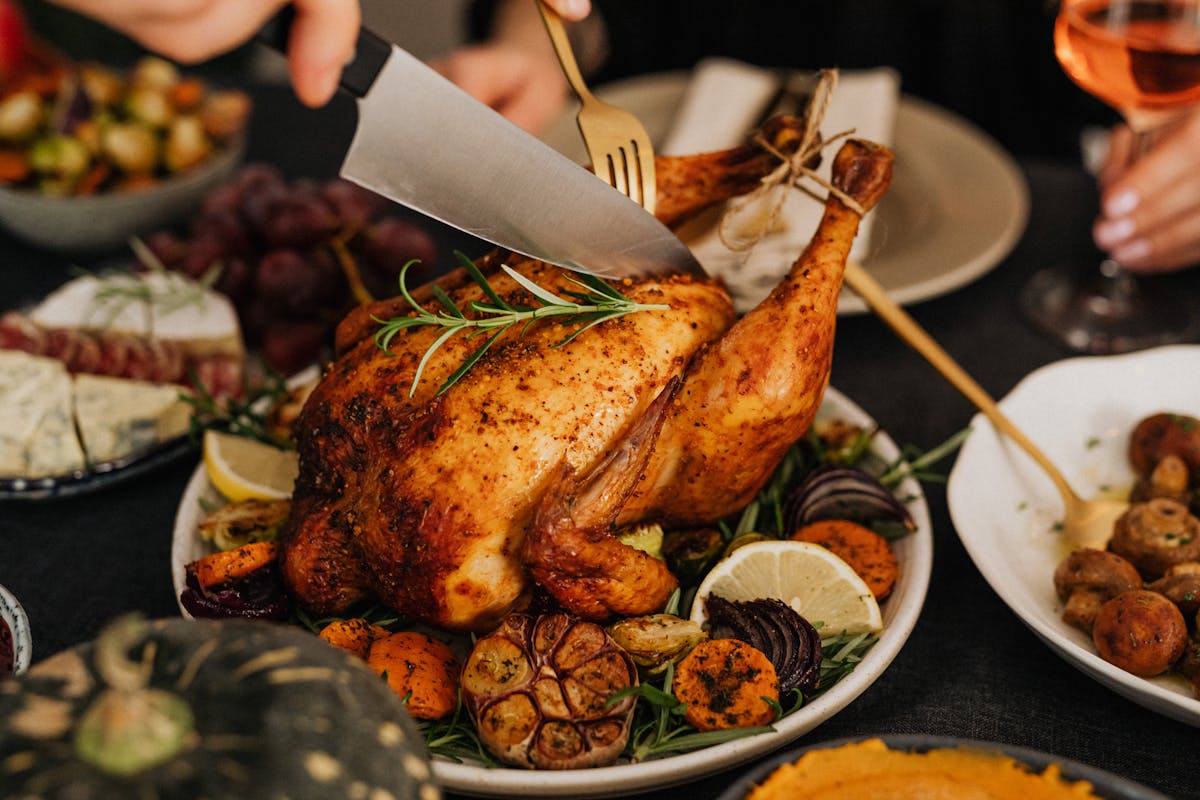
The real opportunity is to turn this forced simplicity into a nutrient‑dense way of eating—every bite thoughtfully chosen, not fearfully restricted.
Nutrition Risks and Side Effects on GLP‑1 Medications
Because these drugs tame your appetite so effectively, dietitians are seeing some recurring patterns that matter for long‑term health.
1. Risk of Inadequate Protein and Muscle Loss
Weight lost on GLP‑1s isn’t just fat—it can include lean muscle, especially if protein intake and resistance exercise are low. Losing too much muscle can:
- Slow your metabolism.
- Reduce strength and energy.
- Make weight regain more likely when medication stops.
2. Risk of Low Fiber and Micronutrient Intake
If you’re only eating 700–1,200 calories per day, it becomes very hard to meet:
- Fiber targets (for gut and heart health).
- Iron, calcium, B‑vitamins, vitamin D, and more.
- Healthy fats important for hormones and brain function.
3. Gastrointestinal Side Effects
Common side effects—especially early on or after dose increases—include:
- Nausea and reduced appetite.
- Constipation or, less often, diarrhea.
- Feeling overly full or bloated.
How GLP‑1 Drugs Work in Your Body
Understanding the mechanism can make the experience feel less mysterious and more manageable.
- After injection: The medication circulates in your bloodstream and reaches the brain and digestive system.
- In the brain: It acts on appetite‑regulating areas, quieting signals that drive intense hunger and constant food thoughts.
- In the stomach: It slows gastric emptying, so food leaves your stomach more slowly. You feel full on smaller portions, for longer.
- In the pancreas: It helps your body release insulin in a glucose‑dependent way, improving blood‑sugar control (especially relevant for type 2 diabetes).
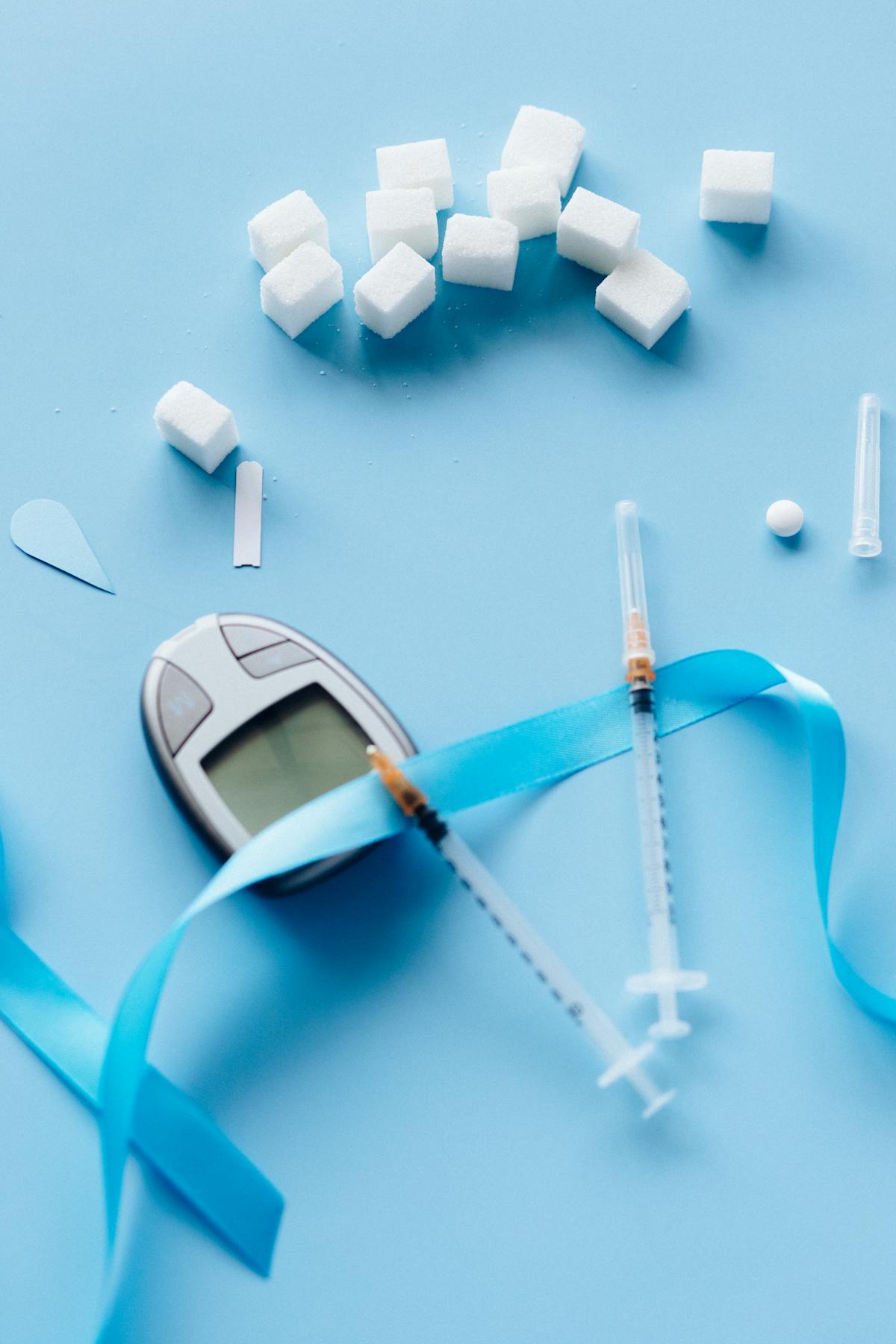
Knowing that fullness is partly medication‑driven—not a sign that your body suddenly needs far fewer nutrients—can help you stay intentional about what does make it onto your plate.
How GLP‑1s Are Transforming Diet Culture and Celebrity Narratives
Over the last few years, GLP‑1 drugs have become the most polarizing topic in nutrition and body‑image conversations. They sit at the crossroads of science, beauty standards, and social media.
Celebrity Transformations and Red‑Carpet Bodies
Public figures and influencers are increasingly rumored—or outspoken—about using GLP‑1s. Rapid “before and after” images circulate online, sometimes framed as pure willpower, sometimes as “just a little help from a weekly shot.” This fuels unrealistic expectations and pressure on everyday people whose lives, genetics, and access to care look very different.
Social Media and “What I Eat in a Day on Ozempic”
TikTok and YouTube are packed with weekly injection diaries and tiny‑portion meal videos. While these can normalize the side‑effect journey, they can also glamorize very low‑calorie eating and invite comparison:
“If she only eats half a protein bar and a coffee, am I doing this wrong for still wanting real meals?”
Your body still deserves consistent, satisfying nourishment—even if your brain isn’t shouting for it.
Medical Breakthrough or Reinforced Thin‑Ideal?
Experts are split in emphasis:
- Some frame GLP‑1s as a game‑changer for obesity treatment, especially when combined with lifestyle support.
- Others worry these drugs intensify thin‑ideal pressures and increase reliance on pharmaceuticals over public‑health approaches like food access, movement, and mental‑health support.
Eating Well on Ozempic and GLP‑1 Drugs: A Gentle Framework
When your appetite is muted, every bite is prime real estate. Think of your plate as a small but powerful canvas: color, texture, protein, and fiber all working together to keep you nourished.
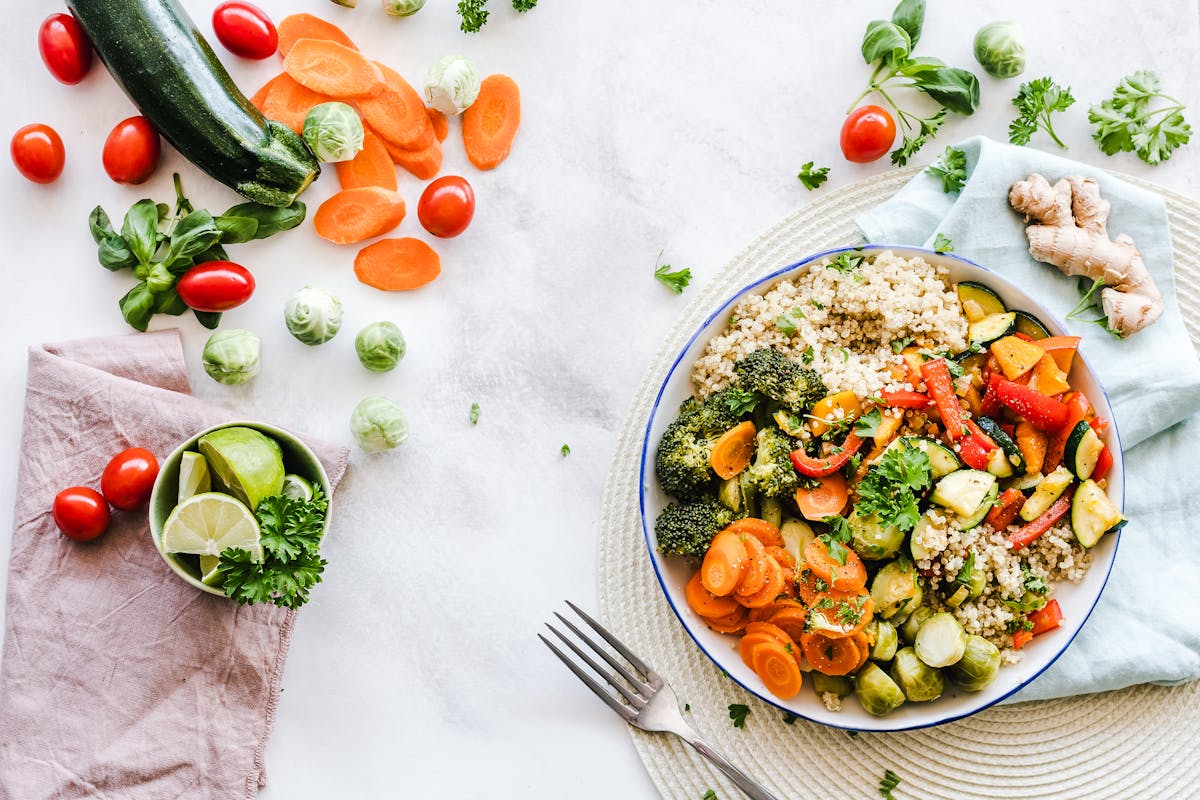
Core Priorities
- Protein at every eating occasion to protect muscle.
- Fiber‑rich plants for gut health and fullness.
- Healthy fats for hormones, brain health, and satisfaction.
- Hydration to support digestion and reduce nausea.
Simple Meal Structure for Smaller Appetites
Use this as a flexible guide, not a rigid rule:
- ½ plate: Vegetables or fruit (fresh, frozen, roasted, or blended in soup/smoothies).
- ¼ plate: Protein (eggs, Greek yogurt, tofu, chicken, fish, beans, lentils, lean meat).
- ¼ plate: Whole grains or starchy veg (oats, quinoa, brown rice, potatoes, squash).
- Extras: A drizzle of olive oil, nuts, seeds, avocado, or cheese for healthy fats and flavor.
High‑Protein GLP‑1 Friendly Power Bowl
A small, satisfying, nutrient‑dense meal for days when your appetite is low but your body still deserves great nutrition.
Prep time:
Cook time:
Total time:
Servings: 4 small bowls
Difficulty: Easy
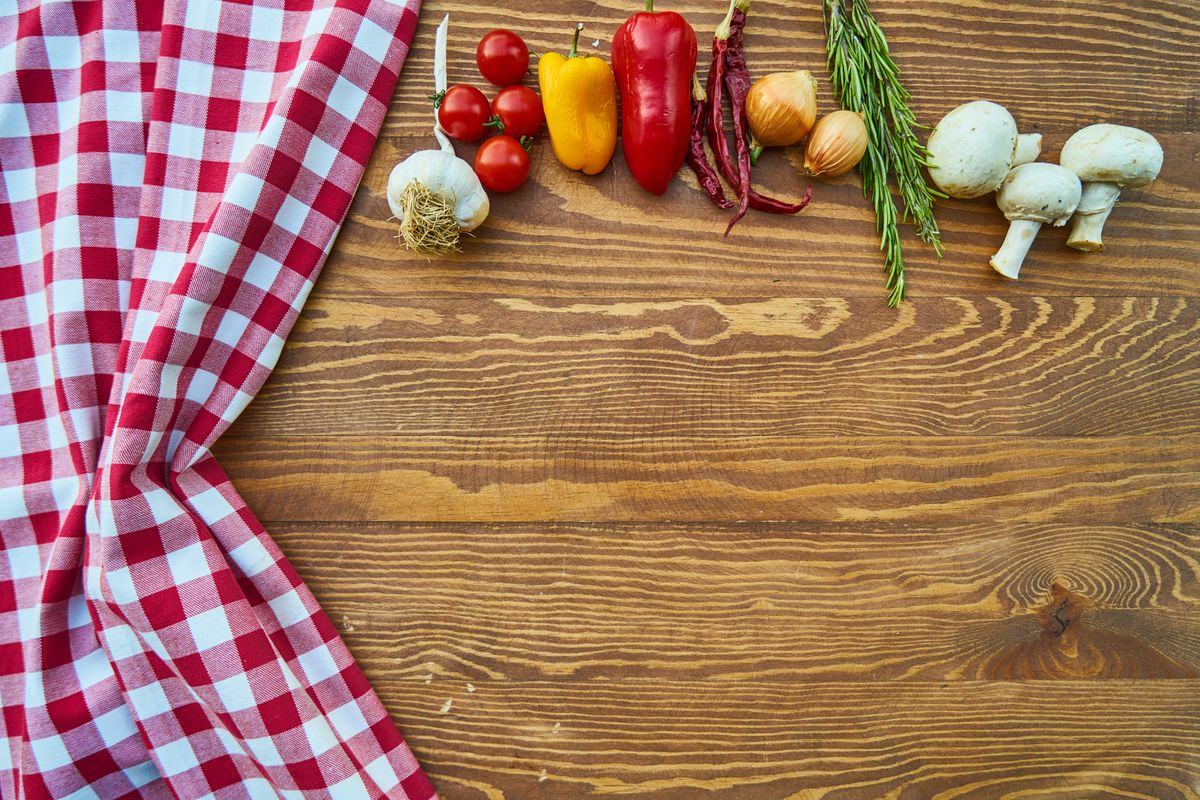
This customizable bowl layers tender protein, soft grains, and easy‑to‑digest veggies with bright lemon‑yogurt sauce. It’s intentionally modest in portion size but packed with protein, fiber, and healthy fats to support muscle and keep you satisfied—ideal for those taking Ozempic, Wegovy, Mounjaro, or other GLP‑1 medications.
Ingredients
For the bowl
- 1 cup (185 g) dry quinoa or brown rice, rinsed
- 2 cups (480 ml) low‑sodium broth or water
- 500 g (about 1 lb) chicken breast, firm tofu, or tempeh, cut into bite‑size pieces
- 1 tablespoon olive oil
- 1 teaspoon garlic powder
- 1 teaspoon smoked paprika or sweet paprika
- ½ teaspoon salt (or to taste)
- ¼ teaspoon black pepper
- 2 cups (about 250 g) steamed or roasted vegetables (e.g., carrots, zucchini, bell peppers, broccoli)
- 1 ripe avocado, sliced (optional but recommended)
For the lemon‑yogurt sauce
- ½ cup (120 g) plain Greek yogurt or dairy‑free alternative
- 1 tablespoon lemon juice (fresh if possible)
- 1 teaspoon olive oil
- 1 small clove garlic, finely grated or minced
- Pinch of salt and pepper
- 2 tablespoons chopped fresh herbs (parsley, dill, or cilantro) or 1 teaspoon dried herbs
Equipment
- Medium saucepan with lid
- Large non‑stick skillet or baking tray
- Cutting board and sharp knife
- Small mixing bowl and whisk or spoon
- Measuring cups and spoons
Step‑by‑Step Instructions
- Cook the grains.
In a medium saucepan, combine the rinsed quinoa or brown rice with the broth or water. Bring to a boil, then reduce heat, cover, and simmer until tender (about 15 minutes for quinoa, 30–35 minutes for brown rice). Fluff with a fork and set aside.

Cook your grains until just tender and fluffy—they’ll form the comforting base of your bowl. - Season and cook the protein.
Toss the chicken, tofu, or tempeh with olive oil, garlic powder, paprika, salt, and pepper. Cook in a non‑stick skillet over medium heat, stirring occasionally, until the pieces are lightly browned and cooked through (about 8–10 minutes for chicken, 6–8 minutes for tofu/tempeh). Alternatively, roast on a lined baking tray at 400°F (200°C) for 15–20 minutes.

Lightly seasoned, tender protein is key for maintaining muscle on GLP‑1 medications. - Prepare the vegetables.
Steam or roast your chosen vegetables until just tender. For a gentle texture that’s kind to sensitive stomachs, aim for soft but not mushy. Season lightly with salt, pepper, and a drizzle of olive oil if you like.

Soft, colorful vegetables add fiber, vitamins, and a little sweetness without overwhelming your appetite. - Mix the lemon‑yogurt sauce.
In a small bowl, whisk together yogurt, lemon juice, olive oil, garlic, salt, pepper, and herbs until smooth. Taste and adjust seasoning, adding more lemon for brightness or a splash of water for a thinner drizzle.
- Assemble the bowls.
Add a small scoop (about ½ cup) of grains to each bowl. Top with a handful of protein, a generous portion of vegetables, and a few avocado slices if using. Drizzle 1–2 tablespoons of lemon‑yogurt sauce over the top.
- Adjust to your appetite.
If your appetite is very low, start with a smaller portion and pack the rest into containers for later. Eat slowly, paying attention to fullness. Even a few well‑balanced bites are more nourishing than a handful of crackers.
Substitutions and Dietary Adaptations
- Gluten‑free: Use quinoa, brown rice, or certified gluten‑free grains.
- Dairy‑free / vegan: Choose tofu or tempeh; use a plant‑based yogurt for the sauce.
- Softer texture: Use well‑cooked rice, lentils, or mashed sweet potato; chop vegetables finely or use blended vegetable soup as the “veg” component.
- Higher calories (if needed): Add extra avocado, nuts, seeds, or an extra drizzle of olive oil.
Storage and Reheating
- Store grains, protein, vegetables, and sauce separately in airtight containers.
- Refrigerate for up to 3–4 days.
- Reheat grains and protein gently in the microwave or on the stovetop with a splash of water or broth.
- Add avocado and sauce just before serving for best texture and freshness.
Beyond the Injection: Long‑Term Health and Weight Regain Concerns
Research so far suggests that when people stop GLP‑1 medications, some or much of the lost weight can return, especially if underlying habits and environments haven’t changed. This isn’t a moral failing; it’s biology reasserting itself once the medication effect fades.
That’s why many clinicians now pair GLP‑1s with:
- Resistance training to preserve or build muscle.
- Realistic meal planning focused on protein and fiber.
- Behavioral support (therapy, coaching, or groups) to address emotional eating, stress, and body image.
Protecting Your Relationship with Food While on GLP‑1s
When eating suddenly feels optional, it can be strangely disorienting—especially if you’ve spent years battling cravings or dieting. Some people feel relief; others feel disconnected from the pleasure of food. Both reactions are valid.
A few gentle practices can help keep food a source of comfort and connection, not just a set of macros:
- Honor structure: Aim for regular eating windows (e.g., every 3–4 hours) even if portions are small.
- Keep pleasure on the plate: Use herbs, citrus, sauces, and favorite flavors so meals still feel joyful.
- Avoid moral labels: There are no “good” or “bad” foods—some are simply more or less nutrient‑dense.
- Seek support: If you notice obsessiveness, fear of regaining weight, or shame around eating, a therapist with experience in body image or disordered eating can be invaluable.
Your body is not a project to perfect—it’s a home to care for. GLP‑1s may change your appetite, but you still deserve warm, satisfying meals.
Serving Ideas and Complementary Dishes for GLP‑1 Users
If you’re building a weekly menu around GLP‑1‑friendly meals, think soft textures, high protein, and simple flavors that sit well even on lower‑appetite days.
- Breakfast: Greek yogurt parfaits, protein oatmeal, scrambled eggs with spinach, or tofu scramble.
- Lunch: The high‑protein power bowl above, lentil soup with whole‑grain toast, or a small chicken‑veggie wrap.
- Dinner: Baked salmon or tofu with mashed sweet potato and steamed vegetables; turkey chili; bean‑and‑veggie stew.
- Snacks: Cottage cheese and fruit, edamame, handful of nuts, protein smoothie, or hummus with veggies.
Batch‑cooking a few of these options means you’ll always have something nourishing ready when your appetite quietly taps you on the shoulder.
Key Takeaways: Navigating the New Ozempic Diet Culture
- GLP‑1 drugs like Ozempic, Wegovy, and Mounjaro can significantly reduce appetite and support weight loss.
- This shift can create a de‑facto “Ozempic diet” that is very low in calories—and sometimes dangerously low in protein and nutrients.
- Prioritizing protein, fiber‑rich plants, and healthy fats in smaller, more frequent meals is crucial.
- Side effects such as nausea and constipation can often be eased with gentle food and hydration strategies.
- Long‑term health depends not just on the injection, but on muscle‑protective exercise, realistic meal patterns, and psychological support.
- Your relationship with food—and your sense of self‑worth—deserve as much care as any number on the scale.
Whether you’re considering GLP‑1 therapy, currently using it, or simply curious about the cultural buzz, remember: you’re allowed to care about your health and reject harmful diet culture. The goal isn’t to eat as little as possible; it’s to nourish the remarkable body that carries you through your life.
