
Ozempic Diets Decoded: How to Eat Well on GLP‑1 Drugs Without Losing the Joy of Food
Ozempic, GLP‑1 Drugs, and the New Wave of ‘Ozempic Diets’
There’s a quiet revolution happening at dinner tables, clinic waiting rooms, and all over social media feeds: GLP‑1 weight‑loss drugs like Ozempic, Wegovy, Mounjaro, and Zepbound are reshaping how people eat, talk about their bodies, and think about long‑term health. Originally created to help manage type 2 diabetes, these medications are now at the center of a global conversation about weight, wellness, and what a “healthy diet” really looks like when your appetite suddenly changes.
For home cooks, food lovers, and anyone navigating life on a GLP‑1, this moment can feel confusing—but it can also be empowering. With a bit of strategy, you can keep meals deeply satisfying, support your health, and still savor every bite.
Quick Snapshot
- Topic: GLP‑1 drugs (Ozempic, Wegovy, Mounjaro, Zepbound) and “Ozempic diets”
- Focus: How to eat on GLP‑1s, what happens after stopping, and cultural & ethical questions
- Best for: People taking GLP‑1s, caregivers, curious home cooks, and health‑conscious readers
- Difficulty: Easy to follow, no medical background required
What Are GLP‑1 Drugs Like Ozempic and Wegovy?
GLP‑1 agonists are medications that mimic a natural hormone called GLP‑1 (glucagon‑like peptide‑1). This hormone helps your body:
- Slow down how quickly food leaves your stomach (slower gastric emptying)
- Increase feelings of fullness and reduce appetite
- Support better blood sugar control after meals
Originally, drugs like Ozempic and Mounjaro were approved for type 2 diabetes. Higher‑dose versions such as Wegovy and Zepbound are now used specifically for weight management in people who meet certain medical criteria.
Because GLP‑1s change how you feel hunger and fullness, they naturally change how you cook, snack, and plan meals. That’s where all the talk about “Ozempic diets” comes in.
Why Are ‘Ozempic Diets’ Suddenly Everywhere?
Over the past couple of years, GLP‑1 drugs have exploded into mainstream conversation. Rapid, visible weight loss shared on social media and in celebrity culture has fueled curiosity—and controversy. Even when no one confirms what they’re taking, “sudden slimdowns” are often linked to Ozempic or similar medications in public discussion.
At the same time, health professionals are debating how these drugs fit into long‑term care. News outlets and creators are publishing:
- “What I eat in a day on Ozempic” style videos
- Specialist breakdowns of how GLP‑1s work in the body
- Think‑pieces on body image, equity, and access
- Guides to handling side effects and nutrient needs
In short, Ozempic diets are trending because they sit at the crossroads of medicine, nutrition, pop culture, and social media. But beneath the buzz, there are some very real, very practical questions about how to eat well when your appetite is dialed way down.

How to Eat on GLP‑1 Drugs: Nourishing Your Body When You’re Just Not Hungry
One of the biggest surprises people report on Ozempic, Wegovy, and other GLP‑1s is how quickly their appetite seems to “switch off.” For some, this feels like relief; for others, it’s disorienting. Either way, your body still needs protein, fiber, and micronutrients, even if your portions are smaller.
1. Prioritize Protein First
When weight is coming off quickly, dietitians worry most about losing muscle instead of just fat. That’s where protein becomes your best ally.
For active people, many experts suggest roughly 1.6–2.2 g of protein per kilogram of body weight per day, adjusted with your healthcare team. If your appetite is low, this means every bite has to count.
- Lean meats and poultry (chicken, turkey, lean beef)
- Fish and seafood (salmon, tuna, shrimp)
- Eggs and egg whites
- Greek yogurt, cottage cheese, and kefir
- Tofu, tempeh, edamame, and other soy foods
- Beans, lentils, and chickpeas
- Nuts, seeds, and nut butters (paired with another protein source)
2. Choose Nutrient‑Dense Foods
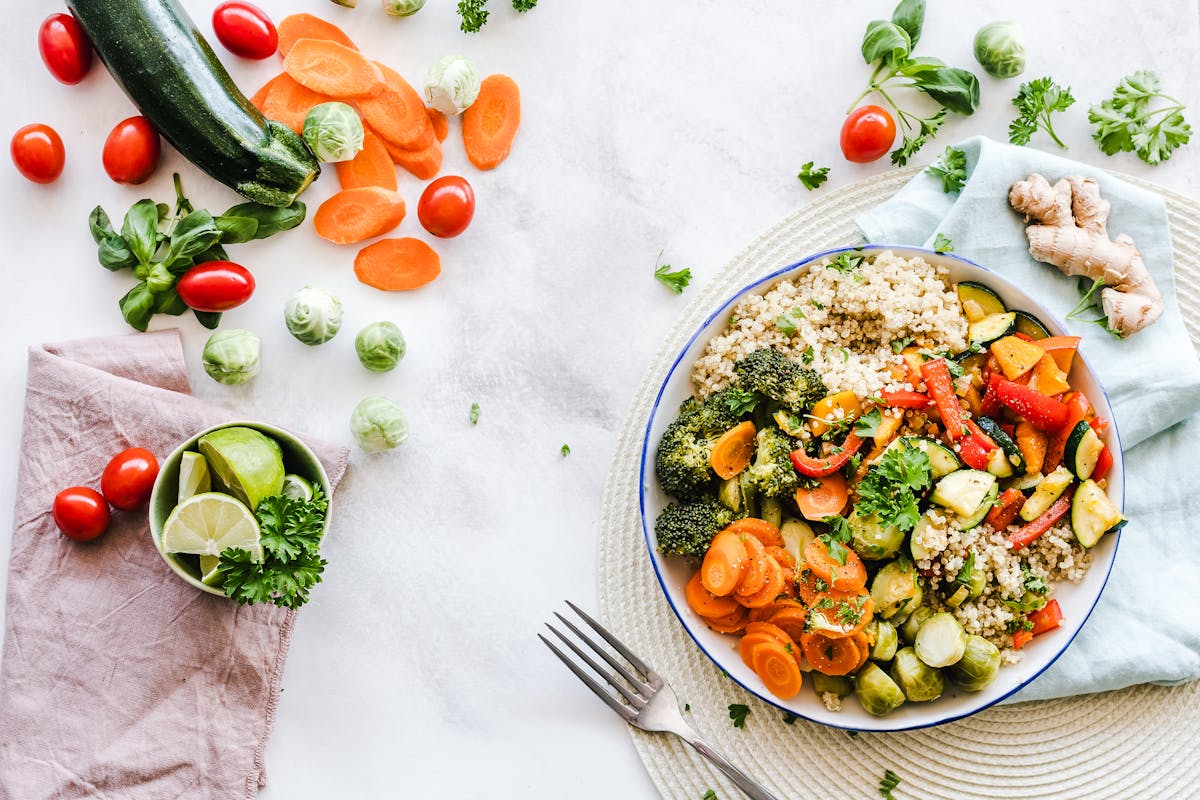
Because you’re eating less overall, the foods you do choose need to be nutrient‑packed. Think of every plate as valuable “real estate” you want to fill with:
- Colorful vegetables and fruits for vitamins, minerals, and antioxidants
- Whole grains like oats, quinoa, brown rice, and whole‑grain bread
- Healthy fats from olive oil, avocado, nuts, and seeds
- High‑quality protein (plant or animal, depending on your dietary pattern)
3. Gentle on the Stomach: Portions and Pace
Ozempic and other GLP‑1s slow how quickly food leaves your stomach, which can cause:
- Nausea
- Fullness after just a few bites
- Reflux or heartburn
- Occasional vomiting if you overdo it
To ease these side effects, many people do better with:
- Smaller, more frequent meals rather than two or three large ones
- Eating slowly, putting the fork down between bites
- Avoiding very greasy, fried, or heavy foods, especially early in treatment
- Staying well hydrated with water, herbal tea, or broth
4. Don’t Forget Fiber (But Add It Slowly)
Constipation is a common side effect of GLP‑1 drugs. Fiber can help—but big jumps in fiber can actually make nausea or bloating worse at first. Aim to add it gradually:
- Start with softer sources like oats, cooked vegetables, and berries
- Add beans and lentils in small portions at first
- Drink plenty of fluids to help fiber do its job
A Sample “What I Eat in a Day” on Ozempic (Balanced, Not Extreme)
Everyone’s needs are different, and this is not a one‑size‑fits‑all prescription. But to spark ideas, here’s what a gentle, GLP‑1‑friendly day of eating might look like for someone with a low appetite who still wants to support muscle, gut health, and energy.
Breakfast (or First Meal)
Small bowl of Greek yogurt topped with:
- A spoonful of chia or ground flaxseed
- A few berries for gentle fiber and color
- Drizzle of honey or sliced banana if more carbs are needed
Mid‑Morning Snack
- A boiled egg or small portion of cheese
- Half an apple or a few slices of cucumber if tolerated
Lunch
Mini “power bowl” assembled in a small dish:
- Grilled chicken, tofu, or beans as the base
- A scoop of quinoa or brown rice (½ cup or less as tolerated)
- Soft roasted vegetables like zucchini, carrots, or squash
- Olive oil and lemon, or a light yogurt‑based dressing
Afternoon Bite
- Handful of nuts, or
- Half a protein shake if you’re struggling to hit protein targets
Dinner
Simple, cozy plate:
- Baked salmon or lentil patties
- Mashed sweet potato or a small baked potato
- Steamed green beans, spinach, or broccoli with a drizzle of olive oil
Evening (If Hungry)
Herbal tea, or a few spoonfuls of yogurt, cottage cheese, or soft fruit—just enough to feel comfortable, not stuffed.
Managing Common GLP‑1 Side Effects with Food
Every body reacts differently, but certain food strategies show up again and again in research and patient experiences when it comes to easing side effects like nausea, constipation, and reflux.
Nausea
- Stick to bland, soft foods (crackers, toast, plain rice, applesauce, bananas).
- Try ginger tea, ginger chews, or adding fresh ginger to meals.
- Avoid heavy, fried, or very spicy dishes when nausea is strong.
Constipation
- Increase fiber slowly from fruits, vegetables, beans, and whole grains.
- Pair fiber with plenty of fluids—water, herbal tea, or broths.
- Talk with your healthcare provider about supplements or medications if needed.
Reflux or Heartburn
- Keep meals smaller and avoid lying down right after eating.
- Limit very acidic foods if they trigger symptoms (tomato sauces, citrus, vinegar‑heavy dishes).
- Cut back on caffeine and alcohol if they worsen discomfort.

What Happens When You Stop Ozempic or Other GLP‑1 Drugs?
Early data and patient stories suggest that weight regain is common after stopping GLP‑1 medications, especially if day‑to‑day habits and food environments haven’t shifted. When the medication leaves your system:
- Appetite often returns—sometimes more intensely than before
- Old patterns with food can resurface, particularly during stress
- Without a plan, it may feel like “all or nothing” around eating
This has sparked major debate: should GLP‑1s be thought of more like long‑term blood‑pressure meds—something many people stay on indefinitely—or as a shorter‑term tool that must be paired with solid lifestyle and nutrition support?
Food Habits That Help, Whether You Stay On or Come Off
- Building regular meal rhythms that feel sustainable, not punishing
- Keeping high‑protein, high‑fiber foods easy to grab at home
- Practicing mindful eating instead of rigid food rules
- Getting support—from dietitians, therapists, or support groups—around emotional eating and body image
Medication can change your appetite and biology, but your relationship with food—the way you shop, cook, and care for yourself—still plays a powerful role in long‑term health.
Beyond the Plate: Ethics, Culture, and Body Image in the Ozempic Era
The rise of Ozempic and similar drugs isn’t just a nutrition story; it’s also deeply cultural. These medications touch on:
- Body image and beauty standards – Rapid changes in celebrity bodies can intensify pressure on everyone else, especially when there’s silence or confusion about what’s driving those changes.
- Honesty and privacy – Public figures are often asked to “confess” whether they use GLP‑1s, raising questions about how much anyone owes the public about their medical history.
- Access and equity – These drugs can be expensive and sometimes in short supply, which may make it harder for people with diabetes to access medications they need.
- Stigma – Some people feel judged for “taking the easy way out,” while others feel judged if they don’t pursue weight loss at all.

GLP‑1 Friendly Recipe: High‑Protein Lemon Herb Chicken & Quinoa Bowl
This bright, comforting bowl is designed with GLP‑1 eaters in mind: tender, juicy chicken, fluffy quinoa, and soft vegetables dressed in a zesty lemon‑herb sauce. The texture is gentle on the stomach, the portion is flexible, and every bite is packed with protein and nutrients so even a small serving goes a long way.
Prep Time:
Cook Time:
Total Time:
Servings: 4 bowls (or 6–8 small GLP‑1 portions)
Difficulty: Easy
Ingredients
For the Chicken
- 1.5 lb (680 g) boneless, skinless chicken breasts or thighs, trimmed
- 2 tbsp extra‑virgin olive oil
- Zest and juice of 1 large lemon
- 2 cloves garlic, finely minced (or 1 tsp garlic powder if sensitive)
- 1 tsp dried oregano
- 1 tsp dried thyme or Italian seasoning
- 1/2 tsp salt, plus more to taste
- 1/4 tsp freshly ground black pepper
For the Quinoa Base
- 1 cup (185 g) dry quinoa, rinsed
- 2 cups (480 ml) low‑sodium chicken or vegetable broth (or water)
- 1 tbsp olive oil or a small pat of butter (optional, for richness)
For the Vegetables & Finishing
- 1 cup (about 130 g) cherry tomatoes, halved (or diced tomato, optional if reflux‑prone)
- 1 medium zucchini, sliced into half‑moons
- 1 red or yellow bell pepper, sliced
- 2 cups (about 60 g) baby spinach or chopped kale (stems removed)
- 2 tbsp fresh parsley or dill, chopped (optional but lovely)
- Extra lemon wedges for serving
Equipment
- Sharp chef’s knife and cutting board
- Medium saucepan with lid (for quinoa)
- Large skillet or grill pan
- Mixing bowl for marinating chicken
- Measuring cups and spoons
- Serving bowls (smaller bowls can help control GLP‑1 portions)
Step‑by‑Step Instructions
- Marinate the Chicken.
In a mixing bowl, whisk together olive oil, lemon zest and juice, garlic, oregano, thyme, salt, and pepper. Add the chicken and coat well. Let it marinate for at least 15 minutes at room temperature, or cover and refrigerate for up to 8 hours. This step adds flavor and helps keep the chicken moist and tender—ideal if you get full after just a few bites. - Cook the Quinoa.
Rinse quinoa under cold water in a fine‑mesh strainer. In a medium saucepan, combine quinoa and broth. Bring to a gentle boil, then reduce heat to low, cover, and simmer for 15 minutes, or until the liquid is absorbed and the grains look fluffy. Turn off the heat, add olive oil or butter if using, fluff with a fork, and let it sit covered for 5 minutes. - Sear or Grill the Chicken.
Heat a large skillet or grill pan over medium heat. Add a light drizzle of oil if needed. Cook the chicken 5–7 minutes per side (depending on thickness), until golden and cooked through (internal temperature 165°F / 74°C). Transfer to a plate and let it rest for 5 minutes before slicing. Resting keeps juices in, making each small portion extra satisfying. - Sauté the Vegetables.
In the same pan, add zucchini and bell pepper. Cook 4–5 minutes over medium heat, stirring occasionally, until just tender. Add cherry tomatoes (if using) and cook 1–2 minutes more, just to warm and soften. Finally, stir in spinach or kale until wilted. Season lightly with salt and pepper. - Assemble the Bowls.
Spoon a modest amount of quinoa into each bowl—GLP‑1 eaters might start with just a few forkfuls. Top with sliced chicken and a scoop of vegetables. Sprinkle with fresh herbs and serve with lemon wedges. You can always pause, see how you feel, and come back for a few more bites later. - Adjust Texture and Portions for Comfort.
If you’re early in GLP‑1 treatment or feeling sensitive, you can chop the chicken into smaller pieces, mash the quinoa slightly with broth to make it softer, or drizzle in a bit more lemon and olive oil to keep everything moist and easy to chew and swallow.
Storage & Reheating
Refrigeration: Store chicken, quinoa, and vegetables in separate airtight containers in the fridge for up to 3–4 days. This lets you reheat only what you need for a small GLP‑1‑friendly portion.
Reheating: Warm gently in the microwave or on the stovetop with a splash of broth or water to keep things moist. Overheating can dry out chicken and make it harder to tolerate in small bites.
Freezing: Cooked chicken and quinoa freeze well for up to 2–3 months. Freeze in small containers or muffin‑cup portions for easy, ready‑to‑reheat meals when your appetite is unpredictable.
Serving Suggestions & Pairings
- Pair with a small bowl of brothy vegetable soup if you need extra fluid and gentle fiber.
- Add a dollop of plain Greek yogurt on top for extra protein and creaminess.
- Serve with a side of roasted carrots or squash for natural sweetness and soft texture.
- For a lighter option, place a few slices of chicken and vegetables over a bed of tender salad greens dressed with lemon and olive oil.
Key Takeaways: Eating Well in the Age of Ozempic
GLP‑1 drugs have changed the landscape of weight‑loss and diabetes care, and with them, the way many people experience hunger and food. Amid the headlines and hype, a few quiet truths stand out:
- Your body still needs protein, fiber, and micronutrients, even if your appetite shrinks.
- Small, nutrient‑dense meals can be deeply satisfying and supportive of long‑term health.
- Side effects like nausea and constipation often improve with thoughtful food choices and pacing.
- Medication is only one piece of the puzzle—habits, environment, and emotional support matter too.
- You deserve respectful, compassionate care, no matter your size, diagnosis, or treatment choices.
Whether you’re on Ozempic, considering it, or simply curious about this new chapter in nutrition, you can still celebrate food: the sizzle in the pan, the scent of lemon and herbs, the comfort of a warm bowl on a busy night. Let your meals be small if they need to be—but let them be beautiful, nourishing, and joyful, too.
