
Northern Virginia Measles Alert: What Parents Need to Know After Third Confirmed Case
Hearing that a third child in Virginia has tested positive for measles this month can feel unsettling—especially if you’ve recently visited a clinic, have young children, or aren’t sure whether your vaccines are up to date. When health officials mention possible exposure at facilities in Woodbridge and Falls Church, it’s natural to wonder: “Was I there? Is my family at risk?”
In this article, we’ll walk through what’s known about this latest measles case in Northern Virginia, how measles spreads, what “possible exposure” actually means, and the concrete steps you can take today to protect yourself, your children, and your community—without panic, but with appropriate caution.
Third Measles Case in Northern Virginia: What We Know
Health officials in Virginia have confirmed that a young child living in Northern Virginia tested positive for measles after recent international travel. This new case is the third measles infection reported in the state this month.
According to public health announcements, the child was in several health care facilities in the Woodbridge and Falls Church areas while potentially infectious. That’s why local health departments are issuing exposure notices and reaching out to anyone who may have been in the same locations during specific time windows.
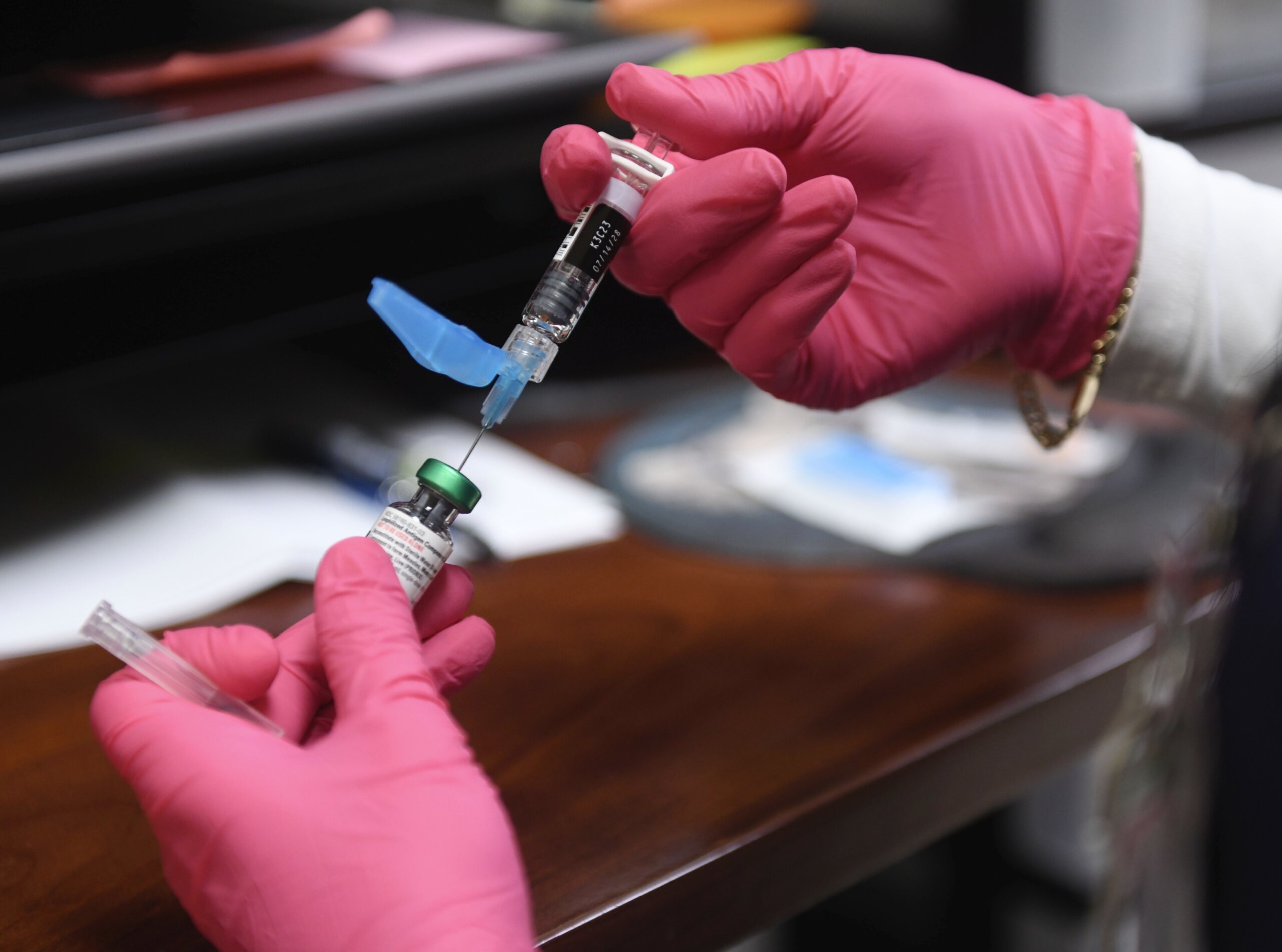
“Measles is so contagious that if one person has it, up to 9 out of 10 people close to that person who are not immune will also become infected.” — U.S. Centers for Disease Control and Prevention (CDC)
What Is Measles and Why Are Officials So Concerned?
Measles is a highly contagious viral infection that spreads through the air when an infected person coughs, sneezes, or even breathes. The virus can linger in the air and on surfaces for up to two hours in a closed space.
Symptoms typically appear about 7–14 days after exposure and can include:
- High fever (often 101°F–104°F or higher)
- Cough
- Runny nose
- Red, watery eyes
- Small white spots inside the mouth (Koplik spots)
- A red, blotchy rash that usually starts on the face and spreads downward
While many people recover fully, measles can cause serious complications, especially in children under 5, adults over 20, pregnant people, and those with weakened immune systems. Complications can include ear infections, pneumonia, and—in rare cases—brain swelling (encephalitis).

Exposure in Woodbridge and Falls Church: What It Means for You
For this latest case, public health officials have identified specific dates, times, and locations in the Woodbridge and Falls Church areas where other people may have been exposed—primarily in health care settings such as clinics or emergency departments.
If you were at one of the listed locations during the exposure window, your level of risk depends mainly on your immunity status:
- Fully vaccinated (two documented MMR doses): Your risk is very low. You typically just monitor for symptoms.
- Born before 1957: Most people in this age group are considered immune, but you can speak with your provider if unsure.
- Unvaccinated, partially vaccinated, pregnant, or immune-compromised: You may need additional guidance, possible lab testing, or preventive treatment.
“Public notifications about measles exposure aren’t meant to scare people—they’re meant to identify who needs follow-up quickly so we can prevent additional cases.” — Local public health epidemiologist
Think You May Have Been Exposed? Step-by-Step Guide
If you suspect you or your child might have been in one of the exposure locations, here’s a practical, calm plan to follow.
- Confirm your vaccine records
- Look for your or your child’s immunization card or portal record.
- Contact your pediatrician or primary care office if you can’t find documentation.
- Adults often forget they were vaccinated decades ago—records can usually be tracked down.
- Call your health care provider or health department
Let them know:
- The location, date, and time you may have been exposed.
- Your vaccination status if known.
- Whether anyone in your household is pregnant, under 12 months old, or immune-compromised.
- Watch for symptoms for 21 days after the last possible exposure
This is the typical incubation period for measles.
- Do not walk into a clinic or ER without calling first if symptoms appear
This helps providers prepare an isolation room and protect other patients in the waiting area.

How the MMR Vaccine Protects Your Family
The MMR vaccine is the primary tool for preventing measles outbreaks. In Virginia and across the U.S., it’s typically given as:
- First dose: 12–15 months of age
- Second dose: 4–6 years of age (can be given earlier as long as at least 28 days have passed since dose one)
For adults, especially those who travel internationally, work in health care, or attend college, providers may recommend:
- At least one documented MMR dose if born in 1957 or later.
- A second dose for higher-risk groups or during outbreaks, if not already given.
Large studies from multiple countries show that communities with high MMR coverage rarely see measles outbreaks, even when a travel-related case appears. In contrast, areas with lower vaccination rates are more likely to experience clusters of cases.
Common Obstacles: Fear, Confusion, and Access
For many families, the challenge isn’t a lack of concern—it’s navigating conflicting information, past experiences, or logistical barriers. In my work with community health programs in the Mid-Atlantic region, I’ve heard parents share concerns like:
- “I’m not against vaccines, I just worry about side effects for my baby.”
- “Our records were lost when we moved—now I don’t know what we’ve had.”
- “We don’t have a regular doctor, and it’s hard to get time off work.”
A practical, evidence-informed way to address these obstacles:
- Schedule a vaccine-focused visit
Let the clinic know your goal is to review vaccines only. This often allows more time for questions. - Ask about safety data
Clinicians can share large-scale research showing that serious side effects from MMR are rare compared with the risks of measles itself. - Explore low-cost or free vaccine clinics
Local health departments and some pharmacies in Virginia offer vaccines at reduced or no cost. - Request written summaries
Leaving with a printed or electronic summary makes it easier to explain decisions to other caregivers or family members.
“When we sat down just to talk about vaccines—no shots that day—it changed everything. By the next visit, we felt ready to catch up on MMR.” — Parent from a Northern Virginia clinic education session
Community Before-and-After: The Power of Prevention
We sometimes think about “before and after” in terms of individual health, but with infectious diseases like measles, the more meaningful shift is at the community level.
Before high coverage
- Travel-related measles case often triggers multiple secondary cases.
- Schools and clinics may face temporary closures.
- High anxiety among parents of infants and medically fragile children.
After high coverage
- Travel-related measles case is often a “dead end” with no further spread.
- Fewer disruptions to schools and health services.
- Families can focus on routine care instead of emergency response.

Where to Find Reliable, Up-to-Date Information
Measles news can spread faster than the facts. To stay grounded, focus on trusted, evidence-based sources that are updated regularly:
- Virginia Department of Health (VDH) – for local exposure notices, vaccine clinics, and guidance.
- CDC Measles Information – for national updates, travel guidance, and detailed FAQs.
- World Health Organization (WHO) – for global measles trends and scientific background.
Staying Calm, Prepared, and Connected
A third measles case in Virginia—especially in a young child who visited health care facilities in Woodbridge and Falls Church—naturally raises questions and concern. At the same time, this is exactly the kind of situation our public health system is built to handle: rapid case detection, clear exposure alerts, and proven tools like the MMR vaccine.
You don’t need to do everything at once. Over the next week, you might:
- Review your family’s immunization records.
- Schedule a catch-up or clarification visit with your provider if anything is uncertain.
- Bookmark your local health department’s measles information page.
- Share accurate, calm updates with friends or family who may be worried.
Caring for your family’s health in moments like this isn’t about perfection; it’s about taking steady, informed steps. With good information, a trusted health care team, and community-wide vaccination efforts, Northern Virginia is well-positioned to keep this measles activity limited and protect its most vulnerable residents.
If you live in or visited the affected areas and have questions, reach out to your health care provider or local health department today—they’re there to help you navigate this, one clear decision at a time.
