
How Nursery Time Reshapes Your Baby’s Gut Microbiome (And What Parents Should Know)
New research published in Nature suggests something many parents don’t usually think about when choosing childcare: sending babies to nursery can dramatically reshape their gut microbiome, largely through contact with other infants. Far from being just an abstract scientific idea, this baby-to-baby sharing of microbes may influence immune development, allergy risk, and overall health.
If you’re weighing the pros and cons of nursery or daycare—especially around infections, immunity, and “germs”—you’re not alone. This guide breaks down what scientists have learned about nursery, the infant gut microbiome, and how you can support your baby’s health whether they stay at home, attend nursery, or something in between.
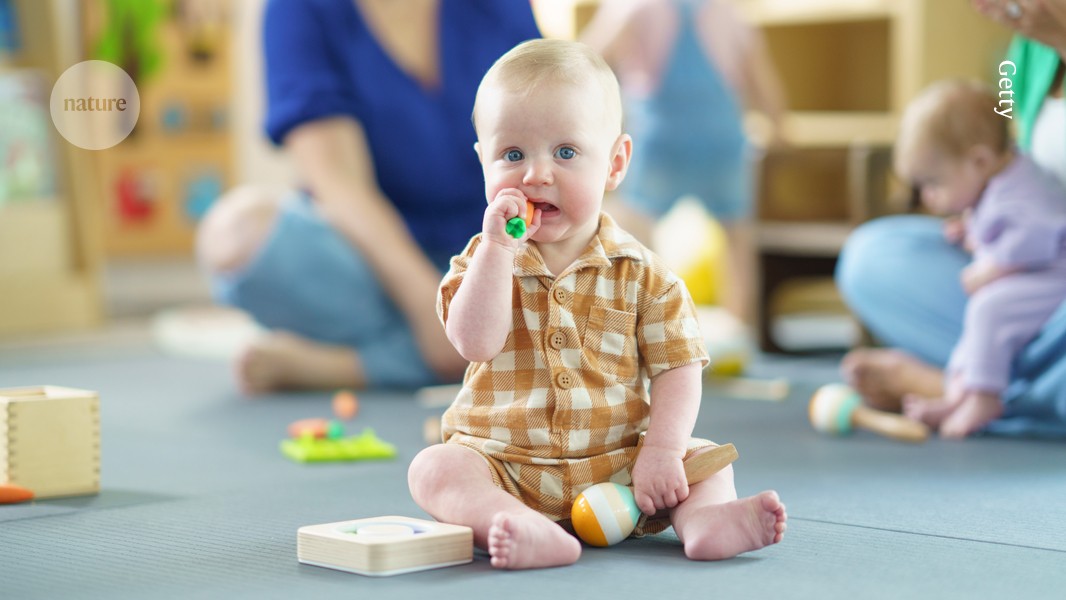
Why Your Baby’s Gut Microbiome Matters
The gut microbiome is the community of bacteria, viruses, and fungi living in the digestive tract. In infants, this ecosystem is still forming and is highly sensitive to:
- Mode of birth (vaginal birth vs. C-section)
- Feeding (breast milk, formula, or mixed)
- Antibiotic exposure (for the baby or birthing parent)
- Home environment (pets, siblings, outdoor time)
- Contact with other children, especially in nursery/daycare
“The first 1,000 days are a critical window for shaping the microbiome, which in turn helps train the immune system and may influence allergy, obesity, and infection risk later in life.”
— Summary of consensus from multiple pediatric microbiome studies (e.g., Nature Microbiome, NEJM)
A more diverse microbiome in later infancy and childhood is generally associated with greater resilience—though diversity alone doesn’t guarantee health, and researchers are careful not to oversimplify this relationship.
What the New Nature Study Found About Nursery and Baby Microbiomes
The recent analysis, reported by Nature
- Baby-to-baby transmission is substantial.
A surprisingly large proportion of each infant’s gut microbes could be linked to other babies in the same nursery, not just to parents or the home environment. - Social contact increases microbiome diversity.
Babies who spent more time in group care tended to develop a more diverse microbiota compared with those with less peer contact, even after accounting for feeding and other factors. - Diet still matters a lot.
Breastfeeding, formula type, and the timing/introduction of solid foods all remained strong predictors of microbiome composition, interacting with nursery exposure. - It’s not just “good” vs. “bad” bugs.
Babies share a mix of microbes. Most are harmless or beneficial, but closer contact also increases exposure to pathogens, which helps explain why nursery infants often experience more frequent minor infections.

Potential Benefits of Nursery for the Infant Microbiome
While no parent wants their child to be sick, controlled exposure to a wider range of microbes in early life may have some advantages. Here’s what current evidence suggests—without overpromising.
- Increased microbial diversity
Nursery can introduce new species and strains of bacteria, which may help build a richer microbial community. - Immune “training” through everyday exposures
Regular contact with peers—and their microbes—can give the immune system more practice distinguishing harmless from harmful exposures. - Balanced exposure compared with extreme sterility
Very “sterile” environments may limit microbial diversity, although the relationship with allergies and autoimmune conditions is complex and still under study. - Social and developmental gains in parallel
While not microbiome-specific, early socialization and play are linked to language, emotional regulation, and cognitive development—all occurring alongside microbiome changes.
“We shouldn’t be afraid of all germs. The goal is not zero exposure, but healthy, age-appropriate exposure in safe, clean environments.”
— Adapted from pediatric infectious disease guidance, American Academy of Pediatrics
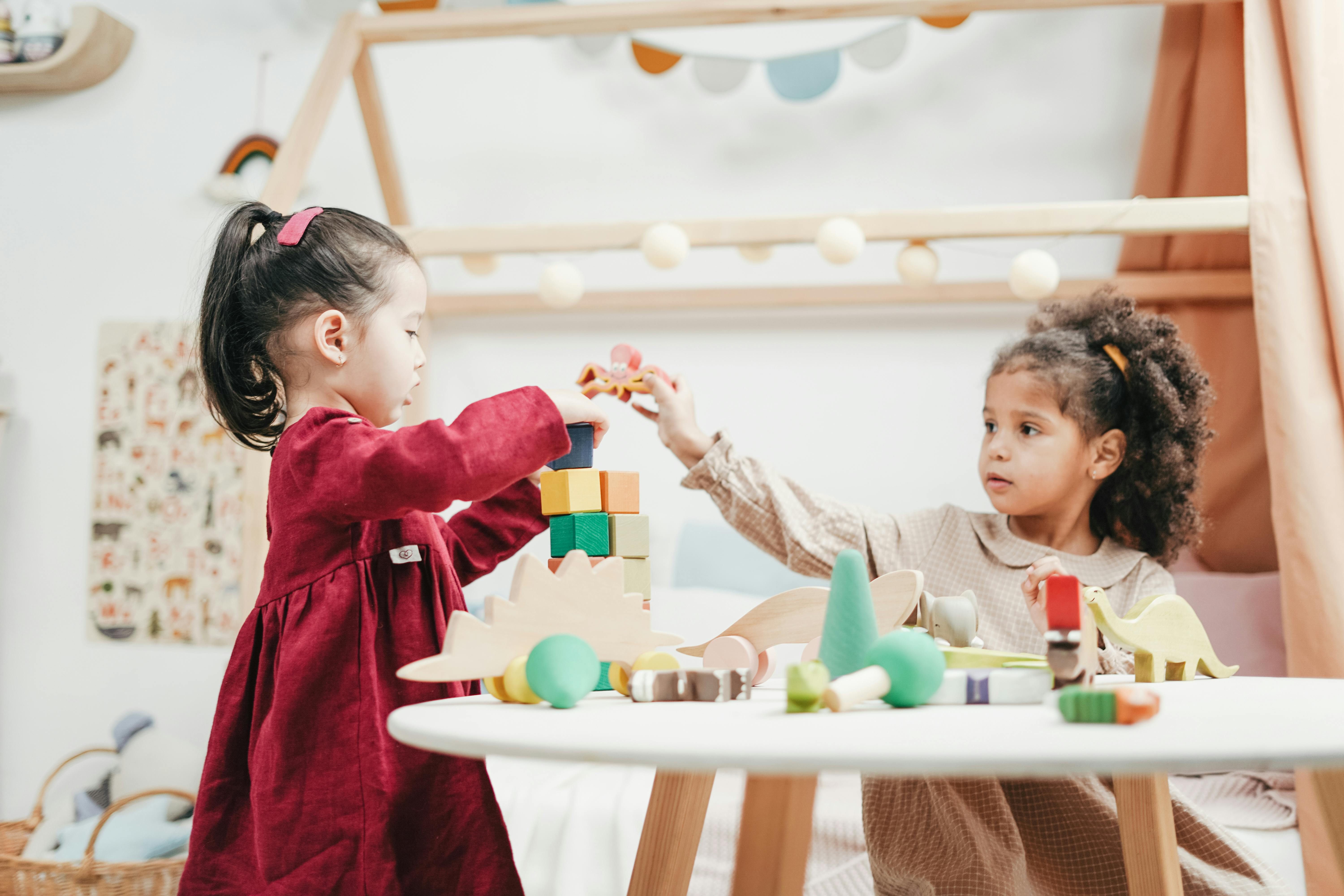
Common Concerns: Infections, Antibiotics, and Vulnerable Babies
Naturally, parents worry that nursery means more colds, stomach bugs, or ear infections. Evidence does show higher rates of common infections among children in group care, especially in the first year of attendance. This can indirectly affect the microbiome through:
- More frequent fevers and illness-related appetite changes
- Greater likelihood of antibiotic prescriptions for some conditions
- Short-term disruptions in gut bacteria after antibiotic use
Importantly, studies also suggest that many of the extra infections happen earlier rather than in total: children who get sick more often in the first few nursery years may experience fewer infections later in primary school. This doesn’t mean nursery is “protective” on its own, but it illustrates a shift in timing rather than a simple increase.
How to Support a Healthy Microbiome if Your Baby Attends Nursery
Whether your child is already in nursery or you’re considering it, there are practical, evidence-informed steps that can support their gut and immune health without adding more stress to your day.
- Focus on feeding foundations
- If possible and desired, breastfeeding (even partially) can provide beneficial bacteria and prebiotics.
- If using formula, talk with your pediatrician about options; some are fortified with specific prebiotics or probiotics, though evidence varies.
- Introduce a variety of age-appropriate solid foods when developmentally ready—fruits, vegetables, whole grains, and legumes provide fibers that feed beneficial microbes.
- Use antibiotics thoughtfully
- Follow your pediatrician’s guidance and ask if antibiotics are truly necessary for each illness.
- Never stop antibiotics early unless instructed; incomplete courses can cause other problems.
- Some families, with medical guidance, consider probiotics during or after antibiotic courses, though evidence is mixed and strain-specific.
- Balance hygiene with healthy exposure
- Prioritize handwashing, safe diapering practices, and cleaning of high-touch surfaces.
- Avoid overuse of strong antibacterial products at home when standard soap and water will do.
- Encourage outdoor play when possible; contact with natural environments adds microbial variety.
- Support rest and stress regulation
- Reasonably consistent sleep routines help regulate immune function.
- Calm, responsive caregiving—both at home and in nursery—reduces chronic stress, which is linked to changes in the gut–brain–microbiome axis.
What If My Baby Doesn’t Go to Nursery? Supporting the Microbiome at Home
Not every family uses nursery or daycare, and that’s completely okay. A healthy microbiome can also develop in home-based care. The Nature findings highlight one pathway of microbiome shaping—not a requirement for health.
- Encourage safe social contact
Playdates, parent–baby groups, and time with cousins or siblings provide opportunities for microbial sharing in smaller, more controllable settings. - Engage with nature
Walks in parks, time on grass or sand (with appropriate supervision and hygiene) may gently broaden environmental exposure. - Include pets if appropriate for your family
Some studies associate pet ownership with differences in the infant microbiome and potentially lower allergy risk, though this is not universal and depends on family circumstances. - Use the same feeding and hygiene principles
The basics—varied diet, reasonable hygiene, thoughtful antibiotic use—remain the same whether or not your child is in group care.

Real-Life Obstacles Parents Face—and How to Navigate Them
In conversations with parents, a few themes come up again and again when nursery and microbiomes are mentioned. Here are some common worries, alongside realistic, science-informed responses.
- “My baby is constantly sick since starting nursery.”
Frequent minor infections are common in the first nursery year. You can:- Talk with your pediatrician about whether this pattern is typical or concerning.
- Ask the nursery about illness policies, hand hygiene, and ventilation.
- Focus on rest, hydration, and nutrition at home to support recovery.
- “I feel guilty no matter what I choose.”
Guilt is common—and often misplaced. From a microbiome perspective, there isn’t a single “right” path. Both nursery attendance and home care can support healthy development with thoughtful habits. - “Should I give my baby probiotic supplements because of nursery?”
Evidence for routine probiotic use in healthy infants is mixed and highly strain-specific. For most babies, diet and overall environment matter more than supplements. Discuss any supplement plan with your pediatrician, especially for very young or medically complex infants.
“Parents don’t need to engineer a perfect microbiome. Good-enough care, responsive parenting, and practical health habits go a very long way.”
— Paraphrased from pediatric and developmental psychology perspectives
A Case Example: Two Different Paths, Both Doing Well
Consider two fictional but realistic families:
Family A: Their 9-month-old started nursery three days a week. The baby had several colds and one ear infection in the first few months. Parents sometimes worry about all the germs but also notice their child is thriving socially, trying new foods, and becoming more resilient with each illness.
Family B: Their 10-month-old is cared for at home by a grandparent. They regularly attend a local parent–baby music class and meet another baby for weekly playdates. The child has had fewer infections, but the family still focuses on a varied diet, outdoor time, and appropriate vaccinations.
If we sequenced both babies’ microbiomes, we’d likely see differences—nursery exposure would leave its mark. But based on current evidence, both patterns can be compatible with healthy development, especially when families have access to healthcare, respond to illness appropriately, and maintain supportive environments.
What Scientists Still Don’t Know (Yet)
The Nature study and related research open fascinating doors—but also highlight many unanswered questions:
- Which specific bacteria shared in nursery are most helpful, neutral, or potentially harmful?
- How do early microbiome differences translate into adult health outcomes decades later?
- Can we use microbiome insights to safely improve nursery environments without over-sanitizing?
- How do factors like socioeconomic status, housing, and nutrition interact with nursery exposure?
Because these questions are still being explored, responsible experts avoid claiming that nursery will “boost immunity” or “prevent disease” via the microbiome. Instead, they describe nursery as one important environmental influence among many.
Making a Confident, Informed Choice for Your Family
Your decision about nursery versus home care will likely be shaped by work needs, finances, your child’s temperament and health, available caregivers, and your own wellbeing. The microbiome is part of that picture—but not the whole story.
Based on current evidence, you can feel reassured that:
- Nursery generally increases microbiome diversity through baby-to-baby transmission of gut bacteria.
- More frequent minor illnesses in nursery are common but usually manageable with appropriate care.
- A healthy microbiome can also develop without nursery, especially with supportive feeding, hygiene, and social habits.
If you’re still unsure, consider:
- Discussing your child’s specific risks and needs with their pediatrician.
- Visiting potential nurseries to ask about hygiene, illness policies, and time outdoors.
- Re-evaluating after a few months—your choice today doesn’t have to be permanent.
Call-to-action: Choose one small, realistic step this week—whether it’s scheduling a nursery tour, planning an outdoor playdate, or adding one new fiber-rich food to your baby’s menu—to support both their daily wellbeing and their developing microbiome.
