
New Triple-Drug Breakthrough Shows Promise Against Stubborn Pancreatic Cancer
Hearing the words “pancreatic cancer” can feel like the ground has dropped beneath you. It’s a cancer known for being hard to detect early, difficult to treat, and often resistant to even the best therapies we have. That’s why new research showing a triple-drug combination that can block tumour resistance and drive complete tumour regression in preclinical models is getting so much attention.
In this article, we’ll walk through what this “drug trio” actually is, how it works in pancreatic cancer, what the latest 2026 study found, and—most importantly—what it realistically means right now for patients, families, and clinicians. We’ll keep things evidence-based, avoid hype, and focus on practical takeaways you can discuss with your medical team.
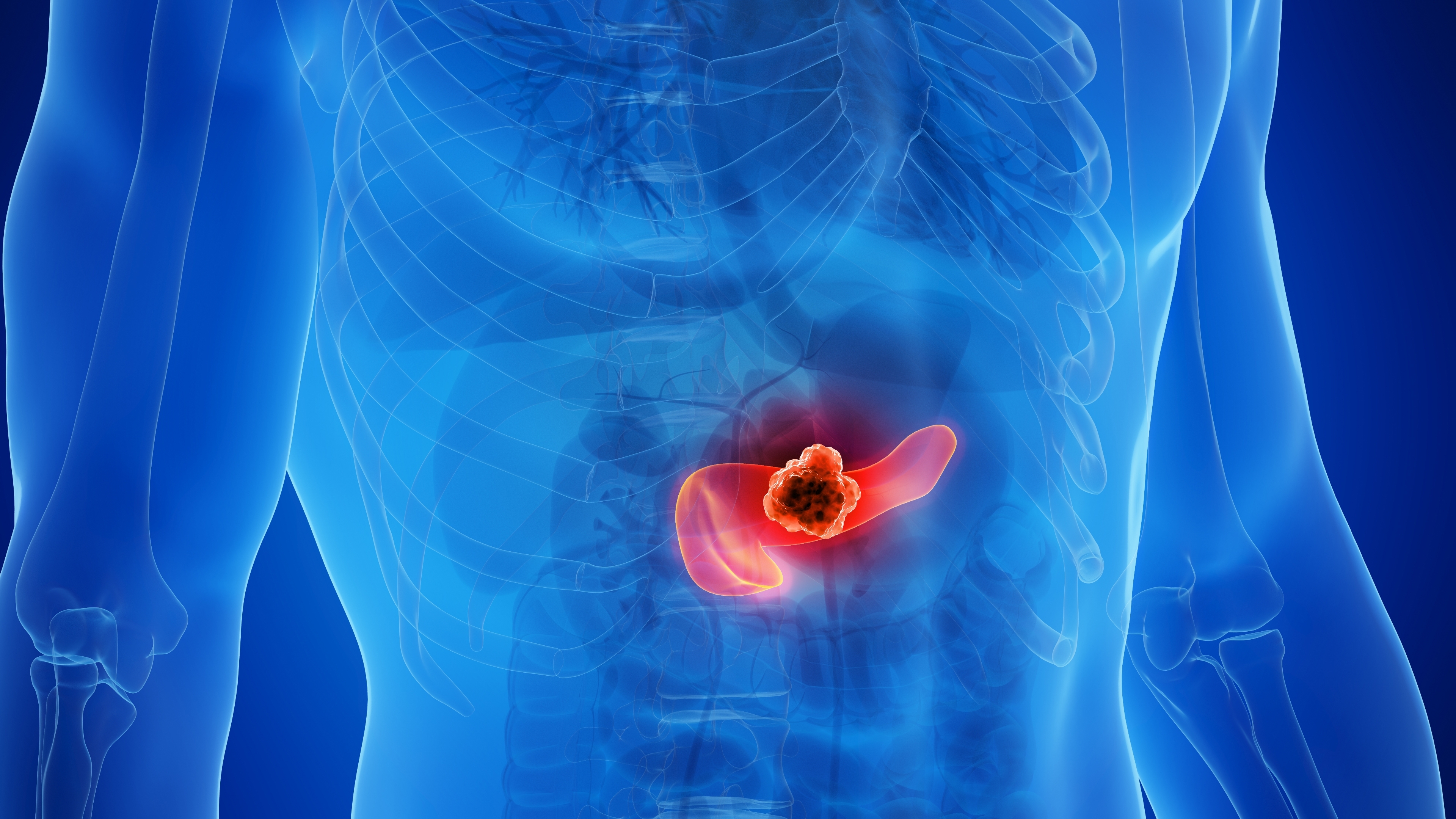
Why Pancreatic Cancer Is So Hard to Treat
Pancreatic ductal adenocarcinoma (PDAC), the most common form of pancreatic cancer, has one of the lowest survival rates of any major cancer. Even with modern chemotherapy and surgery, many tumours:
- Are discovered late, when surgery is no longer an option
- Respond to treatment at first but then become resistant
- Hide within a dense, fibrous “shield” of tissue called the stroma
- Use multiple growth and survival pathways as “backup systems”
“Pancreatic tumours are masters of adaptation. If you block one pathway, they often switch to another. That’s why combination strategies are so critical.”
— Translational oncologist commenting on current PDAC research
For many families I’ve worked with, this resistance is the most painful part. A scan looks better after chemotherapy, hope rises—and then, months later, the tumour returns or grows again. The research on this new drug trio is directly aimed at shutting down that cycle of resistance.
What Is the “Drug Trio” That Blocks Tumour Resistance?
The 2026 Drug Target Review report describes a triple-targeted drug combination tested in preclinical models of pancreatic cancer. While the article summarises rather than listing brand names in the snippet you provided, the strategy follows a pattern seen in several leading pancreatic cancer labs:
- Target the main driver signal (often the KRAS–MAPK pathway in PDAC)
- Block a key survival “backup” pathway (like PI3K/AKT or autophagy)
- Disrupt the tumour’s protective environment (stroma or immune evasion)
The combination used in this new study was carefully selected to hit:
- A primary oncogenic signalling pathway that drives tumour growth
- A parallel pathway cancer cells often switch to when the first is blocked
- Microenvironment factors that normally help cancer cells survive stress
By attacking these three angles together, researchers aimed not just to shrink tumours, but to prevent them from adapting and becoming resistant.
Inside the 2026 Study: Complete and Lasting Tumour Regression in Models
According to the 29 January 2026 Drug Target Review article, researchers tested this triple-drug regimen in established preclinical models of pancreatic ductal adenocarcinoma. Here’s what their findings suggest:
- Complete tumour regression: In many of the treated models, tumours shrank until they were no longer detectable with the study’s imaging methods.
- Durable responses: After stopping treatment, tumours did not rapidly regrow, suggesting that resistance pathways had been effectively blocked—at least over the follow-up period.
- Overcoming resistance: Models that were previously resistant or only partially responsive to standard-type regimens showed deep and sustained responses to the trio.
The authors interpreted these results as evidence that carefully designed triple combinations can outsmart tumour plasticity—the ability of cancer cells to change and adapt under pressure.

“For the first time in our pancreatic cancer models, we saw complete regressions that stayed gone after we stopped therapy. That doesn’t mean we’ve cured pancreatic cancer, but it does mean we may be closing in on the biology of resistance.”
— Lead investigator quoted in coverage of the study
These kinds of results are rare in PDAC research and understandably spark hope. Still, it’s essential to remember that animal or cell-based success does not guarantee success in people.
How the Triple-Targeted Combination Works (In Simple Terms)
Pancreatic cancer cells are like expert escape artists. Block one exit, and they find another. The drug trio strategy is to:
- Cut the main power line: A drug blocks a key growth signal that the tumour relies on.
- Shut off the emergency generator: A second drug stops the backup pathway tumours often switch to when stressed.
- Remove the hiding places: A third agent alters the surrounding environment or immune interactions so cancer cells can’t “hide” or receive survival support.
Lab measurements from the study showed reduced signalling through major growth pathways, more cancer cell death (apoptosis), and less evidence of the molecular changes that typically accompany resistance. In other words, the tumour had far fewer ways to “route around” the therapy.
What the Evidence Does—and Does Not—Show
Balancing excitement with realism is critical, especially with a cancer as serious as pancreatic cancer. Based on the information available as of January 2026, here is what we can say:
What this study supports
- Targeted combinations can produce deep, durable responses in pancreatic cancer models.
- Attacking resistance from multiple angles is biologically plausible and effective in the lab.
- This approach warrants further testing in early-phase clinical trials.
What this study does not yet prove
- That the same results will occur in people with pancreatic cancer.
- That the triple combination is safe enough for routine use (triple therapies can increase side effects).
- That every patient, or even most, will experience “complete regression.” Human tumours and bodies are far more variable than lab models.
Any future clinical trial would need to carefully test:
- Safe and tolerable dosing schedules
- Which patients are most likely to benefit (for example, specific mutations)
- How well the drugs interact with surgery, chemotherapy, or radiotherapy
For now, this research should be seen as a promising direction, not a ready-made cure.
What This Could Mean for Patients and Families
If you or someone you care about is facing pancreatic cancer, it’s natural to wonder: “How soon could this help us?” While timelines are uncertain, here are realistic implications:
- More rational clinical trials.
Expect to see more trials that:- Focus on dual or triple targeted therapies
- Use biomarkers (molecular tests) to select patients
- Combine drugs in ways specifically designed to prevent resistance
- Better understanding of resistance.
Even if this exact trio is not the final answer, the mechanisms uncovered can guide other treatment designs. - Stronger case for comprehensive care at specialist centres.
Centres heavily involved in research are more likely to offer:- Access to innovative clinical trials
- Multidisciplinary teams that can handle complex regimens

Common Obstacles: Side Effects, Access, and Uncertainty
Triple-drug strategies can be powerful—but they can also come with challenges:
- Increased side effects: More drugs can mean more toxicity. In clinical trials, doctors typically start at cautious doses and monitor closely.
- Eligibility for trials: Many pancreatic cancer patients are diagnosed later in life or have other health conditions that may limit trial participation.
- Geographical barriers: Advanced combination trials are often located at major academic centres, sometimes far from home.
- Emotional fatigue: Constantly hearing about “breakthroughs” that are not yet available can be disheartening.
In one family I supported, the patient was eligible for an experimental multi-drug trial but unsure about the travel and unknowns. After talking with their oncology team, they weighed:
- The potential benefit of a cutting-edge therapy
- The stress of travel and being away from home
- How side effects might impact daily life
There was no easy answer—but having clear, honest information helped them make a choice that matched their values.
Practical Steps to Take If You’re Affected by Pancreatic Cancer
While this specific triple-drug regimen is not yet a standard treatment, there are concrete actions you can take now to stay aligned with the latest science:
- Ask for a consultation at a high-volume pancreatic cancer centre.
These centres are more likely to:- Have clinical trials involving novel combinations
- Offer multidisciplinary care (surgery, oncology, nutrition, palliative care)
- Request molecular profiling of the tumour, if appropriate.
Genomic and molecular testing can sometimes identify:- Eligibility for targeted clinical trials
- Specific pathways that might respond to certain combinations
- Discuss combination options within current standards.
Even outside of clinical trials, many patients receive combination chemotherapy (for example, FOLFIRINOX or gemcitabine-based doublets). Ask about:- Rationale behind your regimen
- How resistance will be monitored over time
- Consider supportive and palliative care early.
These services focus on:- Pain and symptom management
- Nutrition, fatigue, and emotional support
- Quality-of-life planning alongside disease-directed treatment
- Lean on trusted information sources.
Reputable organisations such as:

Before and After: How Treatment Strategies Are Evolving
Research like this triple-drug study highlights how pancreatic cancer treatment is slowly shifting from “one-size-fits-all chemotherapy” toward more personalised, biology-driven strategies.
Traditional approach
- Single or doublet chemotherapy
- Limited use of molecular profiling
- Resistance often expected after initial response
- Fewer targeted trials available
Emerging approach
- Rational combinations (2–3 agents) based on tumour biology
- Expanded use of genomic and molecular testing
- Strategies that explicitly aim to prevent resistance
- Growing number of precision-medicine clinical trials
The triple-drug study fits squarely into this emerging model, even if it will take time to translate from lab bench to bedside.
Staying Hopeful Without Clinging to Hype
It’s emotionally exhausting to live in the space between hope and uncertainty. You deserve honest information, not exaggerated promises. Here’s a balanced way to hold this new research:
- Yes—the fact that complete, lasting regression is possible in preclinical pancreatic models is a big scientific step.
- No—we do not yet have proof that this will cure pancreatic cancer in people.
- Yes—this strengthens the case for enrolling in thoughtful clinical trials when they are a good fit.
- No—you are not “missing out” on a secret cure if this triple regimen isn’t available to you.
The most important thing you can do is to stay connected—to your medical team, to credible information, and to people who care about you. Advances like this triple-drug discovery are the result of years of work by scientists, clinicians, patients, and families. Your questions, advocacy, and participation in research (when possible) are part of that progress.
If this article raises questions about your own or a loved one’s treatment, consider bringing a printed copy or notes to your next appointment and asking: “How does current research on combination therapies and resistance apply to my situation?”
