Hidden Brain Threat: What a “Sleepy” Parasite Really Does in Your Mind
A parasite that quietly lives in the brains of millions of people worldwide is turning out to be far less “sleepy” than we once thought. New research summarized by ScienceAlert suggests that Toxoplasma gondii—often assumed to go permanently dormant in brain tissue—may actually remain more metabolically active, interacting with brain cells in ways scientists are only beginning to understand.
If you’ve ever been told to avoid cat litter during pregnancy, you’ve already brushed up against this parasite’s reputation. But beyond pregnancy warnings, most people have never heard of it, even though it may be living in their brain.
In this article, we’ll unpack what this new research from the University of California, Riverside is suggesting, how worried (or not) you should be, and what practical steps you can take to reduce your risk—without panic or paranoia.
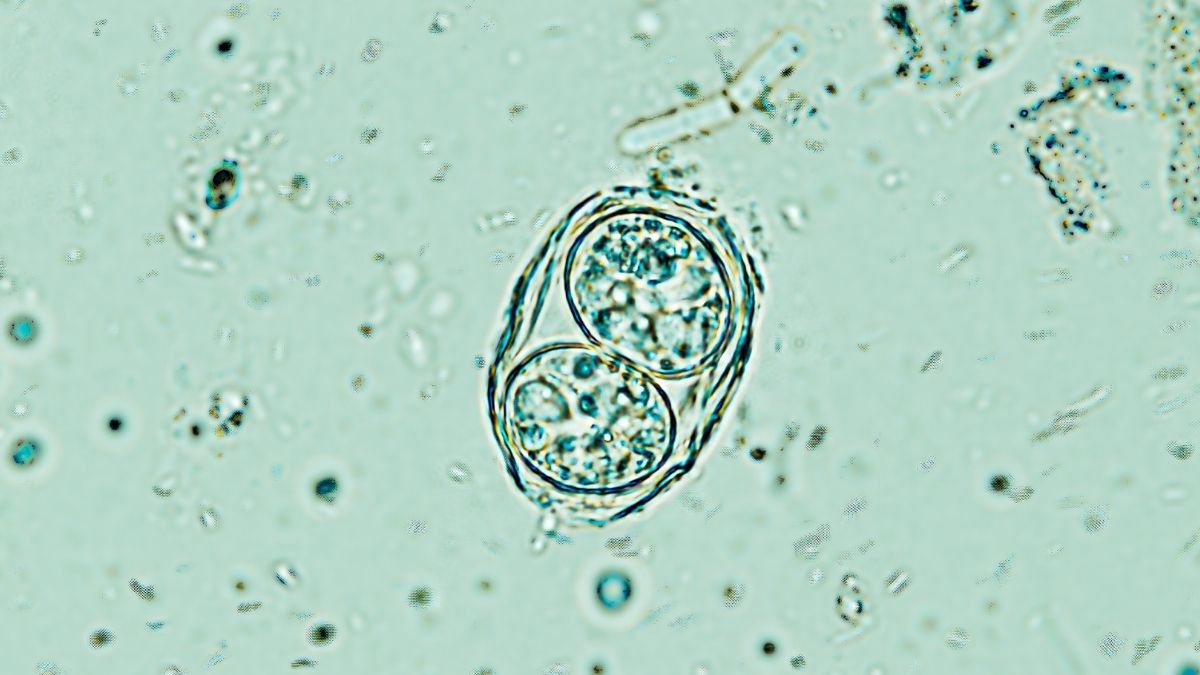
The Brain Parasite Millions Carry: Why This Matters
The parasite in question, Toxoplasma gondii, is a microscopic organism that can infect virtually all warm-blooded animals, including humans. It’s especially well known for its life cycle involving cats, where it reproduces in the intestines and sheds hardy eggs (oocysts) into the environment.
Estimates vary, but researchers suggest that up to one-third of the world’s population has been exposed to T. gondii. In most healthy people, the infection causes either no symptoms or a mild, flu-like illness—then seems to go “quiet” as the parasite encysts in muscles and the brain.
“For decades, we believed that Toxoplasma entered a dormant, almost frozen state in the brain,” said one of the University of California, Riverside researchers in coverage of the study. “Our new data suggest that story is far more dynamic.”
The core concern is not that everyone infected will suddenly become seriously ill. Rather, it’s the possibility that a “quiet” infection may subtly interact with brain cells and immune responses over many years in ways we don’t fully understand yet.
What the New UC Riverside Research Suggests
The new work from the University of California, Riverside, as summarized by ScienceAlert, used modern molecular tools to examine what supposedly “dormant” T. gondii cysts are actually doing inside brain tissue.
- Evidence indicates the parasite isn’t completely shut down—it appears to maintain some level of metabolic and genetic activity.
- Parasite cysts may be interacting with nearby brain cells, including neurons and glia, more than previously recognized.
- The so-called “latent” stage may actually be a spectrum of activity states, rather than a simple on/off switch.
This doesn’t automatically translate into dramatic symptoms. In fact, most infected people never notice anything at all. But it raises important questions:
- Could low-level parasite activity influence inflammation in the brain?
- Might it subtly modulate neurotransmitters or brain wiring?
- Could certain genetic or health backgrounds make some people more vulnerable to effects than others?
How People Get Infected: Everyday Exposure Risks
Understanding how T. gondii spreads is the first step in protecting yourself without living in fear. Most infections arise from a few common routes:
- Undercooked meat (especially pork, lamb, and venison) containing tissue cysts.
- Cat feces that shed oocysts (for example, cleaning litter boxes without proper hygiene).
- Contaminated soil or water, particularly when gardening without gloves or consuming unwashed produce.
Once inside the body, the parasite can spread through the bloodstream and form cysts in organs, including the brain, where it may persist for life.

What Could an “Active” Parasite Mean for the Brain?
For most healthy adults, Toxoplasma infection remains silent. However, the idea that cysts may not be completely dormant raises a set of nuanced possibilities rather than simple, dramatic outcomes.
Research over the past two decades has explored links—often controversial—between T. gondii infection and:
- Subtle changes in reaction time or risk-taking behavior.
- Possible associations with certain mental health conditions, such as schizophrenia or mood disorders.
- Chronic, low-level neuroinflammation.
It’s crucial to emphasize that association does not equal causation. Many people living with schizophrenia, depression, or anxiety do not have toxoplasmosis, and many people with toxoplasmosis never develop psychiatric illness.
Large epidemiological studies suggest intriguing correlations, but teasing apart cause and effect is challenging. Genetics, environment, and life experiences all play major roles in mental health.
The new UC Riverside findings add weight to the idea that the parasite is biologically active in the brain, which could help explain some of these patterns. Still, science is far from a definitive “this parasite causes that disorder” conclusion.

Who Is Most at Risk from Toxoplasma?
While the idea of a brain parasite is unsettling, the highest medical risks are concentrated in specific groups:
- Pregnant people without prior immunity – Primary infection during pregnancy can, in some cases, pass to the fetus and cause congenital toxoplasmosis, with risk of eye, brain, or developmental problems.
- People with weakened immune systems – For example, individuals with advanced HIV infection, those on certain chemotherapy regimens, or organ transplant recipients. Latent infection can reactivate and cause severe brain inflammation (toxoplasmic encephalitis).
- People with heavy exposure to raw meat or soil – Such as certain food workers or farmers who may encounter the parasite frequently if precautions are not used.
Practical Ways to Reduce Your Toxoplasma Risk
Completely avoiding germs in modern life is impossible, but you can meaningfully lower your risk of toxoplasmosis with a few evidence-informed steps.
1. Food Safety at Home
- Cook meat thoroughly. Use a food thermometer where possible. Many health agencies recommend:
- Whole cuts of pork, lamb, veal: at least 63°C (145°F), followed by rest time.
- Ground meats: at least 71°C (160°F).
- Freeze meat where appropriate. Freezing at typical home freezer temperatures for several days can reduce parasite viability.
- Wash fruits and vegetables under running water, especially if eaten raw.
- Avoid cross-contamination: Use separate cutting boards for raw meat and produce; wash knives and surfaces with hot, soapy water.
2. Cat Litter and Pet Hygiene
- If possible, have someone who is not pregnant and not immunocompromised change the litter box.
- Change litter daily. Oocysts shed in cat feces need time (about 1–5 days) to become infectious.
- Wear disposable gloves when handling litter and wash hands thoroughly afterward.
- Keep cats indoors where feasible and avoid feeding them raw meat to reduce their likelihood of infection.
3. Gardening and Outdoor Exposure
- Wear gloves when gardening or handling soil; wash hands afterward even if you wore gloves.
- Wash outdoor-picked produce thoroughly; avoid drinking untreated water from natural sources.

Common Obstacles: Fear, Myths, and Everyday Reality
When people first hear that a parasite might be living in their brain, it’s normal to feel alarmed. But fear can easily push us toward myths, extreme behaviors, or misinformation.
Myth 1: “If I have a cat, I’m doomed.”
Many cat owners never become infected, and many infected people have never owned a cat. Litter hygiene, cooking habits, and overall food safety are more important than avoiding beloved pets.
Myth 2: “Toxoplasma will definitely change my personality.”
Some studies report small statistical differences in behavior between infected and uninfected groups, but these are group averages, not destiny. Your personality is shaped by genetics, upbringing, culture, and experiences—not one microbe.
Myth 3: “There’s nothing I can do about it.”
You can meaningfully reduce risk through straightforward measures—better cooking, hand hygiene, and smart litter-box practices—without turning your life upside down.
An infectious disease specialist once summarized it this way in clinic: “Respect the parasite, but don’t fear it. Basic hygiene goes a long way.”
What Do Health Authorities and Studies Say?
Major health organizations recognize toxoplasmosis as an important infection, particularly for pregnancy and immunocompromised patients. They generally emphasize:
- Routine food safety as a cornerstone of prevention.
- Targeted testing and treatment for high-risk groups.
- No recommendation for mass screening of the general healthy population in many countries, given current evidence.
Scientific literature continues to explore potential connections between latent toxoplasmosis and neurological or psychiatric conditions, but findings are often mixed and sometimes conflicting. The new UC Riverside study adds biological detail that will help future research interpret those patterns more accurately.
For further reading and up-to-date guidance, see:
- U.S. Centers for Disease Control and Prevention (CDC) – Toxoplasmosis Overview.
- World Health Organization (WHO) resources on foodborne parasitic diseases.
- Peer-reviewed articles in journals such as Clinical Infectious Diseases and Nature Communications on T. gondii and brain health.

A Real-World Scenario: Balancing Caution and Normal Life
Consider “Maya,” a 32-year-old expecting her first baby. She has two indoor cats she adores and works full-time, often relying on quick meals. After reading about toxoplasmosis online, she becomes anxious and wonders if she should rehome her cats.
With her clinician, Maya reviews the facts:
- Her cats are strictly indoor and eat commercial cat food, which lowers their infection risk.
- She can have her partner clean the litter box daily while wearing gloves.
- She decides to avoid rare meat, wash produce carefully, and be extra diligent about hand washing in the kitchen.
Instead of giving up her pets, Maya adopts targeted safety steps, grounded in evidence rather than fear. This is the kind of balanced, compassionate approach that makes sense for many people.
Where the Science Is Heading Next
The UC Riverside findings are part of a broader shift in how scientists think about chronic infections in the brain. Instead of viewing them as fully “dormant,” researchers are asking:
- How do persistent microbes and the immune system co-exist over decades?
- Are there windows in life—such as aging, stress, or immunosuppression—when this balance is more easily disrupted?
- Could targeted therapies eventually reduce long-term parasite activity in vulnerable individuals?
These are complex questions that will take years of work to untangle. But each new study, including the one highlighted by ScienceAlert, helps refine our picture of what’s really happening in the hidden ecosystems of the brain.
Staying Calm, Staying Informed, and Taking Smart Precautions
The idea that millions of people may carry a “less sleepy than expected” brain parasite is undeniably unsettling. Yet the most constructive response isn’t panic—it’s informed action.
Here’s the balanced takeaway:
- Toxoplasma gondii is common, but severe disease is relatively rare and concentrated in specific high-risk groups.
- New research suggests the parasite remains more active in the brain than once thought, but the full implications for behavior and mental health are still being worked out.
- You can substantially reduce risk through simple daily habits: cook meat thoroughly, wash produce, practice good hand hygiene, and manage cat litter safely.
- If you’re pregnant, planning a pregnancy, or immunocompromised, a conversation with your healthcare provider about toxoplasmosis is appropriate and empowering.
Staying curious, asking questions, and updating our beliefs as science evolves is one of the healthiest habits we can have—both for our brains and our overall well-being.
Call to action: Take a moment today to check your kitchen and pet-care routines. A few thoughtful adjustments can help protect you and your family, quietly and effectively, for years to come.