
Miss Manners, Open Flies, and Backward Books: The New Rules of Public Etiquette
In a recent Washington Post “Miss Manners” column, two tiny moments of everyday awkwardness—spotting a stranger’s open fly at a restaurant and watching TV decorators stack books backward for the aesthetic—turn into a surprisingly rich snapshot of what etiquette looks like in 2020s culture. It’s not just about zippers and spines; it’s about how we balance kindness, embarrassment, and our weirdly casual relationship with books and expertise on TV.

Miss Manners in 2026: Why This Column Still Matters
Judith Martin’s “Miss Manners” has been running for decades, outlasting multiple etiquette trends, three generations of wedding registries, and the rise of smartphones at the dinner table. The premise is simple: readers write in with social dilemmas—some timeless, some painfully of-the-moment—and Miss Manners replies with a mix of dry wit, old-school decorum, and surprisingly sharp social analysis.
The column in question folds together two complaints:
- A diner wonders if they should have told a stranger at a restaurant that his fly was unzipped.
- Another reader is “appalled” by TV home decor shows that turn books backward—spines facing the wall—for a cleaner color palette.
On the surface, it’s classic advice-column fodder. Underneath, it’s about how we negotiate public embarrassment, the value of politeness to strangers, and the way entertainment TV treats culture—especially books—as mere visual texture.
The Unzipped Fly Dilemma: Kindness vs. Awkwardness
The first question is universal: you notice another diner’s fly is down. Do you say something and risk mortifying them, or stay quiet and let them walk around like an accidental slapstick extra?
Classic etiquette tends to favor what you might call “brief mercy.” If you can fix someone’s social problem with a few quiet words, you do it—gently, discreetly, and without turning it into a moment. The point isn’t to spare them from ever feeling embarrassed; it’s to keep their embarrassment contained.
The polite approach, across most etiquette traditions, is to give a stranger just enough information to preserve their dignity—no commentary, no smirking, and definitely no audience.
In that sense, telling someone quietly, “Excuse me, I think your zipper might be down,” is actually a social favor. The viral-clip version, where a group laughs and points, is exactly what etiquette exists to prevent.

The modern twist is that people are hyper-aware of personal space and boundaries, especially after years of online discourse about consent, harassment, and unwanted comments about appearance. That can make even a well-meant heads-up feel risky. But context matters: a neutral tone, no lingering gaze, and a quick exit usually signal good intentions.
Backward Books on TV: Aesthetics vs. Actual Reading
The second letter in the column is aimed squarely at TV home decor shows—the kind you find on HGTV or streaming renovation series, where every room has the same white walls, impossible sofas, and a stack of art books that may or may not have ever been opened.
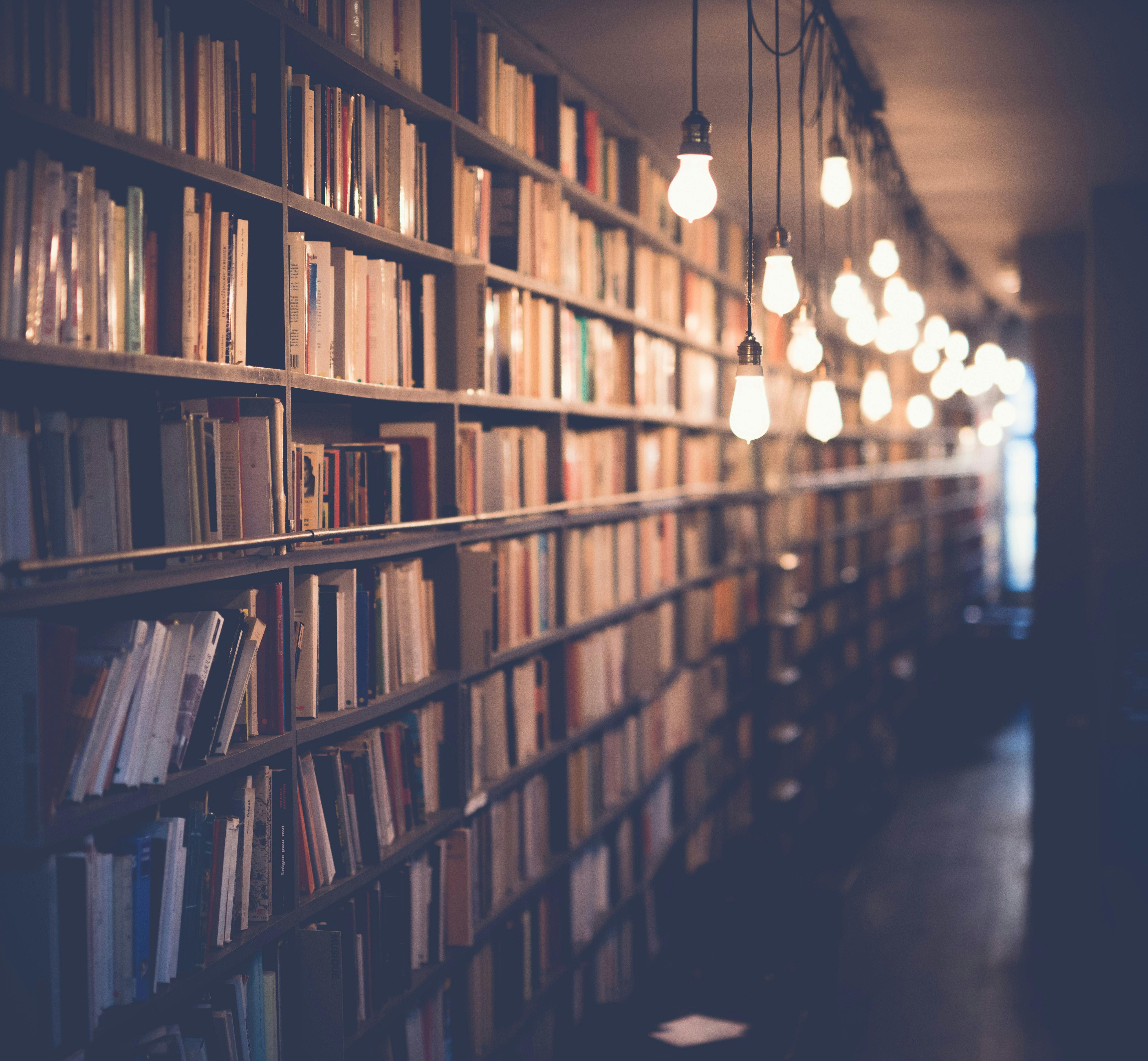
The reader is “appalled” by the practice of shelving books with the spines turned toward the wall, so that only the pale pages show. The point is to create a neutral, uniform color palette, free from clashing titles and typography. The result: a soft, beige gradient of ignorance.
Backward books turn a library into wallpaper—nice to look at, useless to use.
This is where cultural context kicks in. We’re in an era where “bookshelf credibility” is a recognized phrase—especially after years of Zoom calls where commentators, authors, and celebrities curated backgrounds full of carefully chosen titles. Books are both tools and signals: what you read, what you display, and whether you’ve actually read what you display.
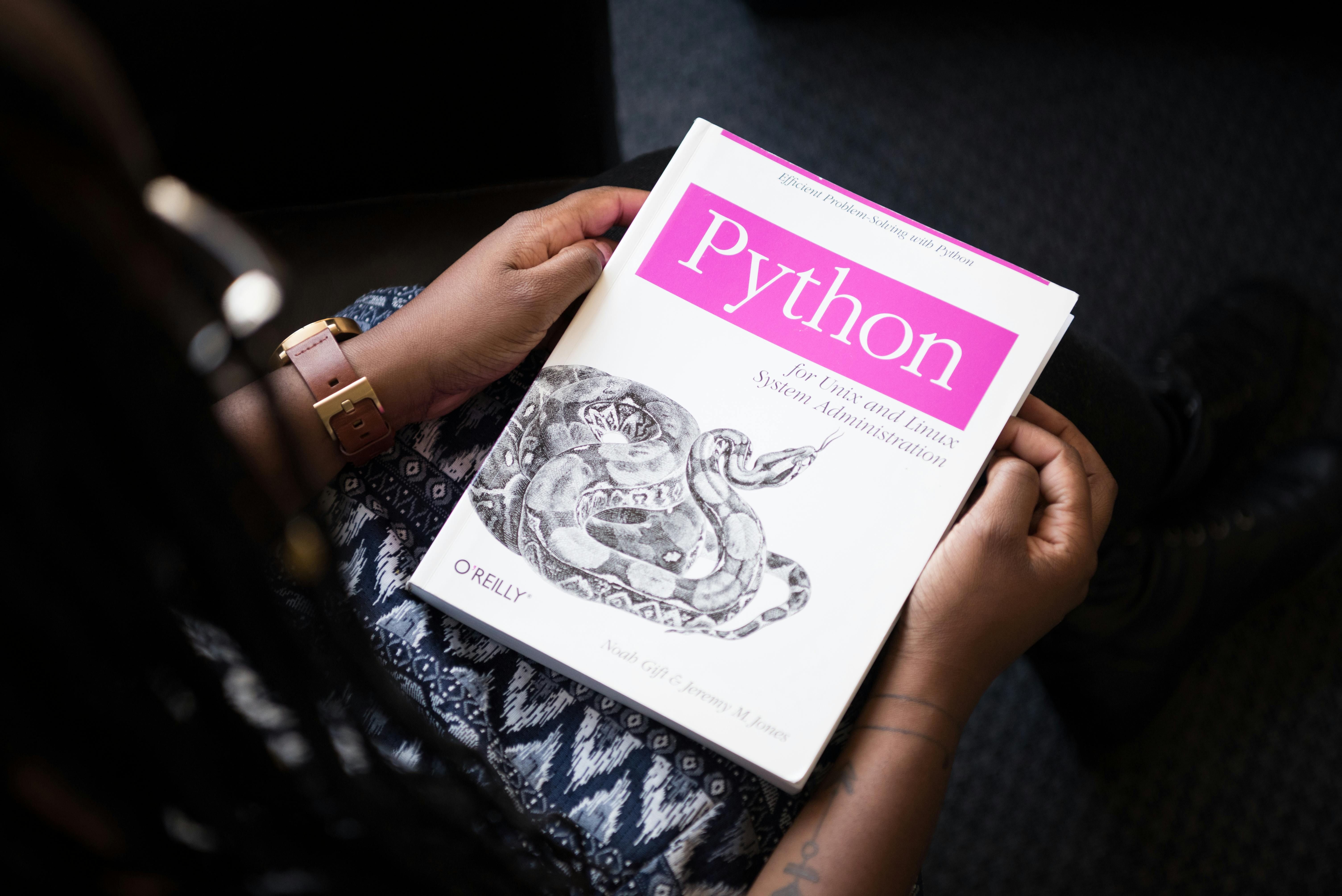
Turning books around erases titles, authors, and any sense of curiosity. It’s decor that deliberately hides information—like blurring the entire menu at a restaurant because the fonts clash with the plates. To people who grew up treating libraries and bookstores as sacred spaces, this feels less like a design choice and more like an anti-intellectual flex.
What This Says About TV, Design Culture, and Class
The backward-book trend didn’t come out of nowhere. It sits at the intersection of:
- Instagrammable minimalism – Rooms built to photograph well more than to be lived in.
- TV production design – Sets styled to read instantly on camera, not to function as real homes.
- Class signaling – Owning stacks of large art books suggests a certain lifestyle, whether or not those books are used.
When home decor shows flip the spines, they’re making a quiet statement: the content of the books matters less than the color of the paper. That can feel jarring in a time when publishing, libraries, and literacy programs are all fighting for attention and funding.
In that light, the reader’s “appalled” reaction isn’t just aesthetic snobbery; it’s a defense of books as something more than props. Decor shows have enormous cultural reach, and when they treat collections as color swatches, they send a certain message about what knowledge is for.
Reviewing the Column Itself: Does Miss Manners Still Land?
As entertainment, the column walks a familiar and effective line: small, tightly observed problems are treated with an almost courtly seriousness, but the tone is light enough that you don’t feel scolded just for living in the 21st century. This edition is strongest when it hints at the larger cultural tensions behind the questions—surveillance-style embarrassment in public spaces, and design TV’s tendency to flatten culture into neutral-toned content.
Where it can sometimes frustrate contemporary readers is in the built-in conservatism of etiquette advice. Miss Manners often assumes that stability and predictability in social interactions are virtues by default. That’s comforting, but it can underplay how power, class, gender, and race shape who actually gets to enforce those norms and who pays the price for “polite” silence.
Still, as a piece of cultural commentary disguised as a help column, it works. It reminds readers that:
- Etiquette is about reducing damage, not enforcing perfection.
- Design trends, even “harmless” ones, always carry values.
- How we treat strangers in small moments adds up to the tone of public life.
On balance, as an ongoing cultural artifact, the column deserves a solid place in the canon of advice writing.
Rating: 4/5
Practical Takeaways: What to Actually Do in Real Life
If you’re looking for actionable etiquette from all this, here’s a quick, culturally sensitive cheat sheet:
- Noticing an open fly: If it’s safe and appropriate, quietly say something like, “Excuse me, I think your zipper might be down.” No details, no jokes, no audience.
- On TV-style backward books at home: If you care about reading, organize books in a way that lets you actually find and enjoy them. If you want a cleaner look, consider color-coding spines or using closed storage instead of hiding titles.
- Commenting on other people’s decor: In real life, resist the urge to critique someone’s bookshelf aesthetics unless they’ve invited your opinion. TV shows are fair game; your host’s living room is not a design blog.

Related Media: Where Etiquette Meets Entertainment
Miss Manners isn’t operating in a vacuum. The tension between politeness and performance shows up across contemporary media:
- “Nanny McPhee” on IMDb – a whimsical take on manners as both magic and discipline.
- “The Good Place” on IMDb – not about cutlery, but about what it means to be a good person in a messy world.
- Official Miss Manners archive at The Washington Post – for more columns on modern etiquette.
Conclusion: Small Manners, Big Signals
This Miss Manners column may revolve around an unzipped fly and some backward books, but it’s really about what kind of culture we want to live in. Do we quietly help strangers save face, or film them for content? Do we treat books as living objects full of ideas, or as beige accessories for a renovation reveal?
As long as advice columns like this one keep nudging us toward discretion, kindness, and a little respect for the written word, they’ll stay relevant—no matter what the next home decor fad or social-media trend throws at us.

