
Mediterranean‑Plus Longevity Bowls: Blue Zone–Inspired Eating You’ll Actually Crave
Mediterranean‑Plus & Blue Zone Longevity Eating Patterns (With a Vibrant Longevity Bowl Recipe)
Longevity content and “Blue Zone” documentaries have breathed new life into Mediterranean‑style, plant‑forward diets, turning them from short‑term “fixes” into joyful, everyday ways of eating. Instead of chasing another celebrity cleanse, more people are asking a simpler question: how do communities that routinely see people living into their 90s actually eat, day in and day out?
At the heart of these Mediterranean‑plus and Blue Zone‑inspired patterns are humble, deeply satisfying foods—beans, grains, seasonal vegetables, good olive oil, nuts, and simple, slow meals shared with others. What’s exciting is how easily this can fit into a modern kitchen: think colorful longevity bowls, hearty bean stews, and snack plates that feel like a mini vacation on the Mediterranean coast.
Why Longevity & Blue Zone Eating Is Trending Now
Interest in longevity has exploded across social media and streaming platforms. Blue Zone documentaries, best‑selling books, and endless “What centenarians eat in a day” videos have pushed traditional food cultures into the spotlight—and onto our feeds. Instead of six‑week transformation plans, the focus is shifting to sustainable eating patterns people can enjoy for a lifetime.
In these conversations, the Mediterranean diet keeps resurfacing, not as a rigid meal plan but as a flexible blueprint: plant‑forward, rich in healthy fats, and deeply rooted in local, seasonal cooking. Creators are remixing this with high‑protein twists, global flavors, and practical meal prep ideas—what many now call a “Mediterranean‑plus” approach.
Instead of asking “How do I lose weight fast?” the question is becoming “What can I happily eat for the next 40 years?”
This mindset shift is powerful for home cooks: it takes the pressure off perfection and invites you to build delicious, everyday habits—one bowl, one pot of beans, one drizzle of olive oil at a time.
Core Mediterranean‑Plus & Blue Zone Eating Patterns
While each long‑lived region has its own flavors—Greek islands, Sardinia, Okinawa, Nicoya, Ikaria—nutrition researchers have identified a set of shared habits. Think of these less as rules and more as guiding patterns you can adapt to your own culture and taste.
1. Plant‑Forward, Not Necessarily Vegetarian
Vegetables, fruits, legumes, whole grains, nuts, and seeds form the backbone of the plate. Animal products show up, but often as a garnish—some crumbled cheese, a few anchovies, a spoonful of yogurt—rather than a towering steak.
- Big salads with beans or lentils instead of deli meat.
- Hearty minestrone, chickpea soups, and black bean stews.
- Whole‑grain breads and porridges instead of refined white bread alone.
2. Healthy Fats, Especially Olive Oil
Extra‑virgin olive oil is a star of Mediterranean longevity. It brings monounsaturated fats and antioxidant‑rich polyphenols that support heart health. Nuts and fatty fish deepen this healthy fat profile.
- Olive oil for cooking and dressings instead of butter as default.
- Nuts like walnuts, almonds, pistachios as snacks or salad toppers.
- Fatty fish (sardines, anchovies, salmon, mackerel) a few times per week if you eat seafood.
3. Minimal Ultra‑Processed Foods
Traditional longevity dishes lean on basic ingredients: grains, legumes, vegetables, herbs, spices, and simple ferments like yogurt or sourdough. Packaged snacks, sugary drinks, and heavily processed meats are rare guest stars, not daily staples.
- Beans cooked with onions, garlic, and herbs instead of canned soups loaded with additives.
- Homemade dips (hummus, bean spreads) instead of flavored chips.
- Plain yogurt with fruit and nuts instead of dessert‑style yogurt cups.
4. Moderate Portions & Mindful, Social Meals
Blue Zone cultures often eat more slowly and stop a little before “stuffed.” In Okinawa, this shows up as hara hachi bu—eating until you’re about 80% full. Around the Mediterranean, lingering lunches and family dinners naturally slow the pace and reduce mindless snacking.
You don’t need a new app to copy this: put your fork down between bites, savor the textures and aromas, eat with others when you can, and serve food on modest plates and bowls.
How Longevity Eating Shows Up on Social Media
If you scroll through #mediterraneandiet or #bluezonerecipes, you’ll notice a few recurring themes. Content creators are turning traditional dishes into highly photogenic, meal‑prep‑friendly ideas that still respect the core principles of these longevity patterns.
Mediterranean Diet Meal Prep Bowls
These bowls typically layer:
- A whole‑grain base (farro, barley, quinoa, brown rice).
- A hearty legume (chickpeas, lentils, white beans).
- Roasted or fresh vegetables in multiple colors.
- A protein accent (grilled fish or chicken, feta, or tofu).
- Olive‑oil‑based dressings with herbs, lemon, and garlic.
Blue Zone Recipe Recreations
Creators love to explore classic dishes from Sardinia, Ikaria, and beyond:
- Rustic minestrone or bean soups with dark leafy greens.
- Lentil stews with tomatoes, onions, and olive oil.
- Simple vegetable‑heavy plates, like stewed eggplant or braised greens with beans.
Longevity Snack Ideas
Snack content trends toward:
- Handfuls of mixed nuts and fresh fruit.
- Plain or Greek‑style yogurt with olive oil, honey, and walnuts.
- Bean‑based dips (hummus, white bean spreads) with whole‑grain bread or crunchy vegetables.

What Nutrition Science Says About Mediterranean & Blue Zone Diets
Decades of research support what these long‑lived communities have shown through experience: Mediterranean‑style eating patterns are consistently linked with reduced cardiovascular risk, improved metabolic markers, and lower all‑cause mortality.
Key science‑backed elements include:
- High fiber intake from legumes, whole grains, fruits, and vegetables, which supports healthy cholesterol, blood sugar balance, and a diverse gut microbiome.
- Unsaturated fats, especially from olive oil, nuts, seeds, and fatty fish, which are associated with better heart health compared with diets heavy in saturated or trans fats.
- Minimally processed foods, aligned with major dietary guidelines, which often translate into lower added sugar, salt, and artificial additives.
The modern “Mediterranean‑plus” twist adds higher‑protein elements—like more Greek yogurt, legumes, and fish—to support active lifestyles and fitness goals while keeping the traditional plant‑centric foundation.
Mediterranean‑Plus Longevity Bowl with Chickpeas, Farro & Lemon‑Herb Yogurt
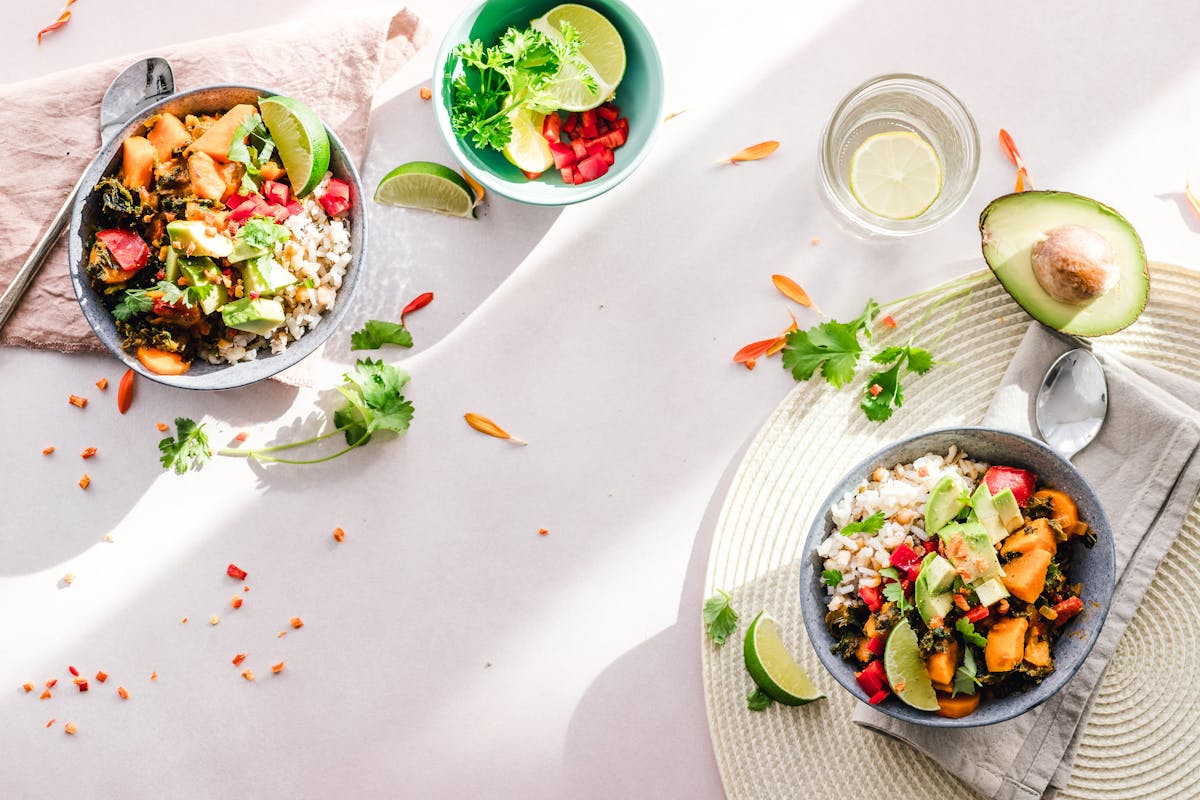
This colorful Mediterranean‑plus longevity bowl layers nutty farro, garlicky roasted chickpeas, and a rainbow of vegetables with a bright lemon‑herb yogurt sauce and buttery extra‑virgin olive oil. It’s protein‑rich, high in fiber, and perfect for meal prep—an everyday Blue Zone‑inspired dish you’ll actually crave.
Equipment
- Medium saucepan with lid (for farro or grain of choice)
- Large baking sheet
- Mixing bowls (2–3)
- Small whisk or fork (for sauce)
- Cutting board and sharp knife
- Measuring cups and spoons
Ingredients
For the Grain Base
- 1 cup uncooked farro (or quinoa / brown rice for gluten‑free)
- 2 ½ cups water or low‑sodium vegetable broth
- ¼ teaspoon fine sea salt
For the Roasted Chickpeas & Vegetables
- 1 can (15 oz / 400 g) chickpeas, drained, rinsed, and patted dry
- 1 medium red bell pepper, chopped into bite‑size pieces
- 1 small red onion, cut into wedges
- 1 small zucchini, sliced into half‑moons
- 2 tablespoons extra‑virgin olive oil
- 2 cloves garlic, minced
- 1 teaspoon dried oregano
- ½ teaspoon smoked or sweet paprika
- ½ teaspoon fine sea salt (or to taste)
- Freshly ground black pepper, to taste
For the Lemon‑Herb Yogurt Sauce
- 1 cup plain Greek yogurt (2% or full‑fat for creaminess)
- 2 tablespoons extra‑virgin olive oil
- 1 small garlic clove, finely grated or minced
- Zest of 1 lemon
- 2–3 tablespoons fresh lemon juice (to taste)
- 2 tablespoons finely chopped fresh parsley or dill (or a mix)
- ¼ teaspoon fine sea salt, plus more to taste
- Freshly ground black pepper, to taste
Fresh Toppings (Optional but Recommended)
- 1 cup cherry tomatoes, halved
- 1 small cucumber, diced
- ¼ cup pitted Kalamata olives, halved
- ¼ cup crumbled feta cheese (omit or use vegan feta for dairy‑free)
- Fresh herbs (parsley, mint, basil) for garnish
- Extra lemon wedges and extra‑virgin olive oil for serving
Step‑by‑Step Instructions
Cook the grain base.
Rinse the farro under cool water in a fine‑mesh sieve. In a medium saucepan, combine farro, water or broth, and ¼ teaspoon salt. Bring to a boil over medium‑high heat, then reduce to a gentle simmer, cover, and cook for 20–25 minutes, or until tender but pleasantly chewy. Drain any excess liquid if needed and set aside, covered, to keep warm.Preheat the oven & prepare a pan.
While the farro cooks, preheat your oven to 400°F (200°C). Line a large baking sheet with parchment paper for easier cleanup, if desired.Season the chickpeas and vegetables.
In a large bowl, combine the dried chickpeas, red bell pepper, red onion, and zucchini. Drizzle with 2 tablespoons olive oil, then add the minced garlic, oregano, paprika, ½ teaspoon salt, and a few grinds of black pepper. Toss well until everything is evenly coated.Roast until golden and fragrant.
Spread the chickpea‑vegetable mixture in a single layer on the prepared baking sheet. Roast for 20–25 minutes, stirring once halfway through, until the vegetables are tender and lightly charred at the edges and the chickpeas are crisp in spots and smell toasty and garlicky.
Roast chickpeas and vegetables until lightly caramelized—the edges should be golden with a sweet, savory aroma. Make the lemon‑herb yogurt sauce.
In a small bowl, whisk together the Greek yogurt, olive oil, grated garlic, lemon zest, 2 tablespoons lemon juice, chopped herbs, ¼ teaspoon salt, and black pepper. Taste and adjust with more lemon juice, salt, or herbs as you like. The sauce should taste bright, creamy, and gently garlicky.Prep the fresh toppings.
While the chickpeas finish roasting, halve the cherry tomatoes, dice the cucumber, and slice or halve the olives. Crumble the feta and chop any extra herbs you’d like for garnish.Assemble the longevity bowls.
Divide the warm farro among 4 bowls. Top each with a generous scoop of the roasted chickpeas and vegetables. Add handfuls of cherry tomatoes and cucumber, plus a few olives. Spoon a swirl of lemon‑herb yogurt sauce over each bowl and finish with a sprinkle of feta, fresh herbs, and a final drizzle of extra‑virgin olive oil.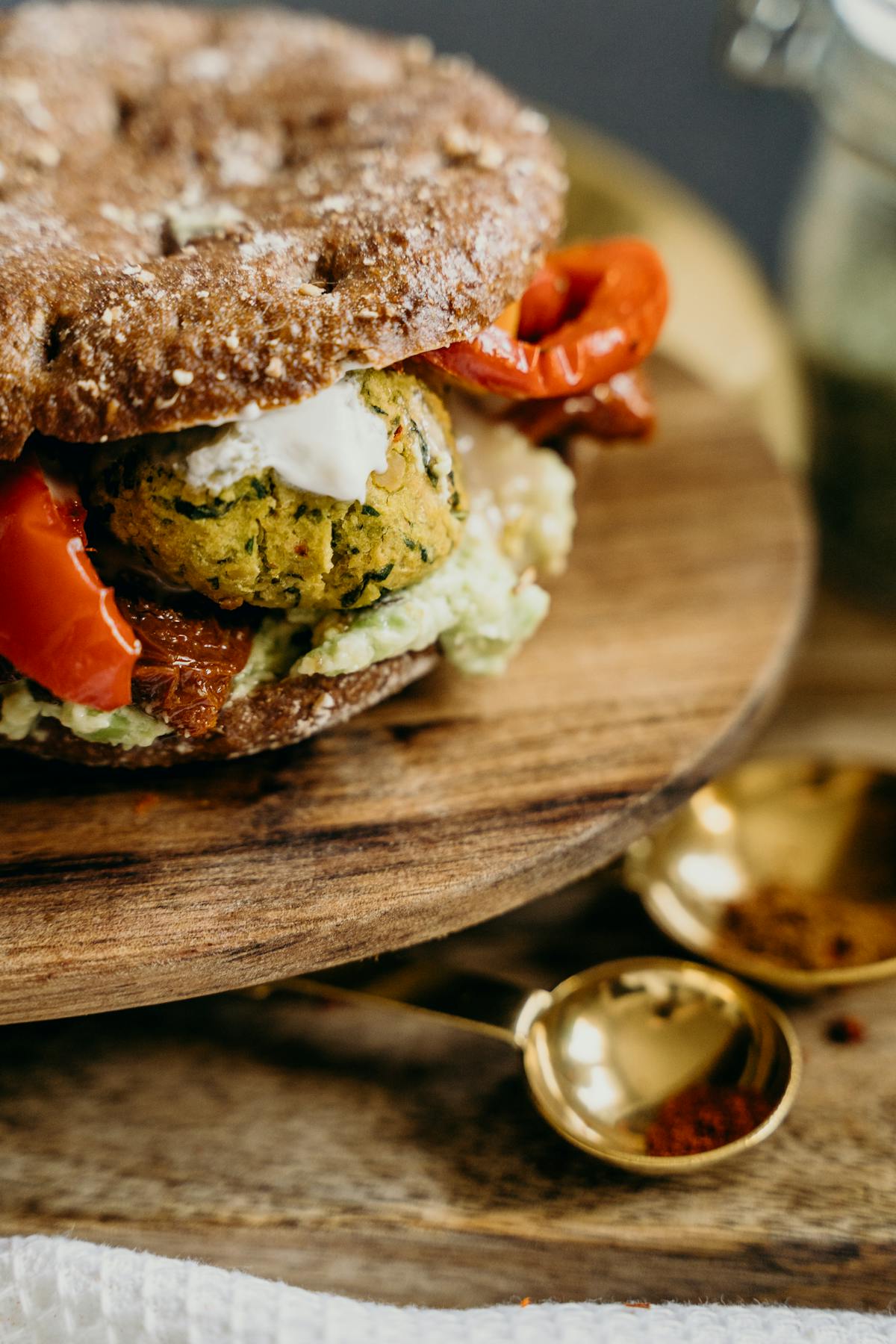
Build your bowl in layers: grain, roasted chickpeas and veg, fresh toppings, and a generous dollop of lemon‑herb yogurt. Taste & adjust before serving.
Give each bowl a quick taste. Does it need a squeeze of lemon, a pinch more salt, or an extra drizzle of olive oil for richness? Adjust to your liking and serve warm or at room temperature.
Storage & Reheating
- Refrigerator: Store the cooked farro, roasted chickpeas/vegetables, and sauce in separate airtight containers for 3–4 days. Fresh toppings are best enjoyed within 2–3 days.
- Freezer: The cooked grain and roasted chickpeas/vegetables freeze well for up to 2 months. Thaw overnight in the fridge. Do not freeze the yogurt sauce; make it fresh for best texture.
- Reheating: Warm the farro and roasted components together in a skillet over medium heat with a splash of water or broth, or microwave in short bursts, stirring once or twice. Add fresh toppings and yogurt sauce after reheating.
Serving Ideas & Complementary Dishes
This Mediterranean‑plus longevity bowl is a complete meal on its own, but you can easily turn it into a feast:
- Serve with soup: Pair with a simple lentil or minestrone soup for a cozy Blue Zone‑style dinner.
- Add a simple salad: A side salad of bitter greens, olive oil, and lemon juice keeps everything light and refreshing.
- Include whole‑grain bread: Slices of sourdough or whole‑grain bread brushed with olive oil echo the rustic breads found in many Mediterranean regions.
- Make it a snack table: Serve smaller bowls alongside hummus, olives, nuts, and cut vegetables for a casual, social grazing spread.
Bringing Mediterranean‑Plus & Blue Zone Patterns Into Everyday Life
The most powerful part of these longevity patterns is how ordinary they are. Long‑lived communities don’t eat perfectly—they eat simply and consistently, anchored in plants, healthy fats, and unhurried meals.
To bring this into your own kitchen:
- Start with one meal: Add a Mediterranean‑style longevity bowl to your week rather than overhauling everything at once.
- Stock your “longevity pantry”: Keep beans, lentils, whole grains, olive oil, nuts, and frozen vegetables on hand for quick, nourishing cooking.
- Cook a big pot of legumes weekly: Turn them into soups, salads, dips, and bowls across several days.
- Eat with others when possible: Make at least one meal a slow, shared ritual, even if it’s over video with a friend.
With a few core ingredients and a little curiosity, you can create your own Mediterranean‑plus rhythm—one that feels generous, colorful, and deeply supportive of long‑term health, without the drama of diet culture.
