
Gut Health 2.0: A Flavor‑Packed Guide to Fermented Foods, Fiber Diversity, and Microbiome‑Friendly Cooking
Gut Health 2.0: Fermented Foods, Fiber Diversity & Microbiome‑Friendly Cooking
Discover how to turn the latest gut health science into colorful, crave‑worthy meals at home.
Gut health has moved far beyond generic probiotic pills and into the kitchen. This fresh “Gut Health 2.0” era is all about fermented foods, fiber diversity, and building a microbiome‑friendly way of eating that actually tastes incredible. Think tangy kimchi tucked into grain bowls, silky yogurt swirled with fruit and seeds, slow‑fermented sourdough, and dinners built around colorful plants instead of a single “magic” super‑food.
As research explodes—and podcasts, books, and social feeds buzz with microbiome talk—home cooks are realizing that what nourishes our gut can also be deeply comforting and joyful. In this guide, we’ll explore the key ideas behind Gut Health 2.0 and walk through a detailed, microbiome‑friendly recipe that layers fermented foods with diverse plant fibers in one satisfying bowl.

What Is “Gut Health 2.0”?
Gut Health 2.0 is the natural next step from the early probiotic craze. Rather than relying on capsules alone, people are turning to whole foods that:
- Feed a wide range of gut microbes with diverse fibers.
- Deliver live, fermented foods like yogurt, kimchi, kefir, and sauerkraut.
- Provide prebiotics and resistant starch from foods such as oats, beans, onions, and cooled grains.
- Keep ultra‑processed foods and excess alcohol in check.
This shift is powered by mainstream microbiome science—research now links gut health not only to digestion, but also to immunity, metabolic health, mood, and even skin. And because many recommendations are wonderfully simple (like “30 different plants per week” or “1–2 fermented foods per day”), they translate beautifully into everyday cooking.
Gut Health 2.0 isn’t a strict diet—it’s a flexible pattern of eating that celebrates minimally processed plants, thoughtful fermentation, and foods you genuinely love.
Core Nutrition Themes: Fermentation, Fiber & Resistant Starch
1. Fermented foods as everyday “super‑foods”
Fermented foods naturally contain live bacteria and flavor compounds that make them exciting to cook with. Some of the most microbiome‑friendly options include:
- Yogurt & kefir – creamy, tangy, perfect for smoothies, dips, and breakfast bowls.
- Kimchi & sauerkraut – spicy or sour crunch to tuck into rice bowls, tacos, sandwiches, and salads.
- Miso & tempeh – umami‑rich fermented soy foods ideal for soups, dressings, stir‑fries, and grills.
- Kombucha – effervescent tea with a gentle tang; lovely alongside meals.
- Sourdough bread – slowly fermented dough that many find easier to digest.
2. Fiber diversity over single super‑foods
Instead of chasing one hero ingredient, Gut Health 2.0 spotlights variety. Different microbes like different fibers, so combining vegetables, fruits, whole grains, legumes, nuts, seeds, herbs, and spices is key.
A practical goal many clinicians and dietitians now use is:
Aim for 30 different plant foods per week.
3. Prebiotics and resistant starch
Prebiotic fibers and resistant starch act like a buffet for beneficial microbes. You’ll find them in:
- Alliums – onions, garlic, leeks, and spring onions.
- Veggies – asparagus, Jerusalem artichokes, chicory root.
- Fruits – especially slightly green bananas.
- Grains & legumes – oats, beans, lentils, and chickpeas.
- Cooled starches – cooked then cooled potatoes, rice, and pasta, rich in resistant starch.
Gut Comfort, Bloating & Common Issues
Many people turn to gut‑supportive eating to ease bloating, IBS, constipation, or reflux. The key is to approach changes gently and listen to your body.
- Increase fiber slowly over 1–3 weeks, especially if you currently eat little fiber.
- Hydrate well—fiber works best when there’s enough fluid to keep things moving.
- Moderate ultra‑processed foods and excess alcohol, which can disturb gut balance.
- Notice personal triggers (such as spicy foods, onion/garlic, or large late‑night meals).
- Seek professional help for persistent symptoms—dietitians and gastroenterologists can tailor advice.
Microbiome‑Friendly Kimchi Brown Rice Power Bowl
This warm, satisfying bowl layers nutty brown rice, crisp‑tender vegetables, creamy avocado, and a punchy kimchi‑yogurt drizzle. It’s built to showcase fermented foods, fiber diversity, and prebiotics in a single, weeknight‑friendly meal.
Prep time:
Cook time:
Total time:
Servings: 4 bowls
Difficulty: Easy–Moderate
Dietary: Gut‑friendly, high‑fiber, can be made vegetarian or vegan
Ingredients
For the base
- 1 ½ cups (300 g) brown rice, rinsed
- 3 cups (720 ml) water or low‑sodium vegetable broth
- 1 tablespoon extra‑virgin olive oil or avocado oil
- ½ teaspoon fine sea salt (or to taste)
For the vegetables & protein
- 1 tablespoon olive or avocado oil, plus more as needed
- 1 small red onion, thinly sliced (prebiotic)
- 2 cloves garlic, minced (prebiotic)
- 1 medium carrot, cut into matchsticks
- 1 cup (about 150 g) broccoli florets, small bite‑sized pieces
- 1 cup (about 120 g) red cabbage, thinly sliced
- 1 cup (160 g) cooked chickpeas or other beans, rinsed and drained
- 4 eggs, soft‑boiled or fried (omit or swap for tofu for vegan)
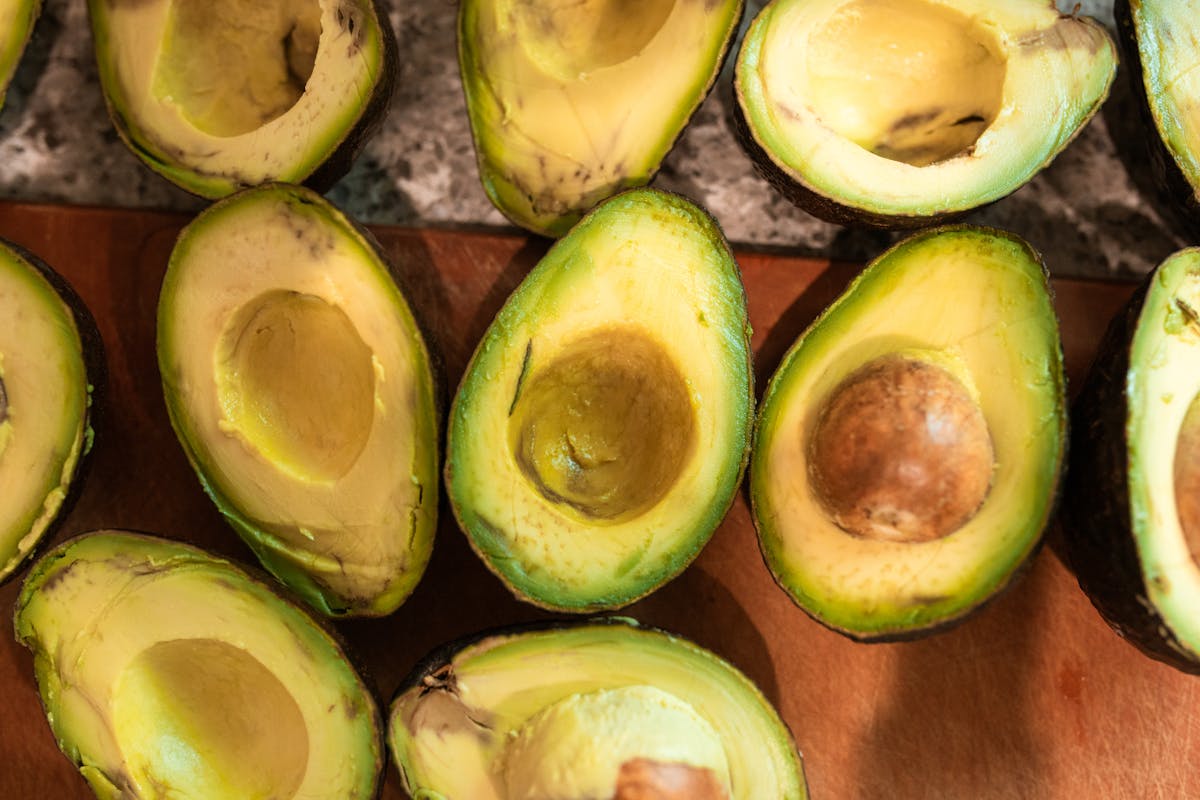
- 1 small avocado, sliced
- 2–3 tablespoons toasted sesame seeds or chopped nuts
- 2 spring onions, thinly sliced (prebiotic)
For the kimchi & fermented toppings
- 1–1 ½ cups (about 200–250 g) kimchi, roughly chopped
- ½ cup (120 g) plain yogurt or dairy‑free yogurt with live cultures
- 1 teaspoon toasted sesame oil
- 1–2 teaspoons tamari or low‑sodium soy sauce, to taste
- 1–2 teaspoons rice vinegar or apple cider vinegar
- 1–2 teaspoons gochujang or chili paste (optional, for heat)
Optional garnishes
- Fresh cilantro, basil, or parsley, roughly chopped
- Extra kimchi juice for drizzling
- Sprinkle of nori flakes or furikake
- Lime or lemon wedges
Equipment
- Medium saucepan with lid (for the rice)
- Large skillet or wok
- Cutting board and sharp knife
- Mixing bowl for the kimchi‑yogurt sauce
- Small pot (for boiling eggs, if using)
- Measuring cups and spoons
Step‑by‑Step Instructions
- Cook the brown rice.
Add the rinsed brown rice, water or broth, oil, and salt to a saucepan. Bring to a boil, then reduce the heat to low, cover, and simmer for 30–35 minutes until tender and the liquid is absorbed. Remove from heat and let stand, covered, for 5–10 minutes. Fluff with a fork. - Prepare the kimchi‑yogurt sauce.
In a small bowl, whisk together the yogurt, sesame oil, tamari or soy sauce, vinegar, and gochujang (if using). Thin with a splash of water if needed so it’s drizzleable. Taste and adjust salt, tang, and heat. - Sauté the aromatics.
Heat 1 tablespoon oil in a large skillet over medium heat. Add the sliced red onion and cook 3–4 minutes until it softens and turns translucent. Stir in the garlic and cook 30–60 seconds, just until fragrant. - Cook the vegetables.
Add the carrot matchsticks and broccoli florets. Cook, stirring frequently, for 4–6 minutes until crisp‑tender; you want them bright and slightly snappy, not mushy. Add the sliced red cabbage and cook 2–3 minutes more, just until it softens slightly but keeps its color. - Add the chickpeas.
Stir in the cooked chickpeas and a splash of tamari or soy sauce. Cook 2–3 minutes until warmed through and lightly coated in the pan juices. Turn off the heat and set aside. - Cook the eggs (if using).
While the vegetables cook, soft‑boil or fry your eggs to your liking. For jammy soft‑boiled eggs, simmer for about 7 minutes, then cool slightly in cold water, peel, and halve. - Warm—but don’t overcook—the kimchi.
You can serve the kimchi straight from the jar for maximum live cultures, or briefly warm it. If warming, add the chopped kimchi to the warm skillet for 30–60 seconds just to take the chill off, then remove from heat; avoid boiling it. - Assemble the bowls.
Divide the warm brown rice among 4 bowls. Top each with a generous scoop of the vegetable–chickpea mixture, a handful of chopped kimchi, and slices of avocado. Add an egg to each bowl (if using). - Finish with toppings & serve.
Drizzle each bowl with the kimchi‑yogurt sauce. Sprinkle with toasted sesame seeds or nuts and spring onions. Add any fresh herbs, a squeeze of lime or lemon, and extra kimchi juice if you like things extra tangy. Serve warm.


Why This Bowl Is Microbiome‑Friendly
- Fermented foods: Kimchi and yogurt deliver live cultures and complex, tangy flavors.
- Fiber diversity: Brown rice, chickpeas, onion, garlic, carrot, broccoli, cabbage, avocado, and herbs together count toward your 30‑plants‑per‑week goal.
- Prebiotics: Onions, garlic, and spring onions help feed beneficial microbes.
- Resistant starch: Brown rice provides starch; if you cook it ahead and cool it, the resistant starch content increases even more.
- Balanced macros: Protein from eggs and chickpeas, healthy fats from avocado and olive oil, and complex carbs from rice keep you satisfied.
Ingredient Substitutions & Dietary Adaptations
- Gluten‑free: This bowl is naturally gluten‑free if you use tamari instead of soy sauce and confirm your kimchi is gluten‑free.
- Vegan: Omit the eggs and dairy yogurt. Use a thick, unsweetened plant‑based yogurt with live cultures, and add crispy tofu or tempeh for extra protein.
- Low‑spice: Choose a mild kimchi, skip the gochujang, and rely on sesame oil and herbs for flavor.
- Low‑FODMAP (for sensitive guts): You may need to limit onion, garlic, and some legumes. Consider using garlic‑infused oil, smaller portions of chickpeas, and a gentler fermented vegetable like certain low‑FODMAP sauerkrauts under professional guidance.
- Different grains: Swap brown rice for quinoa, buckwheat, barley, or a mix of cooked and cooled grains for more resistant starch.
Storage & Reheating
- Refrigeration: Store rice, vegetable–chickpea mixture, kimchi, and sauce separately in airtight containers in the fridge for up to 3–4 days.
- Reheating: Gently reheat the rice and vegetables in a skillet with a splash of water or broth, or in the microwave. Keep kimchi and yogurt sauce cold and add them after reheating to preserve more live cultures.
- Make‑ahead: Cook a big batch of brown rice and vegetables on the weekend. Assemble fresh bowls in minutes by adding kimchi, avocado, herbs, and sauce right before serving.
Serving Ideas & Complementary Dishes
Turn this kimchi brown rice bowl into the centerpiece of a full “Gut Health 2.0” meal with:
- A side of mixed leafy greens tossed with olive oil, lemon juice, and toasted seeds for extra fiber.
- A small glass of kombucha or water infused with citrus slices and herbs.
- Fruit & kefir dessert: sliced berries or a slightly green banana with a splash of kefir and a sprinkle of nuts.
- A slice of whole‑grain or sourdough bread topped with miso‑avocado spread if you’re feeding a crowd.
Building a Microbiome‑Friendly Kitchen Routine
The most powerful part of Gut Health 2.0 is how repeatable it is. Instead of chasing quick fixes or extreme “detox” cleanses, you’re creating a kitchen rhythm that quietly supports your gut day after day.
- Keep 1–2 fermented foods in your fridge at all times—yogurt, kimchi, sauerkraut, or miso paste.
- Plan meals around colorful plants and use animal protein or plant proteins as satisfying accents.
- Batch‑cook whole grains and beans to mix into bowls, salads, soups, and stir‑fries.
- Track how many different plant foods you eat in a week; turn it into a personal challenge.
- Notice how your body feels—comfortable digestion, steady energy, and fewer crashes are good feedback signals.
