
Jesy Nelson’s Brave Reveal: How a Rare Diagnosis Is Reshaping Pop Celebrity Motherhood
Former Little Mix star Jesy Nelson has revealed that her newborn twin baby daughters have a rare genetic condition which doctors say means they will probably never walk. What might have been yet another glossy celebrity baby announcement has instead become a raw, very public moment about disability, motherhood and the pressures of pop culture’s highlight‑reel mentality.
Nelson’s disclosure, reported by the BBC on 5 January 2026, immediately pushed her back into the centre of the entertainment news cycle—not for a comeback single, but for a deeply personal family reality. For fans who grew up with Little Mix as a soundtrack to their teens, the story lands at the intersection of nostalgia, celebrity scrutiny and a growing conversation about how we talk about rare diseases and disabled children in mainstream media.
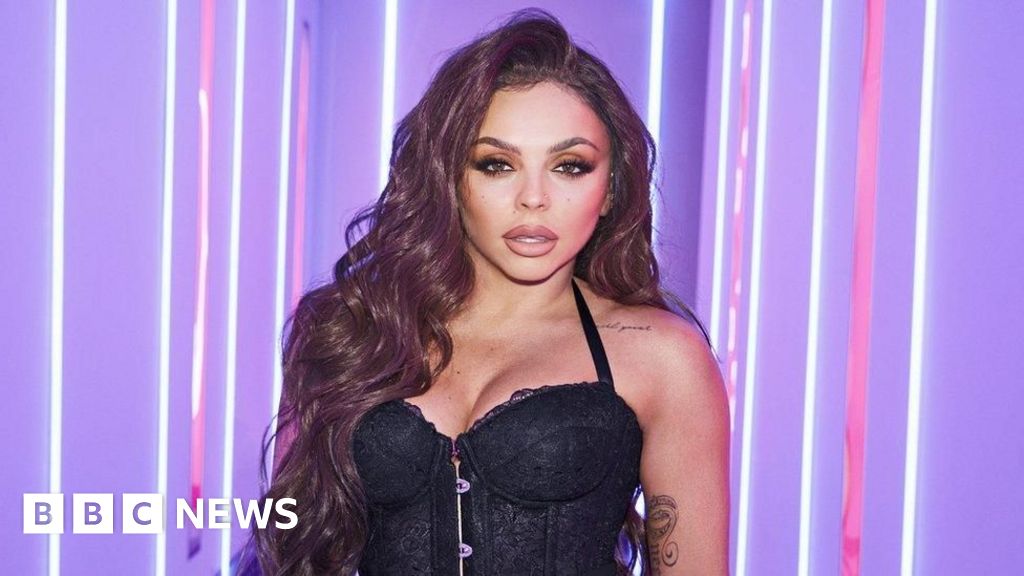
Nelson, who left Little Mix in 2020 citing mental health struggles and later pursued a solo career, has always lived in a particularly intense corner of British pop fame. Her decision to speak openly about her daughters’ diagnosis extends that history of public vulnerability—only now the stakes are far beyond chart positions or online criticism.
From X Factor Phenomenon to Motherhood in the Spotlight
To understand why this story has resonated so widely, it helps to remember who Jesy Nelson is within UK pop history. Little Mix, formed on The X Factor in 2011, became one of Britain’s most successful girl groups, with hits like “Shout Out to My Ex,” “Black Magic” and “Touch” carving out a space in a post‑Spice Girls landscape.
- First group to win the UK version of The X Factor.
- Known for body‑positive and empowerment anthems aimed at young women.
- Built a massive global fandom via social media and relentless touring.
Nelson’s time in the band was defined as much by music as by her open struggles with online bullying and body image. Her 2019 BBC documentary Jesy Nelson: Odd One Out explored the psychological impact of trolling, shifting her public image from pop archetype to someone willing to interrogate the darker side of fame.
A Rare Diagnosis: What Jesy Nelson Revealed About Her Twin Daughters
In her recent comments, Nelson explained that her twin baby daughters had been diagnosed with a rare genetic condition shortly after birth. According to her account, doctors have warned the family that the condition will likely mean the girls will never walk, and that their development may be significantly impacted in other ways.
At the time of the BBC report, Nelson had not disclosed the exact name of the condition in detail, a choice that underlines how public this story already is, even with some information held back for privacy. What she has shared, though, is the emotional impact:
“This isn’t the journey I imagined for my girls, but it’s our journey. They’re perfect to me exactly as they are, and I’ll do whatever it takes to give them the happiest life possible.”
While this quote is emblematic of how many parents of disabled children feel, hearing it from a mainstream pop star can shift the cultural script. Instead of the polished, brand‑friendly baby reveal, Nelson is talking about mobility aids, long‑term care and the uncertainty of medical prognoses.

Disability, Rare Disease and Pop Celebrity: Why This Matters
Celebrity culture has a long, uncomfortable history with disability narratives—oscillating between “heroic inspiration” and silence. Nelson’s story arrives in a media landscape that’s only just beginning to learn how to talk about disabled children without falling into pity or sensationalism.
In the past decade, we’ve seen:
- Increased visibility of disabled artists and activists on platforms like Instagram and TikTok.
- More nuanced portrayals of disability in TV shows and films—though still far from parity.
- Parents of disabled children using social media to connect, advocate and share medical information.
Nelson’s platform, built from years at the centre of UK pop, now intersects with these movements. The risk is that outlets reduce her daughters’ lives to headlines about what they “can’t” do. The opportunity is that her fame can normalise conversations about mobility, accessibility and rare genetic testing in a way that reaches beyond specialist communities.
How Fans and Media Are Responding to Jesy Nelson’s News
Online reaction from Little Mix fans—many of whom are now in their mid‑20s and 30s—has been overwhelmingly supportive. For a generation that grew up watching Nelson fight through body‑shaming, her becoming a parent to disabled children feels tragically consistent with the theme that she never gets the “easy” version of the pop‑star life.
Entertainment outlets, meanwhile, face a familiar ethical tightrope: how to cover a major celebrity story without exploiting the vulnerability of children who cannot consent to being in the public eye.
- Avoiding voyeurism: Responsible coverage quotes Nelson’s own words and medical framing without speculating on intimate details.
- Language matters: Terms like “confined to a wheelchair” are increasingly rejected in favour of “wheelchair user” or “uses mobility aids.”
- Centering the family’s framing: Nelson’s emphasis on her daughters’ happiness and personhood should remain central, not just their diagnosis.
A leading UK disability advocate noted that when high‑profile parents talk about disabled children without dehumanising them, it “moves the needle far more than any government press release.”
What This Could Mean for Jesy Nelson’s Career and the Music Industry
Beyond the human story, there are practical questions about how this will affect Nelson’s music career. Touring is physically and emotionally demanding even in straightforward circumstances; parenting twins with complex medical needs adds a layer that most tour contracts were not designed to accommodate.
Historically, pop culture has not been kind to women who step away from the machine for caregiving:
- Female artists are often penalised for long breaks, while male artists can more easily “disappear” and return without explanation.
- Motherhood itself has sometimes been treated as a branding obstacle unless packaged as aspirational content.
- Disability and chronic illness care are rarely discussed in artist management strategies.
Nelson’s situation raises the possibility—however tentative—of a more flexible, humane approach to artist schedules. Remote recording, shorter tour legs and explicit clauses about family and medical care may become less taboo to discuss in contract negotiations, particularly for artists who have watched the public’s largely empathetic reaction to Nelson.

Mental Health, Grief and Hope: Jesy Nelson’s Ongoing Story
Nelson has long been candid about anxiety, depression and suicidal thoughts during her time in Little Mix. That history matters here, because parents faced with life‑changing medical news often talk about going through a kind of living grief—mourning the future they imagined for their child while learning to embrace the child they actually have.
In disability communities, there’s a growing push to distinguish between:
- Grieving social barriers (lack of access, prejudice, underfunded services).
- Grieving unrealistic expectations (the idealised “perfect baby” narrative).
- Celebrating the child as a whole person whose life is not defined solely by diagnostic labels.
Nelson appears to be navigating all three at once. Her willingness to go public suggests both a desire for honesty and a determination not to let tabloid speculation narrate her family’s life for her.

Connecting Jesy Nelson’s Story to Wider Pop‑Culture Narratives
Nelson’s reveal doesn’t exist in a vacuum. It echoes and contrasts with other moments when music or screen stars have opened up about family health, rare conditions or disability—though each case comes with its own cultural baggage.
These works, along with disability‑led podcasts and TikTok creators, have slowly shifted mainstream storytelling away from “tragedy” framing. Nelson’s situation adds another high‑profile reference point: a global pop figure whose narrative is now intertwined with rare disease and long‑term care.

The Upside and the Unease: A Critical Look at the Coverage
There’s a genuine strength in how Nelson has handled this so far. She has chosen to speak in her own words, setting boundaries around what she will and won’t share. That level of control, especially for a woman who once felt powerless under the gaze of millions, is significant.
At the same time, there are uncomfortable questions:
- How much of her daughters’ medical information should become part of the public record?
- Will the media continue to respect lines between curiosity and intrusion as the twins grow up?
- Can disability be normalised in celebrity culture without turning children into symbols or lessons for others?
Early coverage, particularly from the BBC, has been measured and relatively sensitive—avoiding lurid framing and focusing on Nelson’s perspective. But the real test will be longevity: whether future stories keep centring respect over spectacle.
Beyond the Headline: What Jesy Nelson’s Story Could Change
Jesy Nelson’s revelation about her twin daughters’ rare genetic condition is not just an emotional celebrity story—it’s a cultural inflection point. It forces questions about how we talk about disability, how the music industry supports (or fails) artist‑parents, and what happens when the pop fairy tale collides with long‑term care realities.
In an era where audiences are increasingly suspicious of overly curated celebrity narratives, there is something disarmingly real about Nelson’s honesty. Her daughters will grow up in a world that already knows something about their bodies, and that fact carries both risk and potential. If handled with the same care she’s shown so far, their visibility could quietly expand what mainstream audiences consider “normal” childhood.
For now, the most meaningful response may be the simplest one: listen to how disabled people and parents of disabled children frame their experiences, and let that guide how we talk about Jesy Nelson’s family from this point on. The charts will move on; the conversation this story opens up doesn’t have to.
Where to Learn More About Jesy Nelson and Rare Conditions
For readers who want to go beyond the headline and understand the broader context, here are some reputable starting points:
- BBC News – Entertainment & Arts
- Jesy Nelson on IMDb
- NHS – Information on Rare Diseases (UK)
- Rare Disease UK – Advocacy and Resources
These sources can’t tell Jesy Nelson’s personal story—that’s hers alone—but they can help decode the medical and social context in which her daughters will grow up.
