
High‑Protein, High‑Fiber ‘Muscle‑Preserving’ Diets: How to Eat for Strength, Satiety, and Metabolic Health
High‑Protein, High‑Fiber “Muscle‑Preserving” Diets: What’s Behind the Buzz?
All over social media and in clinic waiting rooms, you’ll hear the same question: how can we lose fat without sacrificing precious muscle? That’s where high‑protein, high‑fiber “muscle‑preserving” diets come in. Instead of obsessing over calories alone, this way of eating focuses on feeling full, supporting lean mass, and nourishing your gut so that your metabolism works with you, not against you—especially during weight loss or when using GLP‑1 medications.
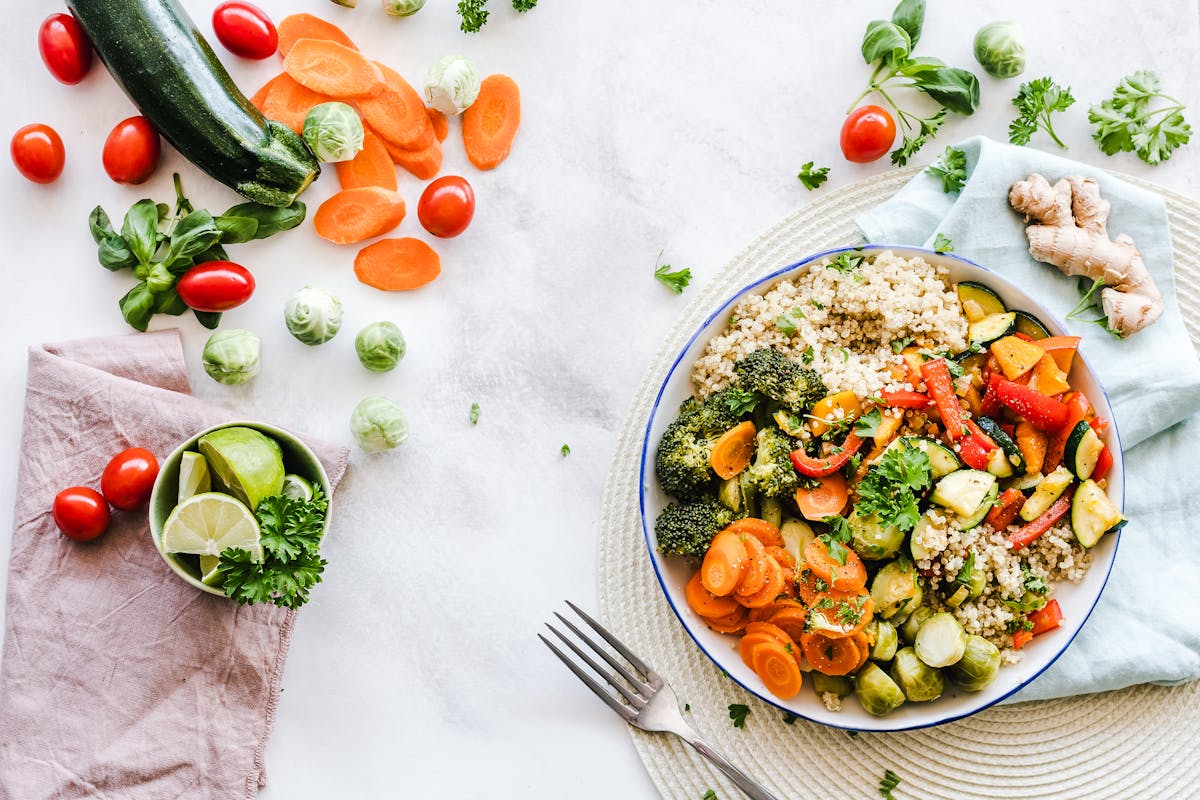
Think creamy Greek yogurt bowls crowned with juicy berries and chia seeds, colorful grain‑and‑bean lunches, and dinners piled high with vegetables, lentils, and tender salmon or tofu. These meals aren’t just trendy; they’re rooted in emerging research on satiety, muscle health, and the gut–metabolism connection.
Why High‑Protein, High‑Fiber Diets Are Trending Now
Over the last few years—accelerating into 2025 and 2026—nutrition conversations have shifted from “weight loss at any cost” to long‑term health and body composition. Several forces are driving the surge in high‑protein, high‑fiber “muscle‑centric” eating:
- Widespread weight‑loss attempts, often after pandemic‑related lifestyle changes.
- Rising GLP‑1 medication use (like semaglutide and tirzepatide), which can reduce appetite—and sometimes protein intake—if people aren’t intentional.
- Growing awareness of sarcopenia (age‑related muscle loss) and the idea of muscle as a “metabolic organ.”
- Gut health hype fueling interest in fermentable fibers, prebiotics, and overall digestive well‑being.
On TikTok, YouTube, and Instagram, creators now post “high‑protein, high‑fiber full day of eating” videos, share grocery hauls overflowing with Greek yogurt, eggs, tofu, lentils, and high‑fiber wraps, and spotlight meals that are every bit as satisfying as they are strategic.
The new goal isn’t just to make the scale go down—it’s to keep (or gain) strength, protect metabolic health, and feel genuinely full and nourished while you do it.
The Science: How Protein and Fiber Work Together
Protein and fiber are like a tag‑team for appetite control, muscle preservation, and metabolic health. They work through different mechanisms, but their effects overlap in a beautifully complementary way.
1. Satiety and Appetite Control
Protein tends to be the most satiating macronutrient. It slows gastric emptying and influences hormones like peptide YY and GLP‑1 that tell your brain you’re full. Fiber—especially soluble and fermentable fibers from foods like oats, beans, lentils, and many fruits—absorbs water, thickens into a gel, and stretches the stomach, which also enhances fullness.
- Protein = helps you feel full, maintain muscle, and reduce cravings.
- Fiber = adds volume and slows digestion, smoothing blood sugar and taming hunger.
2. Muscle Preservation and Body Composition
When you’re in a calorie deficit—whether from diet changes or GLP‑1‑induced appetite loss—your body is more likely to break down muscle unless protein and resistance training are in place. Many fitness‑oriented clinicians and dietitians now recommend around 1.6–2.2 g of protein per kilogram of body weight per day for active individuals aiming to preserve or build lean mass.
Pair that protein with strength training and adequate energy, and you give your muscles a powerful “stay” signal: they’re less likely to be sacrificed during weight loss.
3. Fiber as a Metabolic Ally
Fiber used to be marketed mainly as a “roughage” for regularity. Now, fermentable fibers are being reframed as fuel for your gut microbes. When those microbes feast on fiber, they produce short‑chain fatty acids (SCFAs) like butyrate, acetate, and propionate. These compounds are being studied for their roles in:
- Improving blood sugar control and insulin sensitivity.
- Lowering LDL (“bad”) cholesterol.
- Supporting immune function and gut barrier integrity.
- Potentially influencing appetite and inflammation.

What a High‑Protein, High‑Fiber “Muscle‑Preserving” Day of Eating Looks Like
Creators online love sharing “full day of eating” videos built around high‑protein, high‑fiber choices. Here’s how a typical day might look, with textures, aromas, and flavors that keep you coming back for more.
Breakfast: Creamy, Crunchy, and Satisfying
- Greek yogurt bowl with mixed berries, chia seeds, and a sprinkle of high‑fiber cereal or oats.
- Egg or tofu scramble loaded with spinach, peppers, onions, and a slice of high‑fiber toast or a whole‑grain wrap.
Imagine thick, tangy yogurt hugging sweet bursts of blueberries and strawberries, with tiny chia seeds adding a pleasant pop and gentle crunch. It’s cold, creamy, colorful—and surprisingly filling.
Lunch: Colorful Grain Bowls and Hearty Salads
- Quinoa or farro bowl with black beans or lentils, roasted vegetables, and grilled chicken, salmon, or tofu.
- Big salad with leafy greens, chickpeas, edamame, crunchy vegetables, seeds, and a hard‑boiled egg or tempeh.
Here, every bite has contrast: warm, fluffy grains against cool, crisp cucumbers; tender beans and juicy protein against a tangy vinaigrette; fragrant herbs tying it all together.
Dinner: Lean Protein + Plants, in Generous Portions
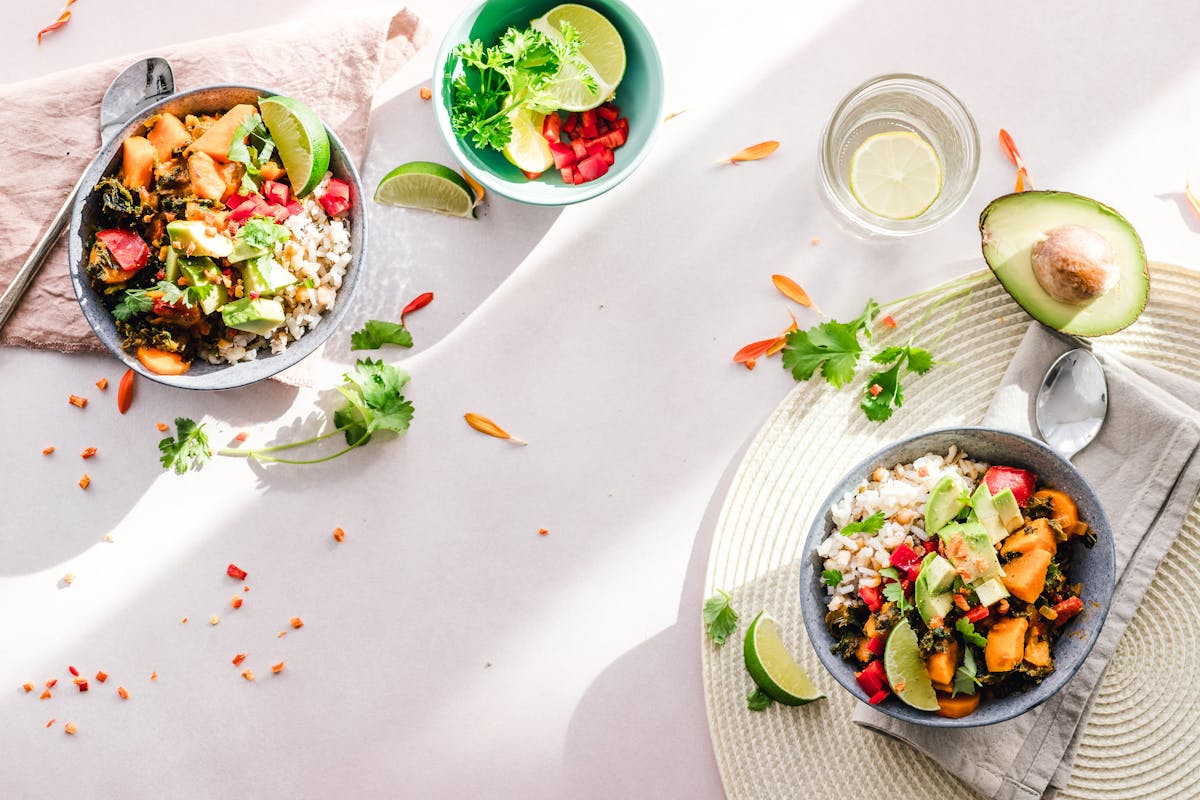
- Baked salmon with a huge bed of roasted Brussels sprouts and carrots, plus lentils or a whole‑grain pilaf.
- Stir‑fried tofu or tempeh with mixed vegetables over brown rice or barley.
- Chicken or bean chili loaded with tomatoes, peppers, and beans, served with a side of whole‑grain cornbread.
Think sizzling pans, caramelized edges on roasted veggies, the fragrant steam of garlic and herbs rising as you plate. You’ll see more plants and legumes than you might be used to—but also a solid core of satisfying protein.
Snacks: Protein‑Packed, Fiber‑Boosted
- Lightly salted edamame (in the pod or shelled).
- Roasted chickpeas with spices like smoked paprika or cumin.
- Protein smoothie with Greek yogurt or protein powder plus berries, spinach, and a spoonful of flaxseed or psyllium husk.
- Cottage cheese with sliced fruit and a sprinkle of high‑fiber cereal.
These snacks crunch, cream, or sip their way into your routine—perfect between meetings or after a workout, without leaving you sluggish.
Recipe: High‑Protein, High‑Fiber Power Bowl for Muscle Preservation
To bring this way of eating to life, here’s a simple, flexible High‑Protein, High‑Fiber Power Bowl you can customize all week long. It’s perfect for meal prep, naturally high in both protein and fiber, and easy to adapt for omnivores, vegetarians, or vegans.
Quick Recipe Summary
Prep time: 20 minutes
Cook time: 25 minutes
Total time: 45 minutes
Servings: 4 bowls
Difficulty: Easy
Ingredients
Base
- 1 cup (185 g) dry quinoa, rinsed (or brown rice/farro)
- 2 cups (480 ml) low‑sodium broth or water
Vegetables & Aromatics
- 1 tablespoon olive oil
- 1 small red onion, diced
- 2 cloves garlic, minced
- 1 medium red bell pepper, chopped
- 2 medium carrots, sliced
- 2 cups (about 300 g) broccoli florets
Protein & Fiber Powerhouses
- 1 can (15 oz / 425 g) black beans, drained and rinsed
- 1 can (15 oz / 425 g) chickpeas, drained and rinsed
- 2 cups (about 300 g) cooked chicken breast, tofu, or tempeh, cubed
Seasoning & Dressing
- 1 teaspoon ground cumin
- 1 teaspoon smoked paprika
- 1/2 teaspoon dried oregano
- 3/4 teaspoon fine sea salt, plus more to taste
- Freshly ground black pepper, to taste
- 2 tablespoons lemon or lime juice
- 2 tablespoons extra‑virgin olive oil (for dressing)
Toppings
- 1/4 cup (30 g) pumpkin seeds or sunflower seeds
- 1 medium avocado, sliced (optional)
- Fresh cilantro or parsley, chopped, for garnish
Equipment Needed
- Medium saucepan with lid
- Large skillet or sauté pan with lid
- Cutting board and sharp knife
- Measuring cups and spoons
- Small bowl or jar for dressing
- Serving bowls or meal‑prep containers
Step‑by‑Step Instructions
Cook the quinoa.
In a medium saucepan, combine rinsed quinoa and broth (or water). Bring to a boil over medium‑high heat. Once boiling, reduce heat to low, cover, and simmer for about 15 minutes, or until the liquid is absorbed.
Turn off the heat and let it stand, covered, for 5 minutes, then fluff with a fork. The grains should be tender with a slight bite and little “tails” visible.
Sauté the aromatics and sturdy vegetables.
While the quinoa cooks, heat 1 tablespoon olive oil in a large skillet over medium heat. Add the diced onion and cook for 3–4 minutes, stirring occasionally, until softened and sweet‑smelling.
Add the garlic, bell pepper, and carrots. Cook another 3–4 minutes until the peppers brighten in color and the carrots start to soften.
Steam‑sauté the broccoli.
Add the broccoli florets to the skillet with a small splash of water (1–2 tablespoons). Cover and let the vegetables steam‑sauté for 4–5 minutes, or until the broccoli is crisp‑tender and bright green.
Add beans and protein.
Stir in the black beans, chickpeas, and your choice of protein (chicken, tofu, or tempeh). Sprinkle with cumin, smoked paprika, oregano, salt, and pepper.
Cook, stirring often, for 3–5 minutes until everything is heated through, lightly coated in spices, and smells warm and smoky.
Mix the quick dressing.
In a small bowl or jar, whisk together the lemon or lime juice, 2 tablespoons olive oil, and a pinch of salt and pepper. Taste and adjust seasoning—more citrus for brightness, more salt for intensity.
Assemble the bowls.
Divide the fluffy quinoa among 4 bowls. Top each with an equal portion of the bean‑and‑vegetable mixture.
Drizzle each bowl with dressing, then sprinkle with pumpkin seeds. Add avocado slices and fresh herbs just before serving for creamy richness and a pop of freshness.

Storage, Meal Prep, and Reheating
This power bowl is designed with real life in mind—it holds up beautifully in the fridge and reheats without turning mushy when handled thoughtfully.
- Refrigeration: Store the quinoa and bean‑vegetable mixture together in airtight containers for up to 4 days. Keep avocado and fresh herbs separate and add just before serving.
- Freezing: The grain and bean‑vegetable mix can be frozen (without avocado) for up to 2 months. Thaw overnight in the fridge before reheating.
- Microwave reheating: Add a splash of water or broth to prevent dryness, cover loosely, and heat in 45–60 second bursts, stirring in between, until hot.
- Stovetop reheating: Warm in a covered skillet over low–medium heat with a few tablespoons of water or broth, stirring occasionally.
For those using GLP‑1 medications, having a ready‑to‑heat, protein‑and‑fiber‑rich meal can be especially helpful on days when appetite is lower but you still want to protect your muscle mass and energy levels.
Serving Suggestions and Complementary Dishes
This high‑protein, high‑fiber bowl is a complete meal on its own, but you can build a full day of “muscle‑preserving” eating around it with simple additions.
- Starter: A small side salad with mixed greens, shredded cabbage, and a light vinaigrette for even more crunch and fiber.
- Side soup: A brothy lentil or vegetable soup for extra hydration and warmth in colder months.
- Snack pairing: Greek yogurt with berries, edamame, or roasted chickpeas if you need more protein and fiber across the day.
- Breakfast match: Begin the day with an egg‑and‑veggie scramble or a yogurt‑chia bowl, then enjoy this power bowl for lunch or dinner to keep your protein and fiber steady.
Navigating High‑Protein, High‑Fiber Products in Stores
Walk down any grocery aisle today and you’ll see it: high‑protein yogurts and puddings, bars, shakes, fiber‑fortified cereals, and wraps boasting “gut‑healthy” on the label. These can be convenient—but they’re not all equal.
- Check ingredients: Favor products where whole foods (like milk, oats, chickpeas) are the backbone rather than just added isolates and sweeteners.
- Watch added sugars: Many “protein” snacks are closer to candy bars with extra protein.
- Use as a backup: Let whole foods—beans, lentils, eggs, tofu, nuts, seeds, vegetables, fruits, and intact grains—do most of the heavy lifting, with packaged options as supplements, not the foundation.
Dietitians increasingly emphasize this balance: convenience products can fill gaps, but it’s your everyday, home‑cooked meals that will shape your long‑term muscle health, gut health, and overall well‑being.
Bringing It All Together: A Muscle‑Centric Way of Eating
At its heart, the high‑protein, high‑fiber “muscle‑preserving” approach is about respecting your body’s structure and future: feeding your muscles so they can carry you, and feeding your microbes so they can support you from within.
You don’t need perfection or expensive products. Start by:
- Including a source of protein and fiber at each meal.
- Favoring beans, lentils, whole grains, vegetables, and fruit over purely refined options.
- Pairing this way of eating with regular resistance training that feels safe and sustainable.
Over time, you may notice steadier energy, better appetite control, and a comforting sense that your meals are working as hard as you do. Whether you’re cooking for one or feeding a family, this is a delicious, colorful, and deeply satisfying path to long‑term strength and health.
