
The Ozempic Diet Revolution: How GLP‑1 Drugs Are Rewriting the Rules of Appetite, Weight Loss, and Eating Well
Ozempic, GLP‑1 Drugs, and the New “Ozempic Diet” Era: How to Eat Well When You’re Just Not That Hungry
GLP‑1 weight‑loss drugs like Ozempic and Wegovy are reshaping how we talk about appetite, dieting, and what a “healthy plate” looks like when food simply doesn’t call to you the way it used to. Instead of white‑knuckling through cravings, many people now face the opposite challenge: how to nourish a smaller appetite without skimping on protein, fiber, and essential nutrients.
This guide dives into the science and culture of GLP‑1 medications—why they’re so popular, what they actually do inside your body, and how to build a gentle, realistic eating pattern (sometimes called an “Ozempic diet”) that supports long‑term health, muscle preservation, and enjoyment of food. Think of it as a roadmap: less about restriction, more about making every bite count.
What Are GLP‑1 Drugs Like Ozempic and Wegovy, Really?
Ozempic and Wegovy belong to a class of medications called GLP‑1 receptor agonists. They mimic a natural hormone in your body—GLP‑1 (glucagon‑like peptide‑1)—that helps regulate blood sugar, slows stomach emptying, and signals satiety to your brain.
Originally designed for type 2 diabetes, these drugs were later approved (at different doses and brand names) for chronic weight management. Many people notice:
- Much smaller portions feel satisfying
- Cravings quiet down, especially for highly processed, sugary foods
- Snacking “out of habit” becomes less appealing
- Weight begins to drop—sometimes rapidly
On the flip side, common side effects like nausea, constipation, reflux, and early fullness can make it tricky to eat enough of the right foods. This is where a thoughtful, lightweight but nutrient‑dense way of eating becomes essential.
Many people discover that for the first time, willpower isn’t the main character in their weight‑loss story. The challenge shifts from “How do I stop eating?” to “How do I eat enough of what actually nourishes me?”
The “Ozempic Diet” Trend: Social Media, Celebrity Buzz, and Real‑Life Stories
The rise of GLP‑1 medications is as much a cultural moment as it is a medical development. Celebrity rumors, red‑carpet transformations, and influencer “What I eat on Ozempic” vlogs have turned these injections into viral talking points—with all the curiosity, excitement, and backlash you’d expect.
On TikTok and YouTube, you’ll see:
- Dramatic before‑and‑after photos and weight‑loss milestones
- Day‑in‑the‑life videos sharing small, protein‑heavy meals
- Honest accounts of side effects like nausea, constipation, and “Ozempic face” (rapid facial fat loss)
But amidst the noise, one truth keeps emerging: there is no single “Ozempic diet.” The medication changes your appetite; your job is to gently steer what you do eat toward balance and nourishment, in a way that matches your culture, preferences, and lifestyle.
Key Nutrition Priorities on Ozempic and GLP‑1 Medications
When your overall intake drops, every bite becomes more valuable. Think of your daily food as “premium real estate” that should be filled with protein, fiber, healthy fats, and micronutrients. This helps protect muscle, stabilize energy, and support long‑term health far beyond the number on the scale.
1. Protein: Your Best Friend for Muscle and Metabolism
Rapid weight loss can take muscle with it if protein and resistance training are lacking. Muscle isn’t just about strength—it helps maintain your resting metabolic rate, supports blood‑sugar control, and keeps you functional and independent as you age.
Many dietitians suggest aiming for roughly 1.2–1.6 g of protein per kilogram of goal body weight per day, spread over meals and snacks, if medically appropriate. For some people, this means deliberately “scheduling” protein even when appetite is low.
- Lean poultry, fish, eggs, Greek yogurt, cottage cheese
- Beans, lentils, tofu, tempeh, edamame for plant‑based eaters
- Protein shakes or powders as gentle “insurance” when solid food is hard to finish
2. Fiber: For Your Gut, Heart, and Satiety
GLP‑1 drugs slow digestion, which can enhance fullness—but also contribute to constipation and bloating. Fiber is your ally, though it’s best increased gradually and paired with fluids to avoid discomfort.
- Non‑starchy vegetables: broccoli, leafy greens, peppers, zucchini
- Fruits: berries, pears, apples, citrus in small portions
- Whole grains: oats, quinoa, brown rice, whole‑grain bread
- Legumes: lentils, chickpeas, black beans
3. Healthy Fats: Hormones, Satisfaction, and Flavor
You need fat for hormone production, brain health, and fat‑soluble vitamin absorption. On GLP‑1 medications, a little goes a long way, and rich, high‑fat foods can sometimes worsen nausea. Many people do best with modest portions of:
- Olive oil, avocado oil, or canola oil for cooking
- Nuts, seeds, and nut butters in small servings
- Avocado slices, olives, or fatty fish like salmon or trout
4. Micronutrient Density: Vitamins and Minerals in Every Bite
With smaller portions, you have fewer chances to get enough iron, calcium, B‑vitamins, vitamin D, magnesium, and electrolytes. Emphasize:
- Colorful vegetables and fruits
- Fortified dairy or dairy alternatives
- Lean meats, legumes, and whole grains
Your provider may also recommend a multivitamin, vitamin D, or other targeted supplements, especially if your total food volume is very low.
Ethics, Access, and the Bigger Picture of Health
The GLP‑1 boom has sparked intense debate beyond the kitchen. Critics raise important questions about how we view weight, health, and who gets access to care.
- Over‑medicalization of weight: Are we treating a complex mix of biology, stress, environment, and culture as something a single injection can “fix”?
- Access and equity: High costs and ongoing shortages mean some people with diabetes struggle to access medications that directly affect their blood‑sugar control.
- Unrealistic expectations: Without support for sleep, movement, mental health, and food skills, a medication alone is unlikely to guarantee durable, long‑term results.
Many clinicians now emphasize that GLP‑1s are powerful tools, not magic wands. They can open a window where change feels more possible—less noise from cravings, more mental space to build routines that last.
Medication can lower the volume on hunger. But nourishing yourself, moving your body, and caring for your mind are still the habits that carry you forward once the prescription ends—or the dose changes.
GLP‑1 Friendly Recipe: High‑Protein Mediterranean Bowl (Small‑Appetite Edition)
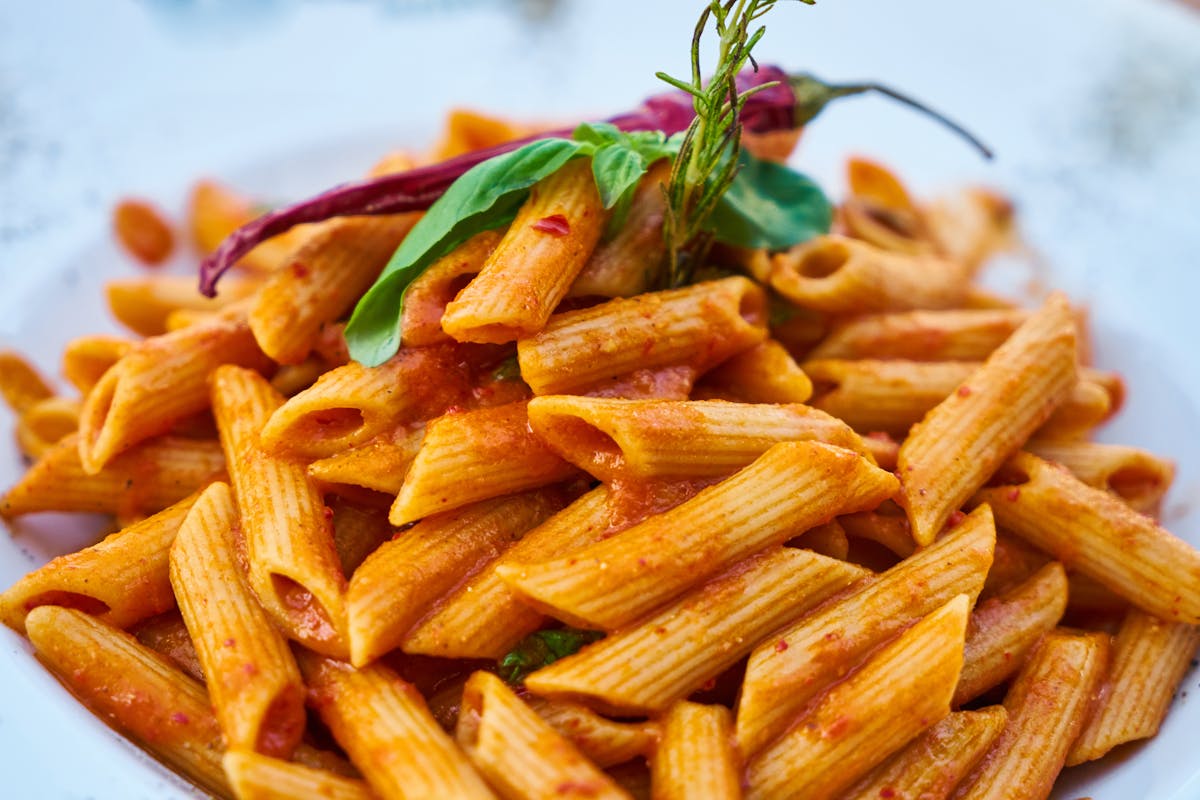
This cozy Mediterranean bowl is designed for GLP‑1 users and anyone with a smaller appetite who still wants big flavor and strong nutrition. You’ll get satisfying protein, gentle fiber, and healthy fats in a portion that won’t feel overwhelming—bright lemon, fragrant herbs, and creamy hummus make every bite earn its place.
Equipment You’ll Need
- Sharp chef’s knife and cutting board
- Small saucepan with lid (for grains)
- Nonstick skillet or grill pan
- Mixing bowl
- Measuring cups and spoons
- Two shallow serving bowls
Ingredients
For the base
- 1/2 cup (90 g) dry quinoa or brown rice, rinsed
- 1 cup (240 ml) low‑sodium vegetable or chicken broth (or water)
- 1/4 tsp fine sea salt (optional)
For the protein and vegetables
- 2 small boneless, skinless chicken breasts (about 6 oz / 170 g each) or 1 block (14 oz / 400 g) extra‑firm tofu
- 1 Tbsp olive oil, divided
- 1 tsp dried oregano
- 1/2 tsp ground cumin
- 1/2 tsp smoked or sweet paprika
- 1 small garlic clove, minced (or 1/4 tsp garlic powder)
- 1/4 tsp salt and 1/8 tsp black pepper, or to taste
- 1 cup cherry tomatoes, halved
- 1 small cucumber, diced
- 1/4 small red onion, thinly sliced (optional for sensitive stomachs)
- 2 cups loosely packed baby spinach or mixed greens
For the toppings and sauce
- 1/3 cup (80 g) hummus (store‑bought or homemade)
- 3 Tbsp plain Greek yogurt (or dairy‑free yogurt)
- Juice of 1/2 lemon, plus wedges for serving
- 1 Tbsp chopped fresh parsley or dill
- 1–2 tsp extra virgin olive oil for drizzling
- 2 Tbsp crumbled feta cheese (optional; omit for dairy‑free)

Step‑by‑Step Instructions
- Cook the grains.
In a small saucepan, combine the rinsed quinoa or brown rice with the broth (or water) and optional salt. Bring to a boil over medium‑high heat, then reduce to low, cover, and simmer until tender (about 15 minutes for quinoa, 20–25 minutes for brown rice). Remove from heat and let stand, covered, for 5 minutes. Fluff with a fork. - Marinate the protein.
While the grains cook, place the chicken (or pressed, cubed tofu) in a bowl. Add 2 tsp olive oil, oregano, cumin, paprika, garlic, salt, and pepper. Toss gently until evenly coated. Let sit for at least 10 minutes (or up to overnight in the fridge). - Cook the chicken or tofu.
Heat the remaining 1 tsp olive oil in a nonstick skillet over medium heat. Add the chicken breasts and cook 5–6 minutes per side, or until golden and cooked through (internal temperature 165°F / 74°C). For tofu, cook 3–4 minutes per side until browned and slightly crisp. Transfer to a plate and rest for 5 minutes, then slice into strips or bite‑size pieces. - Prep the veggies.
While the protein cooks, halve the cherry tomatoes, dice the cucumber, thinly slice the red onion (if using), and lightly chop the greens if they’re large. Set aside in small bowls or piles for easy assembly. - Make the lemony sauce.
In a small bowl, whisk together the hummus, Greek yogurt, lemon juice, and 1–2 Tbsp water until smooth and drizzleable. Taste and adjust with a pinch of salt or extra lemon if desired. - Assemble the bowls.
Divide the cooked grains between two shallow bowls. Add a small handful of greens to each. Arrange sliced chicken or tofu, tomatoes, cucumber, and onion over the top in small, colorful sections. Spoon the sauce over the protein and veggies, then sprinkle with chopped herbs and feta (if using). Finish with a light drizzle of olive oil and lemon wedges on the side. - Adjust portion size for your appetite.
If your appetite is very low, start with half a bowl: a few spoonfuls of grains, a palm‑sized portion of protein, and extra sauce for moisture and flavor. Eat slowly, pausing to check in with fullness—you can always save the rest for later.
Variations & Dietary Adaptations
- Gluten‑free: Use quinoa, brown rice, or certified gluten‑free grains.
- High‑fiber: Stir a handful of chickpeas or lentils into the bowl or swap half the grains for extra veggies.
- Lower‑fat: Use less olive oil and a lighter drizzle of sauce; keep a small amount of healthy fat for satisfaction.
- Milder flavor: Skip the raw onion and choose plain yogurt over tangier varieties if your stomach is sensitive.
Storage & Reheating
Store components separately in airtight containers in the refrigerator:
- Cooked grains: up to 4 days
- Cooked chicken or tofu: 3–4 days
- Chopped veggies: 2–3 days (tomatoes last a bit less once cut)
- Sauce: 3–4 days
When you’re ready to eat, gently reheat the grains and protein in the microwave or on the stovetop with a splash of water, just until warm. Add fresh greens and cold crunchy veggies right before serving so everything tastes lively and appealing.
Serving Suggestions & Pairings
To round out an Ozempic‑friendly day of eating, you could pair this bowl with:
- A small Greek yogurt with berries for breakfast
- A protein shake with a banana or oats as a snack
- Light broth‑based soup with extra beans or chicken for dinner
Think of this bowl as your protein‑and‑fiber anchor for the day—everything else can be simple, gentle, and tailored to how your stomach feels.
Why Strength Training Matters on Ozempic: Protecting Muscle and Metabolism
One of the biggest concerns emerging from early GLP‑1 research is muscle loss. When you lose weight quickly, your body can draw from both fat and lean tissue. Without enough protein and resistance training, that lean tissue loss can be significant—and that matters for your strength, mobility, and long‑term metabolism.
Many providers now encourage pairing GLP‑1 medications with:
- 2–3 sessions per week of strength training (bodyweight, bands, or weights)
- Daily walking or light cardio most days of the week
- Short, manageable sessions if energy is low—10 minutes is better than none
A Gentle, Realistic Day of Eating on Ozempic (Example)
Everyone’s needs are different—especially with medications that strongly affect appetite. But to spark ideas, here’s what a nutrient‑dense, GLP‑1‑friendly day might look like for someone with a modest appetite. Always adjust portions and timing to your own hunger, blood‑sugar goals, and medical guidance.
- Morning: 3/4 cup Greek yogurt with 1–2 Tbsp chia seeds and a small handful of berries; herbal tea or coffee as tolerated.
- Mid‑day: Half to one serving of the High‑Protein Mediterranean Bowl, eaten slowly; sparkling water or water with a squeeze of lemon.
- Afternoon snack (if needed): A small protein shake or a hard‑boiled egg with a few whole‑grain crackers.
- Evening: Light vegetable and bean soup, or a small portion of baked fish with steamed vegetables and a spoonful of olive‑oil mashed potatoes.
The goal isn’t perfection—it’s a pattern where you consistently show up for your body with protein, plants, and enough energy to support your life, even while your appetite is dialed down.
The Future of the “Ozempic Diet”: Beyond the Hype, Back to the Plate
GLP‑1 medications like Ozempic and Wegovy have changed the conversation around weight loss, appetite, and what it means to “try harder.” As research grows through 2026 and beyond, we’re learning that these drugs can be powerful allies—but they work best when paired with the timeless basics: nourishing food, movement, sleep, and stress care.
Whether you’re just starting on a GLP‑1, considering it, or supporting someone who uses it, remember this: you deserve meals that feel good in your body and taste good on your tongue. Smaller portions don’t have to mean smaller joy. With a bit of planning and plenty of self‑kindness, you can build an “Ozempic diet” that’s less about restriction and more about respect—for your health, your history, and your hunger cues.
If you can, connect with a registered dietitian familiar with GLP‑1 medications. Think of them as your co‑pilot in designing a way of eating that fits not only your prescription, but your life.
