
High-Satiety Power Bowl: A High-Protein, High-Fiber Recipe for All-Day Fullness
High-Protein, High-Fiber Satiety Bowl for Sustainable Weight Loss
High‑protein, high‑fiber “satiety diets” are everywhere right now, and for good reason: they help you feel genuinely full, preserve precious muscle, and avoid that frustrating rebound hunger that can come with crash diets. This high-protein, high-fiber satiety bowl is built on those principles—lean protein, hearty whole grains, and a rainbow of vegetables—so you get a generous, satisfying meal that supports sustainable weight loss and metabolic health.
Think of it as a GLP‑1‑inspired power bowl: lots of volume from veggies, slow-digesting fiber from beans and whole grains, and at least 30 grams of high-quality protein to keep your appetite steady for hours. It’s inspired by the modern “meal prep bowl” trend you see on social feeds, but grounded in classic, wholesome cooking: tender chicken or tofu, nutty quinoa, creamy beans, and crisp vegetables all brought together with a zesty, yogurt-based dressing.
Quick Recipe Summary
Prep time:
Cook time:
Total time:
Servings: 4 bowls
Difficulty: Easy–Intermediate
Estimated per serving (with chicken):
- Approx. 480–520 kcal
- Protein: 32–38 g
- Fiber: 12–15 g
- Healthy fats from olive oil, yogurt, and optional avocado
Why High-Protein, High-Fiber Satiety Meals Work
Satiety-focused eating has surged alongside interest in GLP‑1 medications, but the core idea is timeless: food that keeps you full helps you naturally eat less without white-knuckle willpower. This bowl follows key satiety principles:
- Protein for fullness & muscle: Chicken, tofu, beans, and Greek yogurt deliver enough protein to support muscle while you gently reduce calories.
- Fiber for slow digestion: Black beans, quinoa, and vegetables slow down digestion, steady blood sugar, and keep you satisfied.
- Volume eating: A large, colorful bowl means you’re eating a big meal by volume, while still being calorie-conscious.
- Balanced macros: You get complex carbs, lean protein, and healthy fats—no need for extreme low-carb or fat-free rules.
When I started building bowls like this for lunch, the afternoon snack attacks disappeared. I felt comfortably full, but never weighed down—and that’s the sweet spot for sustainable weight loss.
Ingredients for High-Protein, High-Fiber Satiety Bowl
These amounts make 4 generous bowls. You can easily double the recipe for meal prep.
Base: High-Fiber Whole Grain & Beans
- 1 cup (190 g) dry quinoa, rinsed
- 2 cups (480 ml) low-sodium vegetable or chicken broth (or water)
- 1 can (15 oz / 425 g) black beans, drained and rinsed (or cooked equivalent)
- 1 cup (about 150 g) frozen or fresh corn kernels (optional but adds sweetness and fiber)
Protein Options (Choose One or Mix)
- 1 lb (450 g) boneless, skinless chicken breast, cut into bite-size pieces
- OR 14 oz (400 g) extra-firm tofu, pressed and cubed (for a high-protein vegetarian/vegan option)
Vegetable Medley
- 1 large red bell pepper, diced
- 1 medium zucchini, halved lengthwise and sliced
- 1 cup (about 100 g) cherry tomatoes, halved
- 2 cups (about 80 g) baby spinach or mixed greens
- 1 small red onion, thinly sliced
Zesty High-Protein Yogurt Dressing
- 1 cup (240 g) plain Greek yogurt (2% or 0%)
- 2 tbsp extra-virgin olive oil
- 2 tbsp fresh lime or lemon juice
- 1–2 cloves garlic, finely minced or grated
- 1 tsp ground cumin
- 1 tsp smoked paprika (or regular paprika)
- 1/2 tsp salt, plus more to taste
- Freshly ground black pepper, to taste
- 2–3 tbsp water, to thin as needed
Toppings & Finishing Touches (Optional but Recommended)
- 1 medium avocado, sliced or cubed (adds creaminess and satiety fats)
- 2 tbsp toasted pumpkin seeds or sunflower seeds
- 2 tbsp fresh cilantro or parsley, chopped
- Lime wedges for serving
- Crushed red pepper flakes for a spicy kick
Equipment Needed
- Medium saucepan with lid (for quinoa)
- Large nonstick or cast-iron skillet (for protein and vegetables)
- Cutting board and sharp chef’s knife
- Mixing bowl and whisk (for dressing)
- Measuring cups and spoons
- 4 large shallow bowls for serving (or meal-prep containers)
Step-by-Step Instructions
1. Cook the High-Fiber Grain Base
Rinse the quinoa under cold water using a fine-mesh strainer until the water runs clear. This removes any bitterness.
In a medium saucepan, combine the quinoa and broth (or water). Bring to a gentle boil over medium-high heat.
Once boiling, reduce heat to low, cover, and simmer for 15 minutes, or until the liquid is absorbed and the quinoa is fluffy.
Turn off the heat and let it sit, covered, for 5 minutes. Fluff with a fork.
2. Prepare the Protein
Pat the chicken or tofu dry with paper towels. Season lightly with salt, pepper, and a pinch of smoked paprika and cumin.
Heat 1 tbsp olive oil in a large skillet over medium-high heat.
Add chicken pieces in a single layer and cook 5–7 minutes, turning occasionally, until golden and cooked through (internal temp 165°F / 74°C). For tofu, cook 8–10 minutes, turning to brown on most sides.
Transfer protein to a plate and keep warm.
3. Sauté the Vegetables
In the same skillet (no need to wash), add another teaspoon of olive oil if needed.
Add the red onion and bell pepper. Sauté 3–4 minutes, until slightly softened and fragrant.
Add the zucchini and corn. Cook another 3–4 minutes, until the vegetables are crisp-tender and slightly charred in spots.
Season with a pinch of salt, pepper, and an extra sprinkle of cumin or smoked paprika if you like.
Stir in the spinach just until wilted (about 1 minute), then remove from heat.
4. Make the High-Protein Yogurt Dressing
In a mixing bowl, whisk together Greek yogurt, olive oil, lime or lemon juice, garlic, cumin, smoked paprika, salt, and pepper.
Add water 1 tablespoon at a time until the dressing reaches a creamy, drizzleable consistency.
Taste and adjust seasoning—more acid for brightness, or a pinch more salt for depth.
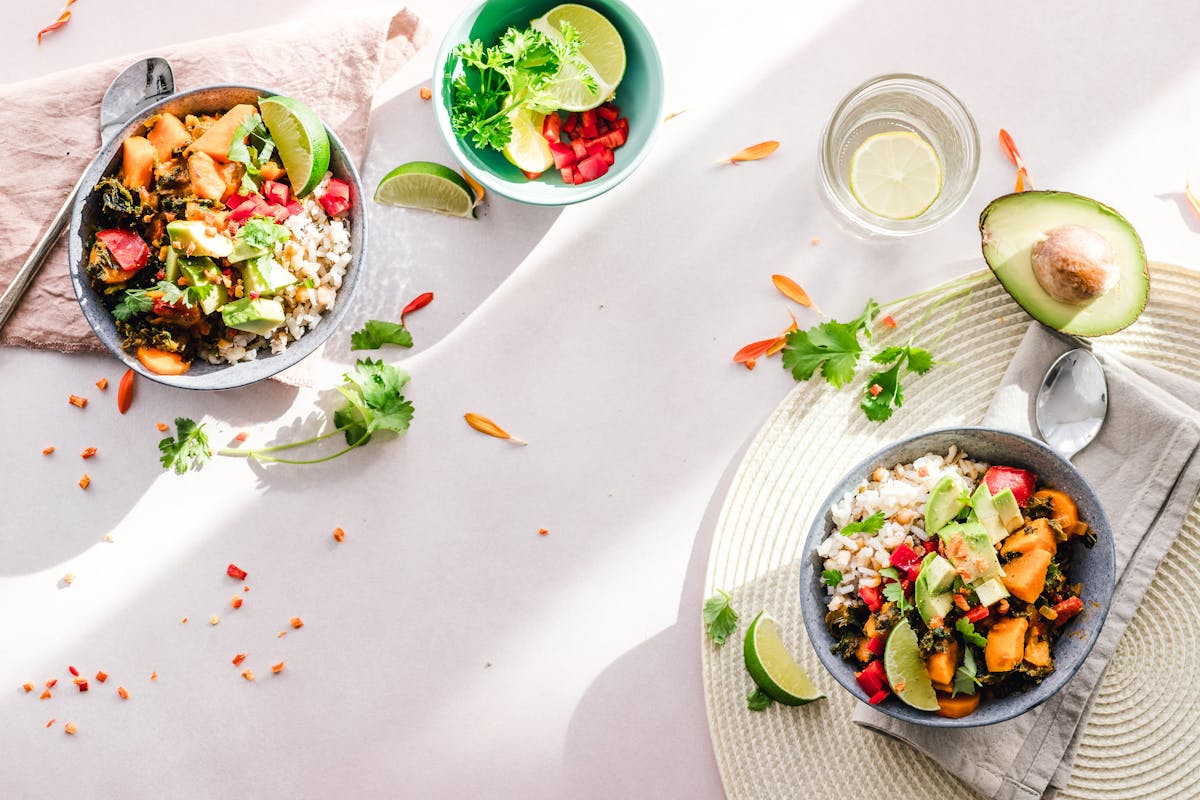
5. Assemble Your Satiety Bowls
In each bowl, add about 3/4 cup cooked quinoa as the base.
Top with 1/4 of the black beans and a generous scoop of the sautéed vegetables.
Add 1/4 of the cooked chicken or tofu.
Arrange cherry tomatoes, avocado slices, and any additional greens or herbs around the bowl.
Drizzle with 2–3 tablespoons of the yogurt dressing.
Finish with pumpkin seeds, a squeeze of lime, and a pinch of red pepper flakes if you enjoy some heat.
Tips, Variations, and High-Satiety Swaps
Flavor Variations
- Mediterranean: Swap black beans for chickpeas, add cucumber and olives, and use lemon, oregano, and garlic in the dressing.
- Spicy Taco Bowl: Season chicken/tofu with chili powder and oregano, add shredded lettuce, and top with salsa and cilantro.
- Asian-Inspired: Use brown rice or barley, edamame instead of beans, and dress with a yogurt–soy–ginger sauce.
Dietary & Ingredient Substitutions
- Vegan: Use tofu or tempeh and a plain soy or coconut yogurt in the dressing.
- Higher fiber: Swap quinoa for barley or farro (if not gluten-free), and increase beans to 1.5 cans.
- Lower carb: Replace half the quinoa with finely chopped, sautéed cauliflower rice.
- Dairy-free: Use olive-oil–based vinaigrette instead of yogurt dressing.
Storage, Meal Prep, and Reheating
This recipe is meal-prep friendly and perfect for building a week of high-satiety lunches.
- Fridge: Store components separately (quinoa, protein, veggies, dressing) in airtight containers for up to 4 days.
- Pre-assembled bowls: Can be stored for 3–4 days, but keep avocado and dressing separate and add just before eating to keep everything fresh.
- Reheating: Gently reheat quinoa, beans, and protein in the microwave or a skillet until warm. Add fresh greens, avocado, and dressing after warming.
- Freezer: Cooked quinoa and cooked chicken/tofu freeze well for up to 2 months. Thaw overnight in the fridge before reheating.
Serving Suggestions & Complementary Dishes
This satiety bowl is designed as a complete meal, but you can pair it with light sides depending on your appetite and goals.
- For extra veg: Serve with a simple side salad of leafy greens, lemon, and olive oil.
- For more protein: Add a side of cottage cheese or a small Greek yogurt with berries.
- For a hearty dinner: Start with a broth-based vegetable soup to add more low-calorie volume.
- For workout days: Enjoy with a piece of fruit (like an apple or orange) to top up carbs.
How This Recipe Fits a High-Satiety, Metabolic Health Diet
If you’re focusing on weight loss, insulin resistance, prediabetes, or overall metabolic health, this high-protein, high-fiber “satiety bowl” checks all the boxes:
- High protein (30+ g): Helps preserve lean muscle, especially if you’re in a calorie deficit or over 40.
- High fiber (12–15 g): Supports gut health, slows digestion, and evens out blood sugar.
- Low ultra-processed foods: Built from whole or minimally processed ingredients with no reliance on bars or shakes.
- Balanced macros: Includes complex carbs, healthy fats, and lean protein instead of eliminating entire food groups.
Enjoy this bowl as a reliable anchor meal in your week—whether you’re tracking macros, following a “high-protein high-fiber” plan, or simply trying to feel more satisfied and energized after you eat.
