
High-Protein Meal Prep for Fat Loss & Muscle Gain (Macro-Friendly Batch Cooking Guide)
High‑protein “macro‑friendly” meal prep has taken over social media, and for good reason: it promises fat loss, muscle gain, and grab‑and‑go meals that actually taste good. Instead of dry chicken and plain rice, this recipe leans into juicy spiced chicken, fluffy garlicky quinoa, and roasted vegetables that smell like a cozy Mediterranean kitchen while still hitting your protein targets.
Below you’ll find a complete, balanced high‑protein meal prep: Sheet Pan Mediterranean Chicken & Veg with Garlicky Quinoa (Macro‑Friendly Meal Prep Bowls). It’s designed for weight loss or body recomposition, with each meal centered around lean protein, colorful vegetables, whole‑grain carbs, and measured healthy fats.
Recipe Summary & Macros Overview
These Mediterranean‑style chicken and vegetable meal prep bowls are built for high protein, moderate carbs, and controlled fats. They’re perfect if you’re tracking macros, aiming for fat loss while keeping or building muscle, or just want satisfying, protein‑rich lunches all week.
Prep time: 25 minutes
Cook time: 30–35 minutes
Total time: ~55–60 minutes
Servings: 5 meal prep bowls
Difficulty: Easy–Intermediate (great for confident beginners)
Diet style: High‑protein, macro‑friendly, gluten‑free (if using certified GF quinoa and spices)
Approximate macros per bowl (will vary by brand & exact amounts):
Protein: 34–38 g | Carbohydrates: 40–45 g | Fat: 12–15 g | Calories: ~430–470 kcal
Visual Guide
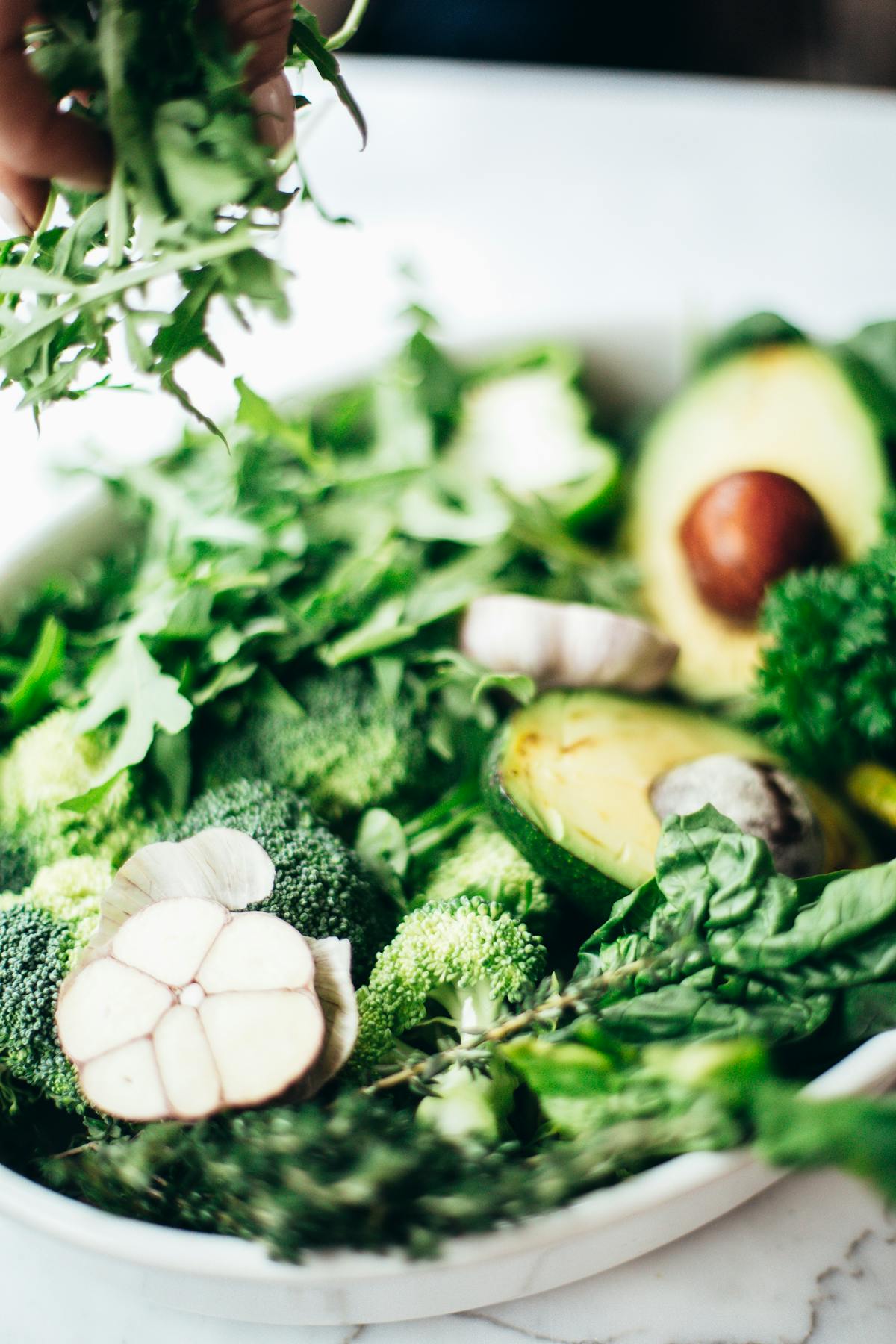
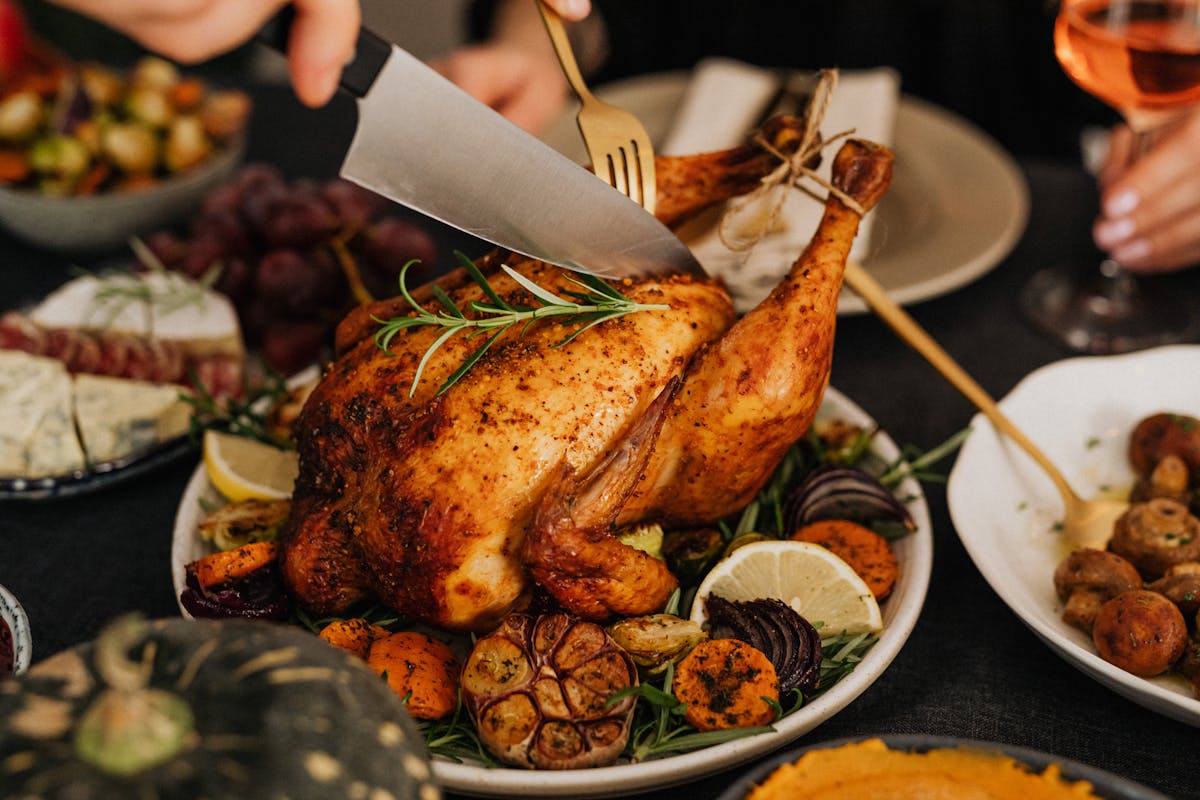
Use these images as a visual roadmap: from marinating the chicken to roasting the vegetables and assembling colorful, high‑protein meal prep bowls.

Ingredients for High‑Protein Mediterranean Meal Prep Bowls
This recipe makes 5 generous bowls. Each component is designed with macros in mind: lean protein, plenty of fiber, and measured healthy fats.
For the Lemon‑Herb Chicken
- 900 g (about 2 lb) boneless, skinless chicken breast, trimmed
- 2 tbsp extra‑virgin olive oil
- Juice of 1 large lemon (about 3 tbsp)
- Zest of 1 lemon (optional but flavorful)
- 3 cloves garlic, minced or grated
- 1.5 tsp fine sea salt (or to taste)
- 1 tsp freshly ground black pepper
- 2 tsp dried oregano
- 1 tsp dried thyme or Italian seasoning
- 1 tsp smoked paprika or sweet paprika
For the Roasted Vegetables
- 2 medium red bell peppers, deseeded and cut into chunks
- 1 large zucchini (courgette), sliced into half‑moons
- 1 medium red onion, cut into wedges
- 200 g (about 1.5 cups) cherry tomatoes
- 1 medium carrot, thinly sliced (optional for sweetness)
- 1.5 tbsp extra‑virgin olive oil
- 1 tsp dried oregano
- 1/2 tsp garlic powder
- 1/2 tsp fine sea salt, plus more to taste
- Freshly ground black pepper, to taste
For the Garlicky Quinoa
- 1.5 cups (about 270 g) dry quinoa, rinsed well
- 3 cups (720 ml) low‑sodium chicken or vegetable broth (or water)
- 2 cloves garlic, minced
- 1/2 tsp fine sea salt (reduce if broth is salty)
For the Finishing Touches (Optional but Recommended)
- 75 g (about 1/2 cup) crumbled reduced‑fat feta cheese
- Fresh parsley, chopped (about 1/4 cup)
- Lemon wedges, for serving
- 2–3 tbsp plain non‑fat Greek yogurt per bowl (for extra protein and creaminess)
Equipment & Meal Prep Containers
You do not need fancy gear to create macro‑friendly, high‑protein meal prep. Here’s what helps:
- 1 large mixing bowl (for marinating chicken)
- 2 large sheet pans / baking trays (rimmed, for roasting)
- Parchment paper or silicone baking mats (optional, for easier cleanup)
- Medium saucepan with lid (for quinoa)
- Sharp chef’s knife and cutting board
- Measuring cups and spoons (for accurate macros)
- Kitchen scale (highly recommended for precise portioning)
- 5 airtight meal prep containers (microwave‑safe; glass or BPA‑free plastic)
Using a scale to portion cooked chicken and quinoa helps ensure each bowl is similar in calories and protein, which is especially useful if you’re tracking macros in an app.
Step‑by‑Step Instructions
Follow these steps in order to keep things efficient: start the marinade, get the quinoa simmering, then roast the chicken and vegetables together.
- Prep the chicken marinade.
In a large bowl, whisk together the olive oil, lemon juice and zest, minced garlic, salt, pepper, oregano, thyme (or Italian seasoning), and paprika.
Aroma check: It should smell bright, garlicky, and herbaceous. - Marinate the chicken.
Slice the chicken breasts horizontally if very thick, or leave whole if they’re reasonably even. Add to the bowl and coat thoroughly. Cover and let sit in the fridge for at least 15–20 minutes while you prep the vegetables and quinoa. For deeper flavor, marinate up to 12 hours. - Preheat the oven.
Preheat to 220 °C / 425 °F. Place the oven racks toward the middle. This high heat helps the vegetables caramelize and keeps the chicken juicy. - Prepare the vegetables.
Add bell peppers, zucchini, red onion, cherry tomatoes, and carrot to a large bowl or directly onto a lined sheet pan. Drizzle with olive oil, then sprinkle oregano, garlic powder, salt, and black pepper. Toss to coat so every piece is glistening but not drenched. - Start cooking the quinoa.
Rinse the quinoa under cold water in a fine‑mesh sieve until the water runs mostly clear (this removes bitterness). In a medium saucepan, combine quinoa, broth (or water), garlic, and salt. Bring to a boil over medium‑high heat, then reduce to low, cover, and simmer for 15 minutes. Turn off the heat and let sit, covered, for another 5 minutes. Fluff with a fork. - Arrange chicken and vegetables on sheet pans.
Divide the seasoned vegetables between the two sheet pans in an even layer, leaving space for the chicken on one of the pans. Remove chicken from the marinade, let excess drip off, and place on one side of a sheet pan. Discard leftover marinade. - Roast.
Roast everything at 220 °C / 425 °F for 18–22 minutes, rotating the pans halfway through. Vegetables should be tender with slightly charred edges; chicken should reach an internal temperature of 75 °C / 165 °F. - Rest and slice the chicken.
Transfer chicken to a cutting board and rest for 5–10 minutes. Then slice into strips or bite‑sized cubes. Resting keeps the meat juicy instead of dry. - Finish vegetables and quinoa.
Taste the roasted vegetables and quinoa. Adjust salt, pepper, or a squeeze of lemon as needed. The quinoa should be fluffy, lightly garlicky, and well‑seasoned; vegetables should be sweet, savory, and caramelized. - Assemble the meal prep bowls.
Line up your 5 containers. Into each one, add:- About 3/4 cup cooked quinoa (roughly 120 g cooked, adjust to your macros)
- 1/5 of the sliced chicken (use your scale for accuracy)
- 1/5 of the roasted vegetables
- Cool safely, then store.
Let containers cool, uncovered, at room temperature for about 20–30 minutes (no longer than 2 hours total for food safety). Then seal and refrigerate. - Serve.
When ready to eat, reheat gently in the microwave until hot throughout. Top with a spoonful of Greek yogurt and a squeeze of lemon just before serving. You’ll get an aromatic bowl that’s tangy, savory, and satisfying, with tender chicken, fluffy quinoa, and sweet‑roasted vegetables in every bite.
Ingredient Substitutions & Dietary Adaptations
One of the strengths of macro‑friendly meal prep is flexibility. You can adapt the protein, carbs, and fats to suit your preferences, budget, and dietary needs.
Protein Swaps
- Turkey breast: Similar macros to chicken, slightly different flavor; cook time is nearly identical.
- Extra‑firm tofu (for a high‑protein vegetarian version): Press, cube, and marinate the tofu, then roast until golden. Pair with vegetable broth‑cooked quinoa and add chickpeas for extra protein.
- Lean ground turkey or chicken: Instead of roasting whole breasts, cook crumbled meat in a pan with the same spices and lemon.
Carb & Grain Options
- Brown rice or farro: Great if you prefer a chewier texture. Adjust cooking time and liquid per package directions.
- Cauliflower rice (lower‑carb option): Roast or sauté lightly. You may want to slightly increase fats or protein to keep the meal filling.
Fats & Toppings
- No dairy / lactose‑free: Skip feta and use a drizzle of tahini‑lemon sauce instead of Greek yogurt.
- Higher‑fat version (for bulking): Add extra olive oil when roasting, more feta, or a sprinkle of chopped olives or nuts.
Storage, Food Safety & Reheating
Safe storage is crucial for any weekly meal prep, especially with chicken and cooked grains.
Refrigeration
- Store bowls in airtight containers in the refrigerator for up to 4 days.
- If meal prepping for 5 days, consider freezing 1–2 portions and moving them to the fridge a day before eating.
Freezing
- These bowls freeze fairly well without yogurt or fresh herbs.
- Cool completely, then freeze for up to 2–3 months.
- Thaw overnight in the fridge before reheating for best texture.
Reheating
- Microwave on medium power for 2–3 minutes, stirring halfway, until steaming hot.
- Alternatively, reheat in a covered oven‑safe dish at 175 °C / 350 °F for about 15 minutes.
- Add Greek yogurt, extra herbs, and fresh lemon juice after reheating for a just‑cooked feel.
Always ensure the food is reheated to a safe internal temperature and discard any portions that have been left at room temperature for more than 2 hours.
Serving Ideas & Complementary Dishes
Even when you’re focused on macros, meals should feel joyful and satisfying. These bowls are delicious on their own, but you can pair them with simple sides or high‑protein snacks to round out your day.
Great Serving Add‑Ons
- Side salad: Mixed greens with cucumber, tomato, and a light vinaigrette for extra volume and fiber.
- High‑protein dessert: Greek yogurt with berries and a sprinkle of protein granola or seeds.
- Snack ideas: Cottage cheese with fruit, hummus and veggie sticks, or a protein shake if you’re behind on your daily protein goal.
When to Eat for Body Recomposition
These bowls work beautifully as lunch or dinner. For muscle gain and recovery, aim to:
- Spread your protein intake fairly evenly across the day (for many active people, 25–40 g per meal).
- Include a protein‑rich meal within a few hours after training, rather than worrying about a strict “anabolic window.”
How This Fits the High‑Protein Macro‑Friendly Meal Prep Trend
Online, you’ll see endless “What I eat in a day” videos, often hitting 120 g of protein or more, and weekly prep routines where people batch cook chicken, oats, or “anabolic” desserts. This recipe is built with the same goals—high protein, repeatable, budget‑friendly—but with an extra emphasis on fiber, colorful produce, and long‑term sustainability.
Instead of viewing food only as numbers, think of macros as a framework that still leaves room for flavor, culture, and enjoyment.
If you track your macros in an app (like MyFitnessPal or Cronometer), you can log each component—chicken, quinoa, vegetables, feta, yogurt—so it’s easy to adjust portion sizes based on whether you’re cutting, maintaining, or slowly gaining muscle.
Recipe Structured Data (Schema.org)
The following embedded JSON‑LD markup helps search engines understand this high‑protein, macro‑friendly meal prep recipe for better SEO and rich results.
