
High-Protein Macro-Friendly Meal Prep: Easy Comfort Food Recipes for Gains & Fat Loss
High-Protein, Macro-Friendly Meal Prep Bowls
High‑protein, “macro‑friendly” cooking has exploded online, and for good reason: you get cozy, familiar comfort food and smart nutrition in the same bowl. These high‑protein chicken and veggie meal prep bowls are inspired by that social media trend—simple, repeatable, and perfect whether your goal is fat loss, muscle gain, or just having satisfying lunches ready in the fridge.
Instead of following a strict diet label, this recipe focuses on hitting your protein target while keeping carbs and fats balanced. Think juicy seasoned chicken, caramelized vegetables, and fluffy rice or quinoa, all portioned neatly into containers so future‑you can just grab, reheat, and eat.
Why High‑Protein, Macro‑Friendly Recipes Are Everywhere
The rise of high‑protein, macro‑friendly recipes is tightly linked to body recomposition goals: many people want to lose fat while maintaining or building muscle. Fitness creators talk about protein targets like 1.6–2.2 g per kilogram of body weight, then share recipes—overnight oats, “anabolic” burgers, protein desserts—that make those numbers easier (and tastier) to hit.
Short‑form videos love these dishes: a quick pan‑seared chicken, roasted veggies, a drizzle of sauce, and a macro breakdown on screen. Post‑pandemic, a lot of us are still cooking at home more often, so simple meal‑prep bowls like this one help keep both budgets and nutrition on track throughout the week.
Prioritize high‑quality protein—like chicken, eggs, fish, tofu, Greek yogurt, beans and lentils—then surround it with colorful plants and whole grains. Let protein powders and bars support you, not replace real food.
Nutritional Upsides (and How This Recipe Fits In)
Higher protein intake tends to keep you fuller for longer, helps protect muscle when you’re in a calorie deficit, and supports long‑term metabolic health. This recipe leans on lean chicken breast (or tofu, if you choose the vegetarian option), fiber‑rich vegetables, and whole‑grain rice or quinoa for a well‑rounded, macro‑friendly meal.
- Approx. 35–40 g protein per serving (with chicken)
- Complex carbs from rice or quinoa for steady energy
- Plenty of vegetables for fiber, micronutrients, and color
- Moderate, customizable fats from olive oil and optional toppings
To avoid the common downside of this trend—overreliance on ultra‑processed protein snacks—this bowl uses mostly whole foods, with optional Greek yogurt or a little protein powder in the sauce if you want an extra boost.
Recipe Snapshot: High‑Protein Macro‑Friendly Chicken & Veggie Bowls
Prep time:
Cook time:
Total time:
Servings: 4 meal‑prep bowls
Difficulty: Easy
Best for: High‑protein meal prep, body recomposition, healthy lunches, fitness meals
Visual Guide



Ingredients
These quantities make 4 generous high‑protein bowls.
For the Protein
- 700 g boneless, skinless chicken breast (about 1.5 lb), cut into bite‑size pieces
- 1 tbsp olive oil
- 1 tsp fine salt (adjust to taste)
- 1 tsp garlic powder
- 1 tsp smoked or sweet paprika
- 1/2 tsp ground black pepper
- 1/2 tsp dried oregano or mixed Italian herbs
For the Vegetables
- 2 medium bell peppers (any color), sliced
- 1 medium red onion, sliced into wedges
- 1 medium zucchini, halved and sliced
- 200 g broccoli florets (about 2 cups)
- 1.5 tbsp olive oil
- 3/4 tsp salt
- 1/2 tsp garlic powder
- 1/2 tsp paprika or chili powder (optional, for heat)
For the Carb Base
- 1 cup (uncooked) brown rice or white rice or quinoa
- 2 cups water or low‑sodium chicken/vegetable broth
- Pinch of salt
High‑Protein Yogurt Sauce (Optional but Recommended)
- 200 g plain non‑fat Greek yogurt (about 3/4 cup)
- 1 tbsp lemon juice
- 1 small garlic clove, grated or very finely minced
- 1 tbsp chopped fresh parsley or cilantro (or 1 tsp dried herbs)
- 1/4 tsp salt, plus more to taste
- 2–3 tbsp water, to thin if needed
Optional Toppings
- Fresh herbs (parsley, cilantro, green onions)
- Lemon wedges
- Chili flakes or hot sauce
- 30 g feta cheese or light cheese, crumbled (about 1/4 cup)
Equipment You’ll Need
- 1 large sheet pan (or two smaller pans) for roasting vegetables
- 1 large non‑stick skillet or sauté pan for the chicken
- Medium saucepan with lid for rice or quinoa
- Mixing bowls
- Sharp knife and cutting board
- Measuring cups and spoons
- 4 meal‑prep containers with tight‑fitting lids
Step‑by‑Step Instructions
- Cook the rice or quinoa.
Rinse 1 cup rice or quinoa under cold water. Add to a medium saucepan with 2 cups water or broth and a pinch of salt. Bring to a boil over medium‑high heat, then reduce to low, cover, and simmer until tender (about 15 minutes for white rice or quinoa, 30–35 minutes for brown rice). Turn off heat and let stand covered for 5–10 minutes, then fluff with a fork. - Preheat the oven and prep vegetables.
While the grains cook, preheat your oven to 220 °C (425 °F). Line a sheet pan with baking paper if you like easy cleanup. Chop bell peppers, red onion, zucchini, and broccoli into bite‑size pieces for even cooking. - Season the vegetables.
Add all vegetables to the sheet pan. Drizzle with 1.5 tbsp olive oil, then sprinkle with 3/4 tsp salt, 1/2 tsp garlic powder, and 1/2 tsp paprika or chili powder if using. Toss well with clean hands or tongs so every piece is lightly coated and spread into an even layer without crowding. - Roast until tender and caramelized.
Roast the vegetables for 18–22 minutes, stirring once halfway through, until they’re tender with golden, slightly charred edges. Thinner pieces may brown faster—this is where the sweet, roasty flavor comes from. - Season the chicken.
While the vegetables roast, place the chicken pieces in a bowl. Add 1 tbsp olive oil, 1 tsp salt, 1 tsp garlic powder, 1 tsp paprika, 1/2 tsp black pepper, and 1/2 tsp dried herbs. Toss until every bite is evenly coated in the fragrant spice mix. - Sear and cook the chicken.
Heat a large non‑stick skillet over medium‑high heat. When hot, add the chicken in a single layer (work in two batches if needed to avoid overcrowding). Cook for about 4–5 minutes on the first side without moving, until golden brown, then flip and cook another 3–5 minutes until cooked through (internal temperature 74 °C / 165 °F). The juices should run clear and the pieces should feel firm but not dry. - Make the high‑protein yogurt sauce.
In a small bowl, whisk together Greek yogurt, lemon juice, grated garlic, herbs, and 1/4 tsp salt. Add 2–3 tbsp water, a little at a time, until you reach a drizzleable consistency. Taste and adjust seasoning—more lemon for brightness, more salt if it tastes flat. - Cool components slightly for meal prep.
For food safety and best texture, let the chicken, vegetables, and rice cool for about 10–15 minutes at room temperature before sealing in containers. They should still be warm, just not piping hot. - Assemble the macro‑friendly bowls.
Divide the cooked rice or quinoa evenly among 4 meal‑prep containers (about 1/2 cup cooked per container, or adjust according to your macro needs). Top each with a quarter of the roasted vegetables and a quarter of the chicken. Drizzle 1–2 tbsp of yogurt sauce over each bowl or pack the sauce separately in small containers to keep everything fresh. - Finish with toppings and portion checks.
Garnish with fresh herbs, a squeeze of lemon, chili flakes, or a sprinkle of light cheese if desired. If you track macros, you can weigh each component as you portion to get precise protein, carb, and fat numbers per bowl.
Substitutions, Variations & Dietary Tweaks
Protein Variations
- Vegetarian: Use extra‑firm tofu, tempeh, or seitan. Pan‑sear until crispy at the edges.
- Pescatarian: Swap chicken for salmon or white fish fillets; bake at 200 °C (400 °F) for 10–15 minutes, depending on thickness.
- Higher‑fat option: Use skin‑on chicken thighs for richer flavor and more calories, helpful if you’re bulking.
Carb & Grain Options
- Gluten‑free: The base recipe is naturally gluten‑free if you use gluten‑free broth and seasonings.
- Lower‑carb: Replace part or all of the rice with cauliflower rice or extra vegetables.
- Higher‑fiber: Choose brown rice, quinoa, or a blend of both.
Sauce & Dairy Alternatives
- Dairy‑free: Use a thick, unsweetened dairy‑free yogurt for the sauce, or blend silken tofu with lemon and herbs.
- Extra protein: Stir 1 scoop (about 25 g) of unflavored whey or plant protein into the yogurt sauce, adding additional water to thin.
- Different flavor profile: Swap herbs and lemon for sriracha and lime, or use taco seasoning on the chicken for a Tex‑Mex style bowl.
Storage & Reheating
Meal prep only works if your food stays safe and delicious. Here’s how to handle these bowls:
- Fridge: Store bowls in airtight containers in the refrigerator for up to 4 days.
- Sauce: Keep the yogurt sauce in a separate small container and add after reheating for the best texture.
- Freezer: You can freeze the chicken, rice, and vegetables (without sauce) for up to 2 months. Thaw overnight in the fridge before reheating.
Reheating tips:
- Microwave: Remove the sauce if it’s already on the bowl. Cover the container loosely and heat on medium power for 1–2 minutes, stirring halfway, until hot throughout.
- Stovetop: Add a splash of water or broth to a non‑stick pan and gently warm the contents over medium heat, stirring occasionally.
- Always reheat until the chicken is steaming hot all the way through.
Serving Ideas & Complementary Dishes
These high‑protein meal prep bowls are complete meals on their own, but you can easily round them out with a few simple additions depending on your goals and appetite.
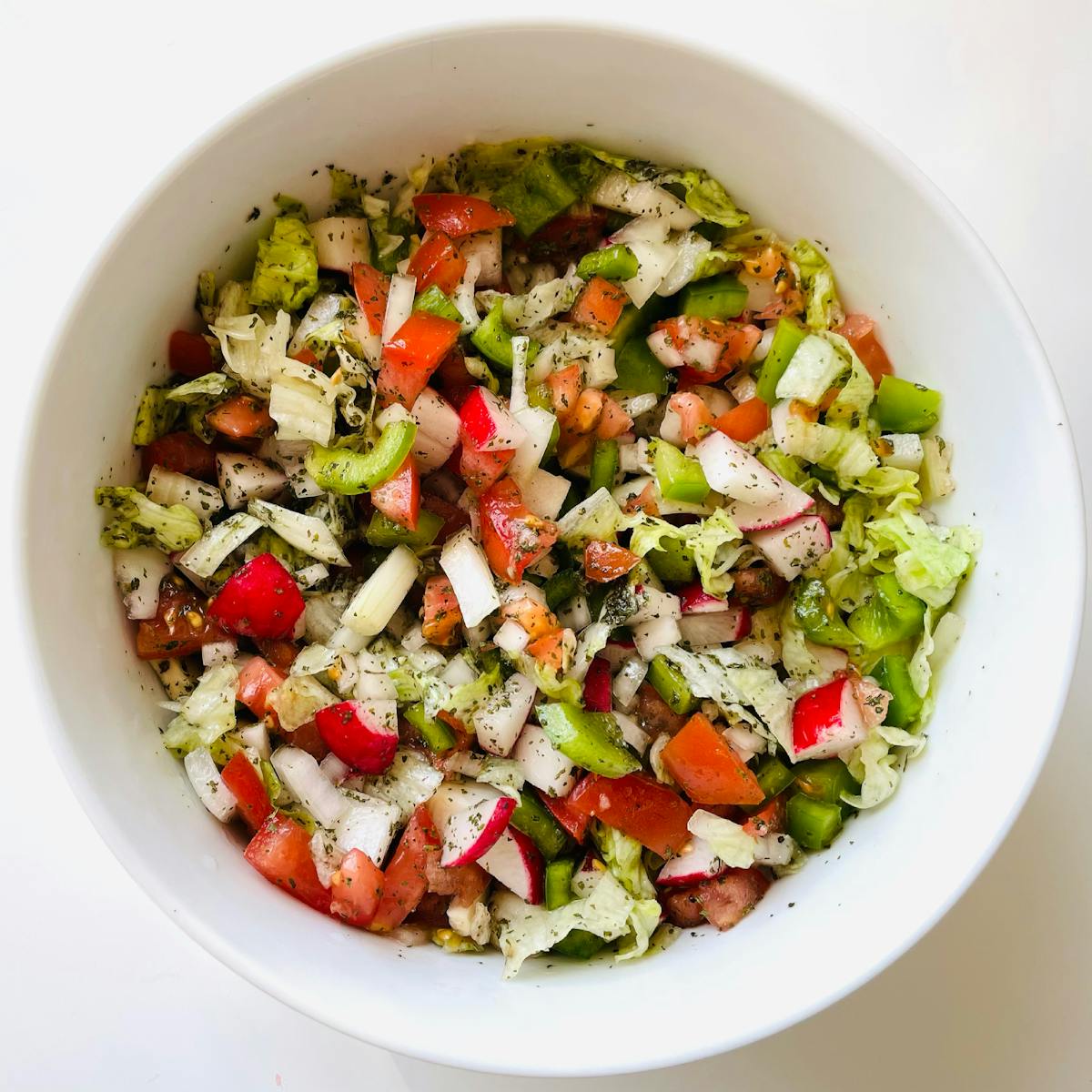
- For more volume: Add a side salad with mixed greens, cucumber, and tomatoes tossed in a light vinaigrette.
- For extra carbs (training days): Include a small side of fruit, like berries or sliced oranges, or boost the rice portion.
- For more protein: Pair with a high‑protein snack such as a Greek yogurt cup, cottage cheese fruit bowl, or a boiled egg.
- Breakfast twist: Top a reheated bowl with a fried or poached egg for a savory, protein‑packed brunch.
However you serve them, these bowls are meant to feel like food you genuinely enjoy—not punishment food—while quietly helping you hit those protein and macro goals day after day.
