
Ozempic, Wegovy & the New GLP‑1 Diet Era: How Weight‑Loss Drugs Are Changing the Way We Eat
Ozempic & GLP‑1 Diet Disruption: A New Era of Eating
Ozempic, Wegovy, Mounjaro and other GLP‑1–based medications have rapidly reshaped the world of dieting and weight management. These drugs, originally designed for type 2 diabetes, are now at the center of conversations about appetite, healthy weight loss, and what a sustainable “Ozempic‑friendly” way of eating really looks like. Instead of focusing only on willpower and strict dieting, people are learning how to nourish a body that often just doesn’t feel very hungry.
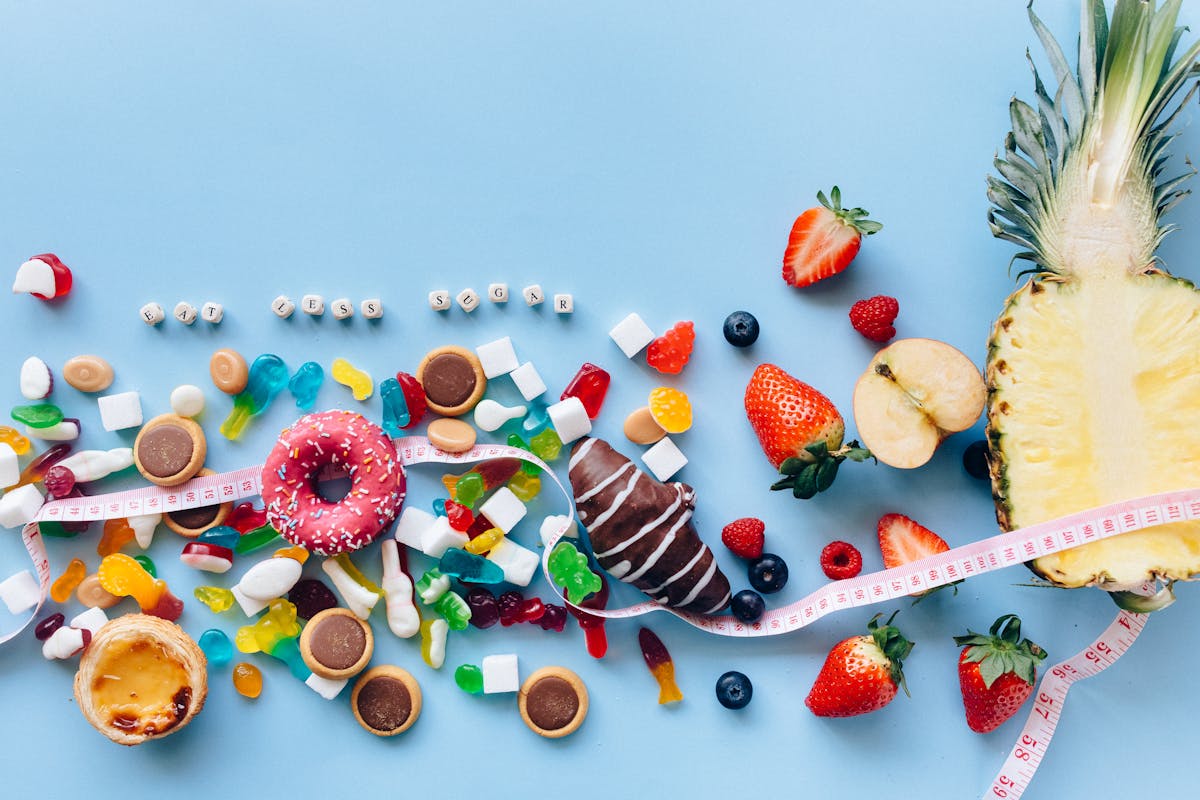
What follows is a friendly, practical guide to the GLP‑1 trend: why these medications are so disruptive, what they mean for everyday eating, and how to build gentle, protein‑rich meals that feel good on a smaller appetite—without losing the joy of food.
What Are GLP‑1 Drugs Like Ozempic and Wegovy?
GLP‑1 drugs such as Ozempic and Wegovy (semaglutide) and Mounjaro (tirzepatide) mimic hormones your body already makes—especially GLP‑1, which helps regulate blood sugar and appetite. In simple terms, they:
- Slow how quickly food leaves your stomach (so you feel full longer).
- Dial down hunger signals from the brain.
- Help smooth out blood sugar spikes after eating.
Many people experience dramatic weight loss on these medications, but that smaller appetite can make it surprisingly hard to eat enough protein, vitamins, and minerals—especially if certain foods suddenly feel unappealing.
Why GLP‑1 Weight‑Loss Drugs Are Trending Now
The GLP‑1 conversation is everywhere in 2024–2025—on talk shows, in group chats, and even whispered at family dinners. Several forces are driving this surge:
- Celebrity and influencer buzz
Rumors and interviews about entertainers, tech founders, and influencers using Ozempic‑like drugs for rapid weight loss have made them feel glamorous, controversial, and aspirational all at once. That visibility invites curiosity—but also judgment and stigma. - From “try harder” to “take a shot”
Traditional diets often frame weight loss as a matter of discipline. GLP‑1s point toward a medical model: treat obesity like a chronic condition. This shift raises big questions about fairness, long‑term use, and who deserves access. - Real nutritional side effects
With appetite dialed down, some people start skipping meals altogether—not out of willpower, but because nothing sounds good. Nausea, aversions to greasy foods, or early fullness can make a balanced plate feel out of reach. - “Ozempic body” vs. “healthy body”
Rapid weight loss can mean not just fat loss, but muscle loss and a drawn, under‑fueled look. Social media has coined the term “Ozempic body,” often highlighting loose skin or a gaunt face when nutrition or exercise isn’t dialed in. - Backlash, cost, and access
These medications are expensive, and insurance coverage varies widely. Shortages have affected some people with diabetes. At the same time, weight‑inclusive and body‑neutral advocates warn that a drug‑driven thinness craze can deepen weight stigma.
Nutrition Challenges on Ozempic, Wegovy & Mounjaro
A smaller appetite sounds like every dieter’s dream—until you realize you’re consistently eating too little to truly nourish your body. Common GLP‑1 experiences include:
- Very small portion sizes before feeling uncomfortably full.
- Nausea or queasiness, especially with heavy, greasy, or fried foods.
- Strong food aversions (suddenly, your favorite burger might smell overwhelming).
- Forgetting to eat because hunger cues are so quiet.
Over time, this can lead to:
- Loss of lean muscle mass if protein and resistance training are low.
- Micronutrient gaps (iron, B vitamins, vitamin D, calcium, magnesium).
- Fatigue, brain fog, and hair thinning from chronic under‑eating.

What Is a “GLP‑1‑Aware” Diet?
Dietitians are now speaking about GLP‑1‑compatible or GLP‑1‑aware meal plans—a way of eating that respects your smaller appetite while protecting muscle, digestion, and energy. At its heart, this pattern looks like:
- Small, frequent meals or snacks instead of big, heavy plates.
- Protein‑dense choices—foods that pack a lot of protein into just a few bites.
- Lower‑fat, gentle options to reduce nausea (think baked, steamed, poached).
- Soft, easy‑to‑digest fiber such as oats, cooked vegetables, peeled fruits, and lentil soups.
- Plenty of fluids, especially if you’re eating less overall.
It’s less about perfection and more about priorities: protein first, then color and fiber, then fun extras if you still have room.
GLP‑1‑Friendly Mini Meal: High‑Protein Greek Yogurt Power Bowl
Recipe Snapshot
Prep time: 10 minutes
Cook time: 0 minutes
Total time: 10 minutes
Servings: 1 small bowl
Difficulty: Easy

Ingredients
- 150 g (about 2/3 cup) plain 2%–5% Greek yogurt (or lactose‑free if needed)
- 1 scoop (about 15–20 g) unflavored or vanilla protein powder (whey or plant‑based)
- 40 g (about 1/3 cup) soft berries, such as blueberries or raspberries, fresh or thawed
- 1–2 teaspoons honey or maple syrup, to taste (optional)
- 1 tablespoon finely chopped nuts (such as walnuts or almonds) or seeds (chia, hemp)
- 2–3 tablespoons water or milk (dairy or non‑dairy), as needed to thin
- Pinch of ground cinnamon or vanilla extract (optional)
Equipment
- Small mixing bowl
- Small whisk or spoon
- Measuring spoons
- Serving bowl
Step‑by‑Step Instructions
- Mix the base.
In a small mixing bowl, combine the Greek yogurt and protein powder. Add 2 tablespoons of water or milk and stir until smooth and creamy. Adjust the liquid a teaspoon at a time if you prefer a looser texture that’s easier to eat when you’re not very hungry. - Sweeten gently.
Taste the mixture. If you’d like it a bit sweeter, drizzle in honey or maple syrup and stir again. Add cinnamon or a drop of vanilla extract for a cozy aroma without too much extra sugar. - Add fruit and crunch.
Spoon the yogurt mixture into a serving bowl. Top with berries and sprinkle with chopped nuts or seeds. Keep the pieces small so each spoonful is soft and easy on the stomach. - Serve slowly.
Eat at a relaxed pace, pausing after a few bites to check your fullness. Stop when comfortably satisfied; you can always cover the bowl and finish more later.
Dietary Adaptations & Substitutions
Storage & Make‑Ahead Tips
This yogurt bowl keeps nicely in the refrigerator for up to 24 hours. If you’re on a GLP‑1 medication and unsure how much you can eat:
- Prepare a double portion in advance and divide into two small containers.
- Add nuts or seeds just before eating to keep their texture.
- If the yogurt thickens in the fridge, stir in a splash of water or milk before serving.
Protecting Muscle: Protein & Resistance Training on GLP‑1s
When weight loss is fast, your body doesn’t just let go of fat—it can also break down muscle. That’s one of the biggest long‑term concerns with GLP‑1 drugs. Muscle is metabolically active tissue; it supports strength, joint health, and even blood sugar control.
To protect your lean mass while on Ozempic, Wegovy, or Mounjaro, many clinicians now recommend:
- Aiming for roughly 1.0–1.5 g of protein per kilogram of body weight daily, adjusted individually.
- Doing resistance training (bodyweight, bands, or weights) 2–4 times per week, as tolerated.
- Distributing protein through the day in small, frequent doses (10–25 g per mini meal).

Micronutrients, Gallbladder Health & Long‑Term Considerations
With total food intake shrinking, there’s less room on your plate for all the little extras that keep you thriving: iron, B12, folate, vitamin D, calcium, magnesium, and electrolytes. Over months and years, that can add up.
Many providers now:
- Screen for nutrient deficiencies (like vitamin D and B12) and supplement as needed.
- Watch for signs of gallbladder stress (abdominal pain, nausea with fatty meals), especially with rapid weight loss.
- Encourage gradual, sustainable loss rather than chasing the lowest possible number on the scale.
“GLP‑1s can be a powerful tool, but they work best when they’re paired with thoughtful, steady nutrition—not when you’re white‑knuckling your way through 900 calories a day.”
Sample GLP‑1‑Friendly Day of Eating
Everyone’s needs and tolerances are different, but here’s how a gentle, GLP‑1‑aware day might look for someone with a modest appetite:
- Upon waking: Water or herbal tea; a few sips of a light protein shake if tolerated.
- Breakfast: High‑Protein Greek Yogurt Power Bowl (recipe above).
- Mid‑morning: A small handful of nuts and a peeled mandarin orange.
- Lunch: Half a grilled chicken breast (or tofu), soft cooked rice, and sautéed zucchini with olive oil and herbs.
- Afternoon: Lentil soup or a cottage cheese cup with cucumber slices.
- Dinner: Baked salmon or beans, mashed sweet potato, and tender green beans.
- Evening: Chamomile tea; if needed, a small cracker with cheese or hummus.
Beyond the Plate: Culture, Stigma & Access
The GLP‑1 revolution isn’t just medical—it’s cultural. These drugs raise hard questions about body image, fairness, and what it means to “earn” weight loss.
- Stigma & secrecy: Some people feel judged for using medication, while others feel judged for not using it. That’s a heavy emotional layer on top of daily food decisions.
- Access & equity: High costs and patchy insurance coverage mean GLP‑1s are easier to obtain for some groups than others, despite obesity affecting all income levels.
- Weight‑neutral perspectives: Many health professionals emphasize that health markers—blood pressure, cholesterol, fitness, mental well‑being—matter just as much as any number on the scale.

Finding Support & Personalizing Your GLP‑1 Journey
No two GLP‑1 journeys are quite the same. Side effects, goals, history with dieting, and mental health all shape the path forward. Surrounding yourself with a supportive care team makes a world of difference.
Helpful allies can include:
- Your prescribing physician or endocrinologist, to monitor dosage, labs, and side effects.
- A registered dietitian experienced with GLP‑1 medications, to help fine‑tune meals you’ll actually enjoy.
- A therapist or counselor, especially if you’ve struggled with disordered eating or body image.
- A fitness professional who can design gentle strength routines that fit your energy level.
You deserve a plan that respects both your health and your humanity—where food is still flavorful, comforting, and culturally meaningful, even in smaller portions.
