
High-Protein, High-Fiber Gut-Healthy Recipes: Microbiome-Friendly Cooking Made Easy
High‑Protein, High‑Fiber Gut‑Friendly Power Bowl with Tempeh & Yogurt Tahini Dressing
Interest in gut health, bloating relief, and the microbiome has exploded, and honestly, it’s one of the most delicious “health trends” we’ve ever had. Instead of obsessing over calories, people are filling their plates with fiber‑rich plants, fermented foods, and high‑protein meals that keep you satisfied while feeding your gut microbes.
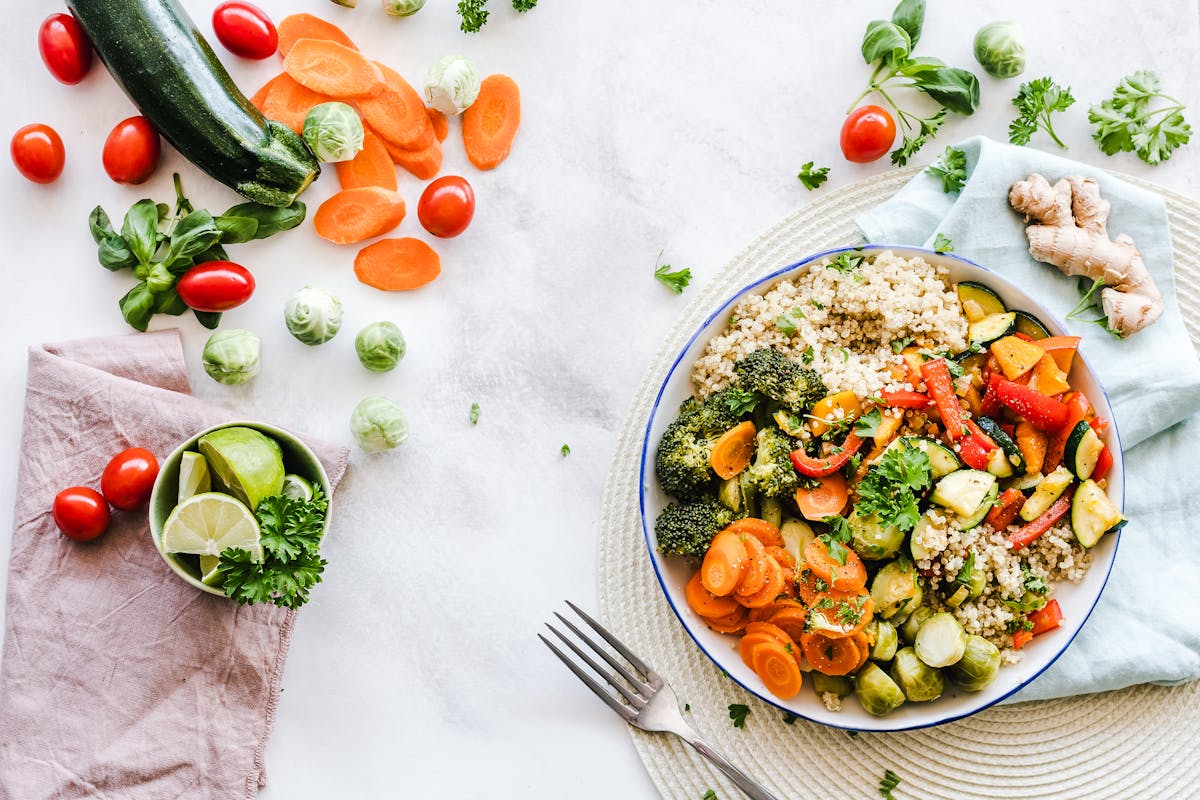
This high‑protein, high‑fiber gut‑healthy tempeh power bowl brings the microbiome buzz straight to your kitchen. It layers chewy whole grains, crisp veggies, creamy beans, crunchy seeds, and tangy fermented foods into one colorful, satisfying bowl—exactly the kind of “30 plants a week” meal that social feeds are raving about.
Why Gut‑Healthy, High‑Fiber Bowls Are Everywhere
Gut health has stepped into the spotlight. On TikTok, YouTube, and Instagram, you’ll see creators talking about:
- “30 plants a week” – counting different fruits, vegetables, whole grains, legumes, nuts, seeds, herbs, and spices.
- “Eating the rainbow” – using color as a simple guide to plant diversity.
- Prebiotic‑rich meals – dishes that feed beneficial gut bacteria with certain fibers.
Emerging research links a more diverse microbiome with better metabolic, immune, and even mental‑health markers. That diversity is strongly associated with a varied plant‑based diet—exactly what this bowl is built on.
At the same time, people want high‑protein meals to support satiety and muscle maintenance. This recipe hits both notes by combining:
- Plant protein from tempeh, beans, and whole grains
- Plenty of fiber from legumes, veggies, and seeds
- Fermented foods (tempeh and yogurt) to add live cultures and tangy flavor
Think of this bowl as a mini microbiome party: the more plant variety you add, the more “guests” (microbes) you invite.
Equipment You’ll Need
Nothing fancy—this is very home‑cook friendly:
- 1 medium saucepan (for grains)
- 1 nonstick or cast‑iron skillet (for tempeh)
- Cutting board and sharp knife
- Mixing bowl and whisk (or jar with lid) for the dressing
- Measuring cups and spoons
- 2 serving bowls

Ingredients for Gut‑Healthy Tempeh Power Bowls
This recipe is designed to sneak in lots of different plants—great for microbiome diversity. Feel free to swap based on what’s in your fridge.
For the Grain & Bean Base
- 1/2 cup (90 g) dry quinoa or brown rice, rinsed
- 1 cup (240 ml) water or low‑sodium vegetable broth
- 1 cup (170 g) cooked chickpeas or mixed beans, drained and rinsed
- 1/4 tsp sea salt (optional)
For the Gut‑Friendly Tempeh
- 7 oz (200 g) tempeh, sliced into thin strips or cubes
- 1 tbsp extra‑virgin olive oil or avocado oil
- 1 tbsp tamari or low‑sodium soy sauce
- 1 tsp maple syrup or honey
- 1 tsp apple cider vinegar (adds a gentle tang)
- 1/2 tsp smoked paprika
- 1/4 tsp ground cumin
- Freshly ground black pepper, to taste
For the Fresh & Crunchy Veggies
- 1 small carrot, grated or cut into matchsticks
- 1/2 small cucumber, thinly sliced
- 1/2 cup (50 g) shredded red cabbage or green cabbage
- 1 small red bell pepper, thinly sliced
- 1 small handful fresh herbs (parsley, cilantro, or mint), chopped
- 1–2 tbsp chopped red onion or green onions
For the Fermented & Fiber‑Rich Toppings
- 1/2 cup (120 g) unsweetened Greek or Icelandic yogurt (or coconut yogurt for vegan)
- 2–3 tbsp kimchi or sauerkraut, drained
- 1 tbsp pumpkin seeds (pepitas)
- 1 tbsp sunflower seeds or chopped nuts
- 1 tsp chia seeds or ground flaxseed
- 1/2 small ripe avocado, sliced
- Lemon wedges, for serving
For the Yogurt Tahini Gut‑Friendly Dressing
- 1/4 cup (60 g) plain Greek yogurt or dairy‑free yogurt
- 1 1/2 tbsp tahini
- 1 tbsp lemon juice (about 1/2 lemon)
- 1 tsp extra‑virgin olive oil
- 1 tsp maple syrup or honey (optional, for balance)
- 1 small garlic clove, very finely minced (or 1/4 tsp garlic powder if you are FODMAP‑sensitive)
- 2–4 tbsp water, to thin to drizzleable consistency
- Pinch of sea salt and black pepper, to taste
Step‑by‑Step Instructions
1. Cook the Grain Base
Rinse the quinoa (or rice) under cold water to remove excess starch or bitterness.
In a medium saucepan, combine the grain and water or broth with a pinch of salt (if using).
Bring to a boil over medium‑high heat, then reduce heat to low, cover, and simmer:
- Quinoa: 12–15 minutes, until fluffy and water is absorbed.
- Brown rice: 30–35 minutes, until tender.
Turn off the heat, keep covered, and let steam for 5 minutes. Fluff with a fork.

2. Marinate & Cook the Tempeh
While the grains cook, slice the tempeh into thin strips or small cubes for more crispy edges.
In a small bowl, whisk together tamari, maple syrup, apple cider vinegar, smoked paprika, cumin, and a pinch of black pepper.
Add the tempeh pieces and gently toss to coat. Let marinate for at least 10 minutes (up to 30 for more flavor).
Heat the oil in a skillet over medium heat. Add tempeh in a single layer.
Cook 3–4 minutes per side, until golden brown and slightly crisp on the edges. Drizzle in any remaining marinade at the end and let it bubble for 30 seconds to glaze the tempeh.
3. Prep the Veggies & Toppings
Wash and chop the carrot, cucumber, cabbage, bell pepper, herbs, and onions.
Slice the avocado just before serving to prevent browning.
Rinse and drain the chickpeas or beans if using canned.
4. Make the Yogurt Tahini Dressing
In a mixing bowl or jar, combine yogurt, tahini, lemon juice, olive oil, and sweetener (if using).
Add minced garlic, a pinch of salt, and pepper.
Whisk (or shake in the jar) until smooth. Add water 1 tablespoon at a time until it reaches a pourable, creamy consistency.
Taste and adjust: more lemon for brightness, more tahini for richness, or a pinch more salt if needed.

5. Assemble Your Gut‑Healthy Bowls
Divide the cooked grain between two bowls.
Top each with chickpeas or beans, cooked tempeh, and piles of colorful veggies.
Add small spoonfuls of kimchi or sauerkraut, avocado slices, and a generous sprinkle of seeds (pumpkin, sunflower, chia/flax).
Drizzle with yogurt tahini dressing just before serving and finish with fresh herbs and a squeeze of lemon.

What This Gut‑Healthy Bowl Tastes Like
Every bite is a mix of textures and flavors:
- Tempeh – nutty, savory, and slightly smoky with a crisp exterior.
- Grains & beans – chewy and hearty, giving the bowl “meal” status.
- Fresh veggies – juicy, crunchy, and naturally sweet.
- Fermented toppings – bright, salty, tangy pops that wake everything up.
- Yogurt tahini dressing – silky, lemony, and rich without being heavy.
Aromas are warm and inviting: toasted tempeh with paprika and cumin, fresh citrus, and that unmistakable fermented tang from kimchi or sauerkraut. It smells like something you’d get at a cozy, health‑forward café—but you made it at home.
Substitutions, Variations & Dietary Adaptations
Protein & Grain Swaps
- Tempeh alternatives: use firm tofu, grilled chicken, or baked salmon if you eat animal protein.
- Grain swaps: try farro, barley, buckwheat, or a mix of quinoa and brown rice.
- Legume options: black beans, lentils, or edamame all work beautifully.
Vegan, Dairy‑Free & Gluten‑Free
- Vegan: use plant‑based yogurt and maple syrup instead of honey.
- Dairy‑free: swap Greek yogurt for coconut, almond, or soy yogurt.
- Gluten‑free: stick with quinoa, buckwheat, or certified GF oats; check tamari is gluten‑free.
For Sensitive Guts & Low‑FODMAP Considerations
Many people exploring gut health are managing IBS‑like symptoms. Evidence‑based guidance usually suggests gradually increasing fiber and avoiding overly restrictive long‑term diets.
- Use small portions of beans at first, or choose canned lentils and rinse well.
- Replace garlic with garlic‑infused oil if you’re sensitive.
- Start with a modest portion of kimchi/sauerkraut (1–2 tsp) and see how you feel.
- Try low‑FODMAP veggies like carrots, cucumber, and small amounts of red cabbage.
If you’re considering a low‑FODMAP or elimination diet, it’s best to work with a registered dietitian or gastroenterologist so you can reintroduce foods and maintain long‑term plant diversity.
Storage, Meal Prep & Reheating
This bowl is perfect for meal prep and busy weeks when you still want something gut‑friendly and satisfying.
- Grains & tempeh: store in airtight containers in the fridge for up to 4 days.
- Veggies: chop in advance and store separately for 3–4 days.
- Dressing: keeps in the fridge for 4–5 days; thin with a splash of water if it thickens.
- Fermented foods: keep in their jars and add fresh when serving.
- Avocado: slice just before eating to avoid browning.
To reheat, warm the grains and tempeh together in a skillet over low heat or in the microwave until just hot, then add fresh veggies, ferments, seeds, and dressing.
Serving Suggestions & Complementary Dishes
Turn this into a full gut‑supportive menu by pairing it with:
- A simple side of mixed berries with chia or ground flaxseed.
- A small glass of kefir or a kombucha (if your stomach tolerates carbonation).
- A warming cup of ginger or peppermint tea after the meal to support comfortable digestion.
For a seasonal twist:
- Spring/Summer: add cherry tomatoes, fresh corn, or grilled zucchini.
- Fall/Winter: fold in roasted sweet potato, Brussels sprouts, or carrots.

Microbiome‑Friendly Eating: A Gentle, Evidence‑Inspired Approach
Social media can make “gut healing” sound like magic, but more responsible voices and emerging science point toward simple, sustainable habits:
- Gradually increase fiber toward about 25–38 g per day to avoid discomfort.
- Focus on minimally processed plant foods more than powders and supplements.
- Include both prebiotic fibers (onions, garlic, asparagus, oats, bananas) and probiotic foods (yogurt, kefir, kimchi, tempeh).
- Support your gut with sleep, stress management, and movement—they all influence the microbiome.
Recipes like this high‑protein, high‑fiber power bowl help you lean into the gut‑health trend in a way that’s practical, pleasurable, and rooted in what we currently understand about the microbiome. Start with one bowl, notice how you feel, and keep playing with colors, textures, and plants.
Over time, those small, delicious choices can add up to a more diverse and resilient gut ecosystem—no extreme rules required.
Recipe Metadata
The following embedded structured data helps search engines understand and feature this gut‑healthy recipe.
