
Ozempic, Wegovy & the New GLP‑1 Diet Era: How Weight‑Loss Drugs Are Changing the Way We Eat
Ozempic, Wegovy & the Rise of GLP‑1 Weight‑Loss Diets
Prescription GLP‑1 drugs like Ozempic and Wegovy are quietly changing how many people think about food, weight loss, and health. What started as a treatment for type 2 diabetes has become a full‑blown cultural moment, fueling “Ozempic diet” searches, TikTok journeys, and intense debate about what it means to eat well while on these powerful medications.
If you’re feeling a bit overwhelmed by the noise—diet plans, dramatic before‑and‑afters, and endless advice—you’re not alone. This page walks through what’s really going on with GLP‑1 weight‑loss diets, how these drugs affect appetite and nutrition, and how to build a gentle, sustainable way of eating that nourishes you long term.
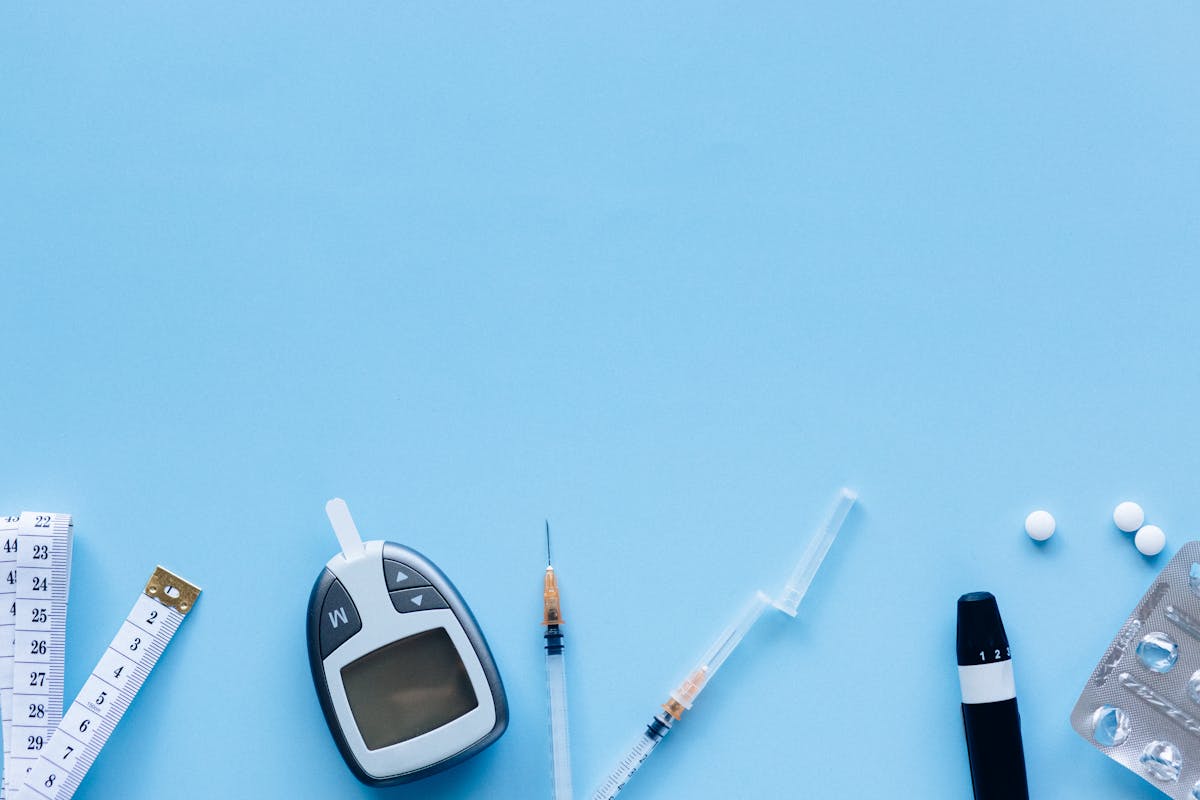
What Are GLP‑1 Medications Like Ozempic, Wegovy, Mounjaro, and Zepbound?
GLP‑1 agonists are medications that mimic a hormone your body naturally makes, called glucagon‑like peptide‑1. Semaglutide (Ozempic, Wegovy) and tirzepatide (Mounjaro, Zepbound) help regulate blood sugar and also act on the brain and digestive system to:
- Reduce appetite and cravings
- Slow gastric emptying (food leaves the stomach more slowly)
- Help stabilize blood sugar after meals
Many people on GLP‑1 drugs feel full on very small portions, or even forget to eat. That might sound ideal for weight loss, but it raises a new challenge: how to get enough protein, fiber, vitamins, and minerals when your appetite is suddenly muted.
People often say, “Food just doesn’t appeal to me the same way.” That shift can make it easier to lose weight—but it also makes intentional, nutrient‑dense eating more important than ever.
Why “Ozempic Diets” Are Everywhere Right Now
The rise of GLP‑1 weight‑loss diets is powered by a mix of celebrity buzz, personal storytelling, and aggressive marketing. High‑profile figures have either confirmed using these medications or been widely rumored to, while creators on TikTok, Instagram, and YouTube post:
- “What I eat in a day on Ozempic” videos
- Tips for managing nausea, constipation, or fatigue
- Before‑and‑after transformation photos and monthly progress updates
The term “Ozempic diet” isn’t a formal, science‑based plan. It’s more of a loose, evolving set of eating patterns people adopt once their hunger drops: smaller meals, softer foods, lighter cooking, and a sharper focus on nutrition per bite.
How GLP‑1 Drugs Change Appetite, Digestion, and Meals
When you start a medication like Wegovy, Ozempic, Mounjaro, or Zepbound, meals can feel completely different. Foods that once called your name may seem “too heavy,” and a few bites might feel like enough. Common experiences include:
- Feeling full very quickly, especially with large or high‑fat meals
- Nausea or queasiness with greasy, fried, or very rich foods
- Constipation or, less commonly, loose stools
- Low interest in sweets or “binge” foods that used to be hard to resist
Nutritionally, all of this points toward one big idea: when you’re eating less food overall, every bite matters more. That’s why dietitians are emphasizing:
- 20–30 g of protein per meal to preserve lean muscle
- Fiber‑rich vegetables and whole grains to support digestion
- Healthy fats (olive oil, avocado, nuts) in gentle amounts for satiety
- Hydration + electrolytes to ease nausea and constipation
Beyond the Scale: Building Habits for Life After GLP‑1s
Research and real‑world experience both suggest that when people stop GLP‑1 medications, some or much of the weight can return, especially if eating patterns and movement haven’t changed underneath the medication support. That’s why the conversation in 2025–2026 is shifting from “How fast can I lose?” to “How can I live with this long term?”
Many clinicians and dietitians now frame GLP‑1s not as a shortcut, but as one tool in long‑term obesity care—used alongside:
- Resistance training to build or maintain muscle mass
- Walking and everyday movement to support cardiovascular health
- Sleep routines that regulate hunger and energy
- Mental health support for emotional eating, body image, and stress

Ethics, Access, and the Ongoing Debate
The popularity of Ozempic‑style weight‑loss has raised important questions about fairness, access, and how we think about obesity. At times, widespread off‑label prescribing for weight loss has contributed to shortages for people with diabetes who rely on these drugs for blood sugar control.
Online, you’ll see heated discussions: Are GLP‑1s a “cheat code,” or are they finally giving people a realistic way to manage a complex, chronic disease? Modern obesity science leans toward the latter—recognizing the roles of genetics, environment, hormones, and social factors.
Key Nutrition Strategies for GLP‑1 Weight‑Loss Diets
Dietitians who specialize in GLP‑1 care often come back to a few core guidelines that blend science with real‑world comfort:
- Aim for 20–30 g of protein at each meal. Think Greek yogurt, eggs, tofu, fish, poultry, beans, or protein‑fortified smoothies.
- Start with softer, lower‑fat foods early in treatment to reduce nausea—soups, stews, slow‑cooked meats, mashed beans, smoothies, and tender veggies.
- Try smaller, more frequent meals if full plates feel overwhelming. A “mini‑meal” every 3–4 hours can be easier than 2–3 large ones.
- Limit alcohol and ultra‑processed foods, which may worsen GI symptoms and undermine nutrient density.
- Stay hydrated with water, herbal tea, and light broths; consider electrolytes if you’re struggling with nausea or poor appetite.
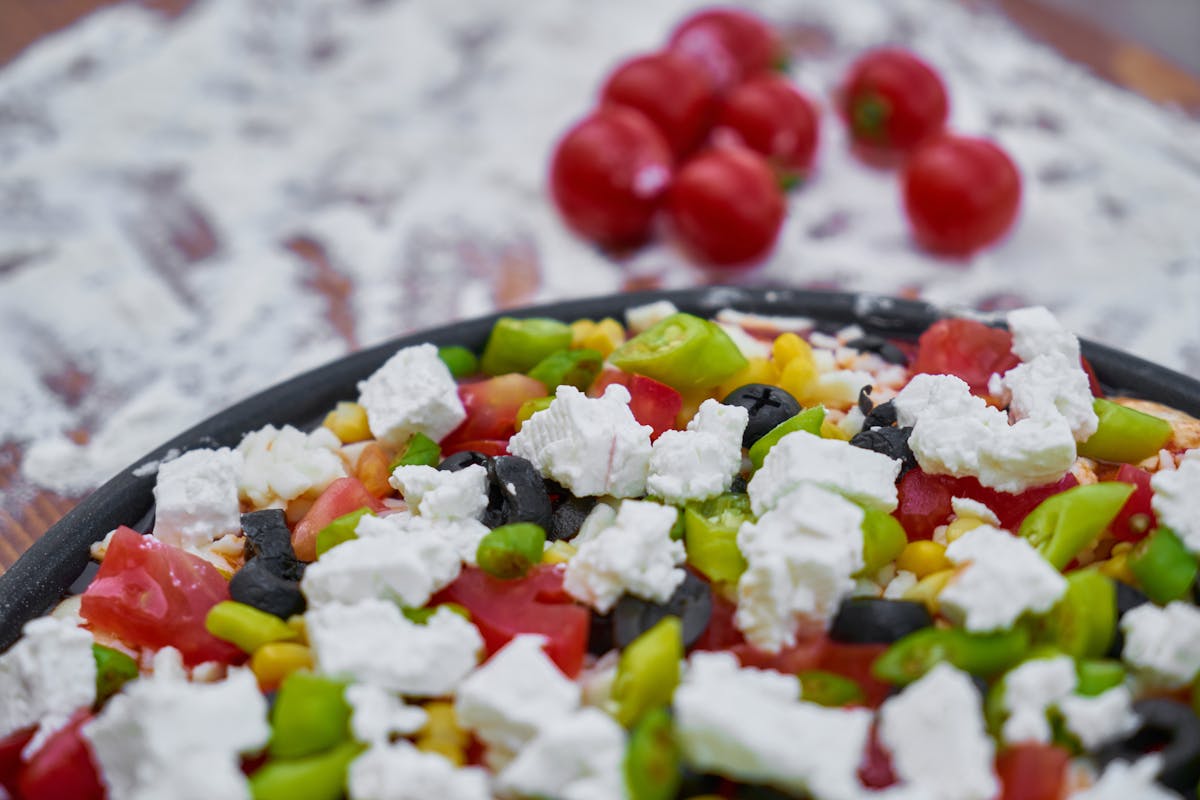
A Gentle, GLP‑1‑Friendly Sample Day of Eating
To make this more concrete, here’s an example of how someone on a GLP‑1 medication might eat in a way that supports their body without overwhelming their stomach. Portions can be small—listen to your fullness cues and stop when you’re satisfied.
Morning: Protein‑Rich, Easy‑to‑Digest Breakfast
A small bowl of Greek yogurt topped with soft berries and a sprinkle of oats or ground flax, plus herbal tea or water.
Mid‑Morning: Light Snack (If Hungry)
A mini smoothie made with protein powder, half a banana, and unsweetened almond milk, blended until silky.
Afternoon: Tender Protein and Vegetables
A small portion of baked salmon or tofu with very soft roasted carrots and zucchini, drizzled with a little olive oil, and a few spoonfuls of quinoa or mashed beans.
Evening: Comforting Soup‑Style Meal
A cup of chicken, lentil, or vegetable soup with tender veggies and small pieces of protein, plus a slice of soft whole‑grain bread if it feels comfortable.
Looking Ahead: From Quick Fix Narratives to Long‑Term Care
As more long‑term data emerges on GLP‑1 drugs—covering not just weight, but heart health, blood sugar, and side‑effect profiles—the public conversation is maturing. We’re moving away from framing Ozempic and Wegovy as miracle “skinny shots” and toward understanding them as part of comprehensive obesity treatment.
In this new era, the most helpful “Ozempic diets” aren’t crash plans or rigid rules. They’re flexible, nutrient‑dense ways of eating that:
- Respect your lighter appetite instead of fighting it
- Protect your muscles, energy, and mood
- Support your gut, heart, and long‑term metabolic health
- Fit your culture, preferences, and daily life
If you’re using—or considering—GLP‑1 medications, working with a healthcare provider and, ideally, a registered dietitian can help you turn this powerful tool into a sustainable path toward health, not just a momentary change on the scale.
