
High-Protein Girl Dinner 2.0: Snack-Plate Suppers That Actually Keep You Full
High‑Protein “Girl Dinner” 2.0: Balanced Snack Plates That Truly Satisfy
The viral “girl dinner” trend has grown up. What started as a tongue‑in‑cheek plate of random snacks—some cheese, a handful of crackers, maybe a pickle or two—has evolved into intentional, high‑protein, nutrient‑dense snack plates that actually keep you full. Today’s “girl dinner” (or snack‑plate supper, if you prefer) is about quick assembly, minimal cooking, and smart balance: a solid protein anchor, plenty of color, satisfying carbs, and lush, healthy fats.
Think of it as the modern grazer’s answer to weeknight cooking: pull a few things from the fridge, arrange them beautifully, and sit down to a dinner that feels fun, not fussy. Below, you’ll find a complete, mix‑and‑match recipe for a High‑Protein Girl Dinner Snack Plate, plus tips, cultural context, and variations for every mood and dietary style.
From Random Snacks to High‑Protein “Girl Dinner”
When “girl dinner” first blew up on TikTok, it celebrated the reality of low‑effort evenings: a slice of cheese here, half a baguette there, maybe a couple of olives and some fruit. It was minimalist, honest, and a little chaotic—and many people saw themselves in it.
As the trend spread across TikTok, Instagram Reels, and YouTube Shorts, dietitians and wellness creators began nudging it in a new direction. Instead of glorifying tiny plates of bread, cheese, and wine, they started showcasing:
- A clear protein anchor: tuna, salmon, tofu, edamame, cottage cheese, Greek yogurt dips, deli turkey, hard‑boiled eggs, or rotisserie chicken.
- Colorful produce: crunchy bell peppers, juicy cherry tomatoes, berries, grapes, cucumbers, leafy greens.
- Quality carbohydrates: whole‑grain crackers, sourdough slices, quinoa salad, roasted sweet potato bites, or hummus with warm pita.
- Healthy fats: nuts, seeds, avocado, olives, and generous drizzles of extra‑virgin olive oil.
This evolution—often called “high‑protein girl dinner” or “balanced snack plates”—lines up with broader nutrition messaging that highlights the importance of protein for satiety, blood‑sugar balance, and muscle maintenance, especially for women who have historically under‑eaten protein.
Pick a protein, add fiber and color, include a fat, then assemble it in a way that makes you excited to eat.
The format is here to stay because it fits real life: small kitchens, limited cooking skills, weird schedules, and a love of grazing. It’s also gently anti‑perfectionist—dinner doesn’t need a three‑course script to be valid.
High‑Protein Girl Dinner Snack Plate (Mix‑and‑Match Recipe)
Prep time: 10 minutes
Cook time: 0–10 minutes (optional)
Total time: 10–15 minutes
Servings: 1 large plate (easily scaled)
Difficulty: Easy (beginner‑friendly)
This is less a strict recipe and more a framework. Using the guide below, you’ll build a snack plate that hits roughly 25–30 g of protein, features vibrant vegetables and fruit, and includes enough carbs and fat to feel like a full, satisfying meal—not a prelude to raiding the pantry at 10 p.m.

Ingredients (Choose‑Your‑Own Plate)
For each serving, pick at least 1–2 options from each category. Quantities below are suggestions for building a single hearty plate.
Protein Anchor (aim for ~25–30 g protein total)
- 1 small can (100–120 g drained) tuna or salmon, mixed with a little olive oil or Greek yogurt
- 120 g (about 4 oz) rotisserie chicken or sliced deli turkey (look for lower‑sodium)
- 150 g (about 3/4 cup) cottage cheese or 170 g (1 single‑serve cup) plain Greek yogurt
- 150 g (about 1 cup) firm tofu, cubed and pan‑seared or served cold with soy sauce and sesame oil
- 2 hard‑boiled eggs
- 150 g (about 1 cup) edamame (shelled, cooked)
Colorful Veggies & Fruit
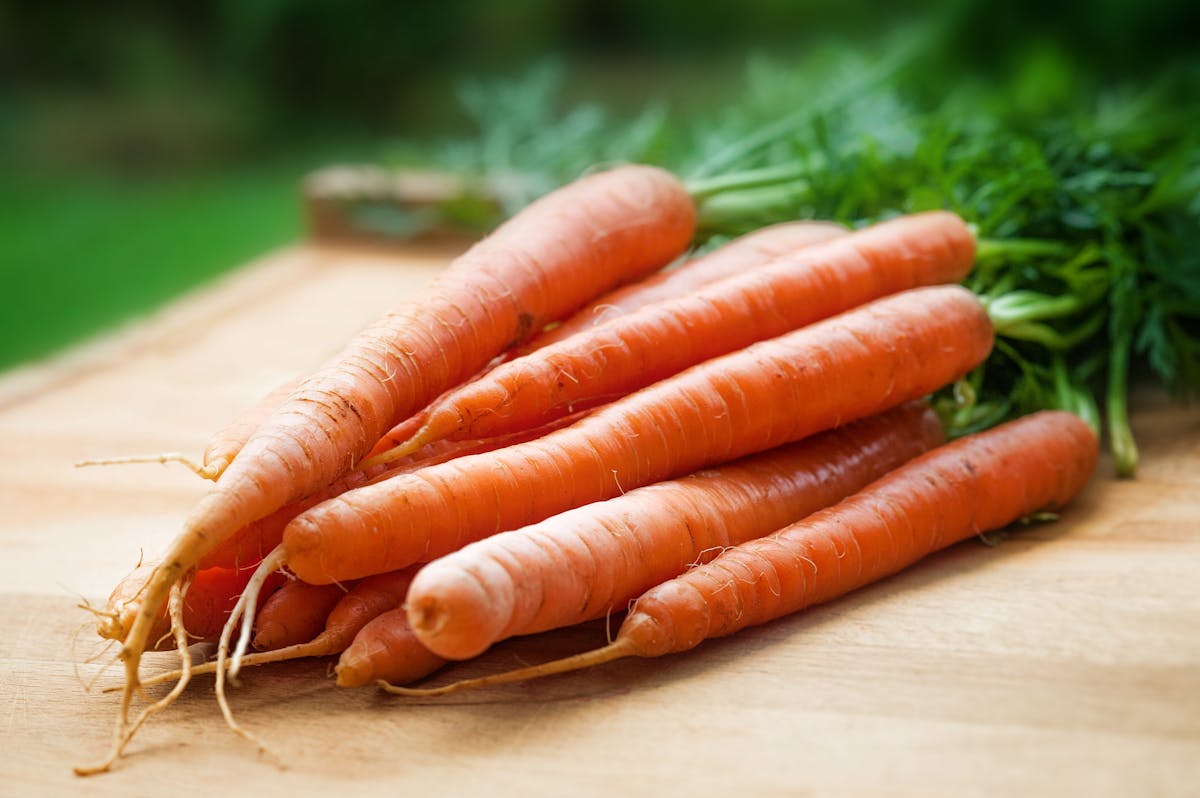
- 1 small handful baby carrots or carrot sticks
- 1/2 cup cucumber rounds or sticks
- 1/2 cup bell pepper strips (any color)
- 1/2 cup cherry or grape tomatoes
- 1/2 cup berries, grapes, or sliced apple/pear
- 1 cup leafy greens (baby spinach, arugula, mixed salad leaves)
Quality Carbs
- 4–6 whole‑grain crackers or crispbreads
- 1 slice whole‑grain or sourdough bread, toasted and cut into strips
- 1/2 cup cooked quinoa salad or other whole grain (farro, brown rice)
- 1/2 cup roasted sweet potato cubes
- 1 small whole‑wheat pita, cut into wedges
Healthy Fats & Flavor Boosters
- 1–2 tbsp hummus or tahini sauce
- 1–2 tbsp nuts (almonds, pistachios, walnuts) or seeds (pumpkin, sunflower)
- 1/4 avocado, sliced
- 6–8 olives
- 1–2 tbsp cheese (feta crumbles, Parmesan shavings, or a couple of small slices of aged cheese)
- 1–2 tsp extra‑virgin olive oil for drizzling
Optional Dips & Extras
- 2–3 tbsp Greek yogurt dip (tzatziki, herbed yogurt, or ranch made with yogurt)
- 2–3 tbsp salsa or pico de gallo
- 1–2 tbsp pesto or tapenade
- Lemon wedges, flaky salt, pepper, chili flakes, fresh herbs
Equipment & Tools
- 1 medium to large plate, platter, or small board
- Sharp knife for slicing vegetables, fruit, and bread
- Cutting board
- Small bowls or ramekins for dips and spreads (optional, but great for presentation)
- Measuring cups/spoons if you’d like to track portions or protein more precisely
Step‑by‑Step: Building Your High‑Protein Girl Dinner Plate
Think of this as assembling more than cooking. If you can slice vegetables and open a can, you can make this dinner.
- Choose your protein base.
Decide what sounds good and what you have on hand. Open your can of tuna or salmon, scoop cottage cheese or Greek yogurt into a small bowl, or pile sliced chicken or tofu on one side of your plate. Aim for a portion that contains at least 25 g of protein—for example, 150 g Greek yogurt plus a small handful of edamame. - Prep your veggies and fruit.
Rinse and pat dry your produce. Slice cucumbers, bell peppers, and fruit into bite‑sized pieces or strips. Keep the cuts roughly similar in size for a satisfying, snacky feel. Arrange them in friendly little piles or a rainbow around your protein. - Add your carbs with intention.
Toast a slice of whole‑grain bread (if using) and cut it into fingers or triangles. Add a small scoop of quinoa salad, roasted sweet potatoes, or a neat stack of whole‑grain crackers. Aim for a fist‑sized portion of starchy carbs. - Layer in healthy fats and flavor.
Nestle in a few olives, a small handful of nuts, avocado slices, or a spoonful of cheese. Add a ramekin of hummus, yogurt‑based dip, or salsa. Finish with a drizzle of extra‑virgin olive oil over your protein or veggies, and season everything with salt, pepper, and chili flakes or herbs, if you like. - Make it visually joyful.
This step is optional but powerful: take 30 seconds to arrange everything in a way that makes you happy. Group similar colors together or alternate them. Tuck lemon wedges in between piles. A pretty plate often feels more satisfying, even if the ingredients are very simple. - Pause, plate check, and eat mindfully.
Glance at your plate: do you see a protein anchor, at least two colors of plants, a source of carbs, and some healthy fat? If so, you’re set. Sit down, take a breath, and enjoy your high‑protein girl dinner without multitasking if you can. You’ve just made yourself a balanced meal in under 15 minutes.
Flavor Variations & Theme Ideas
Once you have the basic formula down, you can lean into whatever cuisine or mood speaks to you that night.
1. Mediterranean High‑Protein Plate
- Protein: hummus + Greek yogurt tzatziki + a boiled egg or grilled chicken strips
- Veggies: cucumbers, cherry tomatoes, olives, roasted red peppers
- Carbs: whole‑wheat pita wedges or whole‑grain crackers
- Fats: olive oil drizzle, feta, nuts
2. Vegetarian Cottage Cheese Power Plate
- Protein: generous scoop of cottage cheese + roasted chickpeas
- Veggies: bell peppers, carrots, cucumbers, mixed greens
- Carbs: quinoa salad or whole‑grain toast
- Fats: avocado slices, seeds, olive oil
3. Lower‑Carb Deli and Veg Plate
- Protein: turkey or chicken roll‑ups with cheese sticks
- Veggies: raw veggie medley + pickles
- Carbs: a small handful of crackers (or skip, if desired)
- Fats: nuts, olives, a creamy Greek yogurt dip
Storage & Make‑Ahead Tips
High‑protein snack plates are ideal for meal‑prep without the monotony. Think in components rather than fully assembled plates.
- Prep ahead (3–4 days): Wash and cut sturdy veggies (carrots, peppers, cucumbers), cook a batch of grains, boil eggs, and portion nuts into small containers.
- Same‑day assembly: Add cut fruit and softer greens right before eating to keep textures fresh and crisp.
- Protein storage: Cooked chicken, tofu, and hard‑boiled eggs keep well in airtight containers in the fridge for 3–4 days; canned fish should be transferred to a sealed container and eaten within 2–3 days once opened.
- Reheating: Most snack plates are best cold or room temperature. If using roasted veggies or grains, gently rewarm them in the microwave for 20–40 seconds if you prefer them warm.
- Work or school lunches: Pack each component in its own section of a lunch box to preserve textures; keep dips in leak‑proof containers.
Serving Suggestions & Pairings
A high‑protein girl dinner plate is already a complete meal, but you can easily scale it up or down depending on your hunger and context.
- For a cozy solo dinner: Enjoy your plate with sparkling water, herbal tea, or a small glass of wine if you drink alcohol.
- For a casual gathering: Turn this concept into a DIY snack‑plate bar. Lay out proteins, veggies, carbs, and dips, and let everyone build their own balanced board.
- To boost volume: Add a simple side salad or an extra cup of vegetables if you’re hungrier or recovering from a workout.
- For an afternoon power snack: Make a mini version with half portions to bridge the gap between lunch and a later dinner.
Girl Dinner, Culture, and Taking Up Space with Food
As the trend evolved through 2024 and 2025, some critics pointed out that early versions of “girl dinner” could normalize very small portions or joke about not eating a “real meal.” In response, many creators now emphasize eating enough—highlighting generous portions, hearty grains, and that 25–30 g protein target.
In many ways, high‑protein girl dinner has become a gateway to basic nutrition education for younger audiences online: pick a protein, add fiber and color, include fat, and don’t be afraid of making your plate substantial. It’s a small but powerful shift from “cute snacks” to intentional nourishment.
Whether you call it girl dinner, snack‑plate supper, or simply “things I like on a plate,” you deserve a meal that feels playful, satisfying, and easy enough to throw together at the end of a long day.
Recipe Metadata
The following structured data helps search engines understand this high‑protein snack plate recipe:
