
Ozempic, GLP‑1 Drugs & the ‘Ozempic Diet’: How to Eat Well with Tiny Appetites
Ozempic, GLP‑1 Drugs, and the ‘Ozempic Diet’ Debate: Nutrition, Muscle & Joyful Eating
GLP‑1 medications like Ozempic and Wegovy have transformed the weight‑loss landscape—and the way many people experience food. These powerful drugs can make you feel pleasantly satisfied after just a few bites, but they also raise important questions: What happens to your nutrition when you eat so much less? How do you protect your muscles, your bones, and your long‑term health while appetite is dialed way down?
On social media, this has been packaged as the “Ozempic diet.” In reality, there’s no single official diet. Instead, the conversation is about how to eat nourishing, protein‑rich, high‑fiber meals in smaller portions, while navigating side effects like nausea and food aversions—and still finding pleasure in eating.
How GLP‑1 Drugs Like Ozempic Affect Hunger, Fullness, and Food Choices
GLP‑1 receptor agonists—medications such as semaglutide (Ozempic, Wegovy) and others in the same family—mimic a natural gut hormone called GLP‑1 (glucagon‑like peptide‑1). They were originally developed for type 2 diabetes, but their effect on appetite and weight made them front‑page news.
On these medications, many people notice:
- Slower gastric emptying – food leaves the stomach more slowly, so you stay fuller for longer.
- Earlier satiety – you feel “done” after a much smaller portion, sometimes after just a few bites.
- Lower appetite and food noise – less intrusive thinking about food, cravings, or constant snacking.
- Possible side effects – nausea, bloating, constipation, or a general loss of interest in eating.
This can be a relief if you’ve struggled with intense hunger. But when total intake drops sharply, it becomes very easy to under‑eat protein, fiber, healthy fats, and key micronutrients. That’s where the nutrition concerns start—and where smart meal planning can make a big difference.
Why the “Ozempic Diet” Isn’t a Real Diet Plan
On TikTok and Instagram, “Ozempic diet” often looks like people living on coffee, a few bites of takeout, or random snacks—because they simply don’t feel hungry. But clinicians and dietitians emphasize that:
Weight loss alone does not guarantee better health. How you lose it and what you eat along the way matter enormously.
Rapid weight loss without adequate nutrition can lead to:
- Sarcopenia – loss of muscle mass and strength.
- Reduced bone density – especially if calcium, vitamin D, and protein are low.
- Slower metabolism – which can make long‑term weight maintenance harder.
- Fatigue and hair changes – common signs of nutrient shortfalls.
So instead of a strict “Ozempic meal plan,” experts talk about a framework: small, intentional meals that are packed with protein, fiber, and healthy fats, while still honoring cultural foods and personal preferences.
Core Nutrition Priorities on GLP‑1: Protein, Fiber, Fats & Micronutrients
Think of every bite as “high‑value real estate.” When your portions shrink, each mouthful has to work harder for you. Most evidence‑informed GLP‑1 nutrition guidance revolves around four pillars:
1. Protein First to Protect Muscles
Protein is your best ally against muscle loss. During rapid weight loss, your body will happily shed both fat and muscle unless you give it a reason not to—namely, regular protein intake + resistance training.
- Aim to include high‑quality protein at every eating occasion.
- Common choices: eggs, Greek yogurt, cottage cheese, tofu, tempeh, fish, poultry, lean meats, legumes, edamame, protein‑fortified plant milks.
2. Fiber‑Rich, Slow‑Burn Carbohydrates
Because GLP‑1 drugs already slow digestion, the goal isn’t to avoid carbs—it’s to choose high‑fiber, lower‑glycemic sources that support gut health and blood‑sugar balance without causing huge spikes.
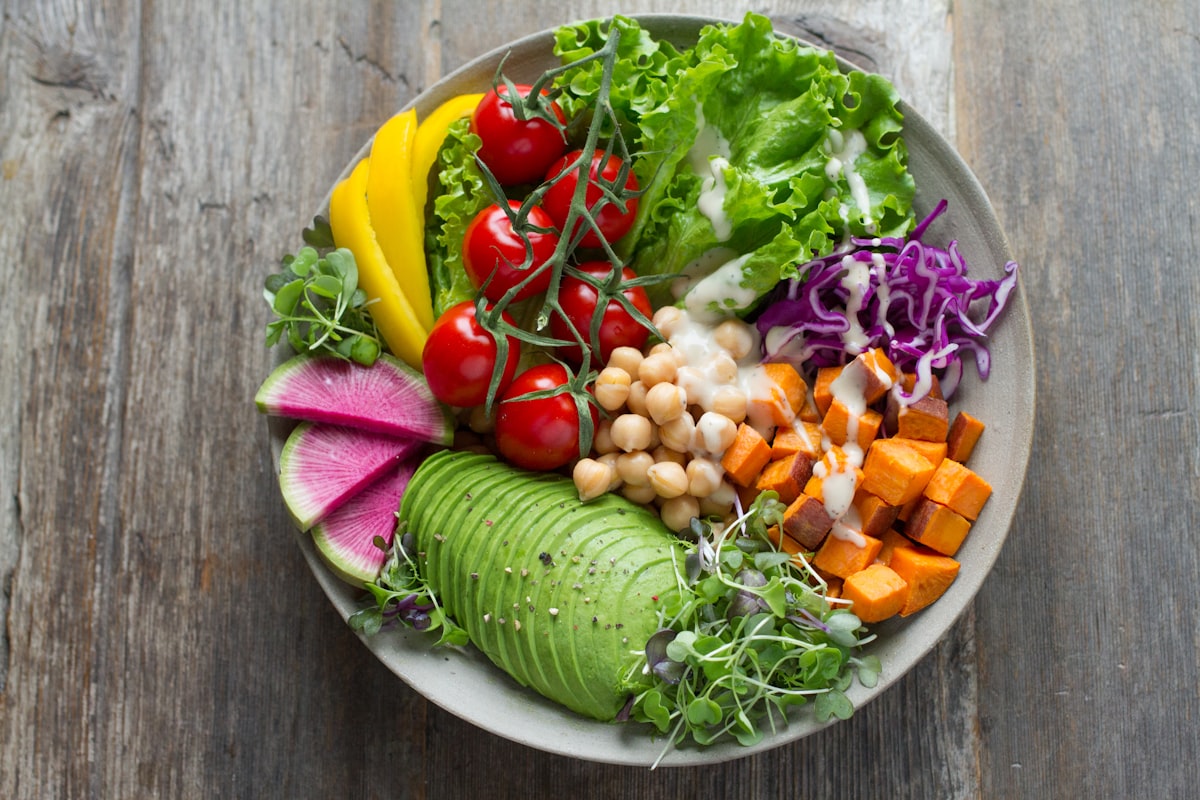
- Non‑starchy vegetables: leafy greens, cucumbers, peppers, broccoli, carrots.
- Whole grains: oats, quinoa, farro, brown rice, whole‑grain breads and pastas.
- Pulses: lentils, chickpeas, black beans, kidney beans.
- Fruits: berries, apples, pears, oranges, kiwi.
3. Healthy Fats for Hormones and Satisfaction
A little fat goes a long way in small meals. It supports hormone production, brain function, and fat‑soluble vitamin absorption—and makes food taste luxurious.
- Use extra‑virgin olive oil for dressings and low‑to‑medium heat cooking.
- Add avocado, nuts, seeds, and nut butters in modest portions.
- Include fatty fish like salmon, trout, or sardines when possible.
4. Micronutrient Coverage
When you’re eating much less, it can be hard to meet needs for iron, calcium, vitamin D, B vitamins, and electrolytes. A balanced pattern of colorful plants plus protein foods helps, and some people may benefit from a multivitamin or targeted supplements based on lab work.
Social Media, Celebrity Culture, and the “Ozempic Body” Narrative
Celebrity disclosures and influencer trends have pushed GLP‑1s into the spotlight, but they’ve also fueled some unhelpful myths: that diet quality no longer matters, that GLP‑1s are a “shortcut” instead of a medical treatment, or that everyone on these medications is chasing a single idealized body type.
Health professionals increasingly push back by focusing on:
- Long‑term wellbeing over rapid scale changes.
- Reducing stigma toward people using GLP‑1s, whether for diabetes or obesity.
- Behavior change and skills—like cooking simple, protein‑forward meals and learning basic strength training—alongside medication.
Many programs now combine GLP‑1 therapy with structured nutrition coaching and resistance exercise, aiming to preserve lean mass and build sustainable habits that last well beyond the injection.

Eating with Nausea, Fullness, and Constipation: Practical Strategies
Side effects can make eating feel like a chore. You’re not alone if your favorite foods suddenly feel “too heavy,” or if the smell of cooking triggers queasiness. Gentle adjustments can help you stay nourished without overwhelming your stomach.
When Nausea Hits
- Favor cool or room‑temperature foods (warmth can intensify smells).
- Try smooth textures: blended soups, smoothies, yogurt bowls, silken tofu, mashed beans.
- Keep flavors mild but bright—a little citrus or fresh herb can lift a simple dish.
If You’re Always Full After a Few Bites
- Switch to smaller, more frequent mini‑meals instead of large plates.
- Eat protein‑rich foods first to make sure those few bites count.
- Sip liquids between meals rather than chugging right before or during.
For Constipation
- Gradually increase fiber from fruits, vegetables, and whole grains.
- Stay hydrated—small, regular sips can add up.
- Incorporate gentle movement like walking, which can stimulate digestion.
A Sample “Ozempic‑Friendly” Day of Eating: Small, Balanced, Satisfying
Everyone’s needs are different, but it can help to picture how a nutrient‑dense, lower‑volume day of eating might look. Portions here are intentionally modest, with an emphasis on protein and fiber.
Breakfast (or First Meal)
Greek yogurt parfait bowl: thick, tangy yogurt layered with a small handful of berries, a spoonful of chia or ground flax, and a drizzle of honey or sugar‑free sweetener, topped with a sprinkle of crunchy granola or nuts.
Midday Meal
Mini grain bowl: a scoop of quinoa or brown rice, a few slices of grilled chicken or baked tofu, chopped cucumbers and tomatoes, a spoonful of hummus, and a splash of olive oil and lemon.
Snack (If Desired)
Simple protein snack: a boiled egg with a pinch of salt and pepper, or a small cheese stick with a few whole‑grain crackers, or a half‑cup of edamame sprinkled with sea salt.
Evening Meal
Soft salmon & veggies: a small portion of baked salmon, flaky and tender, served with steamed green beans and carrots, plus a spoonful of mashed potatoes drizzled with olive oil.
High‑Protein Creamy Chicken & White Bean Soup (GLP‑1 Friendly)
This cozy, high‑protein chicken and white bean soup is designed for smaller appetites: it’s soft, gentle on the stomach, and absolutely loaded with flavor. A small bowl delivers protein, fiber, and healthy fats—perfect for days when you can only manage a few comforting spoonfuls.

Prep time:
Cook time:
Total time:
Servings: 4 small bowls
Difficulty: Easy
Ingredients
- 1 tablespoon extra‑virgin olive oil
- 1 small onion, finely diced
- 2 small carrots, peeled and diced
- 2 celery stalks, diced (optional if rough on your stomach)
- 2 cloves garlic, minced
- 2 cups low‑sodium chicken broth (or vegetable broth)
- 1 cup water (more to thin if needed)
- 1 can (15 oz / ~425 g) white beans, drained and rinsed
- 1 cup cooked shredded chicken breast (or rotisserie chicken, skin removed)
- 1/2 cup plain Greek yogurt (2% or whole milk) or lactose‑free yogurt
- 1 teaspoon dried thyme or Italian herb blend
- 1/2 teaspoon fine sea salt, more to taste
- 1/4 teaspoon black pepper (optional, skip if reflux is an issue)
- Juice of 1/2 lemon (for brightness)
- Fresh parsley or chives, chopped, for garnish (optional)
Equipment
- Medium soup pot
- Cutting board and knife
- Wooden spoon
- Ladle
- Immersion blender or regular blender (for a smoother texture)
Step‑by‑Step Instructions
- Sauté the aromatics.
In a medium pot, heat the olive oil over medium heat. Add the diced onion, carrots, and celery. Cook, stirring occasionally, until the vegetables are soft and fragrant, about 5–7 minutes. Add the garlic and cook for 30 seconds more, just until fragrant. - Add beans and liquids.
Stir in the white beans, chicken broth, water, thyme, salt, and pepper (if using). Bring the mixture to a gentle simmer. - Blend for creaminess.
Using an immersion blender, blend the soup partially until about half the beans are smooth and half remain whole. If using a regular blender, carefully transfer 2–3 ladles of soup to the blender, puree until smooth, then pour back into the pot. This creates a naturally creamy base without heavy cream. - Add the chicken.
Stir in the shredded chicken. Simmer for another 5–7 minutes, until the flavors meld and the soup is piping hot. If it looks too thick, add a splash of water or broth. - Finish with yogurt and lemon.
Turn the heat down to low. In a small bowl, whisk the Greek yogurt with a ladle of hot soup to gently warm it (this helps prevent curdling). Stir the warmed yogurt mixture back into the pot, along with the lemon juice. Taste and adjust seasoning. - Serve gently.
Ladle the soup into small bowls. Garnish with chopped parsley or chives if you like. Let it cool slightly before eating if very hot foods tend to trigger nausea.

Storage & Reheating
- Fridge: Store in an airtight container for up to 3–4 days.
- Freezer: Freeze in small portions for up to 2–3 months. Thaw overnight in the refrigerator.
- Reheating: Warm gently on the stove over low heat or in the microwave at 50–70% power, stirring occasionally. Add a splash of water or broth if it thickens.
Serving Suggestions
Keep portions small and balanced. Pair a bowl with:
- A slice of whole‑grain toast brushed with olive oil.
- A simple side of steamed or roasted vegetables, well‑softened.
- A few crackers or a small piece of soft bread if that sits better.
Why Resistance Training Matters So Much on GLP‑1 Medications
Nutrition is only half of the muscle‑preservation story. The other half is movement—especially strength work. When your body senses fewer calories coming in, it becomes more willing to let go of muscle tissue unless you “tell” it that muscle is essential.
- Think simple: bodyweight squats to a chair, wall push‑ups, resistance band rows.
- Start small: 2–3 sessions per week, even 10–15 minutes, can be meaningful.
- Pair with protein: Try to eat a protein‑containing meal or snack within a few hours of training.
The Psychological Side: Fear of Regain, Identity, and Food Joy
Many people on GLP‑1 therapy quietly worry: What happens if I stop? Will all the weight come back? That fear can make eating feel tense or transactional. It can also contribute to the myth that you must choose between medication and behavior change.
The emerging best practice is both/and:
- Use the appetite changes from GLP‑1s as a window of opportunity to build gentler, more supportive habits.
- Practice mindful, enjoyable eating even in small portions—savoring aroma, temperature, and texture.
- Work with professionals who respect your goals and your lived experience, not just the number on the scale.
You are not a “success” or a “failure” based on your medication use. GLP‑1 drugs are tools; your worth is not up for debate.
Bringing It All Together: A Compassionate, Evidence‑Based “Ozempic Diet”
In the end, the “Ozempic diet” isn’t a rigid menu—it’s a set of principles for eating well when your appetite is dramatically quieter:
- Prioritize protein at every meal to protect muscle and metabolism.
- Fill the rest of your plate with fiber‑rich plants and modest portions of healthy fats.
- Adjust texture, temperature, and meal timing to work with your side effects, not against them.
- Pair your nutrition strategy with gentle resistance training to preserve strength.
- Stay curious, flexible, and kind to yourself as your body adapts.
With thoughtful planning—and support when you need it—you can let GLP‑1 medications do their medical job while you continue to build a peaceful, satisfying relationship with food. Smaller plates can still hold big nourishment, rich culture, and real pleasure.
