
High-Protein Girl Dinner 2.0: Easy Snack Plates That Actually Fill You Up
High‑Protein “Girl Dinner” & Snack Plates 2.0
The original “girl dinner” trend on TikTok was all about raiding the fridge, grabbing a handful of snacks, and calling it dinner—think cheese, crackers, pickles, fruit, maybe a handful of chips. Fun, relatable, and delightfully low‑effort? Absolutely. Filling and nutrient‑dense? Not always. By late 2024 and into 2025–2026, creators started evolving the trend into high‑protein, balanced snack plates that still feel playful and aesthetic, but now deliver enough protein, fiber, and color to count as a truly satisfying meal.
These new‑wave plates—often tagged as “high‑protein girl dinner,” “gym girl dinner,” or “balanced girl dinner”—anchor the fun of snacky eating in solid nutrition: Greek yogurt and cottage cheese bowls, tinned fish with whole‑grain crackers, tofu cubes with edamame, and bright piles of crunchy vegetables and fruit. In this guide, you’ll learn how to build your own macro‑friendly snack plate plus get a complete, step‑by‑step High‑Protein Girl Dinner Snack Plate 2.0 recipe you can customize endlessly.
How “Girl Dinner” Evolved into High‑Protein Snack Plates
On TikTok, Instagram Reels, and YouTube Shorts, creators have taken the casual charm of girl dinner and layered on nutrition know‑how. Today’s plates almost always feature:
- Protein anchors like Greek yogurt, cottage cheese, rotisserie chicken, sliced turkey, boiled eggs, tofu, edamame, or tinned fish.
- Fiber‑rich carbs such as whole‑grain crackers, seeded bread, quinoa salad, lentil crisps, or chickpea pasta bites.
- Healthy fats from avocado, olives, hummus, nuts, seeds, or nut butters.
- Colorful produce—crisp veggies, juicy berries, grapes, cherry tomatoes, and leafy greens.
The vibe is still low‑pressure—assemble, don’t “properly cook”—but with more intention. Many creators now list 30g protein girl dinner
or 40g gym girl dinner
in their captions, turning snack plates into bite‑sized macro lessons while responding to earlier concerns about under‑fueling and diet culture.
High‑Protein Girl Dinner Snack Plate 2.0 (Balanced & Satisfying)

Prep time:
Cook time: (no‑cook)
Total time:
Servings: 1 hearty dinner plate
Difficulty: Easy (perfect for beginners)
Dietary: High‑protein, gluten‑free option, meal‑prep friendly
Think of this recipe as a framework rather than a rigid formula: we’ll build a plate that hits around 25–35 g of protein, packs in fiber and healthy fats, and looks so inviting you’ll want to snap a picture before you eat. It’s ideal for busy evenings, post‑workout refuels, or those nights when you’re “too tired to cook” but still want something nourishing.
Ingredients for a Balanced High‑Protein Snack Plate
Below is a template plate designed for one very satisfying meal. Multiply as needed for more people or hungrier days. Choose one option from each “anchor” line depending on your preferences.
Protein Anchor (aim for 20–30 g)
- 150 g (about 3/4 cup) 2%–5% Greek yogurt or cottage cheese
- 80–100 g roasted chicken or turkey breast slices or firm tofu, cubed
- Optional: 1 hard‑boiled egg, halved, for extra protein and richness
Fiber‑Rich Carbs
- 6–8 small whole‑grain or seeded crackers (about 25–30 g)
- 1 small slice whole‑grain or sourdough bread, toasted and cut into fingers (optional)
Healthy Fats & Dips
- 2–3 tbsp hummus (about 40 g)
- 1/4 medium avocado, sliced or mashed with a pinch of salt
- 1 tbsp mixed nuts or seeds (almonds, walnuts, pumpkin seeds, sunflower seeds)
Colorful Produce
- 1 small carrot, cut into sticks
- 1/4 cucumber, sliced into rounds or spears
- 4–6 cherry tomatoes or sweet bell pepper strips
- 1/2 cup berries or grapes, washed and dried
Flavor Extras (Optional but Fun)
- 1–2 tbsp olive mix or a few cornichons / pickles
- 1 tsp honey or hot honey for the yogurt/cottage cheese
- Sprinkle of everything bagel seasoning, flaky sea salt, or chili flakes
Equipment & Tools
- 1 medium or large dinner plate or small platter
- 1–2 small ramekins or dipping bowls for hummus and yogurt
- Cutting board and sharp knife for vegetables and fruit
- Measuring spoons (for nuts, seeds, and hummus)
- Optional: small spoon or spatula for swirls and drizzles if you’re styling for photos
Step‑by‑Step: Assemble Your High‑Protein Girl Dinner Plate
This is more about assembly and aesthetics than traditional cooking. Take your time to arrange things in little clusters—it’s amazing how much more satisfying dinner feels when it looks beautiful.
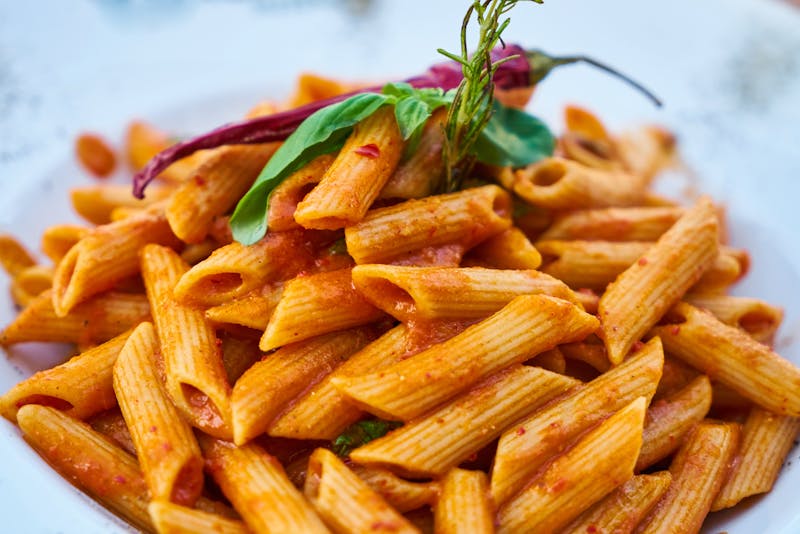
- Prep your veggies and fruit
Rinse and dry the carrots, cucumber, tomatoes, peppers, and berries or grapes. Cut the carrot into sticks, slice the cucumber, and halve any larger tomatoes or grapes for easier, safer biting. Pat everything dry so it doesn’t water down the plate.
- Set up your protein anchor
Spoon the Greek yogurt or cottage cheese into a small bowl or ramekin. If you’re using turkey, chicken, or tofu, slice it into bite‑sized pieces or neat strips and fan them along one side of the plate. Add a halved boiled egg if you’re using one.
Protein first: eggs, lean meats, tofu, or cheese create the satisfying base of your girl dinner 2.0 plate. - Add dips and healthy fats
Spoon hummus into another small bowl or directly onto the plate in a generous swoop. Add avocado slices or a small scoop of mashed avocado, tucking them next to the crackers or protein. Sprinkle nuts and seeds in a little pile or over the yogurt for texture.
- Fill the gaps with color
Arrange the carrot sticks, cucumber slices, and cherry tomatoes in clusters, alternating colors so no two similar colors sit side‑by‑side. Nestle the berries or grapes into an open spot on the plate. You’re aiming for a rainbow effect—this boosts both presentation and micronutrients.
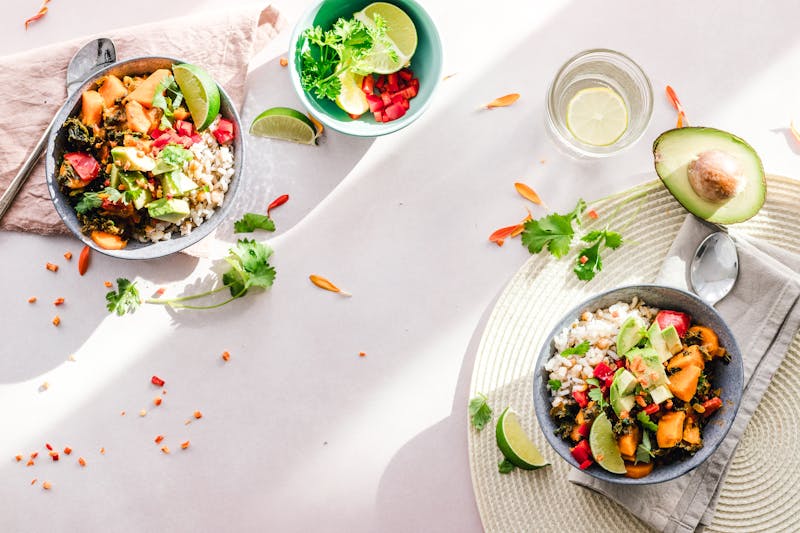
A rainbow of fruits and vegetables brings crunch, sweetness, and a big boost of vitamins and fiber. - Add crackers and bread last
Slide whole‑grain crackers or toast fingers along the edge of the plate, slightly overlapping for an effortless “cascading” look. Keeping them away from the juicier produce helps them stay crisp.
- Finish with flavor and flair
Drizzle a little honey over the yogurt or cottage cheese if you enjoy a sweet‑savory contrast. Scatter everything bagel seasoning over avocado or eggs. Tuck in a few olives or pickles for briny pops of flavor. Step back, admire your work, and snap a quick photo—your high‑protein girl dinner is ready.
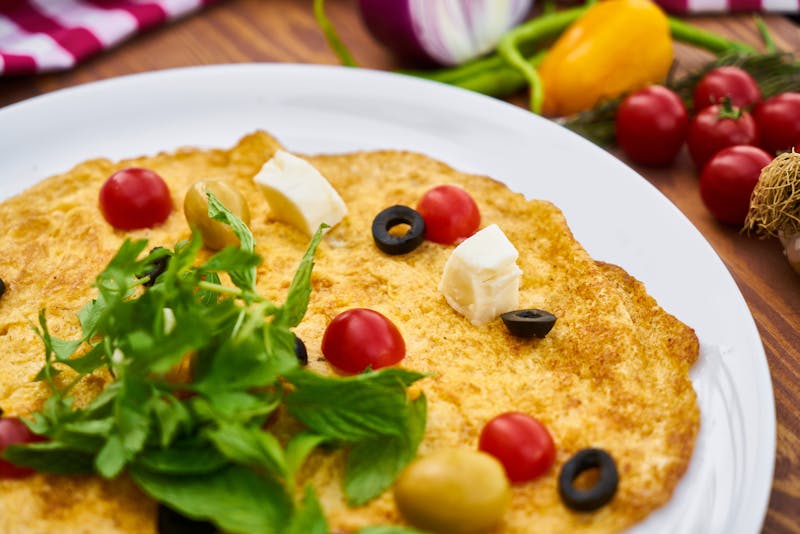
Finished plate: an aesthetic, macro‑friendly girl dinner that feels like a grazing board but eats like a complete meal.
Variations: Vegan, Gluten‑Free & Mediterranean‑Style Plates
One reason high‑protein girl dinner has stayed viral is how easy it is to customize for different eating patterns. Use the ideas below as mix‑and‑match templates.
Vegan High‑Protein Girl Dinner
- Protein: marinated tofu cubes, tempeh slices, edamame, or a thick scoop of lentil salad.
- Carbs: whole‑grain pita triangles, quinoa salad, or lentil crisps.
- Fats: hummus, tahini drizzle, avocado, nuts, and seeds.
- Extras: roasted chickpeas, pickled onions, crunchy radishes.
Gluten‑Free High‑Protein Plate
- Swap regular crackers for gluten‑free whole‑grain crackers or rice cakes.
- Use naturally gluten‑free grains like quinoa or brown rice salad as your carb side.
- Keep proteins simple and unbreaded: eggs, tinned fish, tofu, beans, or grilled meats.
Mediterranean‑Style Snack Plate
- Protein: canned tuna in olive oil, grilled chicken, or chickpeas.
- Carbs: whole‑grain pita wedges or farro salad.
- Fats: olives, extra‑virgin olive oil drizzle, hummus, and feta (if you eat dairy).
- Produce: cucumber, tomato wedges, bell peppers, and lemony arugula.

Nutrition Notes & Why Protein Matters Here
Balanced snack plates can absolutely function as complete meals—especially when they deliver 20–35 g of protein, some fiber, and a mix of fats and carbs. That protein sweet spot supports fullness, muscle maintenance, and steadier energy, which is why so many creators now showcase protein counts in their captions.
As dietitians have pointed out in response to early girl dinner criticism, the goal isn’t to eat as little as possible. Instead, it’s to:
- Listen to your hunger and honor it with enough food.
- Build plates that feel fun and low‑effort and leave you satisfied.
- Look at intake over the whole day—one snack plate might be perfect for a lighter meal, while active days may call for larger portions or extra sides.
Make‑Ahead, Storage & Reheating Tips
These plates are ideal for minimal‑cooking meal prep. A little advance chopping goes a long way.
- Prep ahead: chop firm veggies (carrots, peppers), cook a batch of eggs, and portion nuts, crackers, and tinned fish or tofu into containers.
- Fridge storage: store proteins and veggies in airtight containers for 3–4 days. Keep crackers separate and dry.
- Assembly: when it’s time to eat, quickly build your plate from prepped components in 3–5 minutes.
- Reheating: most plates are served cold or at room temperature. Warm only what needs it (like toast or cooked chicken) in a skillet, toaster, or microwave until just heated through.
Serving Ideas & What to Pair with Your Snack Plate
On quieter days, this high‑protein snack plate can fully stand in for dinner. If you’re extra hungry or very active, round it out with:
- A cozy cup of soup (tomato, lentil, or chicken and veggie).
- A simple side salad with olive oil and lemon.
- Another small carb portion, like a slice of sourdough or some roasted potatoes.
- A satisfying dessert—Greek yogurt with fruit and dark chocolate chips, or a baked fruit crisp.
Most of all, treat girl dinner 2.0 as permission to keep dinner relaxed. You don’t have to turn on the oven or dirty three pans to eat well. A thoughtfully built snack plate can be every bit as nourishing—and a lot more fun to assemble.
FAQs About High‑Protein Girl Dinner & Snack Plates
Is a high‑protein snack plate enough for dinner?
It can be. If your plate includes a solid protein anchor, some fiber‑rich carbs, healthy fats, and colorful produce—and the total amount of food feels satisfying for you—it absolutely counts as dinner. If you’re still hungry, add more; your body’s cues matter more than a trend.
Can I use only pantry staples?
Yes. Try canned beans or chickpeas, tinned tuna or salmon, crackers, jarred pickles and olives, nuts, seeds, and dried fruit. Add in any fresh produce you have for crunch and color when you can.
How often is it okay to have girl dinner?
From a nutrition perspective, you can have high‑protein snack plates as often as you like, as long as they help you meet your overall energy and nutrient needs across the day and week. Variety still matters—mix up your proteins, carbs, and veggies to keep things interesting and balanced.
