
Ozempic, Wegovy & the ‘Skinny Jab’ Diet Culture: How GLP‑1 Weight‑Loss Drugs Are Changing Food, Body Image & Nutrition
Ozempic, Wegovy & the Rise of the ‘Skinny Jab’ Diet Culture
In just a couple of years, injectable GLP‑1 medications like Ozempic, Wegovy, and Mounjaro have leapt from specialist diabetes clinics into the center of mainstream weight‑loss culture. They’re talked about in red‑carpet interviews, whispered about in group chats, and dissected in TikTok “what I eat in a day on Ozempic” videos. At the same time, they’re forcing a new conversation about what healthy eating actually means when appetite itself is dialed down by a drug.
These medicines change how your body responds to food: meals that once felt comforting can suddenly seem too rich, while a simple bowl of soup or a piece of grilled fish may feel just right. That shift is reshaping diet trends, food marketing, and even dinner‑table conversations about body image, hunger, and health.
How Ozempic & Wegovy Work – And Why They Change the Way You Eat
GLP‑1 medications work by mimicking a hormone your body naturally makes after you eat. This hormone:
- Slows down how quickly food leaves your stomach (so you feel fuller, longer).
- Signals your brain that you’re satisfied sooner, so portions shrink almost automatically.
- Helps smooth out blood sugar spikes after meals.
Many people on these drugs describe a quieting of “food noise” — that constant hum of cravings and mental calorie math. Instead of battling willpower at every meal, they simply feel less interested in eating, especially in large amounts. For someone who has spent years chasing diets, that can feel both liberating and unsettling.
“It wasn’t that I suddenly loved salad,” one user shared in a 2025 nutrition forum, “it was that my usual drive to overeat just…faded.”
This new relationship with hunger is exactly why conversations about nutrition quality — not just calories — have become so important around GLP‑1s.
From Ozempic Diets to GLP‑1 Meal Plans: New Nutrition Trends
If you scroll through social media in 2024–2026, you’ll find a whole ecosystem of “Ozempic‑friendly” content: high‑protein grocery hauls, GLP‑1 meal prep Sundays, and videos on what to eat to avoid nausea. Several themes keep popping up.
1. Protein & Muscle Preservation Become Non‑Negotiable
With appetite reduced, many people simply don’t eat enough protein to protect their muscle mass. Dietitians are now loudly championing:
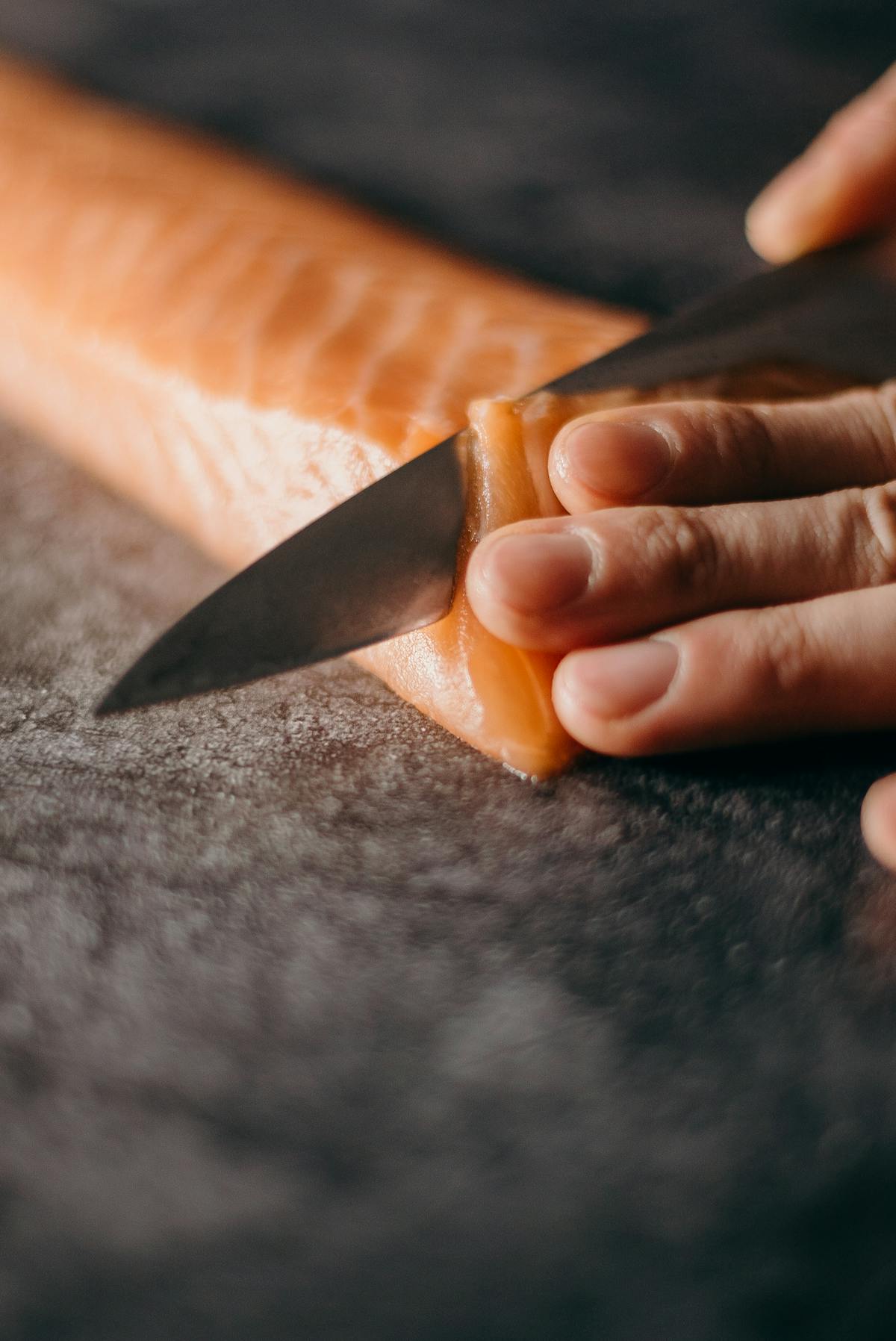
- Lean meats and fish (chicken, turkey, salmon, white fish).
- Eggs and egg whites.
- Greek yogurt, cottage cheese, and fermented dairy for those who tolerate it.
- Legumes and tofu/tempeh for plant‑based eaters.
- Protein shakes and powders as a “backup” on low‑appetite days.
The key message: if you’re eating less overall, every bite has to work harder for you — especially when it comes to protein, fiber, and micronutrients.
2. Simpler, Gentler, More Whole‑Food Meals
Many GLP‑1 users report that greasy or highly processed foods feel heavier, cause more reflux, or are simply less appealing. That experience has nudged people toward:
- Soups and stews that are soft, hydrating, and easy to digest.
- Roasted or steamed vegetables tossed with olive oil.
- Small portions of grilled or baked protein.
- Whole grains like quinoa, brown rice, or oats in modest servings.
This shift dovetails with a broader trend away from ultra‑processed snacks and toward meals that feel calm and gentle in the stomach.
3. Mindful Eating & Long‑Term Habits to Avoid Rebound
As stories of weight regain after stopping GLP‑1s circulate, there’s growing focus on:
- Learning your natural hunger and fullness cues while appetite is quieter.
- Practicing portion awareness instead of strict rules.
- Building gentle movement habits (walking, light strength work) to protect metabolism.
- Planning for the “after” — whether that means dose changes or coming off medication.
In other words, the injection can be a powerful tool, but it doesn’t replace the slow, human work of building a sustainable way of eating.
Celebrity Buzz, Shortages & Body Image: The Ethics of the ‘Skinny Jab’
The phrase “skinny jab” shows up in tabloids and social feeds, often attached to celebrity transformation rumors. While sensational, that framing flattens a complex medical treatment into a beauty hack — and that has consequences.
Ethical and social concerns that have emerged include:
- Access and shortages: In some regions, high‑profile weight‑loss demand has contributed to periodic supply issues, making it harder for people with diabetes or other medical needs to access their prescriptions.
- Medicalized thinness: Critics worry that glamorizing injections as a shortcut to slimness deepens pressure on people — especially women and teens — to alter their bodies rather than challenge narrow beauty standards.
- Mental health: Rapid physical change can stir up old body image struggles, disordered eating patterns, and anxiety around food.
- Stigma and blame: Some voices dismiss GLP‑1 users as “cheating,” while others weaponize the drugs as proof that “anyone can be thin,” further marginalizing people who can’t or don’t want to use them.
Alongside the hype, a vibrant counter‑conversation has grown: body‑neutral and body‑positive advocates reminding us that health is not a dress size and that medical treatments should support well‑being, not chase an impossible ideal.

How GLP‑1s Are Changing Food Culture at Home
Behind the headlines, everyday food rituals are shifting in quiet but meaningful ways for people on GLP‑1s. Family dinners might involve smaller portions. Restaurant outings may become more about company than clearing the plate. Some people describe feeling oddly nostalgic for their old appetite, even as they appreciate the health benefits of weight loss.
For home cooks, this raises new questions:
- How do you cook when only a few bites feel satisfying?
- How do you honor cultural foods that may be rich or heavy with a slowed digestive system?
- How do you keep eating joyful, not just “efficient”?
Many families are adapting by serving:
- Smaller plates with a focus on flavor and texture.
- Build‑your‑own style meals (taco bars, grain bowls) so everyone can choose their portion size.
- Leftover‑friendly recipes that reheat well when someone only eats half a serving.
Beyond the Hype: A Balanced View of GLP‑1 Diet Culture
GLP‑1 drugs are not a fad in the way juice cleanses or cabbage soup diets were. They represent a structural shift: from white‑knuckle willpower to pharmacological appetite control with nutrition layered on top. Health systems, insurers, and researchers are now deeply involved, and the conversation continues to evolve as new data emerge.
As of early 2026, several ideas are becoming common ground among many clinicians, dietitians, and thoughtful users:
- These medications can be powerful and appropriate for some people — especially with conditions like obesity‑related sleep apnea, fatty liver disease, or high cardiometabolic risk.
- They’re not magic wands. Sleep, stress, movement, and food quality still matter enormously for long‑term health.
- Body respect should remain central. Weight loss is not required for someone to deserve good medical care, nutritious food, or self‑compassion.
- Nutrition education is critical. Using lowered appetite as a window to build sustainable, satisfying eating habits is often more valuable than chasing the lowest possible number on the scale.
The challenge — and opportunity — is to let these drugs be tools, not tyrants. Food can still be colorful, comforting, and culturally rich, even when your hunger feels different than before.
Gentle, Food‑First Tips If You’re on a GLP‑1 Medication
If you’re currently using a GLP‑1 drug under medical supervision, or considering one, nutrition can help you feel better day‑to‑day. Always follow your clinician’s guidance, but the following food‑focused ideas are commonly recommended by dietitians:
- Prioritize protein early in the day.
A small, protein‑rich breakfast or brunch — like Greek yogurt with berries, eggs with veggies, or tofu scramble — can help protect muscle and stabilize energy, even if the portion is tiny. - Choose soft, moist textures when nausea hits.
Think soups, stews, congee, lightly mashed beans, or poached fish. These often sit more gently in a slowed stomach than dry or very dense foods. - Sip fluids between meals, not chug with meals.
This can reduce that “overfull” feeling and support digestion. - Keep a fiber‑friendly kitchen.
Stock fruits, vegetables, oats, chia or flax, and beans to help with regularity — constipation can be a side effect for some people. - Honor your culture and preferences.
Instead of abandoning beloved dishes, explore smaller portions, lighter cooking methods (baking instead of deep‑frying), or balancing rich foods with fresh sides. - Stay curious about your hunger.
Notice when you feel pleasantly satisfied vs. uncomfortably full, and let those sensations — not social media — guide your portions.

Looking Ahead
As research continues and new medications enter the market, GLP‑1s will likely remain at the center of conversations about weight, health, and how we eat. The real question isn’t whether these drugs “work” — it’s how we use them while still honoring our bodies, cultures, and the deep human joy of sharing food.
Whether you’re on a GLP‑1, considering it, or simply watching the trend unfold, you’re allowed to step away from extreme diet narratives. A slower, kinder approach to eating — rich in color, flavor, and respect for your own needs — will always be in style.
