
High-Protein Everything: Cottage Cheese Recipes, Protein Girl Dinners & Dessert Hacks
High‑Protein Everything: From Cottage Cheese Recipes to Protein Girl Dinner
High-protein recipes have exploded from gym culture into everyday kitchens, with cottage cheese, Greek yogurt desserts, and “protein girl dinner” snack-plates leading the charge. These fun, flexible ideas are helping home cooks build meals that feel satisfying, support muscle, and still taste genuinely delicious—without needing chef-level skills.
On TikTok, YouTube Shorts, and Instagram Reels, you’ll now see cottage-cheese ice cream, whipped yogurt “cheesecakes,” and 30‑gram protein snack plates right alongside traditional comfort food. Underneath the trend is a simple shift: people want meals that feel cozy and indulgent but quietly deliver serious nutrition.

Why High‑Protein Recipes Are Suddenly Everywhere
Protein has always been a culinary workhorse—think Sunday roasts, braised beans, and slow‑simmered stews. But over the past couple of years, it has become the star of the show. Search interest for high‑protein dinners, cottage cheese recipes, and protein desserts has surged, and social feeds are packed with quick, macro‑friendly ideas.
- Body recomposition goals: Many people aim to lose fat while preserving or gaining muscle. Fitness creators often suggest around 1.6–2.2 g protein per kg body weight to help with satiety and lean mass.
- GLP‑1 medications & rapid weight loss: With more people on weight‑loss medications, dietitians are emphasizing protein density to help protect muscle during calorie deficits.
- Protein‑fortified products: Grocery shelves now feature high‑protein cereals, puddings, bars, chips, pasta, and even breads, making it easy to bump up daily intake.
Culturally, there’s also a move toward simple, low‑effort but nutrient‑rich eating. A bowl of cottage cheese piled with fruit and nuts or a no‑cook protein snack plate fits neatly into busy lives.
The Cottage Cheese Comeback
Cottage cheese used to have a bit of a “sad diet food” reputation—think lonely scoops next to canned peaches. Now, it’s having a full‑blown glow‑up. Creators are blending it into velvety sauces, whipping it into dessert bowls, and baking it into high‑protein pancakes and lasagna.
When you blitz cottage cheese in a blender, something magical happens: those curds transform into a thick, silky base that tastes like a cross between ricotta and cream cheese. It brings a gentle tang, creamy mouthfeel, and around 12–15 g of protein per ½ cup, depending on the brand.
Anecdotally, many home cooks say cottage cheese finally “clicked” for them when they stopped eating it plain and started treating it like a high‑protein canvas—flavored with herbs for savory meals or whipped with fruit for dessert.
Recipe Spotlight: Whipped Cottage Cheese Berry Bowl
To bring this trend to life in your own kitchen, here’s an easy, no‑cook high‑protein cottage cheese recipe that tastes like a cheesecake bowl but takes under 10 minutes. It’s perfect for breakfast, a post‑workout meal, or a high‑protein dessert.
Prep Time: 10 minutes
Cook Time: 0 minutes (no‑cook)
Total Time: 10 minutes
Servings: 1–2 bowls
Difficulty: Easy
Approx. Protein: ~25–30 g per serving*
*Estimate based on using 1 cup low‑fat cottage cheese and Greek yogurt; exact values vary by brand.
High‑Protein Whipped Cottage Cheese Berry Bowl Recipe
Ingredients
For 1 large serving (or 2 smaller snacks):
- 1 cup (225 g) cottage cheese (low‑fat or full‑fat, to taste)
- ¼ cup (60 g) plain Greek yogurt (2% or higher for creaminess)
- 1–2 teaspoons honey, maple syrup, or zero‑calorie sweetener, to taste
- ½ teaspoon pure vanilla extract
- Pinch of fine sea salt (balances the sweetness)
- ¾–1 cup mixed fresh berries (strawberries, blueberries, raspberries, or blackberries)
- 2 tablespoons chopped nuts or seeds (e.g., almonds, walnuts, pumpkin seeds)
- 2 tablespoons high‑protein granola or toasted oats (optional, for crunch)
- 1 teaspoon nut butter or powdered peanut butter (optional, for extra protein and richness)
Equipment
- Blender or food processor (for whipping the cottage cheese)
- Rubber spatula
- Mixing bowl (optional, if layering)
- Serving bowl or glass
- Spoon for swirling and serving
Step‑by‑Step Instructions
Blend the base. Add the cottage cheese, Greek yogurt, honey or sweetener, vanilla, and a pinch of salt to your blender or food processor.
Measure your cottage cheese, yogurt, sweetener, and vanilla before blending for a smooth, consistent base. Whip until silky. Blend on medium‑high for 30–60 seconds, scraping down the sides once, until completely smooth and thick—almost like a cheesecake mousse. Taste and adjust sweetness if needed.
Blend until the cottage cheese curds disappear into a velvety, spoonable cream. Prep your toppings. While the base blends, rinse and pat dry your berries. Slice strawberries or larger fruit into bite‑size pieces. Roughly chop nuts or seeds if needed.
Dry berries thoroughly so they stay sweet and juicy instead of watering down your bowl. Assemble the bowl. Spoon the whipped cottage cheese into a serving bowl or glass. Arrange berries over the top, then sprinkle with nuts, seeds, and granola. Drizzle with nut butter if using.
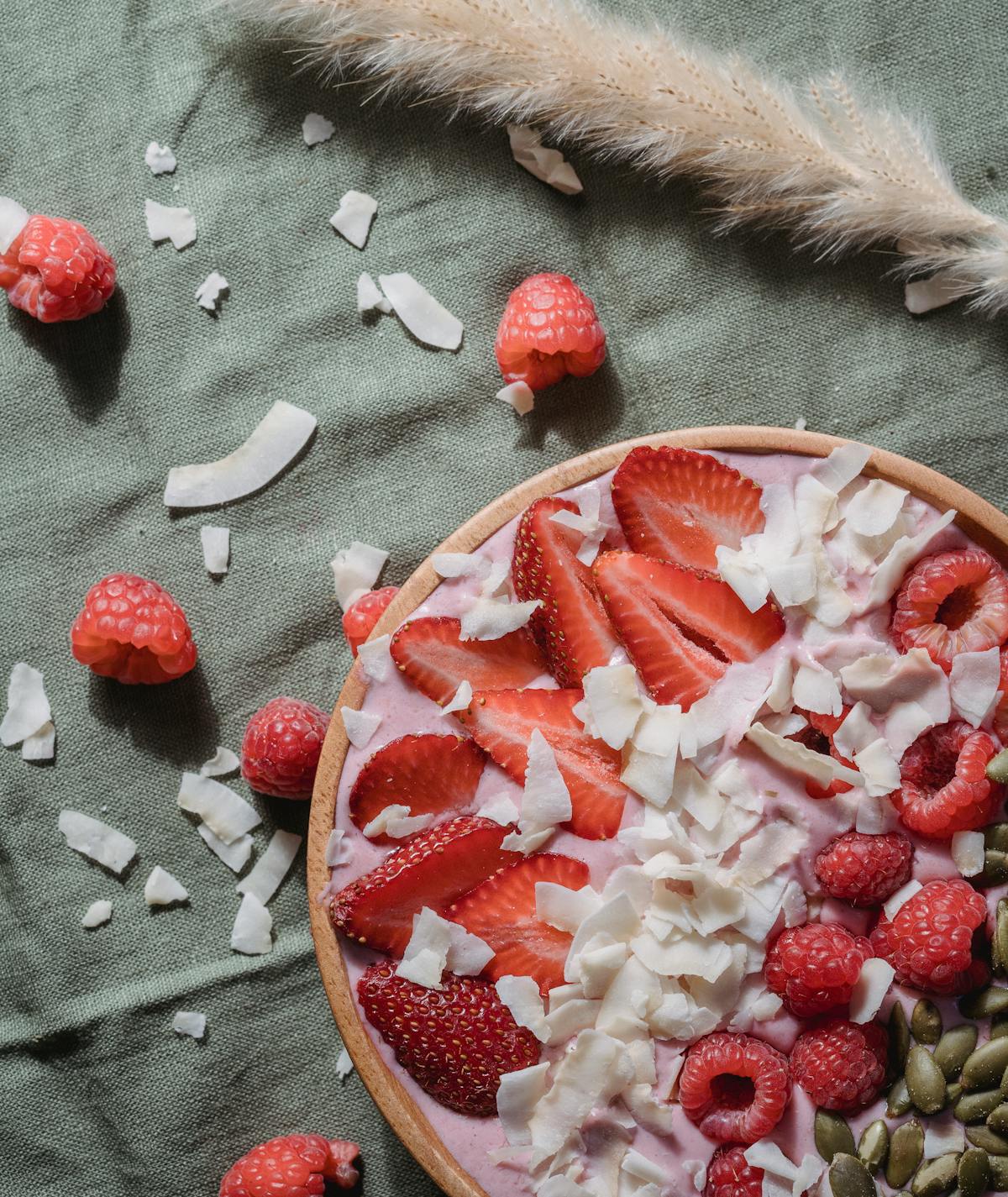
Layer the whipped base with berries and crunchy toppings for a parfait‑style presentation. Serve and enjoy. Enjoy immediately for the best creamy texture and contrast between the cool base, juicy berries, and crisp toppings.

A spoonful gives you creamy, tangy, sweet, and crunchy in a single high‑protein bite.
What Is a Protein Girl Dinner?
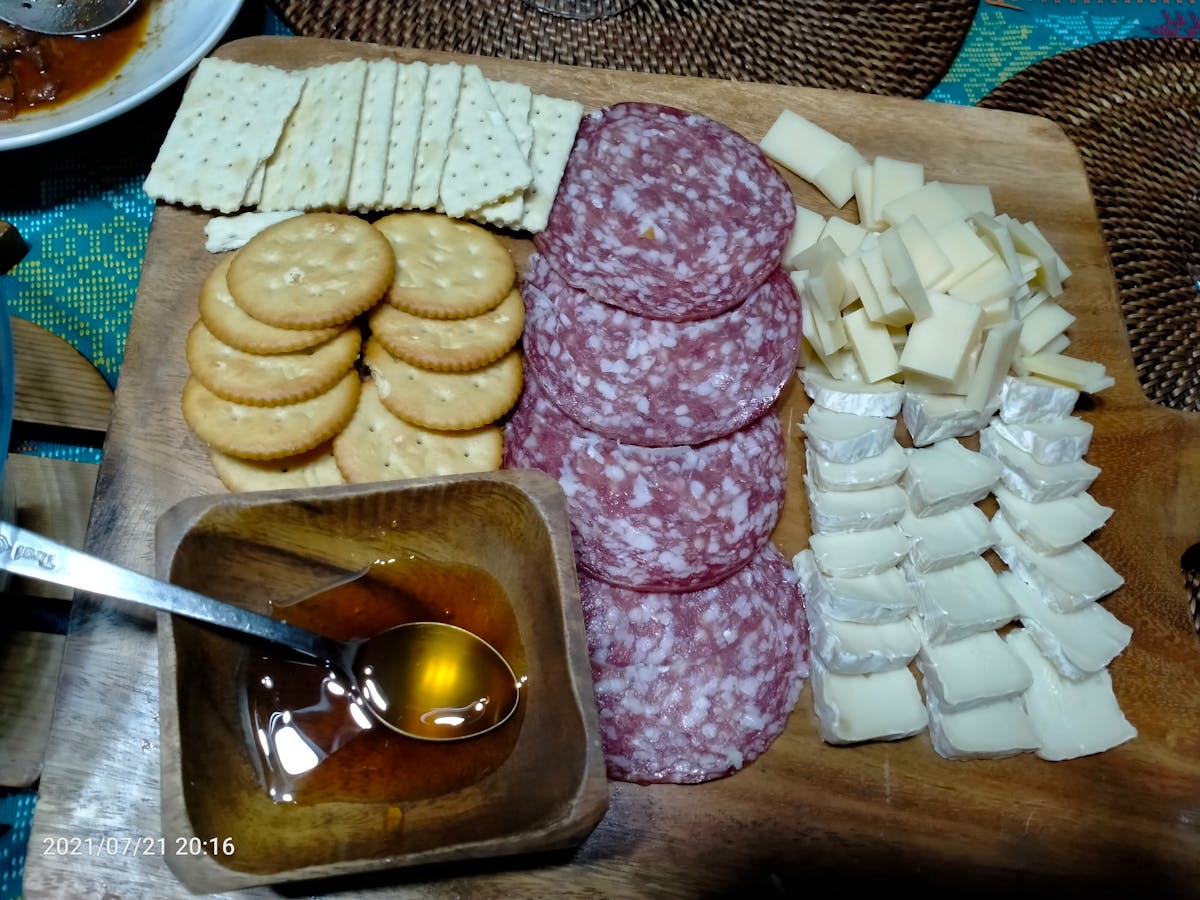
“Girl dinner” started as a playful way to describe snacky, low‑effort dinners—a few bites of this and that instead of a formal plated meal. The protein girl dinner twist keeps the same spirit but focuses on building a plate that delivers 30–40 g of protein using simple, mostly no‑cook items.
Think of it as an upgraded snack board: deli meats, cheeses, edamame, hummus, tofu, hard‑boiled eggs, smoked salmon, canned beans, or pre‑cooked lentils, usually served with crunchy veggies and high‑protein wraps or crackers.
- Fast: Most plates come together in 5–10 minutes.
- Flexible: Great for picky eaters or clearing out the fridge.
- Satisfying: Protein plus fiber‑rich sides help keep you full.

Smart Substitutions & Dietary Adaptations
You can absolutely enjoy high‑protein meals without relying on the exact ingredients shown in viral videos. Here are easy ways to tweak cottage cheese bowls and protein plates for different needs.
Dairy‑Free or Vegan Options
- Swap cottage cheese for silken tofu blended with a splash of lemon and a pinch of salt.
- Use unsweetened soy or pea‑protein yogurt instead of Greek yogurt.
- Boost protein with hemp seeds, chia seeds, or soy‑based protein powder.
Lower‑Sugar & Blood‑Sugar‑Friendly
- Choose plain dairy and sweeten lightly with berries or a small drizzle of honey.
- Pair fruit with nuts or seeds to slow digestion and blunt glucose spikes.
- If using higher‑carb sides (crackers, wraps), look for whole‑grain or higher‑fiber options.
More Whole‑Food, Less Ultra‑Processed
- Prioritize beans, lentils, eggs, fish, poultry, tofu, tempeh, nuts, and seeds over protein chips or candy‑like bars.
- Use protein powder as an accent, not a replacement for real food.
Nutrition Upsides and Caveats of High‑Protein Eating
From a nutrition standpoint, the move toward higher‑protein, high‑fiber meals has many positives—but it’s not a magic wand. Context still matters.
Potential Benefits
- Satiety: Protein tends to keep you fuller for longer, which can naturally reduce snacking.
- Muscle support: Adequate protein helps preserve or build lean mass, especially when combined with resistance training.
- Blood‑sugar control: Pairing carbs with protein and fiber can help stabilize post‑meal glucose.
Things to Watch
- Ultra‑processed overload: Many viral “protein hacks” rely heavily on powders, artificial sweeteners, and low‑fiber bases.
- Nutrient balance: It’s possible to hit your protein goal but still fall short on veggies, healthy fats, and micronutrients.
- Digestive comfort: Rapidly increasing dairy or protein intake may cause bloating for some; build up gradually and prioritize hydration and fiber.
When in doubt, focus on mostly whole foods and use fortified products strategically—more as convenient tools than the foundation of your diet.
Storage, Meal Prep & Reheating
One of the biggest perks of high‑protein cottage cheese recipes and protein girl dinners is how well they fit into meal prep.
Storing the Whipped Cottage Cheese Berry Bowl
- Whipped base: Store the blended cottage cheese mixture in an airtight container in the fridge for up to 3 days. Stir before serving.
- Toppings: Keep berries and crunchy toppings separate so they stay fresh and crisp.
- Make‑ahead bowls: For grab‑and‑go, layer the base and berries in jars, then add nuts and granola right before eating.
Protein Girl Dinner Components
- Hard‑boiled eggs: Refrigerate up to 7 days in their shells.
- Cooked beans or lentils: Store 3–4 days in the fridge; freeze portions for longer storage.
- Cooked tofu or chicken: Keep 3–4 days refrigerated in sealed containers.
Since most of these meals are cold or room‑temperature, there’s usually no reheating required—just assemble and enjoy.
Serving Suggestions & Complementary Dishes
The whipped cottage cheese bowl and protein girl dinner plates both play well with a variety of sides and add‑ons, letting you build a full day of high‑protein meals without boredom.
Pair the Berry Bowl With:
- A slice of whole‑grain or high‑protein toast topped with avocado or nut butter
- A small handful of mixed nuts for additional healthy fats
- An espresso or tea for a café‑style breakfast moment at home
Round Out a Protein Girl Dinner With:
- A simple side salad with olive oil and lemon
- Roasted or air‑fried vegetables for extra fiber and flavor
- A small fruit bowl for something sweet and refreshing
Over time, you’ll start to see high‑protein components—cottage cheese, yogurt, tofu, beans, eggs—not as “diet foods,” but as building blocks for deeply satisfying dishes that suit your taste and lifestyle.
