
Ozempic, Wegovy & the New GLP‑1 Diet Culture: What ‘Skinny Jabs’ Mean for How We Eat Now
Ozempic, Wegovy & the Rise of GLP‑1 “Skinny Jab” Diet Culture
Prescription GLP‑1 weight‑loss drugs like Ozempic, Wegovy, and Mounjaro have rapidly moved from specialist clinics into red‑carpet chatter and everyday group chats, reshaping how people think about dieting, appetite, and what it means to “eat well.” This piece looks at how these medications work, why they’ve exploded on social media, the nutritional pitfalls of appetite‑blunting drugs, and how we might navigate this new landscape with care, respect, and a focus on health rather than hype.
What Are GLP‑1 Drugs Like Ozempic and Wegovy?
GLP‑1 agonist medications were originally developed for type 2 diabetes and, later, for medical obesity treatment. Brand names you’ll hear most often include:
- Ozempic (semaglutide) – approved for type 2 diabetes, often used off‑label for weight loss.
- Wegovy (semaglutide at a higher dose) – specifically approved for chronic weight management.
- Mounjaro and Zepbound (tirzepatide) – newer drugs that act on GLP‑1 and another hormone (GIP), with very strong effects on appetite and weight loss.
These medications mimic the hormone GLP‑1 (glucagon‑like peptide‑1), which helps regulate blood sugar and appetite. In everyday language, they:
- Slow gastric emptying – food leaves your stomach more slowly, so you feel full longer.
- Reduce appetite and cravings – many people report feeling “indifferent” to food.
- Smooth blood sugar swings – helpful in type 2 diabetes management.
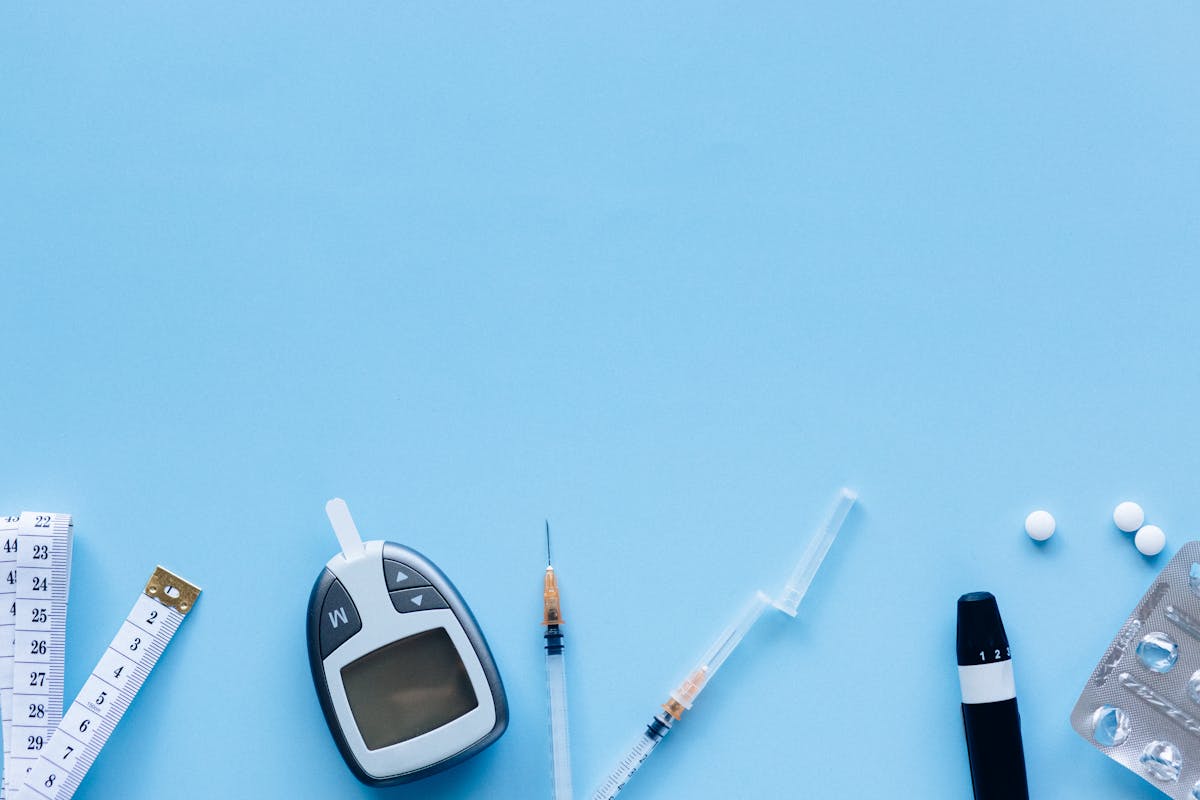
Most are taken as a once‑weekly injection using a pen‑like device with a very fine needle. From a sensory standpoint, what changes most is not the taste of food itself but your relationship to hunger: for many, the sharp edge of appetite gets muted, portions shrink, and meals can become an afterthought rather than a highlight of the day.
Celebrity Hype, TikTok Transformations & the New “Skinny Jab” Aesthetic
On social platforms, GLP‑1 drugs have become cultural shorthand for dramatic, rapid slimming. Red‑carpet photos spark speculation, interviews include coy references to “a little help,” and TikTok and Instagram are filled with:
- Weekly injection vlogs – users film their pen clicks and weigh‑ins.
- Before‑and‑after photos – often emphasizing speed and visible shrinkage.
- Side‑effect diaries – people discussing nausea, constipation, fatigue, or taste changes.
Hashtags around Ozempic, Wegovy, and Mounjaro have accumulated hundreds of millions of views, feeding a narrative that a slimmer body is only one prescription away. That story is enticing, but it flattens the complex realities of health, metabolism, access, and mental well‑being into a single aesthetic outcome.
For some, seeing these posts can feel motivating; for many others, it’s destabilizing—especially if you’ve struggled with weight stigma or disordered eating. It’s important to remember that what you see on screen is highly curated: you rarely see the full medical history, lab work, private side effects, or emotional ups and downs behind a single snapshot.

You are not failing if your path to health doesn’t include a prescription, or if your body changes more slowly—or not at all. Your worth is not measured in kilograms or clothing sizes.
How GLP‑1 Drugs Change Eating: Nutrition, Appetite & Under‑Fueling Risks
From a nutrition perspective, GLP‑1 medications don’t just nudge hunger; they can flatten it. Many people suddenly find that:
- Big meals feel heavy or unpleasant.
- Rich, greasy, or very sweet foods are less appealing.
- They “forget” to eat or get full after just a few bites.
The risk is that you end up eating too little overall, and too little of the nutrients your body needs to stay strong and energized—especially:
- Protein for muscle preservation and recovery.
- Fiber for digestion and gut health, already a concern with slower gastric emptying.
- Micronutrients like iron, B‑vitamins, calcium, and magnesium.
Dietitians are increasingly focused on helping people on GLP‑1s eat enough, not just “less.” That might mean small, frequent, nutrient‑dense meals rather than the traditional three large plates a day.
Beyond the Hype: Stigma, Safety & Rebound Weight Concerns
Alongside the excitement, there’s a growing backlash. Health professionals, activists, and people in larger bodies are raising serious questions about:
- Normalization of long‑term injectables for aesthetics – What happens when powerful medications intended for diabetes and obesity are used widely for mild overweight or purely cosmetic goals?
- Worsening weight stigma – If “fixing” your size is framed as a simple shot, people who don’t lose weight (or choose not to) may face even more blame.
- Side effects and unknowns – Nausea, vomiting, constipation, gallbladder issues, and questions about multi‑year use are still being studied.
- Rebound weight gain – Many people regain some or all of the lost weight when the medication is stopped, which can feel emotionally devastating if expectations weren’t set up honestly.
Ethically, this is more than a story about individual choice. It’s about how society values certain bodies over others, who gets access to expensive drugs, and how industries—from pharma to fashion to food—shape what we think health should look like.

A medication can be a helpful tool for some—especially in managing diabetes and medical obesity—but it cannot replace fair treatment, access to nourishing food, safe movement spaces, or a culture that respects bodies of all sizes.
Mindful & Intuitive Eating in a World of Blunted Appetite
Traditional mindful or intuitive eating invites you to tune into hunger and fullness cues: eat when you’re hungry, stop when you’re comfortably satisfied. GLP‑1 medications complicate this, because:
- Hunger may hardly show up at all.
- Fullness can be abrupt and uncomfortable.
- Food can feel more functional (“I should eat”) than joyful (“I want to savor this”).
That doesn’t mean mindful eating is impossible; it just looks different. Instead of waiting for a loud stomach growl, you might practice:
- Gentle structure – loosely planned meal times to ensure steady nourishment.
- Sensory mindfulness – paying attention to temperature, texture, aroma, and flavor, even with smaller portions.
- Body check‑ins – noticing energy, focus, mood, and digestion as cues that you may need food or fluids.
You’re still allowed to enjoy food—the crackle of toasted bread, the comfort of a warm soup, the bright acidity of citrus, the cooling creaminess of yogurt—while respecting the smaller “appetite window” these medications create.
How GLP‑1s Could Reshape Food Culture & the Snack Industry
If a sizable share of the population ends up wanting less food overall, the ripple effects could be significant. Analysts and food companies are already asking:
- Will demand drop for large, high‑calorie restaurant portions?
- Will ultra‑processed snack foods and sugary drinks lose some of their pull if cravings are dulled?
- Could there be a rise in small, protein‑rich, nutrient‑dense products designed specifically for people on GLP‑1s?
At the same time, food can never be reduced to pure fuel. It’s part of culture, family, and pleasure. Even if portion sizes shrink, many people will still seek out the experience of eating: the crunch of fresh vegetables, the warmth of spiced stews, the shared joy of a home‑baked dessert split among friends.

Practical Guidance: Considering GLP‑1s or Living With Them
If you’re thinking about GLP‑1 medications—or already using them—approach them as one potential tool within a bigger picture of health, not a magic fix. Helpful steps include:
- Have a thorough medical conversation. Discuss your history, medications, mental health, family risk factors, and personal goals with a qualified healthcare professional—not just social media.
- Work with a dietitian if you can. They can help you build small but mighty meals that support muscle, energy, and digestion while respecting your new appetite level.
- Protect your relationship with food. Notice if you’re becoming fearful of certain foods or overly fixated on the scale. Therapy or support groups can be invaluable here.
- Plan for the long term. Talk in advance about how long you might stay on the medication, what maintenance could look like, and how to cope if weight or appetite change again.
You deserve care that honors both your physical health markers and your mental, social, and cultural connection to food. Whether or not GLP‑1s are part of that care, your body is worthy of respect right now—not just after a certain number on the scale.
The Future of Diet Culture in the GLP‑1 Era
GLP‑1 “skinny jabs” sit at a powerful crossroads of medicine, celebrity culture, social media, and nutrition science. They challenge old narratives about willpower and dieting, but they also risk deepening stigma and oversimplifying what it means to be healthy.
As this story continues to unfold, the most compassionate path lies somewhere between uncritical hype and outright dismissal: recognizing that these medications can be life‑changing for some, problematic for others, and never a substitute for a kinder, more equitable culture around food, bodies, and health.
However the trends shift, you are allowed to pursue health on your own terms—to savor meals that nourish you, move in ways that feel good, and opt in or out of diet culture altogether.
