
Have We Been Misled About Red Wine And Longevity? What Science Really Says About Alcohol And Health
For years, many of us have held onto the comforting idea that a glass of red wine with dinner might actually help us live longer. It’s been marketed as “heart healthy,” a secret of Mediterranean centenarians, and a kind of nutritional loophole that makes happy hour feel almost virtuous.
Yet over the past few years, and especially in the latest reviews and guidelines published up to 2024, that story has changed. When researchers go back and carefully re‑examine the evidence, the apparent “longevity boost” from moderate drinking often fades—or even flips into a small but real increase in health risks.
If you’re feeling confused—torn between scary headlines about alcohol and reassuring posts about red wine and antioxidants—you’re not alone. Let’s unpack what the science actually says, where we’ve likely been misled, and how to make choices that protect your health without slipping into fear or guilt.
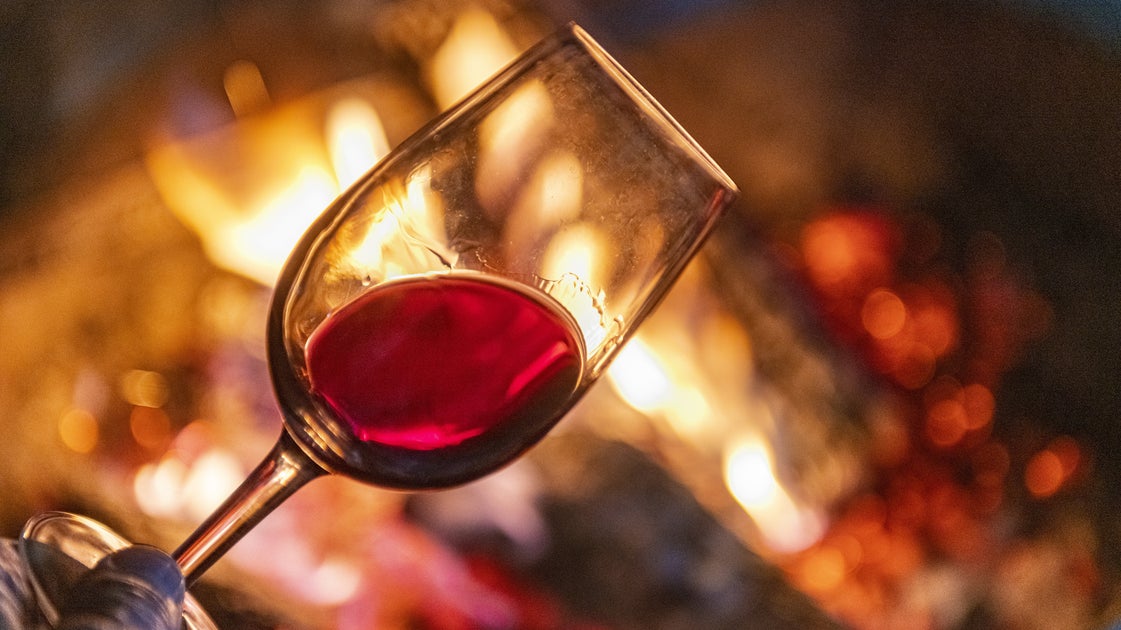
The Red Wine–Longevity Myth: What Went Wrong?
The idea that red wine helps you live longer largely comes from observational studies and the famous “French paradox” narrative: how can people in some regions of France eat rich foods, drink wine regularly, and still have relatively low rates of heart disease?
For a while, charts seemed to show a “J‑shaped curve”: people who drank moderately appeared to have lower mortality than both heavy drinkers and those who didn’t drink at all. That curve has been cited for decades to justify “one or two glasses a day.”
In the last decade, larger and more rigorous analyses (including multi-country studies and genetic “natural experiment” designs) have re‑examined this question. When they control more carefully for confounders, the apparent protective effect of moderate drinking often shrinks or disappears.
“When it comes to alcohol consumption, there is no safe amount that does not affect health.”
What We Actually Know About Alcohol, Red Wine, and Longevity
To understand the real connection—or lack of one—between red wine and longevity, it helps to separate marketing from measurable health outcomes.
1. Alcohol is a carcinogen
Ethanol (the alcohol in wine, beer, and spirits) is classified as a Group 1 carcinogen by the International Agency for Research on Cancer. This means:
- Even low levels of regular drinking can increase the risk of certain cancers, including breast, colorectal, and cancers of the mouth and throat.
- The risk rises with dose; more alcohol generally means more risk.
- Red wine is not exempt simply because it contains antioxidants.
2. Cardiovascular effects are more nuanced than once believed
Older studies suggested that one drink per day might protect the heart. Newer research paints a more complex picture:
- Some benefits seen in earlier work may reflect that moderate drinkers also tended to be more affluent, more socially connected, and more health-conscious overall.
- Large analyses published in recent years often find that any potential heart benefit is small and can be offset by increased cancer and other risks.
- When genetic methods are used to mimic randomized trials, the protective effect of moderate drinking on heart disease tends to weaken or vanish.
3. Red wine’s “healthy ingredients” don’t require alcohol
Red wine contains polyphenols like resveratrol, which in lab studies can have antioxidant and anti-inflammatory effects. But:
- The amounts used in cell and animal studies are often far higher than what you’d get from a glass of wine.
- You can get similar or greater amounts of these compounds from grapes, berries, peanuts, and other plant foods—without the downsides of alcohol.
- No high‑quality human trial has shown that drinking red wine itself extends lifespan.
How Earlier Research May Have Misled Us
To be fair, most scientists weren’t trying to mislead anyone. But the way early studies were designed made it surprisingly easy to overestimate the benefits of moderate drinking.
- “Sick quitters” problem: Many “non-drinkers” in older studies were former drinkers who had already developed health problems and stopped drinking. Comparing current moderate drinkers to this group can make moderate drinkers look artificially healthier.
- Social and economic factors: People who can afford good wine with dinner often have other advantages—like better healthcare, safer neighborhoods, and access to healthier food. These factors strongly influence longevity.
- Self‑reporting issues: Alcohol intake is notoriously under‑reported. “One glass” for one person may be two or three standard drinks for someone else.
- Publication and confirmation bias: For many years, results suggesting a benefit from moderate drinking were more likely to be highlighted in the media and sometimes in scientific literature as well.
What Do Current Guidelines Say About Alcohol and Health?
Public health recommendations have been moving steadily in a more cautious direction.
- World Health Organization: Emphasizes that there is no completely “safe” level of alcohol and that cancer risk begins at low levels of consumption.
- Many national guidelines (e.g., Canada, updated 2023): Use language like “the less you drink, the better” and provide a graded risk chart rather than a suggested “healthy” dose.
- Cardiology and cancer organizations: Generally do not recommend starting to drink for health reasons and often encourage limiting or avoiding alcohol for cancer prevention.
None of these major bodies currently recommend red wine as a valid longevity strategy. At best, moderate drinking is framed as a personal choice that carries some level of risk, not as a health intervention.
A Real-World Example: Reframing Wine Habits Without Fear
Consider “Maria,” a 52‑year‑old professional who enjoyed one to two glasses of red wine most evenings. For years, she’d heard that this was good for her heart. Then she started seeing more articles linking alcohol to breast cancer and dementia and felt a mix of confusion and guilt.
Working with a health coach and her clinician, Maria decided on a realistic experiment: she would limit alcohol to Fridays and Saturdays for two months and track how she felt.
- On weeknights, she replaced wine with sparkling water and a splash of tart cherry juice in a wine glass—keeping the ritual, changing the contents.
- She planned three non-alcohol rewards for stressful days: a short walk, a bath, and calling a close friend.
- She tracked sleep and mood in a simple app.
By the end of two months, Maria noticed better sleep and fewer mornings with low-grade anxiety. She didn’t become completely alcohol-free, but she felt more in control—and crucially, she stopped telling herself she “needed” wine for her heart.
Reducing intake—even if you don’t quit entirely—can meaningfully lower your long‑term risk, especially for cancer. It’s not all‑or‑nothing.
Practical Steps: How to Approach Red Wine if You Care About Longevity
You do not need to be perfect. But you do deserve clear information so you can make choices that align with your values and health goals.
1. Clarify your “why”
- If you’re drinking for pleasure, acknowledge that honestly.
- If you’re drinking for health or “for your heart,” know that current evidence does not support starting or continuing alcohol for that reason alone.
2. Count what you actually drink
Many home pours are larger than a “standard drink.” As a rough guide:
- One standard glass of wine (about 12–13% alcohol) is roughly 5 oz / 150 ml.
- A large goblet filled near the top can easily be 1.5–2 standard drinks.
3. Consider “less, but better”
If you choose to drink:
- Reserve alcohol for specific occasions rather than automatic daily use.
- Savor smaller amounts of wine you genuinely enjoy, instead of drinking by habit.
- Alternate with non-alcoholic beverages during social events.
4. Build longevity from other, stronger levers
Lifestyle factors with far more robust evidence for extending healthy lifespan include:
- A mostly plant-forward diet rich in vegetables, fruits, whole grains, legumes, nuts, and seeds.
- Regular physical activity—both aerobic and strength training.
- Not smoking or vaping.
- High-quality sleep and consistent sleep schedules.
- Strong social connections and stress management strategies.

Common Obstacles—and How to Gently Work Around Them
Shifting a long-standing relationship with wine or other alcohol can feel surprisingly emotional. Here are a few common sticking points people describe, and some compassionate ways to address them.
“All my social life involves drinking.”
- Try suggesting at least one non-bar activity per month: a walk, a coffee meetup, a class, or a game night.
- Practice one simple phrase to use at events, such as “I’m taking it easy tonight” or “I’m starting with sparkling water.” Most people are more focused on their own glass than yours.
“Wine is how I relax at the end of the day.”
- Keep the ritual but change the ingredients: same glassware, different drink.
- Pair it with a short decompression ritual—5 minutes of stretching, journaling, or sitting outside—so your nervous system learns new pathways to calm.
“I’m afraid if I cut back, I’ll realize I was relying on it more than I thought.”
That fear is understandable—and often a valuable signal. You don’t have to face it alone. Talking with a trusted clinician, therapist, or support group can make this process much safer and more manageable.
Before and After: Reimagining “Healthy” Drinking Habits
It can help to visualize what a shift in habits might look like in everyday life.

Before
- 1–2 glasses of red wine most nights “for heart health.”
- Automatic pour while cooking or scrolling on your phone.
- Waking up occasionally groggy or with fragmented sleep.
After
- Alcohol-free most weeknights, with intentional choices on weekends.
- Enjoying wine occasionally for taste, not because it’s “healthy.”
- Better sleep, clearer mornings, and a more flexible sense of relaxation.
Want to Go Deeper? Evidence and Expert Resources
For readers who like to look at the underlying research and expert opinions, these organizations and publications provide accessible, science-based information:
Bringing It All Together: Red Wine, Longevity, and Your Next Choice
When you strip away the marketing and myths, the picture that emerges is clear but not hopeless: red wine is not a longevity elixir. At the same time, an occasional glass—especially if you’re otherwise healthy, active, and not pregnant—does not erase all your other good habits.
Rather than asking, “Is red wine good or bad?” it may be more helpful to ask, “What level of risk am I comfortable with, and how can I align my drinking with the long, healthy life I want?”
You don’t have to overhaul everything at once. You might:
- Experiment with one or two alcohol-free evenings per week.
- Swap every second drink at social events for water or a non-alcoholic option.
- Talk with your healthcare provider about your personal risk factors and goals.
Each small step you take to reduce alcohol—especially if you’ve been drinking regularly for years—can gently tilt the odds toward more healthy years ahead. And in the end, it’s these accumulated, sustainable choices, not a single beverage, that most powerfully shape our longevity.
Your next drink is an opportunity, not a test. You’re allowed to change your mind as you learn more—and you’re allowed to choose what truly serves your life, not just what’s been sold as “healthy.”
