Gut Health 3.0: How Fermented Foods and Polyphenol‑Rich Recipes Feed Your Microbiome
Gut‑Loving Fermented Grain Bowl with Kimchi, Greens & Polyphenol Drizzle
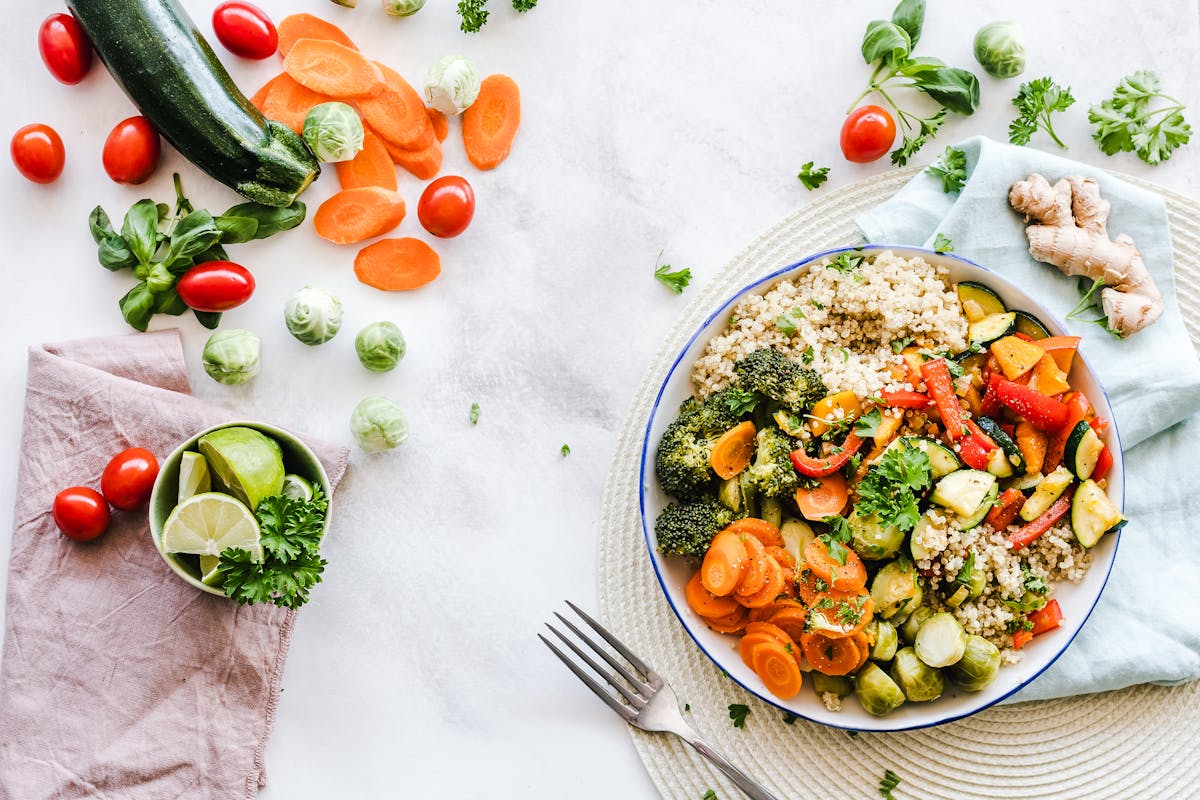
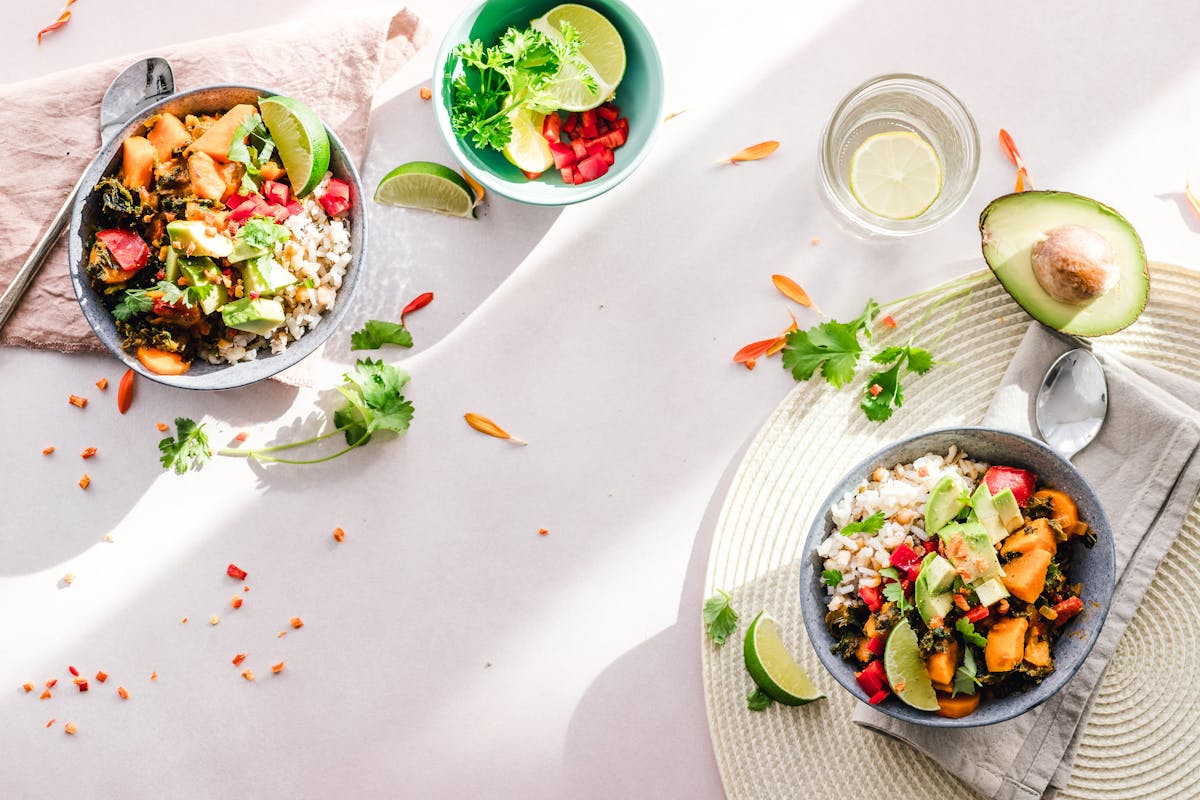
Imagine a warm, gently nutty bed of whole grains, piled high with crunchy kimchi, silky avocado, roasted vegetables, and a tart, jewel‑bright pomegranate–olive oil drizzle. This vibrant bowl is my love letter to Gut Health 3.0—a recipe that doesn’t just add probiotics, but feeds your microbiome with fermented foods, diverse fibers, polyphenols, and postbiotic‑supporting ingredients.
Inspired by the Mediterranean and Korean tables I grew up borrowing from as a curious home cook, this bowl brings together pantry‑friendly whole grains, colorful vegetables, and tangy fermented stars like kimchi or sauerkraut. It’s designed to be weeknight‑friendly, endlessly customizable, and deeply satisfying—for your tastebuds and your gut.

Recipe Snapshot
Prep time: 20 minutes
Cook time: 25 minutes
Total time: ~45 minutes
Servings: 2 generous bowls (or 3 lighter)
Difficulty: Easy
Dietary: Vegetarian, easily vegan & gluten‑free
This gut‑healthy fermented grain bowl is rich in prebiotic fiber, live cultures, and polyphenols—perfect for a nourishing lunch or dinner that supports your microbiome and keeps you energized.
Recipe Structured Data
The following embedded JSON‑LD helps search engines understand and feature this gut‑healthy recipe.
Equipment You’ll Need
No fancy gadgets—just a few basics that most home cooks already have.
- Small to medium saucepan with lid for cooking grains
- Oven and baking tray (or a steamer basket and pot)
- Cutting board and sharp knife
- Mixing bowl or jar with lid for the dressing
- Measuring cups and spoons for accuracy
- 2 wide, shallow serving bowls for easy layering

Ingredients: Building a Microbiome‑Friendly Bowl
Each component is chosen with gut health in mind: fermented foods for probiotics, diverse plants for prebiotic fibers, and colorful toppings for polyphenols.
Base (Whole Grains)
- 1/2 cup uncooked whole grains (brown rice, barley, or quinoa for gluten‑free)
- 1 cup water or low‑sodium vegetable broth
- 1/4 teaspoon fine sea salt
Fiber‑Rich Veg & Legumes
- 1 cup broccoli florets or broccolini, bite‑sized
- 1 small carrot, sliced into thin coins or matchsticks
- 1/2 small red onion, sliced
- 1 cup cooked legumes (chickpeas, lentils, or black beans), rinsed and drained
- 1 tablespoon olive oil (for roasting; omit for steaming)
- Pinch of salt and black pepper, to taste
Fermented & Fresh Toppings
- 1/2 to 3/4 cup kimchi or sauerkraut with live cultures
- 1/2 ripe avocado, sliced or cubed
- 1 large handful leafy greens (spinach, arugula, mixed greens)
- 2 tablespoons toasted seeds or nuts (pumpkin, sunflower, walnuts, or almonds)
- 2 tablespoons fresh herbs (parsley, cilantro, or mint), roughly chopped
- 1/4 cup pomegranate seeds or chopped berries (e.g., blueberries)
- 2 tablespoons plain yogurt or kefir (dairy or plant‑based), optional
Polyphenol‑Rich Dressing
- 2 tablespoons extra‑virgin olive oil
- 1 tablespoon apple cider vinegar or fresh lemon juice
- 1 teaspoon Dijon mustard
- 1 teaspoon honey or maple syrup (optional)
- 1 small garlic clove, finely grated or minced
- 1 tablespoon finely chopped fresh herbs (parsley, cilantro, or dill)
- Pinch of ground turmeric or smoked paprika (optional)
- Freshly ground black pepper, to taste
Step‑by‑Step Instructions
Follow these steps in order for a smooth, weeknight‑friendly flow. While the grains simmer, you’ll roast vegetables, whisk your dressing, and prep those crunchy, tangy toppings.
- Cook the whole grains.
Rinse your chosen grains under cool water. In a small saucepan, combine 1/2 cup grains, 1 cup water or broth, and a pinch of salt. Bring to a gentle boil, then reduce heat to low, cover, and simmer until the grains are tender and the liquid is absorbed (about 15–20 minutes for quinoa, 25–30 for brown rice or barley). Turn off the heat, fluff with a fork, and let sit covered for 5 minutes.
- Roast or steam the vegetables.
While the grains cook, preheat the oven to 200 °C / 400 °F. Toss the broccoli, carrot, and red onion with 1 tablespoon olive oil, a pinch of salt, and pepper. Spread in a single layer on a baking tray and roast for 15–20 minutes, until the edges are lightly caramelized and the vegetables are just tender.
Prefer a gentler, lower‑fat option? Steam the vegetables for 4–6 minutes until crisp‑tender instead.
- Warm the legumes.
Add the cooked chickpeas or lentils to a small pan with a splash of water and a tiny pinch of salt. Warm over low heat for 3–5 minutes until heated through. This keeps the bowl cozy and helps fragrant spices from the dressing cling later.
- Whisk the polyphenol‑rich dressing.
In a jar or small bowl, combine olive oil, apple cider vinegar or lemon juice, Dijon, honey or maple (if using), garlic, fresh herbs, turmeric or smoked paprika, and a few grinds of black pepper. Whisk or shake until it becomes slightly thick and glossy. Taste and adjust acid or sweetness to your preference.
- Prep fermented and fresh toppings.
Slice the avocado, rinse and pat dry the leafy greens, roughly chop your herbs, and measure out the kimchi or sauerkraut, toasted seeds or nuts, and pomegranate seeds or berries. Keep fermented foods chilled until the last moment to protect their live cultures.
- Assemble your gut‑healthy bowls.
Divide the warm grains between 2 bowls. Arrange the roasted vegetables and warmed legumes in sections, leaving space for pops of color. Add a generous scoop of kimchi or sauerkraut, a nest of leafy greens, slices of avocado, and a sprinkle of toasted seeds or nuts, fresh herbs, and pomegranate seeds or berries.
- Dress, taste, and serve.
Drizzle each bowl with the dressing. Add a dollop of yogurt or kefir if using, plus a spoonful of kimchi or sauerkraut brine if you love extra tang. Taste and adjust with a pinch of salt, more lemon juice, or a few extra herbs. Enjoy right away while the grains and vegetables are warm and the fermented toppings are cool and crisp.
Why This Bowl Loves Your Gut: Fermented Foods, Fibers & Postbiotics
Nutrition science and food culture have moved from “Which probiotic pill should I buy?” to “How do I feed my gut every day with real food?” This bowl is built on that Gut Health 3.0 philosophy—aiming not just for probiotics, but for a thriving ecosystem.
Fermented foods + diverse fibers + polyphenols = a daily microbiome ritual on a single plate.
- Fermented foods (kimchi or sauerkraut, yogurt/kefir): bring live cultures, organic acids, and bioactive compounds that can complement your existing gut microbiota.
- Prebiotic fibers (grains, legumes, vegetables, herbs): resist digestion in the small intestine and are fermented by gut microbes in the colon, producing short‑chain fatty acids (SCFAs) like butyrate, acetate, and propionate that support gut barrier integrity and help modulate inflammation.
- Polyphenol‑rich toppings (pomegranate, berries, herbs, olive oil): many polyphenols reach the colon intact, where microbes transform them into bioactive metabolites that may support vascular, metabolic, and even brain health.
In other words, this isn’t just a pretty grain bowl—it’s a daily invitation to grow a more diverse, resilient microbiome and support postbiotic production like SCFAs through delicious, everyday cooking.

Substitutions, Variations & Dietary Adaptations
Think of this recipe as a framework. Swap ingredients to match what’s in your fridge while keeping the gut‑nourishing principles the same.
Make It Vegan
- Use plant‑based yogurt or kefir (coconut, soy, or oat) or skip it entirely.
- Double the legumes for extra plant protein.
Make It Gluten‑Free
- Choose quinoa, buckwheat, or certified gluten‑free oats instead of barley or regular oats.
- Check labels on kimchi, miso, and soy sauce for hidden gluten if you experiment beyond this recipe.
Sensitive to FODMAPs?
- Reduce or omit onion and use the green tops of scallions or chives for flavor.
- Choose a smaller portion of legumes and swap in more low‑FODMAP veggies like carrots, zucchini, or spinach.
- Use a small serving of sauerkraut and test tolerance slowly.
Flavor Variations
- Mediterranean twist: Use roasted eggplant and peppers, add olives and cherry tomatoes, and swap kimchi for a spoonful of plain yogurt plus extra herbs.
- Nordic‑inspired: Try barley or rye (if tolerated), cabbage, beets, dill, and a dollop of skyr or thick yogurt.
- Spicy lovers: Add extra kimchi, a pinch of chili flakes, or a drizzle of chili crisp (in moderation if your gut is sensitive to heat).
Storage, Meal Prep & Reheating
This bowl is meal‑prep friendly if you store components separately. That way, your ferments stay crisp and your greens stay perky.
Refrigeration
- Grains & legumes: Store together in an airtight container for up to 4 days.
- Roasted or steamed vegetables: Keep in a separate container for up to 3–4 days.
- Dressing: Refrigerate in a jar for up to 5 days. Shake before using.
- Fermented veggies, greens, herbs, and avocado: Store separately and add fresh when serving. Add avocado just before eating to avoid browning.
Reheating
- Warm grains, legumes, and vegetables gently on the stovetop with a splash of water or in the microwave until just heated through.
- Keep kimchi/sauerkraut and yogurt chilled; add them after reheating to preserve live cultures.
As a general food‑safety note, always cool cooked components quickly, refrigerate within 2 hours, and avoid reheating more than once.
Serving Ideas & Complementary Dishes
This fermented grain bowl can absolutely stand on its own, but it also plays nicely as part of a bigger, gut‑supportive table.
- Light lunch: Serve as‑is with a cup of green tea for extra polyphenols.
- Hearty dinner: Pair with a side of roasted root vegetables or a small bowl of miso soup (another fermented favorite).
- Gut‑healthy brunch: Top the bowl with a soft‑boiled egg (if you eat eggs) and serve with a slice of whole‑grain sourdough.
- Microbiome feast: Add a plate of mixed ferments—kimchi, sauerkraut, pickled carrots, and yogurt with berries—for a tasting board of textures and tang.