
Feel Full, Not Deprived: The Rise of High‑Protein, High‑Fiber Satiety Diets
High‑Protein, High‑Fiber Satiety Diets: Feel Full, Nourished, and Satisfied
Satiety‑focused eating is quietly rewriting the “diet rulebook.” Instead of shrinking portions and battling constant hunger, high‑protein, high‑fiber satiety diets center on foods that keep you pleasantly full: lean proteins, hearty legumes, crunchy vegetables, and slow‑burning whole grains. The goal isn’t to eat as little as possible—it’s to eat in a way that feels generous, satisfying, and sustainable.
If you’ve ever finished a meal and thought, “How am I hungry again already?” this style of eating can feel revolutionary. By understanding how protein, fiber, and food volume interact with your appetite hormones, you can build meals that are both deeply comforting and cleverly designed to keep you full for longer.
Why “Fullness‑First” Eating Is Trending
Satiety‑focused nutrition—often called the satiety diet, high‑protein high‑fiber diet, or even the fullness diet—has grown rapidly in popularity as people move away from crash diets and ultra‑processed snacking. On social media, “high‑satiety meals” are everywhere: big bowls of Greek yogurt, cottage cheese, tofu, eggs, chicken or fish, piled high with vegetables and topped with nuts, seeds, beans, or lentils.
Several cultural shifts are feeding this trend:
- Appetite hormones in the spotlight: Conversations around GLP‑1 medications have made people more curious about the biology of hunger.
- Backlash against restriction: Many are exhausted by diets that ban entire food groups or encourage tiny, joyless meals.
- Ultra‑processed fatigue: Snacks that are easy to overeat—but not satisfying—are losing their appeal.
Instead of chasing the lowest possible calorie count, satiety‑based eating asks a more humane question: How can I eat in a way that feels relaxed, satisfied, and steady over time?

The Science of Satiety: Protein, Fiber, and Food Volume
Satiety isn’t just a feeling—it’s a symphony of hormones, stretch receptors in your stomach, blood‑sugar responses, and even your mood. High‑protein, high‑fiber diets work with this biology instead of fighting it.
Protein: The Star of the Satiety Show
Protein has a powerful effect on appetite hormones such as peptide YY and GLP‑1, which signal your brain that you’ve had enough. Many satiety‑focused plans suggest:
- 25–30 g of protein per main meal for most adults.
- 1.2–1.6 g of protein per kg of body weight per day for people aiming to lose fat while preserving muscle (as research up to 2025 suggests).
Lean meats, fish, eggs, Greek yogurt, cottage cheese, tofu, tempeh, edamame, and legumes can all fit beautifully into a high‑satiety pattern.
Fiber: The Slow‑Burn Companion
Fiber adds substance and staying power. Fruit, vegetables, oats, barley, lentils, beans, and whole grains slow digestion, stabilize blood sugar, and physically bulk up meals so they feel more substantial.
Volume Eating: Big Bowls, Light Calories
A popular offshoot is volume eating—building large, low‑calorie plates with vegetables, broth‑based soups, and big salads, then layering in moderate portions of protein and healthy fat. Instead of a tiny 300‑calorie meal that disappears in three bites, you might enjoy a hearty, colorful bowl that takes time to eat and leaves you physically and mentally satisfied.

Satiety Is More Than Macros: Sleep, Stress, and Food Quality
While protein and fiber are essential, they’re only part of the story. Nutrition researchers and dietitians routinely point out that how and when you eat matters as much as what you eat.
- Meal timing: Long gaps without food can set you up for intense hunger and overeating later.
- Sleep: Poor sleep can raise ghrelin (the “I’m hungry” hormone) and lower leptin (the “I’m full” hormone).
- Stress: High stress pushes many people toward ultra‑processed comfort foods, which are easy to overeat but not filling.
- Processing level: Minimally processed foods tend to be more satisfying per calorie than ultra‑processed snacks.
Satiety‑oriented diets today increasingly emphasize micronutrient density as well: iron, magnesium, B‑vitamins, omega‑3s, and more. In other words, the best fullness diet is not just about feeling full—but being deeply nourished.
A truly satisfying meal doesn’t just fill your stomach; it calms your mind and leaves your body humming with steady energy.
How the Food Industry Is Responding
This shift toward satiety is already reshaping supermarket shelves. Over the last few years, brands have been racing to offer products that promise to keep you full longer:
- High‑protein yogurts and skyr with 15–20 g protein per serving.
- Fiber‑enriched breads and cereals that boast whole grains and added inulin or oat fiber.
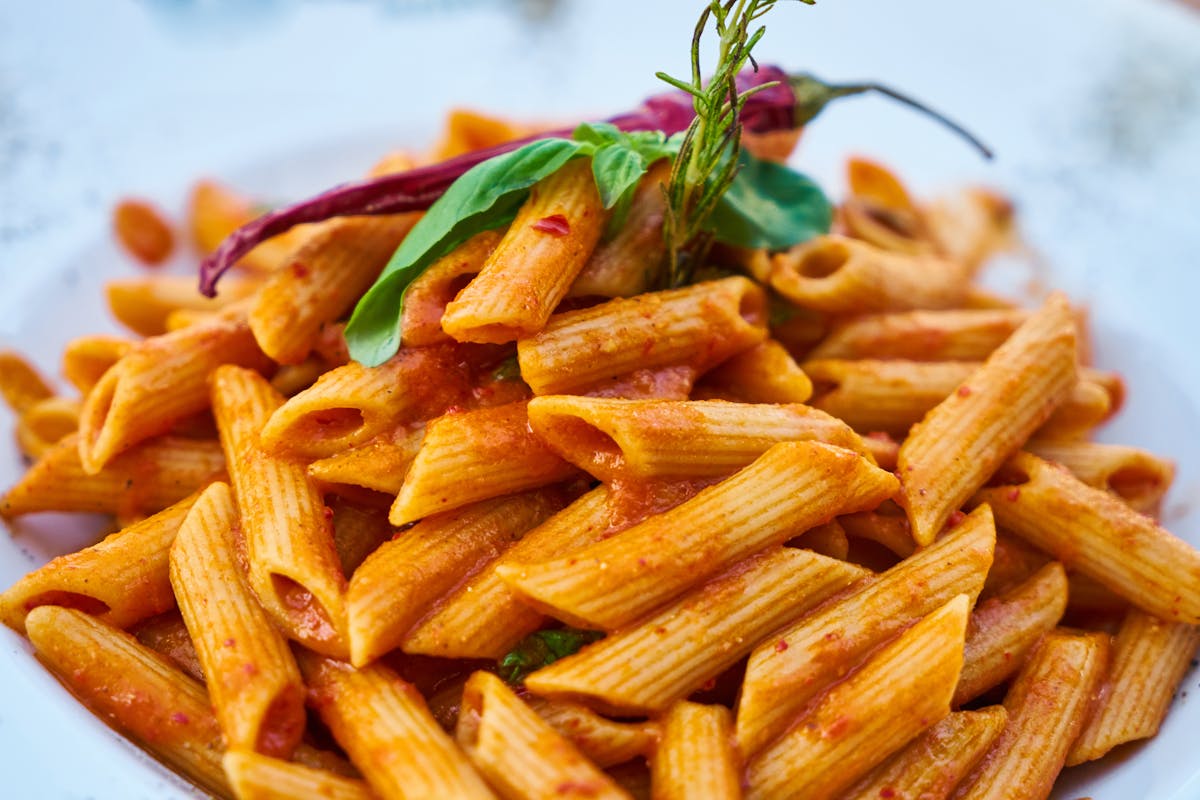
- Protein‑enriched pastas made from chickpeas, lentils, or fortified wheat.
- Snack bars reformulated with more fiber and less sugar, often marketed with “stays full longer” claims.
Apps and content creators have even begun promoting satiety scores, rating foods on protein density, fiber content, volume, and processing level. While these tools can be helpful, they’re best viewed as guides—not strict rules.
High‑Protein High‑Fiber Satiety Bowl (Customizable “Fullness Bowl”)
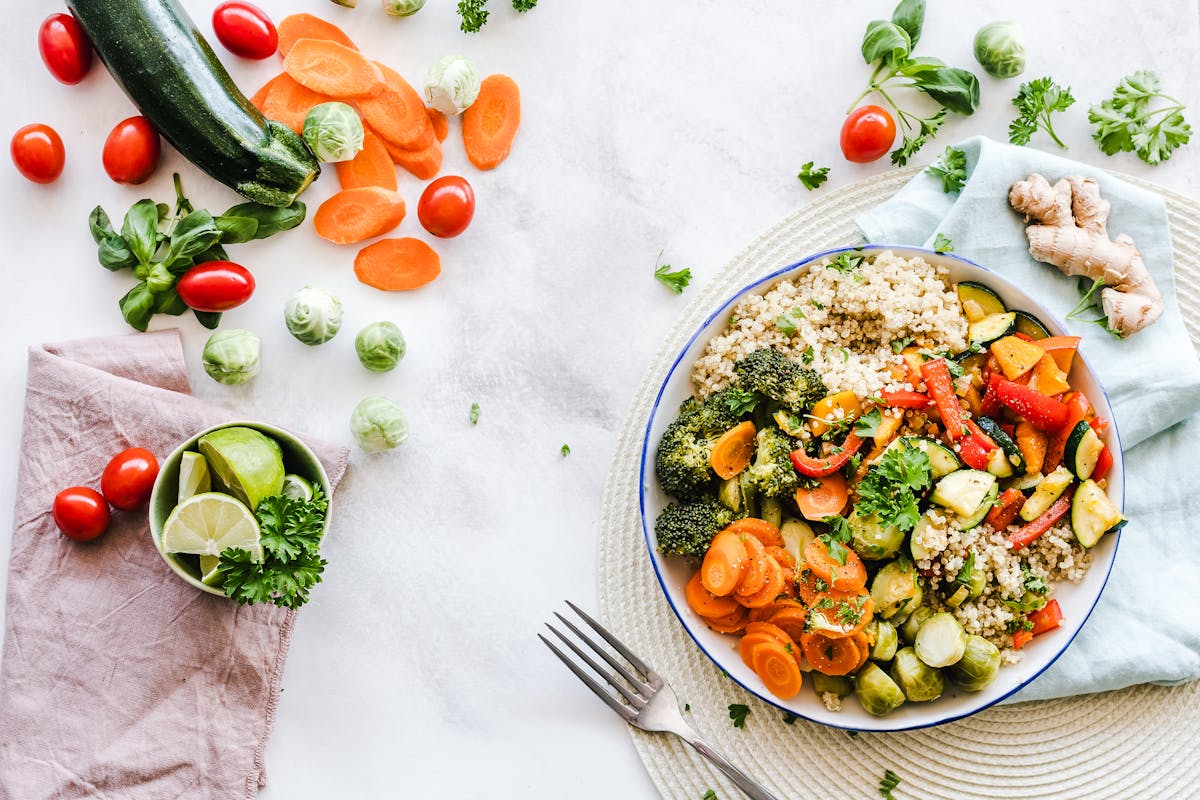
Let’s bring the satiety diet to life with a hearty, flexible bowl that you can adapt to any season. Think of this as a formula rather than a strict recipe: lean protein, a fiber‑rich whole grain or legume, lots of high‑volume vegetables, a creamy high‑protein topping, and a satisfying drizzle of healthy fat. It’s perfect for meal prep, and it tastes like something you’d happily eat even if you weren’t thinking about nutrition at all.
Prep: 15 minutes
Cook: 25 minutes
Total: 40 minutes
Serves: 2 generous bowls
Difficulty: Easy
Diet: High‑protein, high‑fiber, easily adaptable for vegetarian or gluten‑free
Ingredients
For the base (whole grain or legume)
- 1/2 cup (90 g) dry quinoa, brown rice, or barley (or 1 1/2 cups cooked)
For the protein (aim for ~25–30 g protein per serving)
- 200 g skinless chicken breast or firm tofu, cubed
- 1 tablespoon olive oil or avocado oil
- 1 teaspoon smoked paprika
- 1/2 teaspoon garlic powder
- 1/2 teaspoon ground cumin
- Salt and pepper to taste
For the vegetables & fiber
- 1 cup broccoli florets, fresh or frozen
- 1 small zucchini, sliced or half‑moons
- 1 red bell pepper, sliced
- 1 cup cherry tomatoes, halved
- 1/2 cup cooked chickpeas or lentils, drained and rinsed
- 2 big handfuls of leafy greens (spinach, kale, or romaine)
For the creamy high‑protein topping
- 1/2 cup (120 g) plain Greek yogurt or soy yogurt
- 1 teaspoon lemon juice
- 1 small garlic clove, finely grated or minced
- Pinch of salt
For crunch and healthy fats
- 2 tablespoons roasted chickpeas, nuts, or seeds (e.g., pumpkin or sunflower seeds)
- 1 teaspoon extra‑virgin olive oil per bowl, for drizzling
- 1 teaspoon chia or ground flax seeds per bowl (optional, for extra fiber and omega‑3s)
Equipment
- Medium saucepan for cooking grains
- Large skillet or sheet pan for protein and vegetables
- Mixing bowl for yogurt sauce
- Sharp knife and cutting board
- Measuring cups and spoons
- Two deep serving bowls
Instructions
- Cook the grain base.
Rinse the quinoa, rice, or barley under cold water. Cook according to package directions until tender but not mushy. Fluff with a fork and set aside. This is your slow‑burning, fiber‑rich foundation. - Season the protein.
In a bowl, toss the chicken or tofu with olive oil, smoked paprika, garlic powder, cumin, salt, and pepper until evenly coated. - Cook the protein.
Heat a non‑stick skillet over medium‑high heat. Add the seasoned chicken or tofu in a single layer. Cook, stirring occasionally, for 7–10 minutes (chicken) or 6–8 minutes (tofu), until golden and cooked through. Set aside. - Sauté or roast the vegetables.
In the same skillet, add a light splash of oil if needed. Add broccoli, zucchini, and bell pepper with a pinch of salt. Cook for 5–7 minutes until crisp‑tender. If you prefer roasted vegetables, toss them in a bit of oil and roast on a sheet pan at 400°F (200°C) for about 15–20 minutes. - Warm the legumes.
Stir in the chickpeas or lentils during the last 2–3 minutes of cooking, just to warm them through and let them soak up some flavor. - Make the yogurt sauce.
In a small bowl, whisk together Greek yogurt, lemon juice, grated garlic, and a pinch of salt. Taste and adjust acidity or seasoning. This sauce adds both creaminess and extra protein. - Assemble the satiety bowls.
Divide the cooked grain between two deep bowls. Top each with a generous handful of leafy greens. Arrange the warm vegetables, legumes, cherry tomatoes, and cooked protein on top, creating colorful “sections” if you like. - Finish with crunch and healthy fats.
Spoon dollops of yogurt sauce onto each bowl. Sprinkle with roasted chickpeas, nuts or seeds, and chia or flax seeds if using. Drizzle with a teaspoon of extra‑virgin olive oil per bowl. - Taste and adjust.
Add a final pinch of salt, a squeeze of lemon, or a grind of black pepper. Your bowl should taste bright, savory, and deeply satisfying.

Variations & Dietary Adaptations
Storage & Reheating
- Fridge: Store cooked grains, protein, vegetables, and yogurt sauce in separate airtight containers for up to 3–4 days.
- Reheating: Reheat grains, protein, and vegetables gently in a skillet or microwave until just warm. Add leafy greens, fresh tomatoes, and yogurt sauce after reheating.
- Meal prep tip: Build “ready‑to‑heat” boxes with everything except the greens and sauce, then assemble fresh for best texture.
Serving Suggestions & Complementary Dishes
To create a full satiety‑friendly menu, you can pair this bowl with:
- A simple side of fruit—berries, an apple, or orange segments—for extra fiber and natural sweetness.
- A small bowl of vegetable‑rich soup or a side salad if you like more volume.
- Unsweetened iced tea, water infused with citrus and herbs, or sparkling water for a refreshing, low‑calorie drink.

Making Satiety Eating Work in Everyday Life
The heart of the satiety diet is surprisingly simple: eat enough of the foods that truly satisfy you. Build meals around protein, fiber, and minimally processed ingredients; keep your schedule regular; and pay attention to how different foods and routines make you feel over a few hours, not just a few minutes.
You don’t have to be perfect. Even shifting one meal a day toward a high‑protein, high‑fiber satiety bowl can help reduce mindless snacking and energy crashes. Over time, this fullness‑first mindset tends to crowd out ultra‑processed choices naturally—without you feeling like you’re at war with your appetite.

