
Ozempic, GLP‑1 Drugs & the New ‘Ozempic Diet’: How Weight‑Loss Medications Are Changing the Way We Eat
Ozempic, GLP‑1 Drugs, and the New Wave of ‘Ozempic Diets’
Ozempic (semaglutide) and other GLP‑1 weight‑loss drugs like Wegovy, Mounjaro, and Zepbound are transforming how we think about dieting, celebrity weight loss, and long‑term nutrition. Once used mainly for type 2 diabetes, these medications now sit at the center of conversations about appetite, metabolism, and what a “diet” even means in an age when a weekly injection can dramatically change how hungry you feel.
At the same time, a new kind of eating pattern has emerged: the so‑called “Ozempic diet.” Rather than another fad, it’s a response to the real physiological changes these drugs create—smaller appetites, slower digestion, and sometimes uncomfortable side effects. Dietitians, doctors, and everyday home cooks are asking the same question: how do you nourish a body that suddenly wants far less food, without sacrificing flavor, joy, or long‑term health?
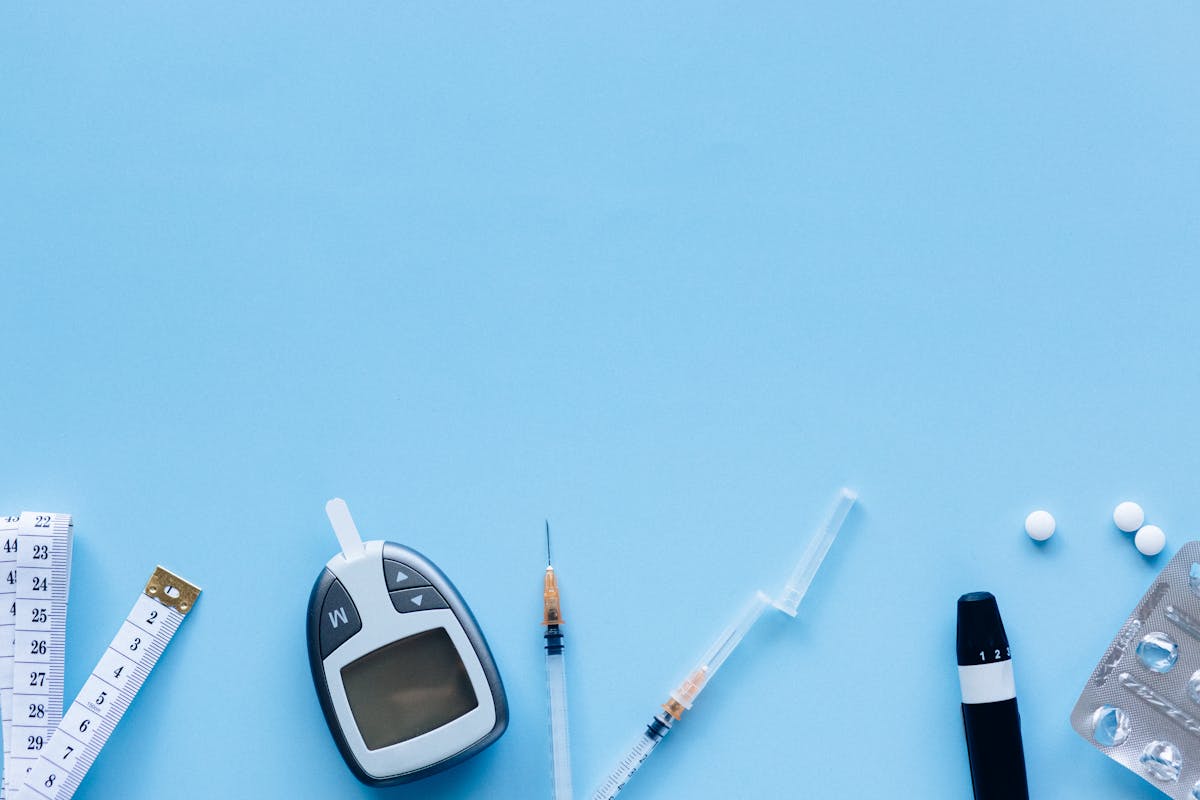
How Ozempic and GLP‑1 Weight‑Loss Drugs Work in the Body
GLP‑1 agonist drugs mimic a hormone your body already makes: glucagon‑like peptide‑1 (GLP‑1). In simple terms, this hormone:
- Slows down how quickly your stomach empties after meals
- Reduces appetite and cravings
- Helps regulate blood sugar and insulin
- Signals your brain that you’re satisfied sooner
On a plate, that can look like this: you serve your usual portion, eat half of it, and feel surprisingly done. Rich, greasy foods may feel overwhelming. Alcohol may lose its appeal. Many people describe a quieter mind around food—less constant bargaining about what to eat next, more “take it or leave it” feelings about snacks.
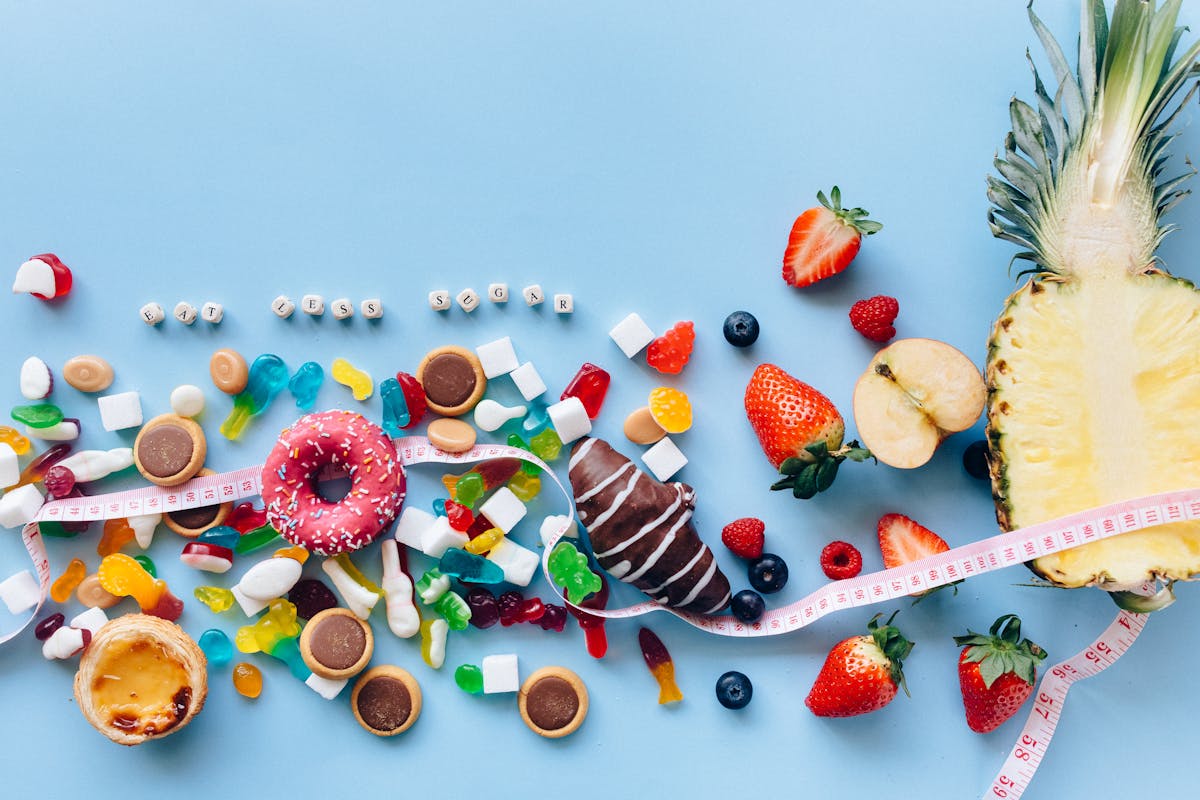
Celebrity Culture, Social Media, and the “Ozempic Body”
Part of what catapulted Ozempic into the spotlight wasn’t just clinical trial data—it was culture. Public speculation about rapid celebrity weight loss, viral “Ozempic body” rumors, and side‑by‑side photos on red carpets turned a medical drug into a pop‑culture phenomenon.
On platforms like TikTok and YouTube, people now share:
- Weekly injection routines and dose changes
- Honest side‑effect diaries—nausea, fatigue, digestive discomfort
- Before‑and‑after photos and clothing “try‑ons”
- Shifts in their relationship with food, alcohol, and social eating
This visibility has sparked difficult but necessary conversations about:
- Unrealistic beauty standards and weight stigma
- The ethics of using medical treatments for cosmetic goals
- Who can afford or access these medications
- What happens when the weight‑loss “honeymoon phase” ends
“It’s not that willpower suddenly doesn’t matter—it’s that biology matters too. GLP‑1 drugs are forcing us to admit how powerful appetite hormones really are.”

What Is an “Ozempic Diet”? Beyond Fads to Real Nutrition
As more people use GLP‑1 medications, nutrition advice tailored to these drugs has emerged under the catchy label “Ozempic diet.” At its best, this is not a branded meal plan or rigid menu—it’s a set of practical principles to protect health while your appetite is dialed down.
Dietitians and physicians commonly suggest:
- Higher protein intake (often 1.2–1.6 g per kg of body weight per day) to preserve muscle while losing weight.
- Fiber‑rich vegetables and whole grains to support digestion and gut health.
- Smaller, more frequent meals to ease nausea and avoid overwhelming a slowly emptying stomach.
- Gentle hydration—sipping water or herbal teas instead of big gulps to reduce discomfort.
- Limiting ultra‑processed foods that feel heavy or cause reflux on a slowed‑down digestive tract.
From a cooking perspective, this can be a surprisingly delicious challenge: how do you make every bite count when you’re simply eating less? Think deeply savory broths, protein‑packed grain bowls, silky yogurt parfaits with nuts and berries, and tender roasted vegetables with bright lemon and herbs.
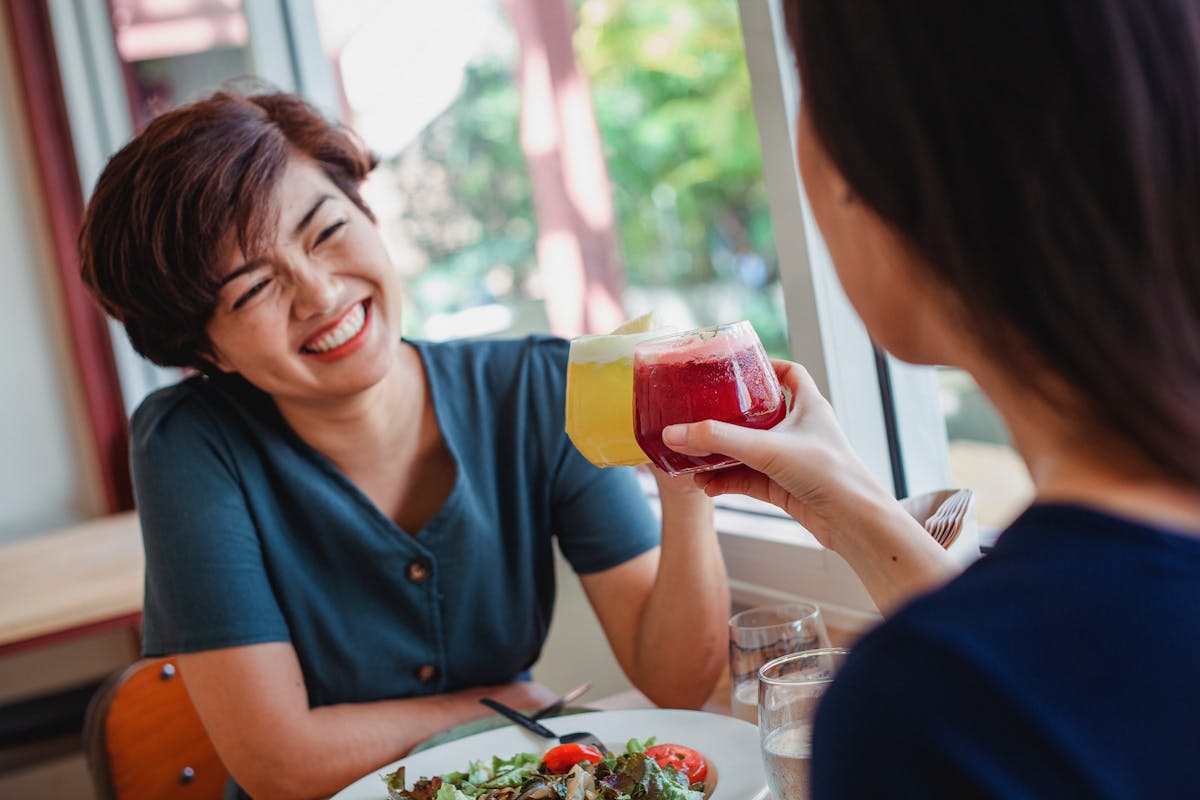
Key Nutrition Strategies While Taking GLP‑1 Weight‑Loss Drugs
If you’re using Ozempic, Wegovy, Mounjaro, or Zepbound under medical guidance, your plate can quietly support the medication’s work—or make side effects worse. Here are evidence‑informed strategies many clinicians and dietitians emphasize.
1. Prioritize Protein to Protect Muscle
Because GLP‑1s reduce appetite, it’s easy to under‑eat protein. But when weight comes off quickly, some of that loss can be muscle. To counter that:
- Include protein at every eating occasion (meals and snacks).
- Mix animal and plant sources if you eat both—fish, eggs, yogurt, tofu, beans, lentils, tempeh, nuts.
- For vegetarian or vegan eaters, combine foods like beans + grains or tofu + nuts to reach your targets.
2. Use Fiber for Gentle, Steady Digestion
GLP‑1 drugs slow gastric emptying; pair that with a sudden jump in fiber and you may feel uncomfortably full or bloated. The goal is a steady, moderate fiber intake:
- Favor cooked vegetables over large raw salads in the early weeks.
- Choose oats, quinoa, barley, and brown rice over refined grains.
- Add ground flax, chia, or berries for extra fiber in small portions.
3. Eat Smaller, Slower, and More Mindfully
Many people find they do best with:
- Half‑sized portions at meals, with the option for a small second helping if truly hungry.
- Taking 20–30 minutes to eat, pausing between bites.
- Stopping well before feeling “stuffed”—fullness can sneak up later because of delayed stomach emptying.
4. Focus on Micronutrients and Healthy Fats
Eating less overall can mean fewer vitamins and minerals unless you’re intentional. To keep each plate nutrient‑dense:
- Include colorful vegetables and fruits daily—think roasted carrots, sautéed spinach, bell peppers, berries, citrus.
- Add omega‑3 fats from salmon, sardines, mackerel, walnuts, or flax seeds for heart and brain support.
- Ask your clinician whether you need lab tests for nutrient levels (like B12, iron, vitamin D).
Common Side Effects and How Food Choices Can Help
Many GLP‑1 users report gastrointestinal side effects, particularly as doses increase. While your prescriber should guide medical decisions, some food patterns can ease the day‑to‑day discomfort.
Nausea and Early Fullness
- Choose gentle foods: brothy soups, yogurt, oatmeal, scrambled eggs, soft tofu.
- Avoid very greasy, fried, or heavily spiced meals on dose‑increase days.
- Try small snacks every few hours instead of big meals.
Constipation
- Slowly increase fiber from cooked vegetables, fruits with skin, and whole grains.
- Sip water or unsweetened herbal tea steadily through the day.
- Stay gently active—walking can help “wake up” digestion.
Reflux or Heartburn
- Eat smaller portions and avoid lying down soon after meals.
- Limit very large, high‑fat dinners and late‑night eating.
- Talk with your clinician if symptoms are persistent or severe.

Muscle, Metabolism, and Life After GLP‑1 Medications
One of the most discussed questions is: what happens when you stop Ozempic or a similar drug? Many people experience increased appetite again and may regain some or all of the lost weight. This isn’t a personal failure—it reflects how powerfully these drugs influence appetite regulation.
To support long‑term stability, experts highlight:
- Resistance training (with bands, weights, or bodyweight) to maintain muscle and bone density.
- Consistent protein intake even after leaving the medication.
- Enjoyable movement (walking, dancing, swimming, cycling) to keep metabolism and mood steady.
- Gradual, sustainable food habits rather than extreme restriction.
Emotionally, many people find it helpful to work with therapists, dietitians, or support groups who understand both weight stigma and the complexities of using GLP‑1s. The goal isn’t to chase a fleeting “Ozempic body,” but to build a relationship with food that feels calm, flexible, and aligned with your health values.
How GLP‑1 Weight‑Loss Drugs Could Reshape the Food Industry
Analysts are already asking what happens if a significant portion of the population consistently eats less. Early signals suggest possible shifts in:
- Fast‑food and snack sales if frequent grazing and impulse orders drop.
- Portion sizes, especially in restaurant and ready‑to‑eat meals.
- Product development, with more emphasis on high‑protein, nutrient‑dense, smaller‑portion items.
- Beverage choices, as some people report less interest in alcohol and super‑sweet drinks.
At the same time, equity questions loom large. GLP‑1 medications are expensive, availability can be patchy, and insurance coverage varies by region and indication. As with many health innovations, there’s a risk that benefits will cluster among those with greater financial and healthcare access.
Emerging Research: Gut Microbiota, Mental Health, and Beyond
Researchers continue to explore how GLP‑1 drugs interact with many systems beyond appetite:
- Gut microbiota: How does slower digestion and altered diet change the community of microbes in the gut, and how might that affect inflammation, mood, or long‑term weight regulation?
- Micronutrient status: Are users more prone to certain vitamin or mineral deficiencies when overall intake declines?
- Mental health: For some, weight loss and appetite quieting feel liberating; for others, there can be grief, identity shifts, or anxiety about regain.
Many nutrition professionals argue that if GLP‑1 medications are used, they should be paired with:
- Whole, minimally processed eating patterns (like Mediterranean‑style or plant‑forward diets).
- Adequate omega‑3 fats, colorful produce, and quality protein.
- Behavioral support to help integrate new habits into daily life and culture.
A Home Cook’s Guide: Making Every Bite Count on an Ozempic‑Friendly Plate
If you love food and find yourself with a smaller appetite on GLP‑1s, you don’t have to give up pleasure—you just have to cook more intentionally. Think of your kitchen as a place to craft deeply satisfying, nutrient‑dense meals in modest portions.
Pantry and Fridge Staples
- Greek or skyr yogurt, cottage cheese, or soy yogurt
- Eggs, tofu, tempeh, canned beans and lentils
- Frozen vegetables and berries for quick, gentle fiber
- Whole grains: oats, quinoa, brown rice, barley
- Nuts, seeds, and nut butters in small jars
- Flavor builders: olive oil, citrus, fresh or dried herbs, garlic, ginger
Simple Meal Ideas
- Soft veggie omelet with herbs and a small slice of whole‑grain toast
- Greek yogurt parfait with berries, ground flax, and a few chopped nuts
- Slow‑simmered lentil soup with carrots, celery, and a drizzle of olive oil
- Quinoa bowl with roasted vegetables, chickpeas, and lemon‑tahini sauce
- Poached salmon with mashed sweet potato and sautéed spinach
Rethinking Dieting in the Age of Ozempic
GLP‑1 medications like Ozempic, Wegovy, Mounjaro, and Zepbound are doing more than changing body weights—they’re forcing a cultural reset on how we understand appetite, willpower, and health. The emerging “Ozempic diet” conversation is, at its core, about using food thoughtfully alongside powerful medication: protecting muscle, supporting digestion, and nourishing both body and mind while eating less.
In the kitchen, that means savoring smaller portions of truly satisfying meals—meals that smell inviting, look colorful, and feel good in your body afterward. With the right support, GLP‑1s don’t have to flatten your relationship with food; they can be one part of a more compassionate, evidence‑based approach to long‑term health.
If you’re considering or already using a GLP‑1 drug, partnering with your healthcare team—and, when possible, a registered dietitian—can help you build an eating style that fits your values, culture, and everyday life. Food can remain joyful, comforting, and deeply human, even when your hunger cues have changed.
