
Gut Health 3.0: A Flavor‑Packed Guide to Fermented Foods, Polyphenols, and Microbiome‑Friendly Eating
Gut Health 3.0 is a delicious new wave in home cooking: instead of chasing harsh “gut resets” or endless probiotic pills, we’re building everyday meals around fermented foods, colorful plants, and polyphenol‑rich ingredients that truly feed our microbiome. This vibrant gut‑healthy rainbow grain bowl brings that trend to your table with tangy kimchi, nutty tempeh, crunchy veggies, and a deep‑green herb and olive‑oil dressing that your gut bugs will absolutely love.
Think of this bowl as a friendly template, not a strict rulebook. It’s packed with:
- Fermented foods for beneficial microbes and flavor fireworks.
- Plant diversity to help you along that “30 plants per week” challenge.
- Polyphenol‑rich extras like berries, herbs, cocoa nibs, and extra‑virgin olive oil.
As many gut health researchers now emphasize, there’s no single “perfect” gut‑friendly diet—just patterns that support diversity, gradual fiber increases, and enjoyment. This recipe is completely vegan, easily made gluten‑free, and infinitely adaptable to what feels good for your body.
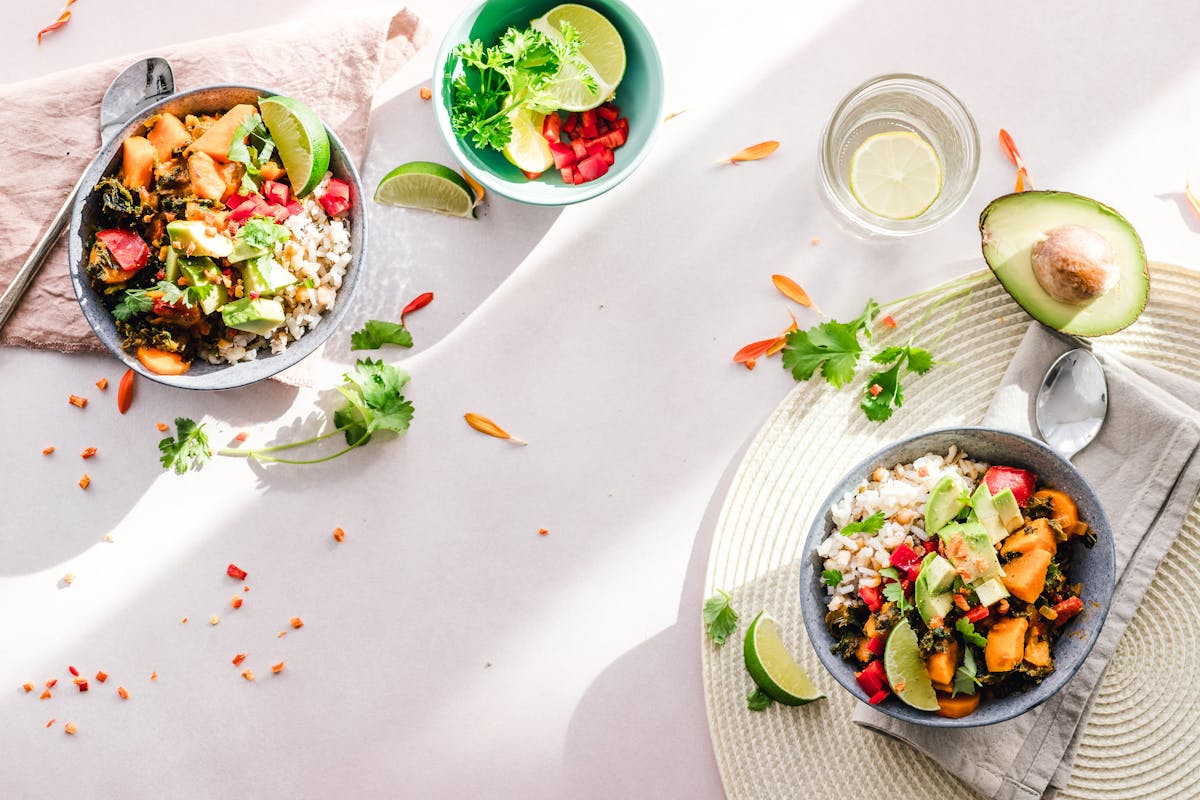
Gut‑Healthy Rainbow Grain Bowl Overview
Prep time:
Cook time:
Total time:
Servings: 2 generous bowls
Difficulty: Easy–moderate
Diet: Vegan, easily gluten‑free
Ingredients for a Microbiome‑Friendly Grain Bowl
Ingredients are listed for 2 bowls. You can easily double or halve. Aim for as many different plant “points” as you comfortably can.
Base (Whole Grains & Greens)
- 1 cup cooked whole grains (e.g., quinoa, brown rice, millet, or buckwheat – about 1/2 cup dry)
- 2 large handfuls mixed leafy greens (e.g., baby spinach, kale, arugula, or mixed salad leaves)
Fermented & Protein Toppings
- 1/2 cup kimchi or raw sauerkraut (choose unpasteurized if available)
- 150 g (about 5 oz) tempeh, sliced into strips or cubes
- 1 tablespoon tamari or low‑sodium soy sauce (use gluten‑free tamari if needed)
- 1 teaspoon toasted sesame oil (optional but lovely for aroma)
Colorful Veggie Medley
- 1 small carrot, peeled into ribbons or grated
- 1/2 small red cabbage wedge, very thinly sliced
- 1/2 cucumber, sliced or chopped
- 1 small red bell pepper, thinly sliced
- 1/2 cup cooked legumes (e.g., chickpeas, lentils, or black beans), rinsed and drained
Polyphenol‑Rich Herb & Olive‑Oil Dressing
- 1/4 cup extra‑virgin olive oil
- 2 tablespoons fresh lemon juice or apple cider vinegar
- 1 small handful fresh parsley (about 1/4 cup, loosely packed)
- 1 small handful fresh cilantro or basil
- 1 clove garlic, minced (omit or reduce for very sensitive guts)
- 1 teaspoon Dijon mustard
- 1–2 teaspoons maple syrup or honey (if not strictly vegan)
- 1/4 teaspoon ground turmeric
- 1/4 teaspoon freshly ground black pepper
- Pinch of sea salt, to taste
Crunchy, Polyphenol‑Rich Finishes
- 2 tablespoons mixed nuts (walnuts, almonds, hazelnuts), roughly chopped
- 1 tablespoon mixed seeds (pumpkin, sunflower, sesame, or hemp)
- 2 tablespoons fresh berries (blueberries, raspberries, or pomegranate arils), optional but wonderful
- 1 teaspoon cacao nibs or finely chopped dark chocolate (85%+), optional for subtle crunch
- Fresh herbs (mint, basil, or chives) for garnish
Equipment You’ll Need
- Medium saucepan or rice cooker for the grains
- Non‑stick skillet or cast‑iron pan for the tempeh
- Cutting board and sharp knife
- Vegetable peeler or grater
- Large mixing bowl (for tossing veggies if desired)
- Small jar with lid or bowl and whisk for dressing
- 2 serving bowls

How to Make This Gut‑Healthy Rainbow Grain Bowl
Take it step by step, and feel free to pause, taste, and adjust. Your kitchen, your microbes, your rules.
Cook your grain base.
Rinse your chosen grain under cold water. Cook according to package directions (for quinoa: 1 part quinoa to 2 parts water, simmer 15 minutes, then rest 5 minutes). Fluff with a fork and let it cool slightly so it doesn’t wilt your greens too much.
Prep the veggies for maximum color and crunch.
While the grains cook, slice the red cabbage very finely, peel the carrot into ribbons, slice the cucumber and bell pepper, and rinse your legumes. Keep everything in little piles—seeing all those colors is half the joy.
Pan‑sear the tempeh.
In a small bowl, toss the tempeh with tamari and sesame oil. Heat a non‑stick skillet over medium heat. Add tempeh in a single layer and cook 3–4 minutes per side until golden and lightly crisp at the edges. Remove from heat and set aside.
Whisk or shake together the herb & olive‑oil dressing.
Finely chop the parsley and cilantro (or basil). In a small jar, combine olive oil, lemon juice or vinegar, garlic (if using), Dijon, maple syrup, turmeric, black pepper, and salt. Add the herbs, then shake or whisk until slightly thickened and fragrant. Taste and adjust for acidity and salt.
Arrange the greens and grains.
Divide the leafy greens between two bowls. Spoon the warm grains on top or beside the greens. Drizzle each bowl with a tablespoon of dressing so the base is seasoned.
Add fermented foods and veggies.
Generously spoon kimchi or sauerkraut onto each bowl. Arrange the carrot, red cabbage, cucumber, bell pepper, and legumes in separate sections, building a rainbow around the grains.
Top with tempeh and crunchy polyphenol sprinkles.
Add the warm tempeh. Scatter chopped nuts, seeds, and berries over the top, along with cacao nibs or dark chocolate if using. Finish with fresh herbs.
Dress and serve mindfully.
Drizzle more herb dressing over each bowl just before eating. Start with a smaller amount if your gut is adjusting to more fiber or fermented foods, and eat slowly—this isn’t a race, it’s a conversation with your microbiome.
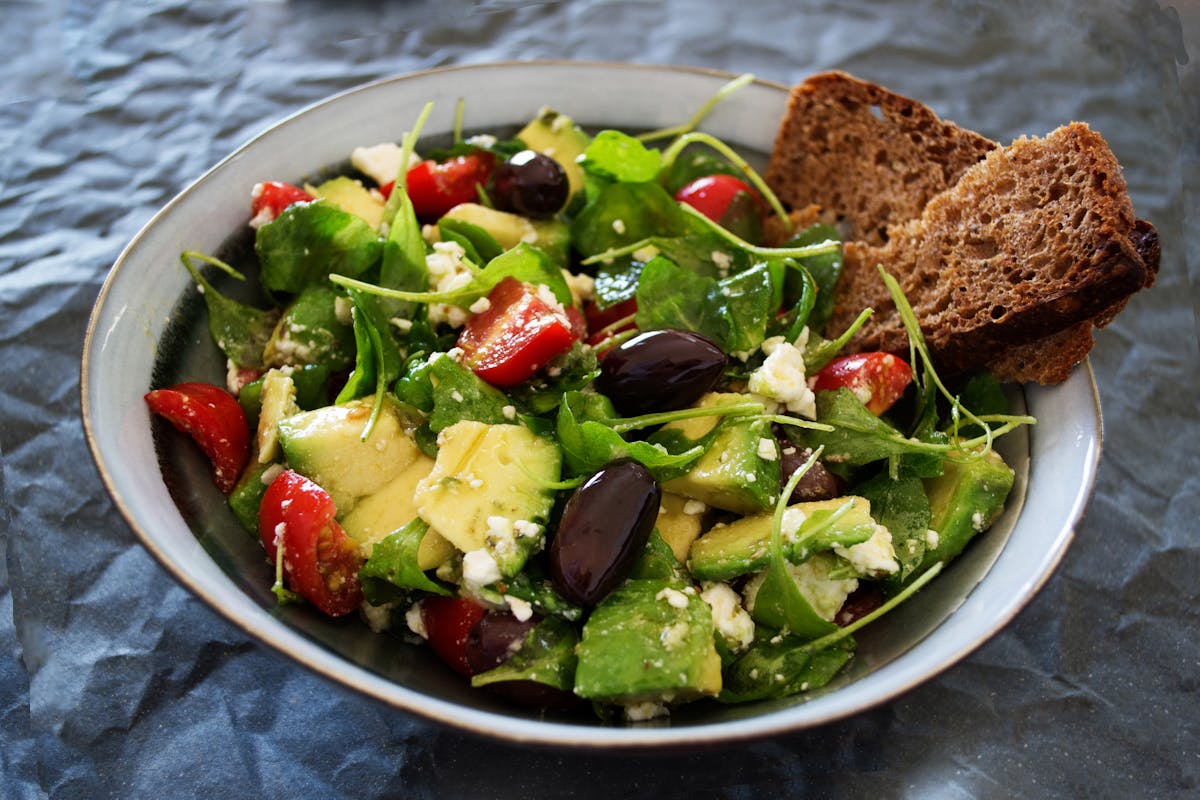
Why This Bowl Fits the Gut Health 3.0 Movement
Recent research and popular podcasts focusing on gut health highlight a more nuanced, food‑first approach. Instead of quick‑fix “gut detox” programs, the emphasis is on microbial diversity, gut barrier support, and sustainable habits.
Fermented foods like kimchi and yogurt have been shown in clinical studies to increase microbial diversity, while a broad mix of plant foods offers diverse fibers and polyphenols that feed beneficial bacteria.
This recipe weaves together the key themes you’ll hear in Gut Health 3.0 conversations:
- Fermented Foods as Staples: Kimchi or sauerkraut here can be swapped for yogurt on another day, or miso soup at lunch—small, regular doses matter more than perfection.
- 30 Plants per Week Challenge: One bowl already gives you multiple “plant points” (grains, legumes, nuts, seeds, herbs, and several veggies).
- Polyphenol Allies: Extra‑virgin olive oil, fresh herbs, berries, nuts, seeds, cocoa—they don’t just taste good; they also seem to support beneficial gut microbes and help modulate inflammation.
- No Extreme Resets: There’s no elimination list here—just options you can dial up or down based on your own tolerance, which is exactly the personalized, non‑perfectionist mindset experts now encourage.
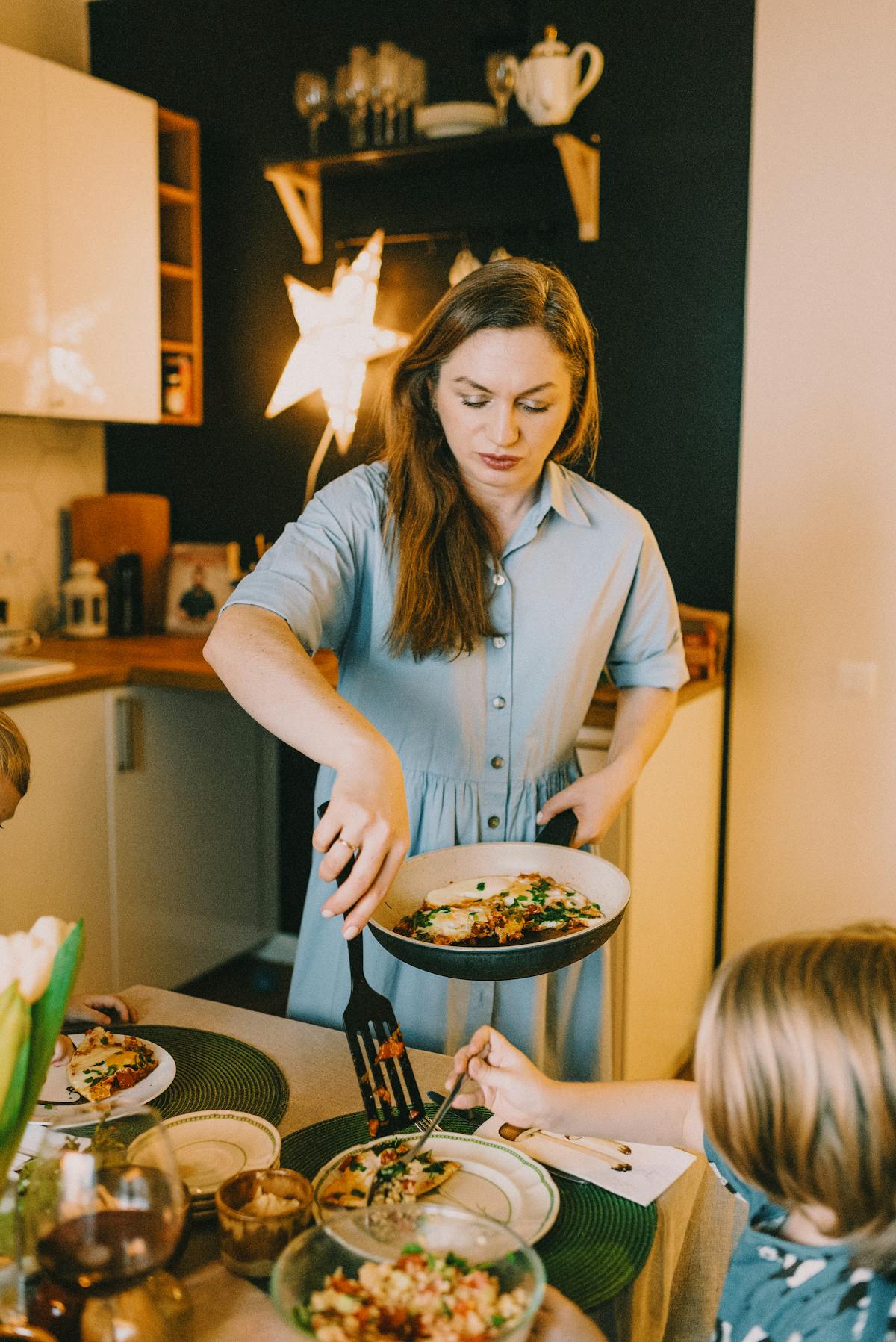
Serving Suggestions & Menu Pairings
This grain bowl is satisfying on its own, but it also plays beautifully in a larger gut‑supportive menu.
- Starter: A small cup of miso soup or a simple green salad with olive‑oil and lemon.
- Side: Sliced oranges with cinnamon or a small plate of olives for extra polyphenols.
- Drink: Unsweetened green tea, lightly brewed black tea, or a splash of kombucha diluted in sparkling water.
- Dessert: A square of dark chocolate with berries and a spoonful of yogurt (dairy or plant‑based) for more live cultures.

Storage, Meal Prep & Reheating
This microbiome‑friendly bowl is perfect for meal prep, with a couple of simple guidelines to keep your ferments happy and your veggies crisp.
Storage
- Cooked grains: Store in an airtight container in the fridge for up to 4 days.
- Tempeh: Cooked tempeh stays good in the fridge for up to 3 days.
- Chopped veggies: Store separately in containers or jars for 3–4 days.
- Dressing: Keeps well in the fridge for 4–5 days; shake before using.
- Fermented foods: Keep kimchi or sauerkraut in their own jars so they don’t overpower everything else.
Reheating
- Gently rewarm grains and tempeh in a pan with a splash of water or broth.
- Keep the kimchi/sauerkraut, fresh veggies, and dressing cold or room‑temp to preserve texture and live cultures.
Variations for Different Guts & Seasons
One of the most exciting parts of Gut Health 3.0 is the focus on personalization. There’s space for your preferences, your culture, and your body’s feedback.
Seasonal Shifts
- Spring: Add radishes, peas, asparagus tips, and lots of fresh herbs.
- Summer: Swap in cherry tomatoes, grilled zucchini, corn, and juicy peaches or nectarines.
- Autumn: Roast pumpkin or sweet potato cubes and toss in shredded Brussels sprouts.
- Winter: Use warm barley or buckwheat, roasted root veggies, and kimchi for cozy spice.
Protein Twists
- Animal protein version: Add grilled salmon, sardines, or chicken, and keep the ferments and plants as the colorful backbone.
- Extra legumes: Double the beans or lentils for more fiber and prebiotic power.
Texture & Flavor Play
- Add a spoon of tahini or plain yogurt to the dressing for creaminess.
- Sprinkle smoked paprika, cumin, or za’atar for a flavor twist and extra polyphenols.
- Use roasted nuts or spiced seeds for a toasty crunch.
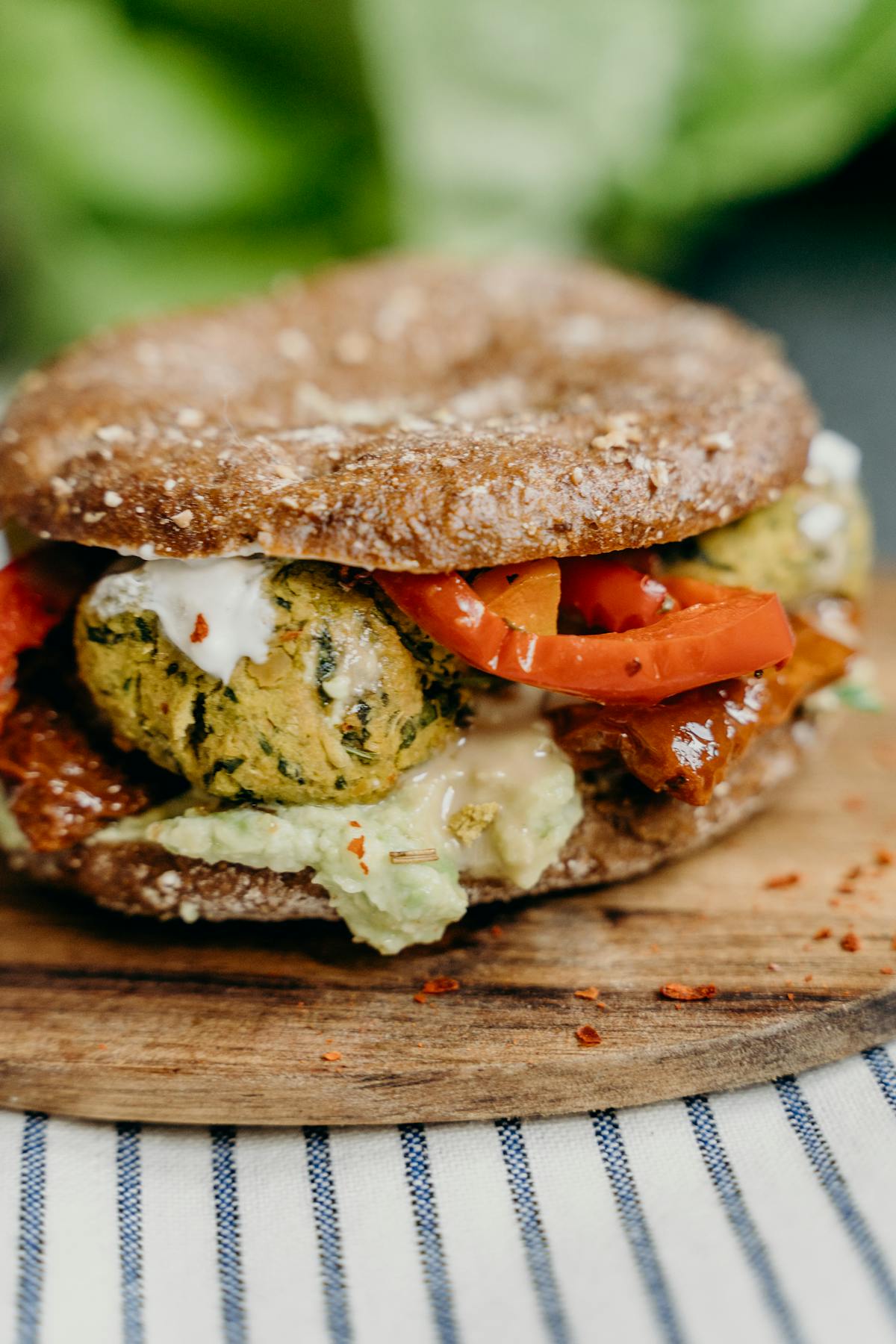
Nutrition & Gentle Health Notes
While exact nutrition will vary with your ingredient choices, this bowl typically offers:
- A balanced mix of complex carbohydrates, plant protein, and healthy fats.
- High fiber from whole grains, legumes, veggies, nuts, and seeds.
- Live cultures (if using raw ferments) plus prebiotic fibers that feed beneficial microbes.
- Polyphenols from olive oil, herbs, colorful vegetables, berries, tea or cocoa add‑ons, and spices.
Remember that low‑FODMAP or other therapeutic diets (for IBS or IBD) should be used under professional guidance and are usually short‑term tools, not lifelong eating plans. If you have a medical condition, adapt this recipe with your care team’s support.
This Gut Health 3.0 grain bowl is more than a recipe—it’s a template for building meals that feel generous, diverse, and kind to your microbiome. Once you’ve made it once, try swapping in different grains, ferments, veggies, and polyphenol‑rich “sprinkles” to keep your week deliciously varied.
Most of all, notice how you feel after eating: comfort, energy, mood, digestion. That gentle, curious tuning‑in is exactly the spirit of this new, more mature gut‑health era.
