
Gut Health 2.0 Power Bowl: A Microbiome-Friendly Fermented Veggie & Polyphenol Grain Bowl
Gut Health 2.0 is all about feeding not just yourself, but also the trillions of microbes that call your gut home. This recipe transforms that science into something you can savor: a warm, colorful fermented veggie and polyphenol grain bowl layered with tangy kimchi, silky yogurt-tahini sauce, nutty whole grains, and a confetti of crunchy seeds and fresh herbs.
Fermented Veggie & Polyphenol Grain Bowl (Gut Health 2.0)
Inspired by modern microbiome research and the “30 plants per week” idea, this bowl brings together fermented foods, prebiotic fibers, and polyphenol-rich plants in one deeply satisfying, weeknight-friendly meal. It’s flexible, mostly plant-based, and can be easily adapted to be fully vegan or gluten-free.
Fermented Veggie & Polyphenol Grain Bowl
Prep time:
Cook time:
Total time:
Servings: 4 bowls
Difficulty: Easy–Moderate
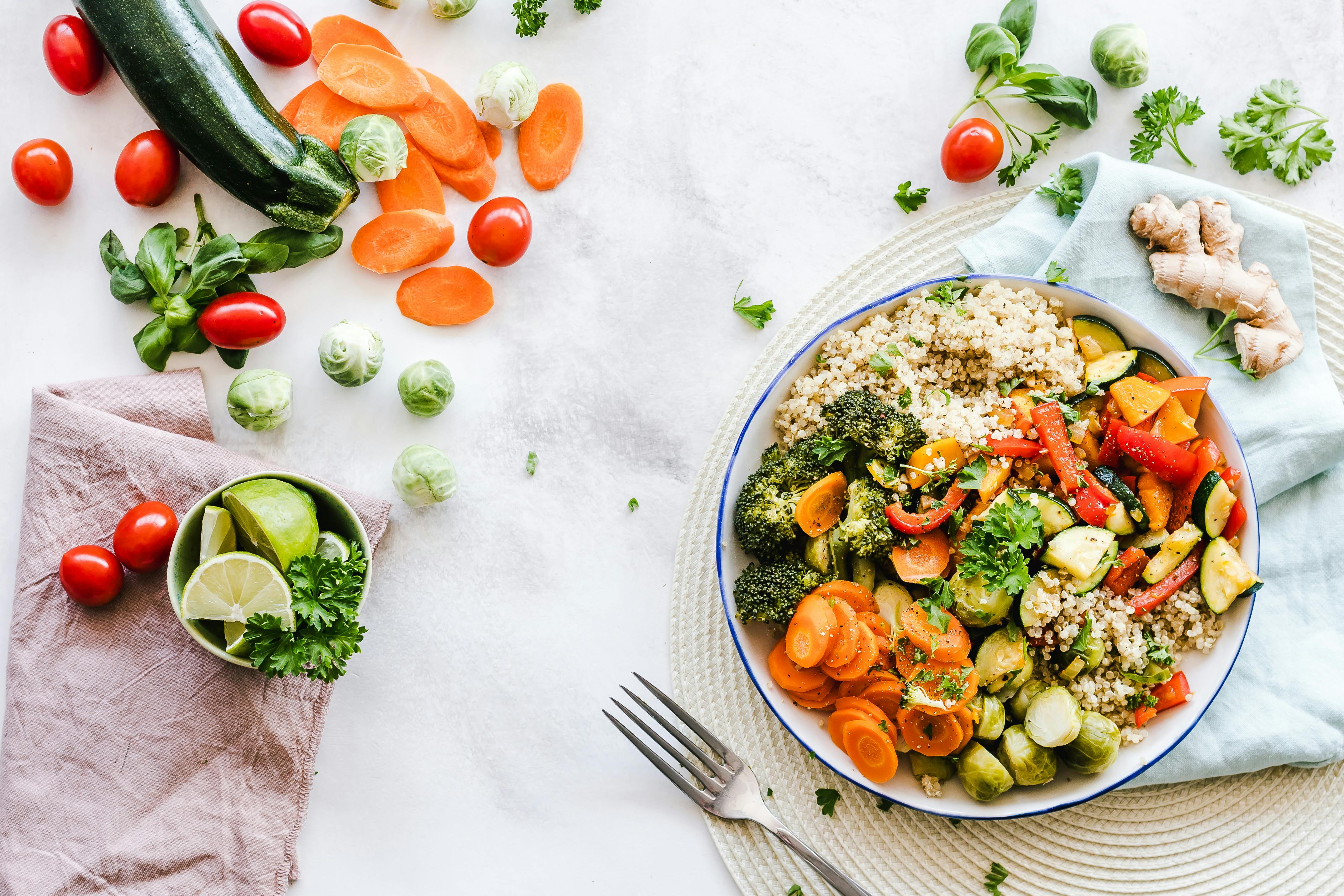
Think of this as your microbiome’s dream dinner: warm, crunchy, tangy, and deeply aromatic, with every bite offering a different texture—from juicy roasted vegetables to crisp fermented cabbage and the gentle chew of whole grains.
Ingredients for a Gut-Healthy Grain Bowl
This recipe is designed to pack in fermented foods, prebiotic fiber, and polyphenol-rich ingredients while still feeling like comfort food. Measurements are for 4 generous bowls.
Base: Whole Grains
- 1 cup (190 g) dry brown rice, or quinoa, barley, or farro
- 2 cups (480 ml) water or low-sodium vegetable broth
- 1/2 tsp fine sea salt
Roasted Prebiotic & Fiber-Rich Vegetables
- 1 medium red onion, sliced into wedges
- 1 small head of garlic, top sliced off (for roasting) or 4 cloves, smashed
- 1 medium sweet potato, cut into 1.5 cm cubes
- 1 cup (about 120 g) broccoli florets
- 1 cup (about 120 g) cauliflower florets
- 2 tbsp extra-virgin olive oil
- 1/2 tsp ground cumin
- 1/2 tsp smoked paprika
- Freshly ground black pepper, to taste
Protein & Fermented Toppings
- 1 block (about 400 g) firm tofu or tempeh, cubed
- 2 tsp tamari or low-sodium soy sauce
- 1 tsp toasted sesame oil (optional, for flavor)
- 1 to 1 1/2 cups (about 150–200 g) kimchi or sauerkraut, preferably unpasteurized
- 1/2 cup (120 g) plain yogurt (Greek or skyr; use coconut yogurt for vegan)
Polyphenol-Rich Yogurt–Tahini Dressing
- 1/4 cup (60 g) tahini
- 1/2 cup (120 g) of the plain yogurt above
- 2 tbsp freshly squeezed lemon juice
- 1 tbsp extra-virgin olive oil
- 1 small clove raw garlic, finely grated (optional, for extra prebiotic kick)
- 1–2 tsp honey or maple syrup (optional, to balance acidity)
- 2–4 tbsp cold water, to thin as needed
- 1/4 tsp fine sea salt, plus more to taste
- Freshly ground black pepper
Finishing Touches: Crunch & Color
- 1 small avocado, sliced
- 1/2 cup (75 g) mixed berries (blueberries, raspberries, or pomegranate arils)
- 2 tbsp pumpkin seeds (pepitas)
- 2 tbsp sunflower seeds or hemp seeds
- Small handful fresh parsley, cilantro, and/or mint, roughly chopped
- 1 tsp toasted sesame seeds or gomasio (optional)
- Chili flakes, to taste (optional)
Equipment You’ll Need
- Medium saucepan with lid (for cooking grains)
- Large baking sheet (or two, for roasting vegetables and tofu)
- Mixing bowl (for tofu and dressing)
- Small whisk or fork
- Sharp chef’s knife and cutting board
- Measuring cups and spoons

Step-by-Step Instructions
Follow these steps in order for a smooth, relaxed cooking flow. The grains and vegetables cook while you whisk together the dressing and prep the toppings.
1. Cook the Whole-Grain Base
- Rinse the grains: Rinse 1 cup brown rice (or your chosen grain) under cold water until the water runs mostly clear. This helps with texture.
- Simmer: In a medium saucepan, combine the rinsed grains, 2 cups water or broth, and 1/2 tsp salt. Bring to a boil, then reduce to a gentle simmer, cover, and cook until tender (about 25–30 minutes for brown rice; 15 minutes for quinoa; check package directions).
- Rest: Turn off the heat and let sit, covered, for 5–10 minutes. Fluff with a fork just before serving.
2. Roast the Prebiotic Vegetables & Tofu
- Preheat the oven: Set to 200 °C (400 °F). Line a large baking sheet with parchment paper for easier cleanup.
- Prepare vegetables: Add onion wedges, sweet potato cubes, broccoli, and cauliflower to the baking sheet. If roasting a whole head of garlic, nestle it (cut side up) among the vegetables. Drizzle with 2 tbsp olive oil, then sprinkle with cumin, smoked paprika, salt, and pepper. Toss to coat and spread in a single layer.
- Season the tofu: In a bowl, gently toss tofu cubes with tamari and sesame oil. Arrange them on a separate part of the same baking sheet (or a second sheet) so they can crisp up.
- Roast: Roast for 20–25 minutes, flipping the tofu and tossing the vegetables halfway, until the veggies are caramelized at the edges and the tofu is lightly golden.
- Cool slightly: If you roasted a whole head of garlic, squeeze the soft, sweet cloves out of their skins once cool enough to handle.
3. Make the Yogurt–Tahini Polyphenol Dressing
- Whisk the base: In a small bowl, whisk together tahini, 1/2 cup yogurt, lemon juice, olive oil, grated raw garlic (if using), and honey or maple if you like a hint of sweetness.
- Adjust texture: Add cold water, 1 tablespoon at a time, whisking until the dressing is smooth and pourable but still creamy.
- Season: Add 1/4 tsp salt and several grinds of black pepper. Taste and adjust acidity, salt, or sweetness to your liking.
4. Prep the Fermented & Fresh Toppings
- Fermented component: Roughly chop the kimchi if the pieces are large. Keep any juices—they’re full of flavor and live cultures.
- Slice and chop: Slice the avocado, rinse and pat dry the berries, and chop the fresh herbs.
- Toast seeds (optional): In a small dry skillet over medium heat, lightly toast pumpkin and sunflower seeds for 2–3 minutes until fragrant, shaking the pan frequently to prevent burning.

5. Assemble Your Gut Health 2.0 Bowls
- Base layer: Divide the warm grains among 4 bowls.
- Add vegetables & protein: Top each bowl with a generous scoop of roasted vegetables and tofu.
- Fermented flourish: Add a spoonful (or more) of kimchi or sauerkraut to each bowl, drizzling some of the brine over the grains if you enjoy the tang.
- Dress it up: Spoon the yogurt–tahini dressing over the top. Add a few extra dollops of plain yogurt if you like it extra creamy.
- Finish with color & crunch: Garnish with avocado slices, berries, seeds, fresh herbs, sesame seeds, and chili flakes. Serve immediately while the base is still warm and the fermented toppings are cool and lively.

Why This Bowl Loves Your Microbiome
“Gut Health 2.0” moves beyond supplements and into whole dietary patterns. This bowl is built on that science:
- Fermented foods: Kimchi and yogurt bring live cultures that can enrich your gut microbiota. Keeping them off direct high heat helps preserve those microbes.
- Prebiotic fibers: Onions, garlic, sweet potato, broccoli, and whole grains provide fibers your body can’t digest—but your gut bacteria can. They ferment these fibers into beneficial short-chain fatty acids.
- Polyphenols: Olive oil, berries, herbs, and spices are rich in polyphenols, which appear to support beneficial microbes and may help modulate inflammation.
- Plant diversity: Between the grains, vegetables, herbs, seeds, and berries, you’re feeding a wide variety of microbes, not just a few.
You don’t need a “perfect” gut-healing diet—just keep adding more colors, more plants, and more fermented foods to your plate. This bowl is a joyful, practical way to start.
Substitutions & Dietary Adaptations
This microbiome-friendly bowl is incredibly flexible. Use what you love and what’s in season.
- Gluten-free: Use brown rice, quinoa, or buckwheat as the base; avoid barley and farro.
- Vegan: Swap yogurt for a plain, unsweetened coconut or soy yogurt with live cultures. Use maple syrup instead of honey.
- Low-lactose: Choose lactose-free yogurt or a high-protein plant-based yogurt; hard cheeses or miso can also add fermented notes on the side.
- Different fermented foods: Try sauerkraut, miso-roasted vegetables, or a spoonful of tempeh in place of or alongside kimchi.
- Other vegetables: Swap or add carrots, Brussels sprouts, zucchini, or beetroot—whatever looks fresh and colorful.
- Protein options: Use chickpeas, lentils, grilled chicken, or boiled eggs if that better suits your needs and preferences.
Storage & Reheating Tips
This recipe is perfect for meal prep—just keep the fermented and fresh components separate from the warm base.
- Grains & roasted vegetables: Store together in an airtight container in the fridge for up to 4 days. Reheat gently in a pan with a splash of water or in the microwave until just warm.
- Tofu: Store with the vegetables or separately. Re-crisp in a lightly oiled skillet if desired.
- Dressing: Keeps in a sealed jar in the fridge for up to 5 days. It may thicken—loosen with a spoonful of water or lemon juice and whisk before serving.
- Fermented vegetables (kimchi/sauerkraut): Keep refrigerated in their brine, in a sealed jar. Use a clean utensil every time you scoop to protect the culture.
- Avocado & berries: Best prepared fresh. If prepping ahead, toss avocado in a little lemon juice to slow browning.
When reheating leftovers, warm only the grains, vegetables, and tofu—then add the cold fermented veggies, yogurt, and fresh toppings just before eating to keep their textures and cultures vibrant.
Serving Ideas & Pairings
Turn this bowl into the centerpiece of a full Gut Health 2.0–inspired menu:
- Light starter: A small miso soup or a simple green salad with olive oil and lemon.
- Refreshing drink: Unsweetened green tea, kombucha, or infused water with cucumber and mint.
- Simple dessert: A square of dark chocolate (70% or higher) with a few extra berries for an extra polyphenol boost.
- Breakfast remix: Reheat a small portion of the grains and veggies, top with a fried or poached egg and a spoonful of kimchi for a savory gut-friendly breakfast bowl.

Above all, treat this recipe as a template. Swap in seasonal produce, play with different fermented foods, and let your own taste buds guide you. A happy gut starts with food you genuinely love eating.
