
Gut Health 2.0: A Flavor-Packed Microbiome Diet with Fermented Foods & Fiber-Rich Recipes
Gut Health 2.0: Eating for Your Microbiome
Gut health has grown up. The new “Gut Health 2.0” movement is less about popping a single probiotic pill and more about building a delicious, everyday way of eating that feeds a diverse, resilient microbiome. Think: tangy fermented foods, colorful plant‑rich meals, and fiber‑packed pantry staples that actually make dinner taste better.
Around the world, home cooks are rediscovering old‑school food traditions—yogurt, kimchi, sauerkraut, miso, and naturally fermented pickles—and weaving them into modern recipes like kimchi fried rice, miso‑spiked soups, and kefir breakfast bowls. Social media creators have turned microbiome science into simple food goals: “30 plants a week,” “one fermented food a day,” “more whole grains, fewer ultra‑processed snacks.”
In this guide, you’ll learn how Gut Health 2.0 works, how to ease into higher‑fiber and fermented foods comfortably, and how to cook a cozy, microbiome‑friendly dinner: a Gut‑Loving Kimchi & Brown Rice Power Bowl packed with prebiotic veggies, whole grains, and a luscious miso‑tahini dressing.
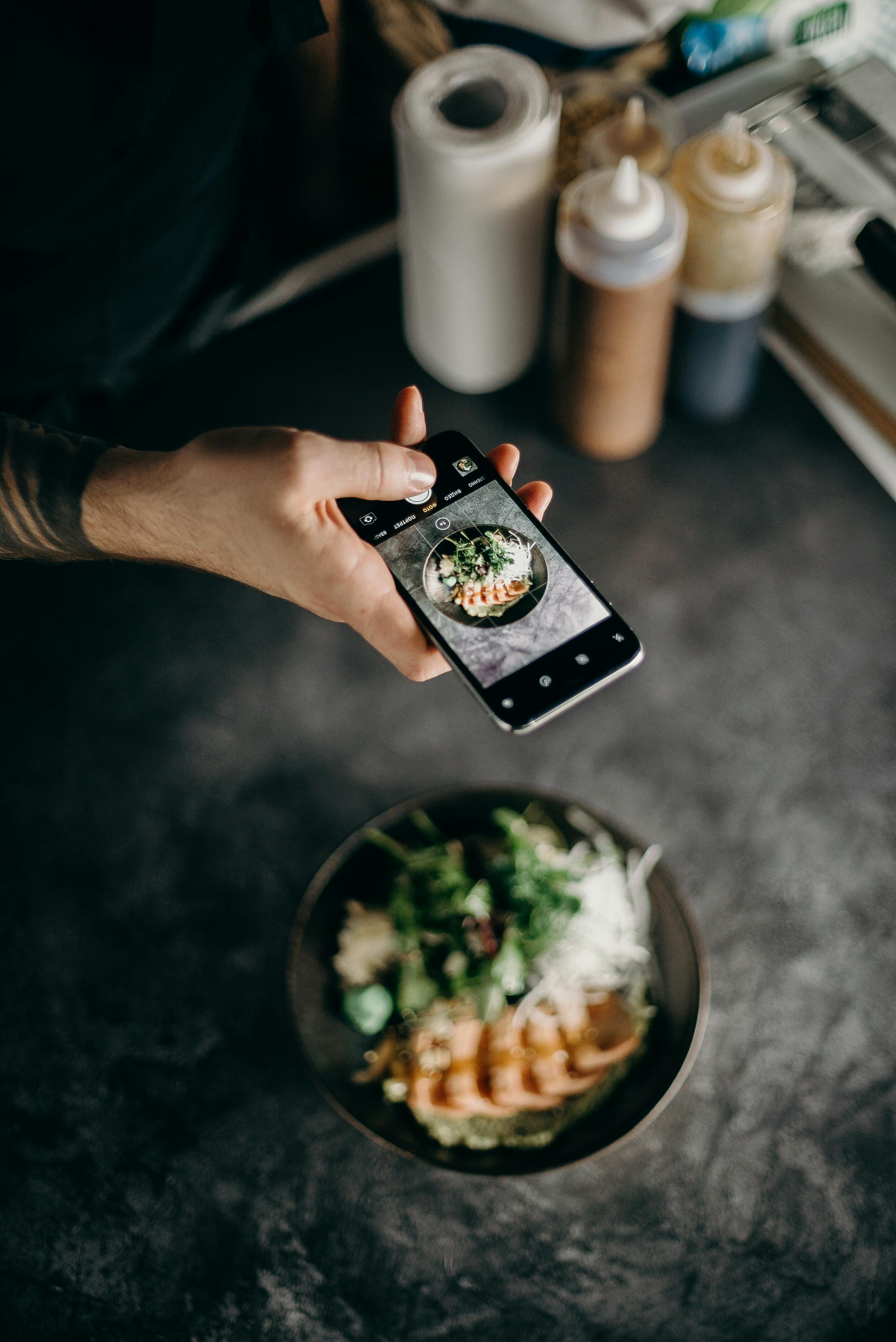
What Makes “Gut Health 2.0” Different?
Earlier gut health trends often focused on a single supplement or “miracle” food. Gut Health 2.0 is more holistic and food‑centered. It draws on emerging microbiome research—amplified by books, podcasts, and streaming docuseries—linking gut bacteria to digestion, immunity, mood, and even metabolic health.
The new approach is practical and plate‑based. Instead of strict diets, the emphasis is on:
- Daily fermented foods like yogurt, kefir, kimchi, sauerkraut, miso, tempeh, natto, kombucha, and traditionally fermented pickles.
- Prebiotic fibers that feed beneficial microbes—onions, garlic, leeks, asparagus, slightly green bananas, oats, barley, beans, lentils, and more.
- Plant diversity: instead of one or two “superfoods,” the goal is many different fruits, vegetables, whole grains, nuts, seeds, herbs, and spices each week.
- Fewer ultra‑processed foods and more home‑cooked, minimally processed meals.

Microbiome Basics: Why Your Gut Loves Variety
Your gut microbiome is a bustling community of trillions of microorganisms living mainly in the large intestine. Different microbes thrive on different types of fiber and plant compounds. When you eat a narrow diet, you tend to feed only a few types of bacteria; when you eat a wide variety of plants, you cultivate a more diverse microbial “garden.”
“Diversity is one of the hallmarks of a resilient gut microbiome. A variety of plant fibers and polyphenols helps support this diversity.”
Many microbiome‑focused researchers and clinicians now popularize the idea of aiming for around 30 different plant foods per week. That might sound like a lot, but it adds up quickly when you count:
- Fresh and frozen fruits and vegetables
- Whole grains (brown rice, oats, barley, quinoa, whole‑wheat pasta)
- Beans and lentils
- Nuts and seeds
- Herbs and spices (yes, they count!)
Our recipe below is designed to sneak in multiple plant types in a single comforting bowl—perfect for Gut Health 2.0 eating.
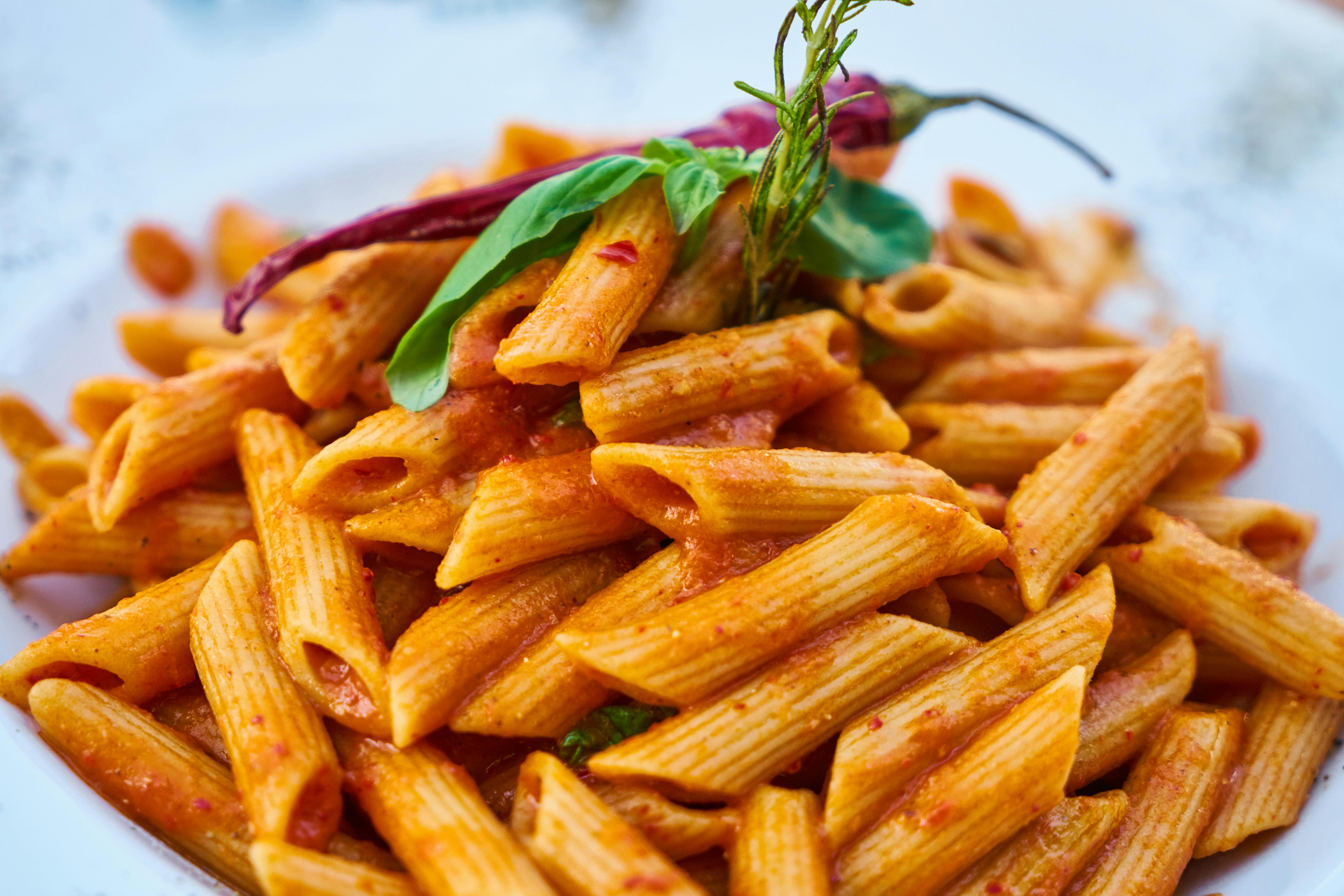
Gut‑Loving Kimchi & Brown Rice Power Bowl
This cozy, savory bowl is inspired by Korean flavors and modern microbiome science. You get:
- Fermented foods: kimchi and miso
- Prebiotic fibers: garlic, spring onion, cruciferous vegetables, and optionally beans or lentils
- Whole grains: nutty brown rice
- Healthy fats: sesame oil and tahini
- Plant diversity: a rainbow of veggies and herbs
Quick Recipe Summary
Prep time: 20 minutes
Cook time: 30 minutes
Total time: 50 minutes
Servings: 4 bowls
Difficulty: Easy–Moderate
Equipment You’ll Need
- Medium saucepan with lid (for rice)
- Large nonstick or cast‑iron skillet or wok
- Cutting board and sharp knife
- Small bowl and whisk (for dressing)
- Measuring cups and spoons
Ingredients
For the Brown Rice Base
- 1 1/2 cups (285 g) brown rice, rinsed
- 3 cups (720 ml) water or low‑sodium vegetable broth
- 1/2 tsp fine sea salt
For the Kimchi Veggie Topping
- 1 Tbsp neutral oil (avocado, grapeseed, or light olive)
- 2 tsp toasted sesame oil
- 3 garlic cloves, finely minced
- 1 Tbsp fresh ginger, finely grated
- 1 small yellow onion, thinly sliced
- 2 cups (about 150 g) shredded green cabbage or napa cabbage
- 1 cup (100 g) carrot matchsticks or thin slices
- 1 small broccoli crown, cut into small florets (about 2 cups)
- 1 cup (160 g) cooked edamame or other beans (chickpeas or lentils)
- 1 to 1 1/2 cups (150–225 g) chopped kimchi (look for a naturally fermented brand; drain excess liquid)
- 2 Tbsp tamari or low‑sodium soy sauce
- 1–2 tsp rice vinegar or apple cider vinegar, to taste
For the Creamy Miso‑Tahini Dressing
- 3 Tbsp tahini
- 1 Tbsp white or yellow miso paste
- 1 Tbsp rice vinegar
- 1–2 tsp maple syrup or honey (optional, for balance)
- 1–2 Tbsp water, plus more as needed to thin
- 1 tsp grated ginger (optional)
For Serving & Garnish
- 2–3 spring onions (scallions), thinly sliced
- 1–2 Tbsp toasted sesame seeds
- Fresh coriander (cilantro) or parsley, roughly chopped
- Fried or soft‑boiled eggs, or grilled tofu/tempeh, for extra protein (optional)
Step‑by‑Step Instructions
- Cook the brown rice.
In a medium saucepan, combine rinsed brown rice, water or broth, and salt. Bring to a boil over medium‑high heat. Reduce heat to low, cover, and simmer for 30–35 minutes, or until the rice is tender and liquid is absorbed. Remove from heat and let sit, covered, for 5–10 minutes, then fluff with a fork.
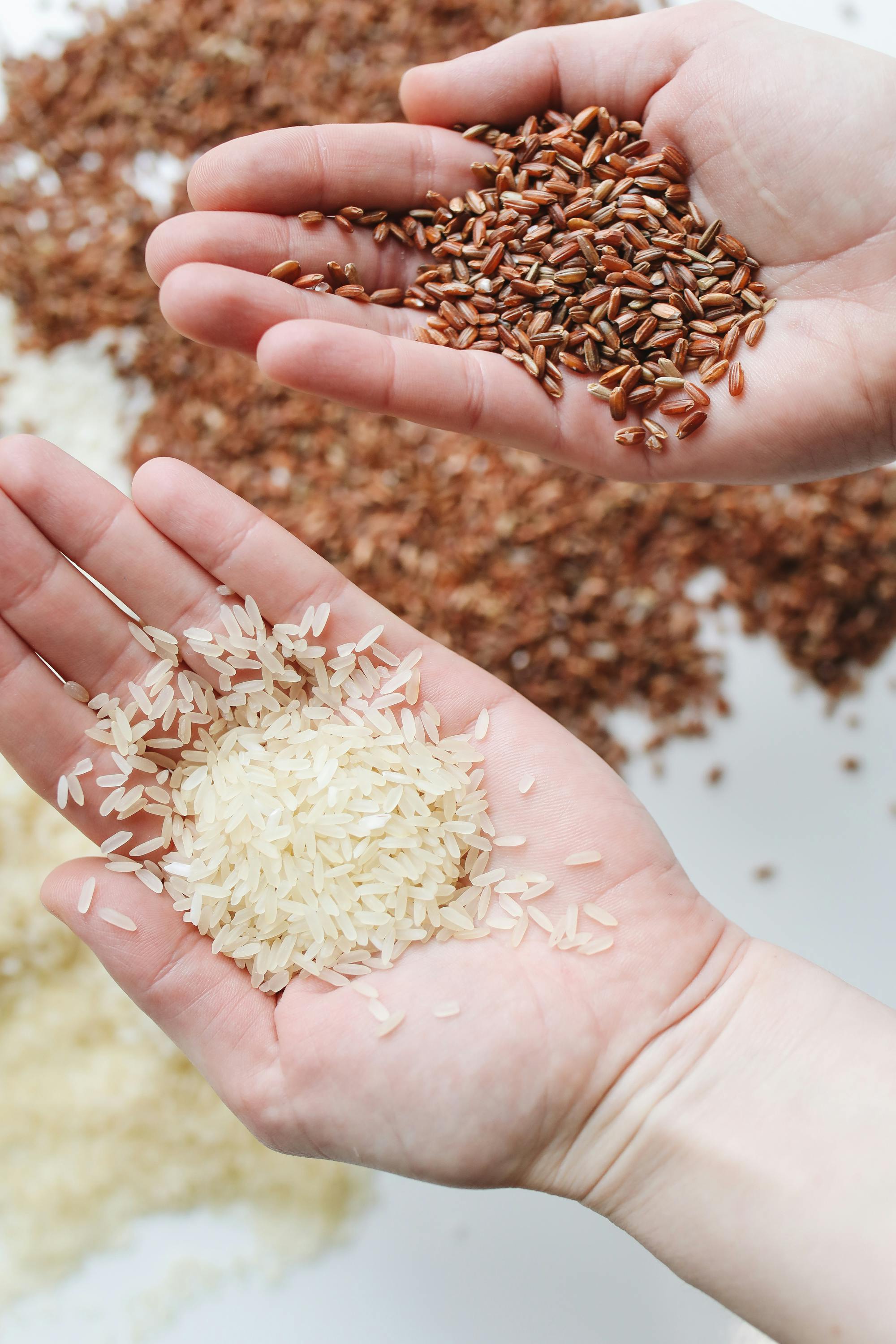
Gently simmered brown rice forms a nutty, fiber‑rich base for your gut‑loving bowl. - Prep your vegetables and kimchi.
While the rice cooks, slice the onion, shred the cabbage, cut the broccoli into small florets, and prepare the carrots and spring onions. Roughly chop the kimchi so it distributes evenly throughout the bowl.
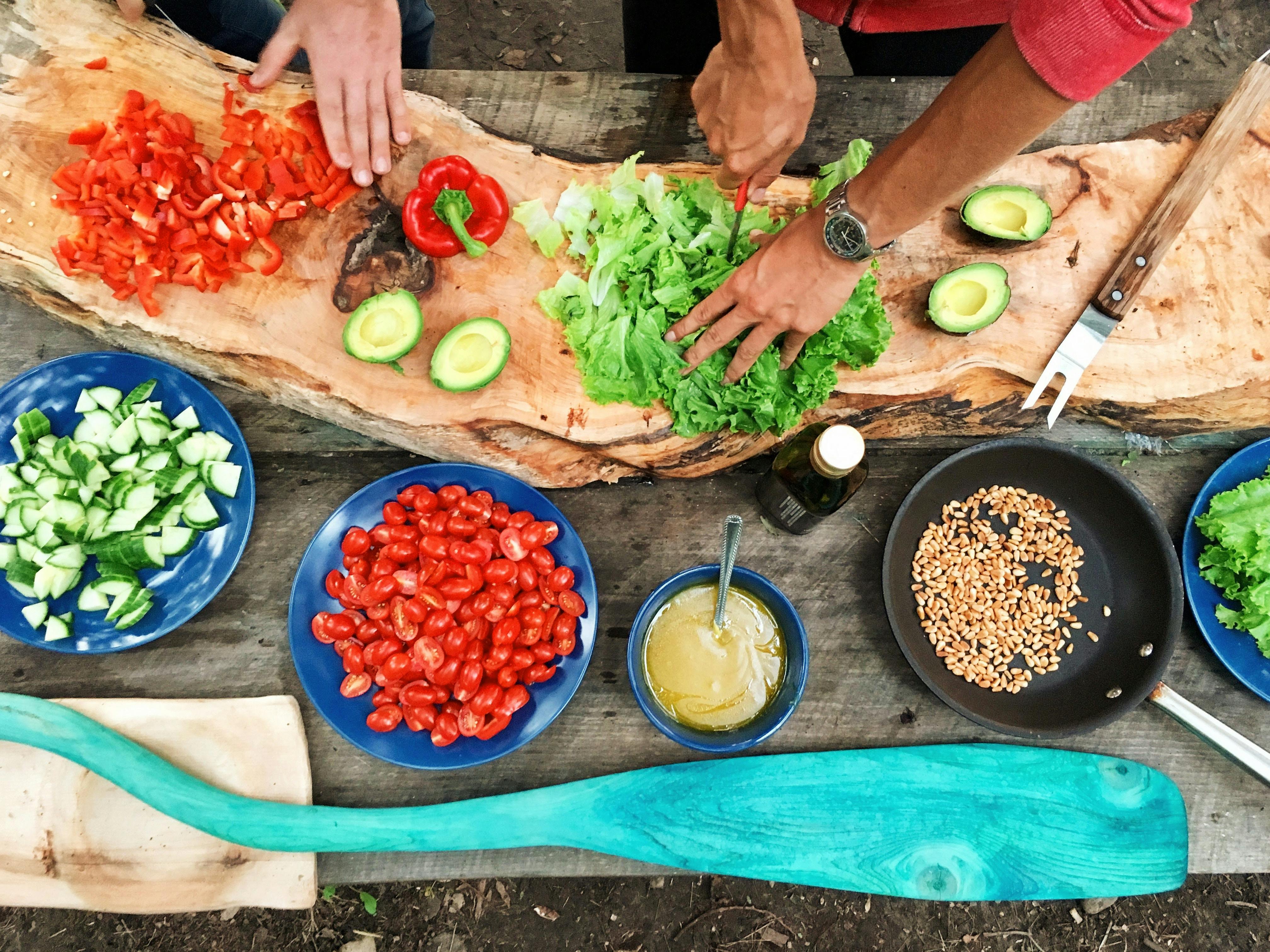
A little prep time gives you a rainbow of fiber‑rich vegetables and spicy kimchi. - Make the miso‑tahini dressing.
In a small bowl, whisk together tahini, miso paste, rice vinegar, and maple syrup or honey (if using). Add 1–2 tablespoons of water and whisk until smooth and pourable, adding more water as needed. Taste and adjust—more vinegar for brightness, more miso for saltiness, a touch more sweetener for balance.

Creamy miso‑tahini dressing adds richness and umami without heavy cream. - Stir‑fry the aromatics.
In a large skillet or wok, warm the neutral oil and 1 teaspoon of sesame oil over medium heat. Add the minced garlic and grated ginger. Cook for 30–60 seconds, stirring constantly, until fragrant but not browned.
- Add the vegetables and beans.
Add the sliced onion and cook for 2–3 minutes until slightly softened. Stir in the cabbage, carrots, and broccoli. Cook for 5–7 minutes, stirring frequently, until the vegetables are crisp‑tender. Add the edamame or other beans and toss to warm through.
A quick sauté keeps your vegetables crisp and vibrant, preserving texture and nutrients. - Season and fold in the kimchi.
Add tamari or soy sauce, remaining sesame oil, and rice vinegar to the skillet. Stir well. Turn off the heat, then gently fold in the chopped kimchi. Keeping the heat off helps preserve more of the kimchi’s live cultures while still warming it slightly.
- Assemble the bowls.
Divide the warm brown rice among four bowls. Top each with a generous scoop of the kimchi‑veggie mixture. Drizzle with miso‑tahini dressing. Garnish with spring onions, sesame seeds, and herbs. Add a fried or soft‑boiled egg, or slices of grilled tofu/tempeh if you’d like extra protein.

Layered textures—chewy rice, crunchy veg, creamy dressing, and tangy kimchi—make every bite exciting. - Taste and adjust at the table.
Serve with extra kimchi, a splash of tamari, or a squeeze of lime if you enjoy more brightness. Eat slowly and notice how the contrast of textures and flavors—sour, salty, nutty, and lightly sweet—makes this a deeply satisfying, gut‑friendly dinner.
Gut‑Friendly Tips, Swaps, and Dietary Adaptations
Storage & Reheating for Microbiome‑Friendly Meals
Meal‑prepping this bowl makes Gut Health 2.0 eating easy on busy days.
- Fridge storage: Store rice, kimchi‑veggie mix, and dressing in separate airtight containers in the refrigerator for up to 3–4 days.
- Reheating: Gently reheat the rice and veggie mix together in a skillet over low–medium heat with a splash of water, or microwave in short bursts, stirring occasionally. Add fresh kimchi on top after reheating if you’d like to preserve more live cultures.
- Dressing: The miso‑tahini dressing will thicken in the fridge. Whisk with a splash of water before serving to loosen it back to a drizzleable consistency.
- Freezing: Cooked brown rice freezes well; freeze in portions and reheat with a bit of water. The vegetable and kimchi mixture is best enjoyed fresh or refrigerated, not frozen, to maintain texture.
Serving Ideas & Complementary Gut‑Healthy Dishes
Turn this kimchi & brown rice bowl into a full Gut Health 2.0 menu by adding:
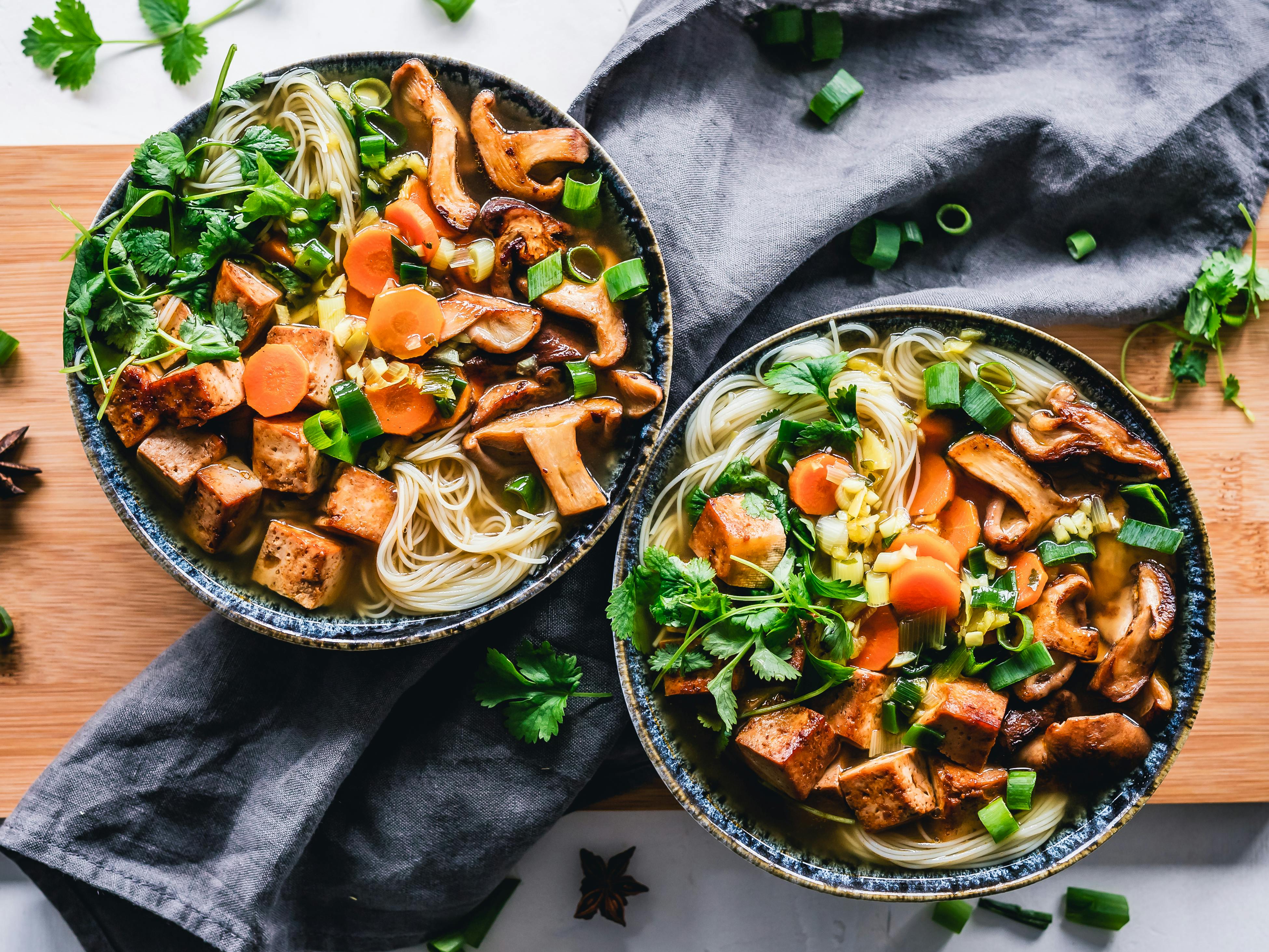
- A simple miso soup with tofu cubes and wakame (add miso at the end off the heat to preserve more microbes).
- A crisp side of cucumber salad with rice vinegar, sesame seeds, and a spoonful of sauerkraut brine.
- A kefir or yogurt parfait for dessert, layered with berries, chia seeds, and a sprinkle of oats or nuts.

Over time, these microbiome‑friendly habits—more fermented foods, more fibers, and more plant diversity—can become a joyful, delicious rhythm in your kitchen rather than a rigid “diet.” Start with one meal like this bowl, notice how it makes you feel, and build from there at your own pace.
