
Gut Health 2.0: Flavor-Packed Fermented Recipes to Nourish Your Microbiome
Gut Health 2.0 in Your Kitchen
Gut health has grown up. We’re no longer just swallowing probiotic pills and hoping for the best—now it’s all about colorful fermented foods, fiber-rich veggies, and everyday meals that truly feed your microbiome. This page brings the Gut Health 2.0 trend to life with a cozy, home-cook-friendly recipe: a probiotic kimchi & fiber bowl that’s packed with fermented goodness, prebiotic fibers, and satisfying textures.
Imagine a warm bowl of nutty brown rice, topped with garlicky sautéed greens, creamy yogurt, crunchy seeds, and a bright, spicy tangle of kimchi. It’s tangy, savory, a little bit funky—in the best way—and designed to support digestion and overall well-being while still feeling like comfort food.

This recipe is inspired by the latest gut health science and trends: fermented superfoods like kimchi and yogurt, prebiotic fibers from onions, garlic, and whole grains, and a plant-diverse, minimally processed approach. Think of it as a delicious, weeknight-friendly way to tap into the gut–brain conversation everyone’s talking about—without turning dinner into a science experiment.
Recipe Snapshot: Probiotic Kimchi & Fiber Power Bowl
Prep Time: 20 minutes
Cook Time: 25–30 minutes
Total Time: ~45–50 minutes
Servings: 2 generous bowls
Difficulty: Easy–Moderate
Best for: Gut health, high-fiber, plant-forward meals
This bowl is naturally vegetarian and can be made vegan and gluten-free with simple swaps described below. It’s a flexible template, so feel free to mix and match fermented foods and veggies based on what you love and what’s in season.
Why This Recipe Fits the Gut Health 2.0 Trend
The modern gut health conversation is about patterns, not magic bullets. This recipe weaves together the key elements of Gut Health 2.0:
- Fermented superfoods: Kimchi (or sauerkraut) and yogurt/kefir bring live cultures and tangy complexity.
- Prebiotic fiber focus: Brown rice, onions, garlic, leafy greens, and beans provide fuel for friendly microbes.
- Plant diversity: With grains, legumes, vegetables, herbs, and seeds, this bowl is an easy way to rack up your “30 plants per week.”
- Low ultra-processed load: It leans on whole, minimally processed ingredients instead of packaged sauces and snacks.
A high-fiber, plant-rich pattern and regular fermented food intake are two of the most consistently supported dietary strategies for nurturing a diverse, resilient gut microbiome.
Of course, not every gut is the same. If you have IBS, SIBO, or are following a low-FODMAP plan under professional guidance, you’ll find tailored tweaks in the notes to help you adapt this bowl gently for your digestion.
Equipment You’ll Need
- Medium saucepan with lid (for rice or grain of choice)
- Large non-stick or cast-iron skillet / sauté pan
- Cutting board and sharp knife
- Colander (if rinsing canned beans)
- Measuring cups and spoons
- Mixing bowl (for sauce or dressing)
- Serving bowls for assembling the gut health bowls

Ingredients: Probiotic Kimchi & Fiber Power Bowl
Measurements below make 2 hearty servings. Double the recipe for meal prep or family dinners.
Base (Whole Grain & Beans)
- 1 cup (200 g) uncooked brown rice or quinoa (about 2.5–3 cups cooked)
- 1 cup (160 g) cooked beans (chickpeas, black beans, or lentils), rinsed and drained if canned
- 1 ¾ cups (420 ml) water or low-sodium vegetable broth
- ¼ tsp fine sea salt (optional)
Gut-Loving Veggie Topping
- 1 Tbsp extra-virgin olive oil or avocado oil
- 1 small onion, thinly sliced (red or yellow)
- 2–3 cloves garlic, finely sliced or minced
- 2 cups (loosely packed) leafy greens (kale, Swiss chard, spinach, or a mix), chopped
- 1 small carrot, cut into matchsticks or thin rounds
- ½ small zucchini or bell pepper, sliced (optional, for more plant diversity)
- 1–2 tsp tamari or low-sodium soy sauce (use tamari for gluten-free)
- Freshly ground black pepper, to taste
Fermented & Creamy Elements
- ½–1 cup (about 75–150 g) good-quality kimchi (or raw sauerkraut for a milder option)
- ½ cup (120 g) plain yogurt or unsweetened kefir (dairy or dairy-free)
- 1–2 tsp miso paste (optional, for umami and extra fermented depth)
Crunchy, Prebiotic-Rich Toppings
- 2 Tbsp pumpkin seeds (pepitas) or sunflower seeds, lightly toasted if desired
- 1 Tbsp sesame seeds (white or black)
- 1 small spring onion (green onion), thinly sliced
- Fresh herbs such as cilantro, parsley, or chives, roughly chopped
- ½ small avocado, sliced (optional, for creaminess and healthy fats)
Quick Gut-Friendly Sauce (Optional but Delicious)
- 1 Tbsp extra-virgin olive oil
- 1 Tbsp rice vinegar or apple cider vinegar
- 1 tsp toasted sesame oil
- 1–2 tsp honey or maple syrup (omit or reduce for lower sugar)
- 1 tsp grated fresh ginger (optional, soothing for digestion)
- Pinch of chili flakes or gochugaru (Korean chili flakes), to taste

Step-by-Step Cooking Instructions
These instructions are written to be approachable for newer cooks while still satisfying seasoned food lovers. Take your time, taste as you go, and adjust flavors to your preference.
1. Cook the Whole Grain Base
- Rinse the grain: Place the brown rice or quinoa in a fine-mesh sieve and rinse under cool running water for 15–20 seconds. This can help remove excess starch and any dust.
- Simmer: In a medium saucepan, combine the rinsed grain with the water or broth and salt (if using). Bring to a gentle boil over medium-high heat, then reduce the heat to low, cover with a lid, and simmer:
- Brown rice: 25–30 minutes
- Quinoa: 12–15 minutes
- Rest and fluff: Once the liquid is absorbed and the grains are tender, turn off the heat and let sit, covered, for 5–10 minutes. Then fluff with a fork for a light, non-clumpy texture.
2. Sauté the Prebiotic Veggies
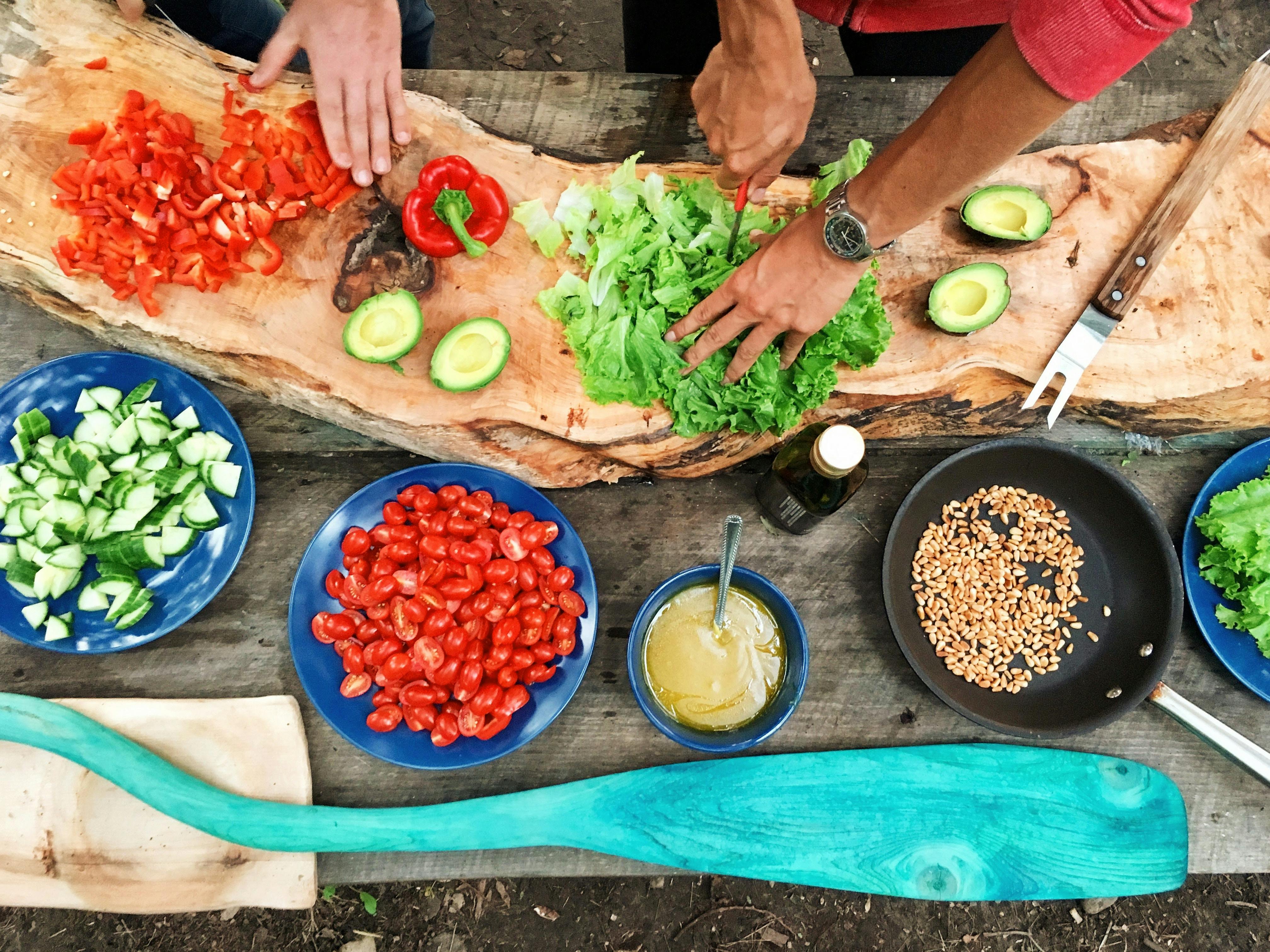
- Warm the pan: While the grains cook, heat the olive oil in a large skillet over medium heat.
- Cook onion and garlic: Add the sliced onion and a pinch of salt. Cook, stirring occasionally, until softened and lightly golden at the edges, about 5–7 minutes. Add garlic and cook for another 30–60 seconds until fragrant but not browned.
- Add vegetables: Stir in the carrot and zucchini or bell pepper (if using). Sauté for 3–4 minutes until just tender with a bit of bite.
- Add greens: Pile the chopped leafy greens into the pan. They’ll look like a lot but will quickly wilt. Toss gently until they soften and turn vibrant green, 2–3 minutes.
- Season: Drizzle in the tamari or soy sauce and a grind of black pepper. Taste and adjust with a little more tamari or pepper if needed. Turn off the heat; keep warm.

3. Prepare Fermented & Creamy Components
- Kimchi: Remove the kimchi from its jar with a clean fork or tongs. If pieces are very large, roughly chop into bite-sized strips so they’re easier to mix into the bowl.
- Yogurt-miso swirl (optional): In a small bowl, whisk together the yogurt and miso paste until smooth. This creates a deeply savory, probiotic-rich dollop to contrast with the spicy kimchi.
4. Mix the Quick Gut-Friendly Sauce
- In a small bowl or jar, whisk together olive oil, rice vinegar or apple cider vinegar, sesame oil, honey or maple syrup, grated ginger, and chili flakes.
- Taste and balance: add more vinegar for brightness, honey/maple for sweetness, or chili for heat. Set aside.
5. Assemble the Gut Health Bowls
- Base: Divide the warm cooked grain between two wide bowls.
- Beans: Spoon the beans over the grains, arranging them in a neat cluster or half-moon shape.
- Veggies: Add a generous scoop of the warm sautéed vegetables to each bowl.
- Fermented flourish: Nestle a mound of kimchi or sauerkraut beside the veggies. Add a dollop of yogurt-miso swirl or plain yogurt on the other side.
- Crunch & color: Sprinkle with pumpkin seeds, sesame seeds, sliced spring onion, and herbs. Add avocado slices if using.
- Finish with sauce: Drizzle the gut-friendly sauce over the top. Serve immediately, allowing everyone to stir and combine bites as they like.

Substitutions & Dietary Adaptations
One of the joys of Gut Health 2.0 cooking is flexibility. Use this bowl as a canvas and tailor it to your preferences, needs, and what your body tolerates best.
Vegan / Dairy-Free
- Swap cow’s milk yogurt or kefir for coconut, soy, or almond yogurt with live cultures.
- Skip the miso-yogurt swirl or mix miso with a splash of warm water and olive oil instead.
Gluten-Free
- Use quinoa, brown rice, buckwheat, or millet as your base.
- Replace soy sauce with tamari or coconut aminos.
- Confirm your kimchi and miso are certified gluten-free (some brands use wheat-based ingredients).
Low-FODMAP or Gentler on IBS
- Use the green tops of spring onions instead of a whole onion.
- Limit or omit garlic; use garlic-infused oil instead of fresh garlic for flavor.
- Choose a low-FODMAP grain such as white rice and keep bean portions small or use canned lentils (well rinsed).
- Start with a small portion of kimchi or choose a lower-FODMAP fermented option, and increase gradually if tolerated.
Spice Level & Flavor Variations
- For less heat, use mild kimchi or sauerkraut and skip chili flakes.
- For extra heat, add a drizzle of gochujang (fermented chili paste), sambal, or your favorite hot sauce.
- Swap herbs seasonally: basil in summer, parsley in winter, cilantro anytime you crave brightness.
Storage, Meal Prep & Reheating
This gut health bowl is perfect for relaxed weekend cooking and easy weekday lunches. A little planning gives you nourishing, microbiome-friendly meals on repeat.
Refrigeration
- Cooked grains & beans: Store together or separately in airtight containers in the fridge for up to 4 days.
- Sautéed veggies: Keep in a container for up to 3–4 days.
- Yogurt and kimchi: Store in their original containers, tightly sealed, in the fridge. Always use a clean spoon or fork to avoid contamination.
- Sauce: Keeps well in a small jar in the fridge for up to 5 days. Shake before using.
Reheating Guidelines
- Reheat grains, beans, and veggies gently in a skillet over low-medium heat with a splash of water or broth, or in the microwave, just until warm.
- Add kimchi/sauerkraut and yogurt after reheating, so you don’t overheat the fermented foods. High heat can reduce the live cultures and dull the fresh tang.
Freezing
- Cooked grains and beans freeze well for up to 2–3 months in airtight containers or freezer bags.
- Kimchi, yogurt, and fresh veggies are best enjoyed from the fridge, not the freezer, to preserve texture and probiotics.
Serving Ideas & Complementary Dishes
This probiotic kimchi & fiber bowl can stand proudly on its own, but it also plays nicely with other gut-friendly dishes for a full, satisfying meal.
Make It a Complete Gut Health Menu
- Starter: A simple green salad with mixed leaves, grated carrot, cucumber, and a lemon-olive oil dressing to add even more plant diversity.
- Side: A small cup of miso soup with seaweed and tofu for additional fermented flavor and soothing warmth.
- Drink: A glass of water infused with lemon and fresh ginger, or a modest serving of kombucha if you enjoy it and tolerate it well.
- Dessert: Sliced slightly green banana with a spoonful of plain yogurt and a sprinkle of nuts or seeds for a gentle prebiotic–probiotic combo.
Seasonal Twists
- Spring: Add asparagus tips and peas for extra prebiotic power.
- Summer: Fold in cherry tomatoes, fresh corn, and basil.
- Autumn: Roast cubes of sweet potato or pumpkin and tuck them into the bowl.
- Winter: Use shredded cabbage and carrots, plus warming spices like turmeric and cumin.
A Gentle Note on Science & Listening to Your Body
Research continues to link high-fiber, plant-rich, and fermented-food patterns with better digestion, lower inflammation, and even changes in mood and immunity. But bodies are wonderfully individual, and there’s no single “perfect” gut health recipe.
Use this bowl—and others like it—as an experiment in curious observation. Notice how you feel after eating it, whether your energy, digestion, or mood shifts, and what portion sizes suit you best. If you have ongoing symptoms or a diagnosed condition, partnering with a registered dietitian or healthcare provider can help you tailor Gut Health 2.0 ideas safely to your own needs.
Above all, let flavor lead. When gut-friendly cooking tastes this good—savory, tangy, crunchy, and satisfying—it becomes a joyful lifestyle, not a rigid wellness project.
Recipe Structured Data (SEO)
The following structured data helps search engines understand and showcase this gut health recipe:
