
Flu Surges Across America: How to Protect Your Family During the Worst Season in Decades
Healthy Living Insights
If it feels like “everyone” around you is sick right now, you’re not imagining it. Across the United States, flu cases are surging, and doctor visits for flu-like illness have reached their highest level since 1997, according to recent CDC data. As of late December, the CDC estimates there have already been at least 11 million flu cases and around 5,000 flu-related deaths this season.
That’s a sobering reality—especially if you’re caring for kids, older parents, or you live with chronic health conditions yourself. The goal of this guide is not to scare you, but to give you clear, practical, and evidence-based steps you can take right now to lower your risk and navigate this intense flu season with more confidence.

What’s Happening With Flu in the U.S. Right Now?
According to ongoing surveillance data from the Centers for Disease Control and Prevention (CDC), this flu season has:
- Started early in many regions, with a rapid rise in cases in late fall.
- Reached doctor-visit levels not seen since 1997 for flu-like illness.
- Caused at least 11 million infections and thousands of deaths by late December, based on modeling estimates.
- Put significant strain on urgent care centers, emergency departments, and pediatric practices.
“This is one of the most active flu seasons we’ve monitored in decades. The combination of flu, COVID-19, and other respiratory viruses is putting real pressure on our healthcare system.”
— Summary from recent CDC flu activity brief
Several factors are likely contributing: variable flu vaccination rates, waning population immunity, ongoing circulation of COVID-19, and indoor crowding during colder months. The takeaway is clear: this is not a typical low-key flu year, and taking preventive steps is more important than ever.
How Serious Is This Flu Season for You Personally?
Not everyone has the same level of risk. For some, flu means a miserable week at home. For others, it can mean hospitalization—or worse. According to the CDC, people at higher risk of complications include:
- Adults 65 and older
- Children under 5 (especially under 2)
- Pregnant people and those who recently gave birth
- People with chronic conditions (asthma, COPD, heart disease, diabetes, kidney disease, obesity, weakened immune systems)
- Residents of nursing homes or long-term care facilities
Even if you’re young and generally healthy, you can still experience severe flu—and you can pass it to someone more vulnerable without realizing it. That’s why public health guidance focuses not only on individual protection but also on community-level actions.
Why Are Flu Cases Spiking So Sharply This Year?
Flu surges are complex, but several patterns are emerging from recent seasons and current CDC and academic reports:
- Immunity gaps after pandemic precautions
Years of masking, distancing, and reduced travel during the height of COVID-19 meant many people had less exposure to flu viruses. That helped in the short term, but it also meant:- Young children missed early-life exposures that help train the immune system.
- Some adults went several years without flu infection or vaccination.
- Variable vaccination coverage
CDC reports show that flu vaccination uptake fluctuates year to year. When fewer people are vaccinated:- The virus spreads more quickly.
- Hospitals see more severe cases, especially among older adults.
- Co-circulation of multiple respiratory viruses
In many areas, flu is surging alongside COVID-19 and RSV. This can:- Overwhelm clinics and ERs.
- Make it harder to get quick appointments or testing.
- Lead to co-infections that are tougher on vulnerable patients.
- Seasonal behavior changes
Cold weather pushes people indoors into crowded, less ventilated spaces—schools, offices, buses, gatherings—which is ideal for flu spread.
Recognizing Flu Symptoms Early: What to Watch For
Early recognition matters. Prompt testing and—in some cases—antiviral treatment can shorten the course of illness and reduce the risk of complications, especially in high-risk groups.
The CDC notes that flu often comes on more suddenly than many common colds. Typical symptoms include:
- Fever or feeling feverish/chills
- Cough and sore throat
- Runny or stuffy nose
- Muscle or body aches
- Headaches
- Fatigue (tiredness, sometimes severe)
- Some people, especially children, may have vomiting and diarrhea
The Most Effective Ways to Protect Yourself During This Flu Surge
No single step is perfect, but combining several strategies—what public health experts call a “layered approach”—can substantially reduce your risk of catching and spreading flu.
1. Get (or Update) Your Flu Shot
Seasonal flu vaccines are updated most years to match the viruses scientists expect to circulate. Even in years when the match isn’t perfect, vaccines:
- Lower your risk of getting sick with flu.
- Reduce the severity and duration if you do get sick.
- Cut your chances of hospitalization and death, especially if you’re older or have chronic conditions.
CDC guidance emphasizes that it’s almost never “too late” in the season to benefit from a flu shot, as long as flu viruses are still circulating in your community.
2. Improve Your Indoor Air and Ventilation
Flu spreads mainly through respiratory droplets and, under some conditions, smaller airborne particles. To reduce risk:
- Open windows briefly several times a day when possible.
- Use portable HEPA air cleaners in frequently used rooms.
- Check that HVAC filters are high-quality and changed regularly.
3. Mask Strategically in High-Risk Settings
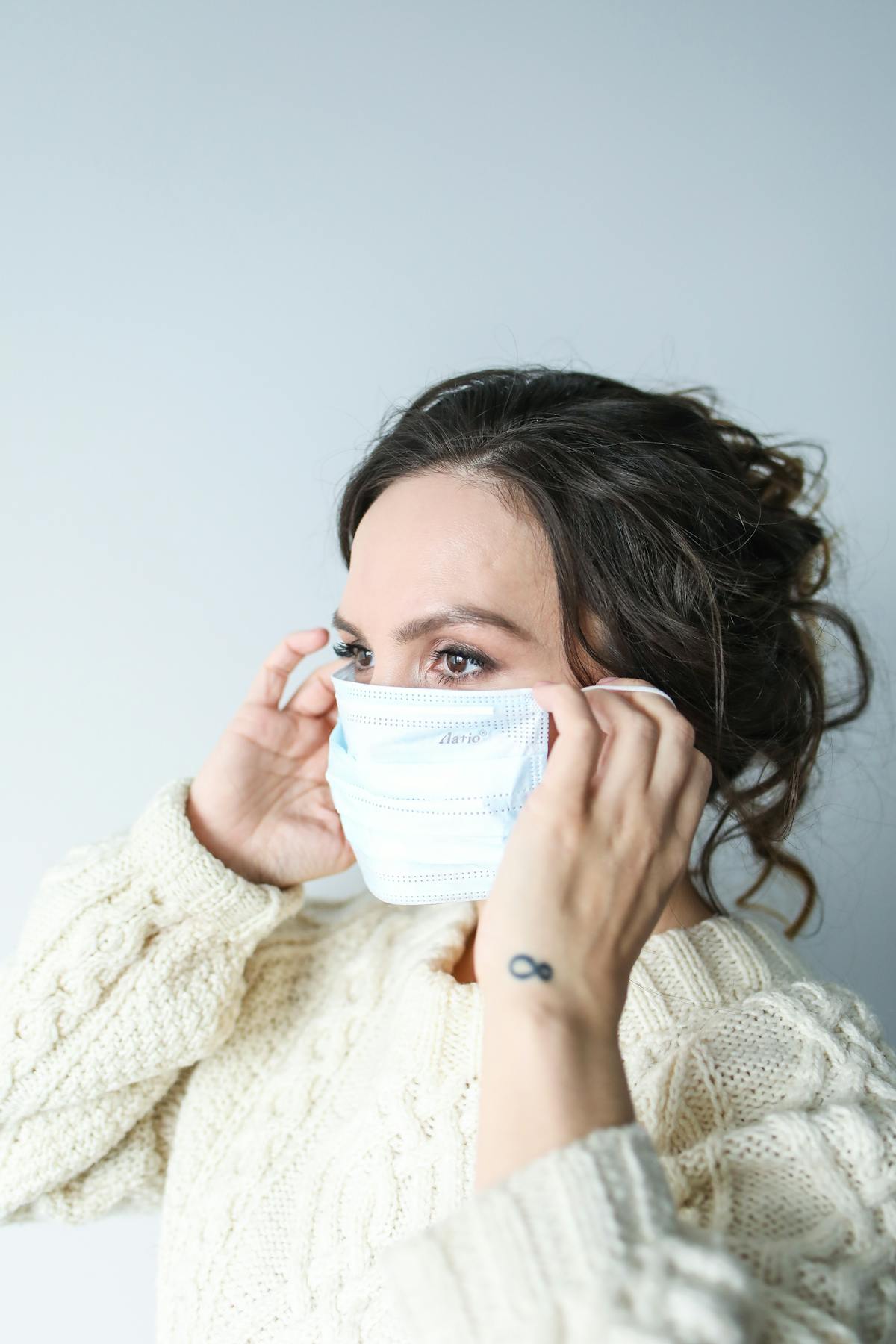
While mandates are rare now, choosing to wear a high-quality mask (such as a well-fitting KF94, N95, or similar) in:
- Crowded indoor public spaces
- Healthcare settings and pharmacies
- Public transportation
can reduce your risk of inhaling flu viruses and help protect vulnerable people around you.
4. Practice Hand and Surface Hygiene (The Smart Way)
Flu spreads primarily through the air, but contaminated hands and surfaces still play a role. Evidence-based hygiene looks like:
- Washing hands with soap and water for 20 seconds, especially after public spaces, blowing your nose, or caring for someone sick.
- Using alcohol-based hand sanitizer (at least 60% alcohol) when soap and water aren’t available.
- Cleaning high-touch surfaces regularly in shared spaces.

5. Stay Home When Sick—And Keep Sick Kids Home
This can be one of the hardest steps in practice, especially for parents and hourly workers. Yet staying home when you have fever and flu-like symptoms is one of the most powerful ways to slow spread.
If your workplace or school doesn’t have clear guidance, consider talking to HR or administration about policies that support staying home when ill. Evidence from past seasons shows that presenteeism—showing up sick—drives outbreaks.
A Real-World Example: One Family’s Flu Season Strategy
Consider a composite case based on several families clinicians have described this season:
A family of four—two working parents, a preschooler, and a 9-year-old—lived through a rough flu season last year: both kids got sick back-to-back, one parent ended up in the ER for dehydration, and the grandparents caught flu after helping with childcare.
This year, they decided to change their approach:
- All family members, including the grandparents, got flu shots in early fall.
- They invested in two portable HEPA filters for their small home.
- The parents asked their employers about sick-leave flexibility in advance.
- They agreed to mask on public transit during peak flu weeks and at the pediatrician’s office.
Mid-season, their preschooler tested positive for flu. The difference this time:
- They recognized symptoms quickly and called their pediatrician the same day.
- The child started antiviral medication within 48 hours.
- They isolated as much as feasible at home, improved ventilation, and increased masking indoors.
The preschooler still had several rough days—but no one else in the household developed severe illness, and the grandparents remained well. While this is just one example and outcomes vary, it illustrates how layered, realistic steps can make a meaningful difference without being perfect.
If You Get Sick: Evidence-Based Steps for Safer Recovery
Even with the best prevention, many people will still catch flu this season. What you do in the first 24–48 hours can strongly influence how things unfold, especially if you’re in a high-risk group.
1. Call Your Clinician Early—Don’t Wait to “See What Happens”
Antiviral medications like oseltamivir (Tamiflu) and others can:
- Shorten the duration of illness by about 1–2 days on average.
- Reduce the risk of complications, hospitalization, and death in high-risk individuals.
These benefits are strongest when treatment is started within the first 48 hours of symptoms, so early contact with a provider (in person or via telehealth) matters.
2. Know the Red-Flag Symptoms
Seek emergency care or urgent evaluation if you or someone you care for has:
- Difficulty breathing or shortness of breath
- Pain or pressure in the chest or abdomen
- New confusion, difficulty waking up, or not interacting normally
- Severe or persistent vomiting
- Signs of dehydration (very little urine, dizziness, dry mouth, no tears when crying)
- Bluish lips or face in children
3. Supportive Care That Actually Helps
Simple, supportive steps have a real impact:
- Hydrate with water, electrolyte solutions, broths, or herbal teas.
- Rest more than usual; your immune system is working hard.
- Use fever reducers and pain relievers as recommended by your clinician.
- Use a humidifier or steamy bathrooms for congestion (keeping devices clean to avoid mold).
Common Obstacles—and How to Work Around Them
Many people want to follow public health advice but run into practical barriers. Here are some common challenges and realistic strategies:
“I can’t afford to miss work.”
- Ask your employer about remote options when mildly ill but able to work.
- Know your local and company policies on paid sick leave.
- If you’re in a high-risk job (healthcare, childcare, service industry), clarify protocols for flu-like illness before you get sick.
“I’m worried about vaccine side effects.”
Flu vaccines have one of the longest safety track records in modern medicine. Typical side effects—soreness at the injection site, mild fatigue, or low-grade fever—are usually short-lived. If you have specific medical concerns, talk with your clinician rather than skipping the shot entirely.
“My home is small; isolation is hard.”
- Designate one “sick room” as much as possible.
- Improve ventilation (open windows briefly, use a fan in a window if feasible).
- Use masks indoors when close contact is unavoidable, especially around high-risk household members.
What the Science Says About Flu Prevention and Outcomes
Multiple large studies and CDC analyses over the past decade have consistently shown that:
- Flu vaccination reduces the risk of medically attended flu illness and hospitalizations, particularly in children and older adults.
- Antiviral treatment started early is associated with lower risks of intensive care admission and death in hospitalized patients.
- Layered measures—vaccination plus ventilation, masking in high-risk settings, and staying home when sick—are more effective than any single step alone.
For more detail, see:
- CDC: Influenza (Flu)
- CDC: Vaccine Effectiveness – How Well Does the Flu Vaccine Work?
- World Health Organization: Seasonal Influenza
Your 7-Step Action Plan for Navigating This Flu Surge
To keep this practical, here’s a simple checklist you can work through over the next week:
- Confirm whether you and your household are up to date on flu shots.
- Identify anyone in your life who is high-risk and consider extra precautions around them.
- Improve ventilation and air filtration at home and, if possible, at work.
- Stock a small “flu kit”: thermometer, fever reducers, tissues, hydration drinks, masks, and rapid COVID tests.
- Clarify sick-day policies at work or school so you know your options.
- Decide in advance where you’re comfortable masking during peak weeks (e.g., healthcare settings, public transit, large indoor events).
- Save your clinic’s after-hours or telehealth number for quick access if symptoms start suddenly.
Moving Forward: Staying Informed and Taking Compassionate Action
This flu season is undeniably tough. Doctor visits are at a level not seen since the late 1990s, millions have already been infected, and many families are feeling the strain. Yet there is real reason for cautious optimism: we understand this virus better than ever, we have effective vaccines and treatments, and small, consistent daily choices can meaningfully reduce risk.
If you take nothing else from this article, let it be this: you’re not powerless. By layering vaccination, smart indoor air strategies, early recognition of symptoms, and staying home when ill, you’re protecting not only yourself but also the people who would be hardest hit by flu.
Your next step today:
- Schedule a flu shot if you haven’t had one yet this season.
- Walk through your home and identify one simple ventilation or air-quality improvement you can make.
- Share accurate, calm information—like the resources linked above—with a friend or family member who’s worried.
Flu surges will come and go, but the skills you build now—staying informed, planning ahead, and caring for your community—will serve you well for many seasons to come.
