
Backyard Bird Flu Case in Franklin County: What North Carolina Flock Owners Need to Know Now
When news breaks that a local “backyard flock” has tested positive for bird flu, it can feel frightening—especially if you keep chickens, ducks, or other birds yourself. The recent confirmation of Highly Pathogenic Avian Influenza (HPAI) in a Franklin County backyard flock, reported by the North Carolina Department of Agriculture & Consumer Services, has many North Carolina flock owners asking: “Are my birds safe—and what should I do right now?”
This page walks you through what this bird flu case really means, how HPAI spreads, what to watch for in your birds, and step‑by‑step actions you can take today to lower the risk to your flock and your family—grounded in current science and official guidance, not fear.
What Happened in Franklin County—and Why It Matters
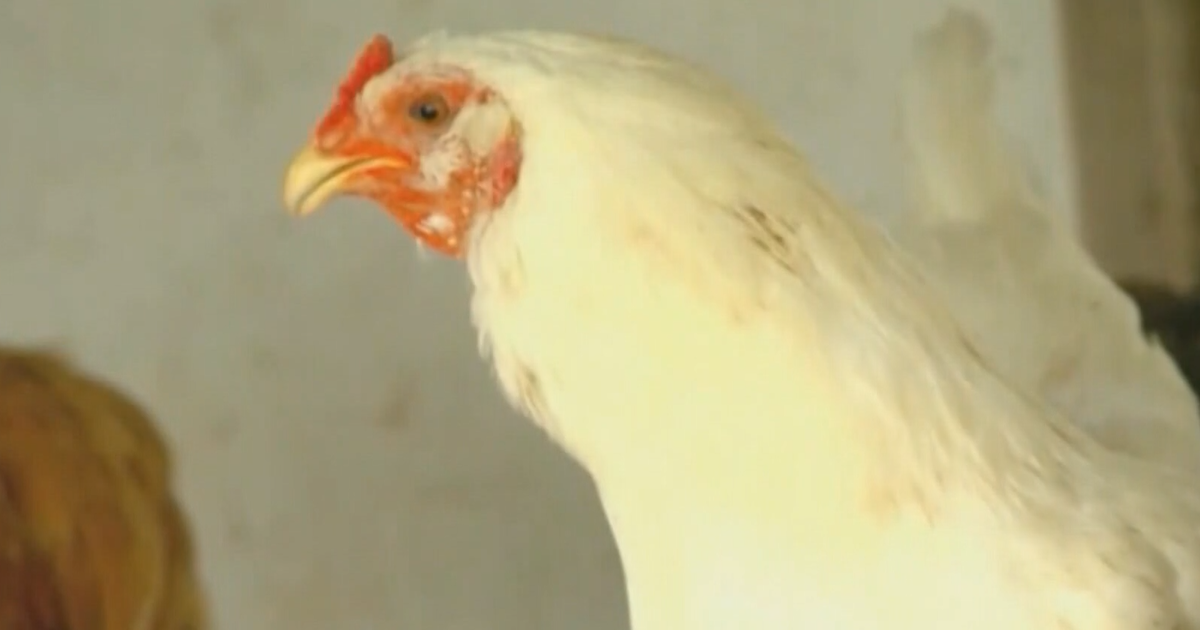
According to the North Carolina Department of Agriculture & Consumer Services (NCDA&CS), a backyard flock in Franklin County has tested positive for Highly Pathogenic Avian Influenza (HPAI). “Backyard flock” typically means non‑commercial birds kept at a home or small property—often mixed species like chickens, ducks, turkeys, or geese.
When HPAI is detected in any flock, state and federal animal health officials respond quickly to:
- Isolate and depopulate (humanely euthanize) the affected flock to stop the virus at its source.
- Establish control areas around the infected site to limit movement of birds and equipment.
- Increase testing and monitoring of nearby flocks, both commercial and backyard.
“Detection of HPAI in a backyard flock is a serious but manageable event. With strong biosecurity and rapid reporting, we can protect North Carolina’s poultry industry and backyard bird owners alike.”
— Veterinarian specializing in poultry health, summarizing current state and USDA guidance
Bird Flu 101: What Is Highly Pathogenic Avian Influenza (HPAI)?
Highly Pathogenic Avian Influenza is a contagious viral disease that primarily affects birds. The current strains of concern in the U.S. are often carried by wild waterfowl (like ducks and geese) who may show few or no symptoms but can shed the virus in their saliva and droppings.
In domestic poultry, HPAI can be devastating. Based on CDC and USDA data, it can cause:
- Sudden, unexplained deaths in otherwise healthy birds.
- Sharp drops in egg production.
- Swelling of the head, comb, or legs.
- Neurological signs like tremors or incoordination.
Human infections from the strains currently circulating in U.S. bird populations remain rare and are typically linked to very close, unprotected contact with infected birds or their secretions. Public health agencies like the CDC stress that the risk to the general public is low, but poultry owners and workers should take extra precautions.
How Does Bird Flu Spread to Backyard Flocks?
Understanding transmission is the key to protecting your birds. HPAI can spread to a backyard flock through:
- Direct contact with infected wild birds
Especially ducks, geese, and other waterfowl that visit ponds, creeks, or open runs. - Indirect contact with contaminated material
Virus can survive in:- Bird droppings on the ground, coop, or run.
- Water sources, feed, or bedding.
- Equipment, clothing, shoes, or vehicle tires.
- Bird movement between flocks
Bringing in new birds (even from a neighbor) without quarantine is a common way disease moves between backyards.
In states that have seen repeated HPAI activity, investigators often link backyard infections to shared equipment, visits from friends with birds, or flocks that mingle with wild birds at open ponds or free‑range areas.
What the Franklin County Case Means for Local Flock Owners
A confirmed HPAI case in a Franklin County backyard flock means that the virus is present locally in either domestic or wild birds. For you as an owner, that translates to:
- Higher short‑term risk of exposure, especially if you are within a control or surveillance zone once defined by officials.
- Possible movement restrictions on birds, eggs, or equipment in defined areas while officials work to contain the outbreak.
- Increased surveillance and testing opportunities if you report sick or dying birds.
From a health perspective, the priority is safeguarding:
- Your birds (to prevent suffering and losses).
- Other nearby flocks and North Carolina’s broader poultry industry.
- Your own health and that of anyone who handles your birds.
“When we see a backyard detection, our message is not panic—it’s partnership. If owners follow basic biosecurity and report sick birds promptly, we can usually keep the impact contained.”
— State poultry health official, paraphrasing typical outbreak communication
Step‑by‑Step: How to Protect Your Backyard Flock Right Now
You can’t control what happens in wild birds—but you have a lot of control over your coop, your yard, and your daily habits. The following steps align with USDA and state‑level biosecurity recommendations.
1. Tighten Biosecurity at the Coop
- Limit visitors: Do not allow casual visitors into your coop or run, especially if they keep birds.
- Use “coop‑only” shoes and clothes: Keep a pair of boots or shoes that stay by the coop and do not enter your home or car.
- Clean tools regularly: Scrub shovels, feeders, and waterers; then disinfect with an appropriate disinfectant following label instructions.
2. Separate Your Birds from Wild Waterfowl
- Keep poultry away from ponds, creeks, and standing water visited by wild ducks or geese.
- Cover outdoor runs with netting or roofing if possible to reduce droppings from overhead birds.
- Feed and water birds indoors or under cover to avoid attracting wild birds.
3. Quarantine New or Returning Birds
Any new bird—even from a trusted neighbor—should be kept in a separate area for at least 30 days, watched closely for signs of illness, and handled last in your daily routine.
4. Watch Closely for Symptoms and Report Quickly
Call your veterinarian or the state animal health office if you notice:
- Sudden increase in deaths in your flock.
- Drop in feed or water intake, or egg production.
- Swelling, purple discoloration of combs or wattles, or respiratory signs.
Human Health: Is My Family at Risk from This Bird Flu Case?
Public health agencies, including the CDC, currently assess the risk to the general public from HPAI in U.S. birds as low. Most people will never have the type of close, unprotected contact with infected birds that has led to rare human cases in other settings.
That said, if you own or work with poultry, it’s wise to take basic precautions:
- Wear gloves and, if available, eye protection and a well‑fitting mask when handling sick or dead birds.
- Wash hands thoroughly with soap and water after contact with birds, eggs, or their environment.
- Do not eat, drink, or smoke while handling birds or cleaning coops.
- Cook poultry and eggs to safe internal temperatures; properly cooked poultry products remain safe to eat according to USDA guidance.
A Backyard Flock Owner’s Story: From Fear to a Plan
A few seasons ago, a small flock owner in another state—let’s call her Maria—found out that a nearby backyard flock had tested positive for HPAI. She had 10 hens and 2 ducks that were basically family. Her first reaction was panic: “Am I going to lose all of them?”
With guidance from her state agriculture department and a local poultry vet, Maria took some calm, concrete steps:
- She stopped all visitors from going into her coop and run.
- She moved the ducks away from a small decorative pond that attracted wild geese.
- She set up a simple “biosecurity station” by the coop with a pair of boots, a brush for mud, and a basic disinfectant.
- She started jotting down any health changes in her birds in a small notebook.
In the end, Maria’s flock stayed healthy through that local outbreak. While every situation is different and nothing can reduce risk to zero, her experience shows that practical, everyday changes can make a real difference without turning your home into a laboratory.
Common Obstacles—and How to Overcome Them
It’s one thing to read a list of recommendations; it’s another to fit them into real life. Here are some common challenges backyard owners in situations like Franklin County describe, and some realistic work‑arounds.
“My birds free‑range. I can’t easily separate them from wild birds.”
- Consider a temporary covered run during periods of high risk.
- Prioritize keeping them away from open water sources where ducks and geese gather.
- Feed closer to the coop and at set times, then pick up any leftovers.
“I don’t have money for fancy disinfectants.”
- Plain soap, water, and elbow grease remove a lot of virus and organic matter.
- Some household disinfectants can be appropriate if used according to label directions for animal areas; check product labels and local guidance.
“I’m afraid to report sick birds because I don’t want to lose my flock.”
This is an understandable fear. At the same time, delayed reporting can mean:
- More suffering for your birds if a serious disease is circulating.
- Higher chance the virus spreads to neighbors’ flocks.
- Missed access to support programs that may be available when disease is officially diagnosed.
Staying Calm, Staying Prepared: Your Next Steps
A confirmed HPAI case in a Franklin County backyard flock is serious news, especially for North Carolina poultry owners—but it doesn’t mean you’re powerless. By tightening biosecurity, limiting contact with wild birds, watching your flock closely, and reporting concerns promptly, you can meaningfully lower the risk to your birds and help protect your wider community.
You don’t need to implement a perfect system overnight. Start with one step today—maybe setting up coop‑only shoes, or moving feed under cover—and build from there. Consistency matters far more than complexity.
If you live in or near Franklin County and keep poultry:
- Check the NCDA&CS website for any updated guidance, maps, or control zones.
- Talk with your veterinarian about any flock health changes.
- Share accurate, evidence‑based information with neighbors who keep birds.
With level‑headed action and good information, it is possible to care deeply about your birds, respond responsibly to this Franklin County bird flu case, and continue to enjoy the many benefits of keeping a backyard flock.
