
New At-Home Cervical Cancer Screening: How Self-Swab HPV Tests Are Changing the Pap Smear Conversation
Many people dread Pap smears, and new federal guidelines now allow self-swab HPV tests as another option for cervical cancer screening. Let’s walk through what this means, how the self-swab works, whether it’s right for you, and how to stay protected without dreading every appointment.
By Health Editorial Team ·
Why So Many People Dread Pap Smears
If you’ve ever put off a Pap smear because of discomfort, embarrassment, past trauma, or just a packed schedule, you’re far from alone. For many, the idea of getting undressed, positioning in stirrups, and having a speculum exam is enough to delay screening for years.
The problem is that avoiding cervical cancer screening doesn’t just raise anxiety—it raises risk. Most cervical cancers are preventable with regular screening and follow‑up care. That’s why the new federal guidelines expanding the use of self-swab HPV testing are such a meaningful shift.
“We know that Pap smears can be a significant barrier. Self-collected HPV testing gives many people a more acceptable, accessible way to stay protected from cervical cancer.”
— Gynecologic oncologist quoted in recent coverage of the new federal guidelines
In late 2025 and early 2026, U.S. federal agencies, including the Health Resources and Services Administration (HRSA), updated cervical cancer screening recommendations to explicitly allow FDA‑approved self-collected HPV tests in certain clinical settings as an alternative to clinician-collected samples. NBC News and other outlets have highlighted this as a major change for anyone who dreads the traditional Pap.
What Is a Self-Swab HPV Test?
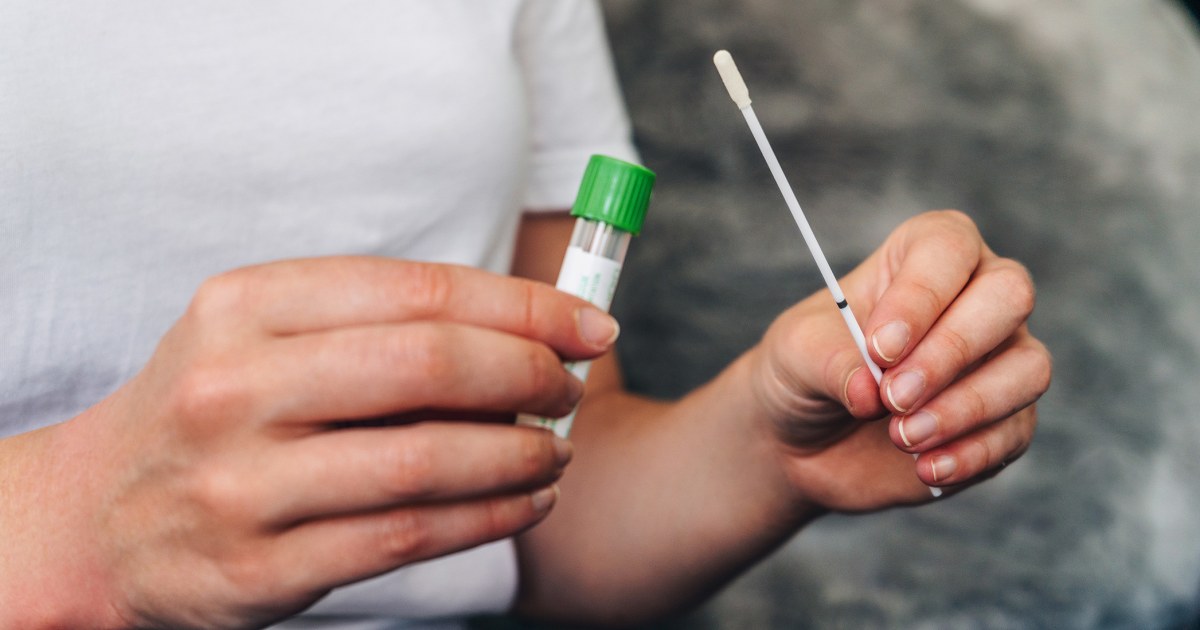
A self-swab HPV test is a screening option where you collect a sample from your vagina yourself—usually with a long, soft swab—rather than having a clinician collect it with a speculum exam.
The lab then checks your sample for high‑risk types of human papillomavirus (HPV), the virus responsible for nearly all cervical cancers. If high‑risk HPV is found, your health care team may recommend follow‑up testing, such as a Pap smear or colposcopy.

What’s changing in the federal guidelines?
According to the new recommendations referenced by NBC News, U.S. guidelines now:
- Formally recognize self-collected vaginal HPV samples as an acceptable method for cervical cancer screening when using FDA‑approved tests.
- Allow self-collection in clinical settings (such as clinics or doctors’ offices), with more research underway on at‑home models.
- Aim to broaden access for people who avoid or cannot easily get speculum‑based exams.
The exact details—such as starting age, testing intervals, and whether Pap smears are still recommended—can differ slightly among expert groups like the U.S. Preventive Services Task Force (USPSTF), American College of Obstetricians and Gynecologists (ACOG), and other bodies, but all agree on one central message: regular screening matters more than the specific method, as long as it’s evidence‑based.
Self-Swab HPV Test vs. Pap Smear: How Do They Compare?
Both tests are designed to reduce your risk of cervical cancer, but they do it in different ways.
Pap smear (Pap test)
- What it checks: Looks at cells from your cervix under a microscope to find abnormal or precancerous changes.
- How it’s done: Clinician uses a speculum to see your cervix and collects cells with a small brush or spatula.
- Pros: Long track record; can directly identify abnormal cells.
- Cons: Many people find it uncomfortable, painful, or triggering; requires a pelvic exam.
Self-collected HPV test
- What it checks: Identifies high‑risk HPV types that can cause cervical cancer.
- How it’s done: You insert a swab into your vagina, rotate, and place it in a tube; no speculum is used.
- Pros: More private; often more comfortable; can increase screening rates for those who avoid Pap smears.
- Cons: If positive, you usually still need a clinician exam or Pap; not every clinic or insurer offers it yet.
What does the research say?
A number of large studies, including data reviewed by the USPSTF and international trials, have found that:
- HPV testing (including self-collected samples) is at least as sensitive—and often more sensitive—than Pap smears for detecting high‑grade cervical changes.
- When collection instructions are followed, self-collected vaginal samples perform similarly to clinician-collected samples for detecting high‑risk HPV in many settings.
- Offering self-collection can increase screening rates among people who are underscreened or have avoided care for years.
For scientific overviews, see resources from the U.S. Preventive Services Task Force and the National Cancer Institute.
Who Can Use a Self-Swab HPV Test Under the New Guidelines?
Eligibility can vary by age, health history, and the specific recommendations your clinician follows. As of early 2026, many expert panels generally agree on the following principles (always check for updates and local policies):
- Age range: Cervical cancer screening usually starts at age 21 with Pap testing and transitions to HPV‑based strategies around age 25–30. Self-swab HPV options are mainly discussed for adults in this range and older, typically up to age 65, depending on history.
- Symptom status: Self-swab HPV tests are for routine screening, not for people with symptoms like bleeding after sex, heavy or unusual bleeding, or pelvic pain. Symptoms often require a full pelvic exam.
- Past screening history: If you’ve been consistently screened with normal results, self-collected HPV screening may fit into your regular schedule. If you’ve been underscreened or never screened, self-swabbing can be a powerful way to get started—but follow‑up is crucial.
- Pregnancy and immune status: Pregnant people or those with weakened immune systems (such as from HIV, certain medications, or organ transplants) may need more individualized screening plans. Your clinician can help decide if self-collection fits.
How a Self-Swab HPV Test Usually Works: Step by Step
Processes can differ by program or clinic, but here’s a typical flow when self-collection is offered in a clinical setting, based on the models highlighted in the new federal guidance.
1. Discuss your options
You’ll usually start with a brief visit—either in person or via telehealth—to review:
- Your age and screening history.
- Any symptoms you’re having.
- Whether self-swab HPV testing is available and appropriate for you.
2. Receive the kit and instructions
In a clinic-based model, you might:
- Be given a private space such as a restroom or exam room.
- Receive a sterile swab and collection tube or container.
- Get step‑by‑step visual and written instructions (ideally in your preferred language and reading level).
3. Collect your sample
General instructions often look like this (your kit may vary, so always follow the specific directions you’re given):
- Wash or sanitize your hands thoroughly.
- Open the package carefully, making sure not to touch the soft tip of the swab.
- In a comfortable position (standing with one leg up, squatting, or sitting on a toilet), gently insert the swab into your vagina as directed.
- Rotate the swab the recommended number of times so it can collect enough cells.
- Withdraw the swab without touching your skin if possible, place it in the tube, and snap or break it at the marked point if required.
- Cap the tube firmly, label it if necessary, and place it in the collection bag or tray.
4. Results and next steps
After the lab runs your sample:
- If the result is negative for high‑risk HPV: You typically can wait the recommended interval (often about 5 years for primary HPV screening, depending on age and guidelines) before your next test, provided there are no new risk factors.
- If the result is positive for high‑risk HPV: Your clinician will discuss additional testing. This might include a Pap smear, repeat HPV testing in a year, or a closer look at the cervix with a procedure called colposcopy.
Common Fears & Obstacles—and How Self-Testing Can Help
From years of listening to patients, clinicians, and community programs, a few barriers to cervical screening come up over and over. Here’s how self-swab HPV testing might address them—plus where it may not be enough on its own.
1. Discomfort, pain, or past trauma
For some, pelvic exams can trigger anxiety, pain, or trauma memories. The idea of a speculum exam may feel unbearable.
Self-swab removes the speculum from the equation, giving you more control over the process. You decide your position, pace, and level of insertion. For many, this makes screening feel not only more tolerable but empowering.
2. Shame or embarrassment
Concerns about body appearance, odor, or being judged by staff can make people delay care, sometimes for years.
With self-collection, interactions with staff can be briefer and more focused on instructions rather than the exam itself. That said, part of building safer care is also finding clinics that actively work to create non-judgmental, inclusive environments.
3. Time, childcare, and transportation
Even getting to a clinic can be a major hurdle. Some pilot programs—and international examples—have successfully mailed self-collection kits or offered them through community health workers, though U.S. insurance and regulatory frameworks are still catching up.
As the new federal guidelines normalize self-collection, we’re likely to see more flexible delivery models, especially aimed at people who are overdue for screening.
4. “What if the result is bad?”
Fear of getting scary news is powerful. It’s very human to think, “If I don’t test, I don’t have to deal with it.”
The reality: when cervical cancer is found early, it’s usually highly treatable. Screening is about catching problems long before they become life‑threatening. Many abnormal results do not turn into cancer and are managed with close follow‑up.
“I avoided Pap smears for almost a decade after a bad experience in my early 20s. When my clinic offered self-swab HPV testing, I finally said yes. The result was normal—and more importantly, I felt like I’d taken back control of my health.”
— Patient story shared with a community health program
How to Decide: Self-Swab HPV Test, Pap Smear, or Both?
There’s no one-size-fits-all answer, but a structured approach can help you and your clinician make a good decision together.
Step 1: Know your starting point
- When was your last cervical cancer screening (Pap, HPV, or co‑test)?
- Have you ever had abnormal results or procedures on your cervix?
- Do you have conditions that may change screening needs (HIV, organ transplant, long‑term immunosuppressants, DES exposure)?
Step 2: Clarify your priorities
Ask yourself:
- Is avoiding a speculum exam my top priority right now?
- Would I rather screen in a way that feels manageable—even if it means extra steps later—than skip screening altogether?
- Am I comfortable coming back for follow‑up if the HPV test is positive?
Step 3: Talk with your clinician
A simple script might be:
“I’ve avoided Pap smears because they’re really uncomfortable for me. I heard that new federal guidelines allow self-swab HPV tests. Is that something your clinic offers, and would it be appropriate for my situation?”

Step 4: Make a realistic, next-best plan
For some people, the best next step is the one you’re actually willing to take:
- If you know you’ll keep avoiding Pap smears, ask specifically about self-collection options.
- If self-swab isn’t available, consider asking about:
- Smaller speculums or numbing gel.
- Trauma‑informed exam practices (explained step by step, ability to pause anytime).
- Having a support person in the room.
- If cost is a barrier, inquire about public programs or low‑cost clinics that cover cervical screening. Many regions have them.
Safety, Accuracy & Common Myths About Self-Testing
As self-swab HPV tests become more visible in the news, a few understandable worries tend to pop up.
“What if I do the test wrong?”
Research shows that most people can follow instructions well enough for reliable results. Programs that provide clear, simple instructions with diagrams see high rates of adequate samples.
If a lab can’t use your sample (for example, not enough cells), they’ll usually ask you to repeat the test. That’s frustrating, but it’s also a safety net.
“Is self-swabbing as accurate as a doctor doing it?”
For high‑risk HPV detection, multiple studies have found that self‑collected vaginal samples are comparable to clinician‑collected samples when validated tests are used. The main caveat is that self-swab tests must be properly regulated and quality‑controlled.
“Does a negative HPV test mean I can skip all screenings?”
No. A negative high‑risk HPV test is reassuring, but:
- You still need to follow the recommended interval before your next screening.
- Guidelines can change with age or medical history.
- New exposures or immune changes can affect your risk over time.
Before & After: How Self-Swab HPV Testing Can Change the Screening Experience
To put this shift in perspective, here’s a side‑by‑side look at a typical journey before and after self-swab HPV options become available.
| Before (Pap Smear Only) | After (Pap Smear + Self-HPV Options) |
|---|---|
| You’re overdue for screening but keep delaying because of a bad past experience. | You accept screening when your clinic offers a self-swab HPV test in a private restroom. |
| No screening is done for several more years, potentially missing early changes. | You get a clear result and a reminder system for when to re-test—or follow-up if positive. |
| Fear of the exam remains the main barrier to care. | You feel more in control and may eventually feel safer scheduling a full exam if needed. |
Practical Steps You Can Take This Week
If the headlines about self-swab HPV tests have caught your attention, here are concrete actions you can take—no overhaul required.
- Find out when you were last screened.
Check your patient portal, old clinic paperwork, or call your last provider. Write down:- Year of last Pap or HPV test.
- Result (if you know it).
- Check current recommendations for your age.
Use resources like: - Call your clinic or community health center.
Ask:- “Do you offer self-collected HPV testing for cervical cancer screening?”
- “Is it covered under my insurance or local program?”
- “If my result is positive, what follow‑up care will I receive?”
- Plan for emotional and practical support.
If anxiety or past trauma is a factor:- Schedule at a time of day when you tend to feel steadier.
- Ask a trusted friend to come with you or be on call.
- Let your clinician know in advance that you’d like a trauma‑informed approach.
- Celebrate follow‑through, not perfection.
Whether you choose a Pap, a self-swab, or a combination, the most important step is not letting fear push you off the map of care.
Moving Forward: Turning Dread into a Plan
The expansion of federal guidelines to include self-swab HPV testing is not about replacing Pap smears overnight. It’s about adding another safe, evidence‑based option so that fewer people fall through the cracks because the traditional exam feels overwhelming.
You deserve cervical cancer screening that:
- Respects your comfort and boundaries.
- Is grounded in up‑to‑date science.
- Fits your real life, not an idealized schedule.
If Pap smears have kept you away from care, consider this your invitation to try again—with more choices on the table. Your next step can be as small as making a phone call to ask whether your clinic offers self-swab HPV tests under the new guidelines.
Take one action this week—look up your last result, call a clinic, or add “cervical screening” to your to‑do list. You’re not starting from scratch; you’re picking up your health story at a new chapter, with more tools than ever to help you stay well.
