
Do Weight-Loss Drugs Make Us Happier—or Just Thinner?
You’ve probably seen the headlines: dramatic before-and-after photos from GLP‑1 weight-loss drugs, hair transplant transformations, and “age-reversal” procedures—often promising a new body and, implicitly, a new life. But as Arthur Brooks recently asked in his essay “Do GLP‑1s Make Us Happy?” for The Free Press, there’s a deeper question lurking beneath all the hype: if science can remove struggle from changing how we look, does that actually make us happier—or just more efficient at chasing the wrong goals?
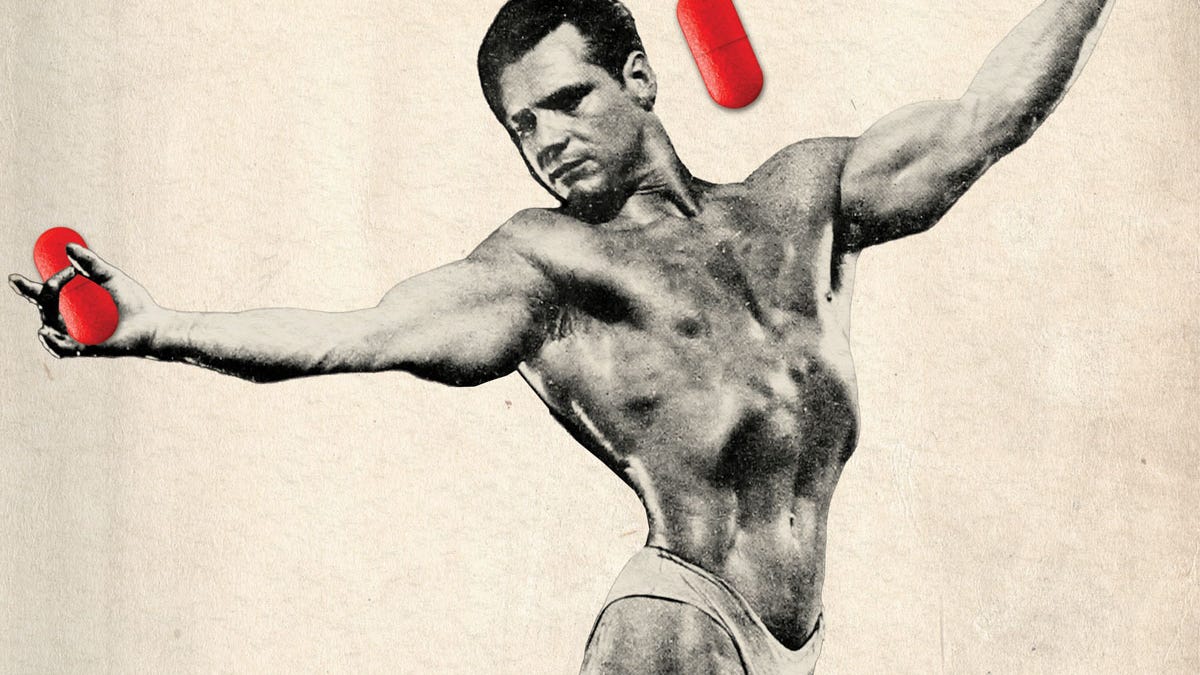
The Promise and Pressure of Quick-Fix Body Changes
GLP‑1 drugs like semaglutide (Ozempic, Wegovy) and tirzepatide (Mounjaro, Zepbound) have changed the landscape of weight management. For many people—especially those with obesity or type 2 diabetes—they can be genuinely life-changing, improving health markers and lowering disease risk when used under medical supervision.
At the same time, they’ve also intensified the cultural pressure to be thinner, younger, and more “optimized.” What used to take months or years of sustained effort can now shift in weeks, at least on the scale or in the mirror. That raises the question Arthur Brooks is grappling with: if the struggle is reduced, does our well-being go up as much as we think it will?
Many readers of Brooks’s work will recognize a theme he often returns to: humans don’t just want comfort and pleasure; we also crave meaning, growth, and a story of ourselves we can be proud of. When technology offers shortcuts to physical change, we have to ask how that fits into the deeper story.
Does Happiness Require Struggle? What Psychology Suggests
One of the central worries in Arthur Brooks’s column is that if we outsource too much effort to drugs or procedures, we may lose a key ingredient of lasting happiness. Psychological research largely supports the idea that:
- Effort toward meaningful goals is strongly linked with life satisfaction.
- Mastery and competence boost self-esteem and resilience.
- Overreliance on external fixes can undermine a sense of agency.
“Human beings are wired not just for comfort, but for meaningful challenge. When we remove all friction from our goals, we often remove the very ingredient that makes success feel satisfying.”
— Adapted from themes in Arthur Brooks’s happiness research
That doesn’t mean suffering is inherently good or that “harder is always better.” But it suggests that when transformation requires some intentional effort—like changing routines, facing fears, or building new habits—we’re more likely to feel proud, not just relieved.
What We Know So Far: GLP‑1s, Weight Loss, and Mental Health
Research up to 2024–2025 on GLP‑1 medications has focused mostly on physical outcomes—weight loss, blood sugar control, cardiovascular risk. Emerging evidence suggests that for many people, improved health and mobility can bring:
- Better quality of life (e.g., walking more easily, less pain).
- Reduced diabetes-related distress.
- More energy for daily activities and social life.
Some observational studies report improvements in depressive symptoms or anxiety after substantial weight loss, but the data are complex. Not everyone’s mood improves, and some people feel:
- New pressure to “keep the weight off.”
- Disappointment that life didn’t magically become perfect.
- Identity confusion—“Who am I if I’m not the person I used to be?”
Regulatory agencies have also monitored reports of potential psychiatric side effects (such as mood changes or suicidal thoughts), though so far, large trials haven’t conclusively shown a widespread, severe risk. Still, many experts recommend:
- Careful screening for mental health conditions before starting GLP‑1s.
- Ongoing monitoring of mood and behavior during treatment.
- Combining medical therapy with psychological and lifestyle support.
A Tale of Two Journeys: When Change Helps—and When It Feels Hollow

Consider two (composite) stories inspired by real-world experiences:
Case 1: “My world opened up.”
A 52-year-old woman with longstanding obesity and type 2 diabetes starts a GLP‑1 medication under her endocrinologist’s care. Over a year, she loses a significant amount of weight, her A1c normalizes, and she can walk without severe knee pain. With encouragement, she also:
- Joins a gentle strength-training class.
- Starts cooking more at home with her partner.
- Feels confident enough to travel again.
She describes the medication not as “a miracle,” but as “a set of training wheels that let me finally build the life I wanted.” The effort is still there—she just has more capacity to invest it.
Case 2: “I changed my body, but not my brain.”
A 39-year-old man, whose weight has fluctuated for years, uses GLP‑1s mainly because “everyone at work is on them.” He loses weight rapidly, receives a flood of compliments, but:
- Doesn’t address his long-standing anxiety and perfectionism.
- Remains stuck in exhausting work hours and poor sleep.
- Feels almost panicked about regaining weight.
Six months later, he admits, “I look better in photos, but I don’t really feel better. I’m just scared of going back.” The transformation removed one source of distress but didn’t build deeper well-being.
“Tools like GLP‑1s are neither happiness pills nor moral shortcuts. They’re instruments. Whether they enrich or impoverish your life story depends on the values, relationships, and habits you build around them.”
The Subtle Cost of Removing All Struggle
Arthur Brooks’s concern isn’t that weight-loss drugs or hair transplants are morally wrong. It’s that when we assume everything valuable in life can or should be made effortless, we risk:
- Confusing appearance with identity. You’re more than your body size or your hairline.
- Losing opportunities for growth. Difficult but meaningful effort can teach patience, discipline, and self-knowledge.
- Reinforcing perfectionism. If a quick fix exists for every flaw, we may become less tolerant of being human.
The paradox is that while humans naturally avoid pain, we often feel proudest of the things that required us to show up consistently, tolerate discomfort, and keep going when it was tempting to quit.
How to Use Modern Tools Without Losing Your Soul
If you’re considering GLP‑1s, cosmetic procedures, or any fast path to changing your appearance, you don’t have to choose between “purity” and “technology.” Instead, you can ask a different question: How do I integrate these tools into a life that is still rich in meaning, agency, and connection?

Here are some evidence-informed steps:
- Start with your “why,” not the mirror.
Ask:- What do I hope will be different in my daily life if my body changes?
- Which of those differences are realistically about health and functioning vs. pure social approval?
- Talk openly with a clinician—and if needed, a therapist.
A good clinician will:- Screen for medical appropriateness and risks.
- Discuss lifestyle changes alongside any prescription.
- Encourage mental health support if body image or mood issues are significant.
- Protect your sense of agency.
Even if a drug makes physical change easier, you can still:- Set behavior-based goals (e.g., walking, strength training, cooking at home).
- Practice skills like stress management, sleep hygiene, or mindful eating.
- See the drug as a support, not the hero of your story.
- Invest in relationships and meaning, not just metrics.
Research on happiness consistently finds that:- Strong social connections predict well-being more than weight or income alone.
- Purposeful activity (e.g., service, creativity, faith, family) is protective against depression.
- Expect an emotional “lag.”
Your body may change faster than your self-image. It’s normal if:- You still feel like “your old self” for months.
- You’re startled by photos or reflections.
Before and After: A Deeper Kind of Transformation

When people talk about their most cherished transformations, they rarely mention the number of pounds lost or hair follicles gained. Instead, they recall:
- Showing up for their kids in ways they once felt too tired or ashamed to do.
- Discovering a love for movement they never knew they had.
- Letting themselves be seen—socially, romantically, professionally—without constant self-criticism.
Modern tools can enable those deeper changes, especially when health conditions have made life smaller and more painful. But they can’t substitute for the inner work of:
- Clarifying what truly matters to you.
- Practicing courage and vulnerability.
- Building relationships that see and value the whole you.
So, Do GLP‑1s Make Us Happy?
In spirit with Arthur Brooks’s question, the most honest answer is: GLP‑1s and other appearance-changing technologies can remove certain obstacles to happiness—but they don’t create happiness on their own.
For some, these medications are powerful tools that reduce suffering, open up mobility, and buy time for healthier habits to take root. For others, they risk becoming another rung on the ladder of perfectionism—one more way to postpone the deeper work of accepting ourselves and building a meaningful life.
Happiness research, including Brooks’s own, points us back to a familiar trio:
- Faith or philosophy – a framework bigger than ourselves.
- Family and friendships – people we love and who love us back.
- Meaningful work and service – ways we contribute to the world.
GLP‑1s can’t supply those. But if they’re used thoughtfully, they can sometimes make it easier to pursue them—by easing pain, improving health, or freeing up energy.
Your next step doesn’t have to be drastic. It could be as simple as:
- Writing down what you actually hope will change in your life, not just your body.
- Bringing those hopes to a trusted clinician or therapist to discuss realistic options.
- Choosing one small, values-aligned habit to practice this week—whether or not medication is part of your path.
The tools of modern science are powerful. But the author of your life story is still you.
