
How a Secretive U.S.-Funded Infant Study in West Africa Was Exposed and Shut Down
A controversial infant medical study in West Africa, funded by the U.S. Department of Health and Human Services under the Trump administration, was halted after investigators and journalists raised alarm about serious ethical failures, echoing past research scandals and reigniting debate about how vulnerable communities are protected in global health research.
A Disturbing Echo of Past Research Abuses
When news breaks that a U.S.-funded medical experiment on babies in West Africa has been canceled only after public exposure, it understandably shakes people’s trust in science and global health. The situation has drawn comparisons to infamous cases like the Tuskegee syphilis study, raising hard questions about who is protecting the most vulnerable when powerful governments and agencies design research far from home.
This article unpacks what is publicly known about the halted study, why experts are calling it “grotesquely unethical,” and how ethical safeguards are supposed to work. We will also look at what this means for public trust in vaccines and medical research, and what ordinary readers can reasonably take away without succumbing to misinformation or fear.

What Was This West African Infant Study About?
Reporting by Futurism and other outlets describes a highly controversial study, funded through the U.S. Department of Health and Human Services (HHS), that involved infants in West Africa. While the full study protocol has not been made publicly available in detail, several features triggered ethical red flags among bioethicists and clinicians who reviewed available documents and whistleblower accounts.
- Population: Very young infants in West African countries, a group considered highly vulnerable in research ethics.
- Design: The study reportedly involved altering or delaying standard vaccine schedules, or testing vaccine-related interventions, in ways critics say offered no clear benefit to participating children while exposing them to additional risk.
- Funding and oversight: Money flowed from HHS during the Trump administration, when senior leadership included a prominent vaccine conspiracy theorist placed in a key role influencing global research funding.
The core concern was that African infants may have been used as test subjects in a way that would likely not have been approved for children in wealthier countries with stronger institutional review boards and more vocal media scrutiny.
Why Experts Are Calling the Study “Grotesquely Unethical”
Bioethicists have compared this case to “Tuskegee 2.0” not because it is identical, but because it appears to repeat a familiar pattern: powerful institutions experimenting on marginalized communities without robust safeguards or full respect for participants’ rights.
Key ethical principles for human research—captured in documents like the Belmont Report and the Declaration of Helsinki—appear to have been undermined in at least three ways:
- Questionable informed consent. In settings with language barriers, limited healthcare access, and deep power imbalances, “consent” can easily become a signature on a form rather than a truly informed, voluntary choice.
- Unfavorable risk–benefit balance. Reports suggest children were exposed to added risk or reduced protection from standard care without proportional, direct benefit. That is a bright red line in pediatric research ethics.
- Exploitation of vulnerability. Using poorer countries as sites for riskier or lower-standard research simply because oversight is weaker is widely condemned in modern bioethics.
“If a study wouldn’t pass an ethics board in Boston or Berlin, it has no business being run in Bamako or Banjul. Ethical standards are supposed to travel with the researchers, not stop at the airport.”
This kind of critique does not mean all vaccine or global health research is suspect. Instead, it highlights how fragile ethical norms can become when oversight is politicized or when leadership embraces fringe views over established science.
How Politics and Conspiracy Thinking Warped Research Priorities
One of the most alarming aspects of this case is who held power over research funding. According to reporting, a vocal vaccine conspiracy theorist was given significant influence inside HHS during the Trump administration. Handing that level of authority to someone fundamentally at odds with vaccine science created fertile ground for ideologically driven projects.
Historically, when politics overruns scientific norms, several predictable problems emerge:
- Evidence is cherry-picked, or misinterpreted to fit pre-existing narratives about vaccines or public health.
- Oversight is weakened, as like-minded appointees slot into review or leadership roles and become less likely to challenge questionable designs.
- High-risk projects target low-power populations, because they are seen as easier sites for controversial or poorly justified experiments.
This is not unique to any one administration, but the combination of politicized leadership and conspiracy thinking about vaccines is a particularly volatile mix—especially when it intersects with infants, a group who cannot consent and rely entirely on adults and institutions to protect them.
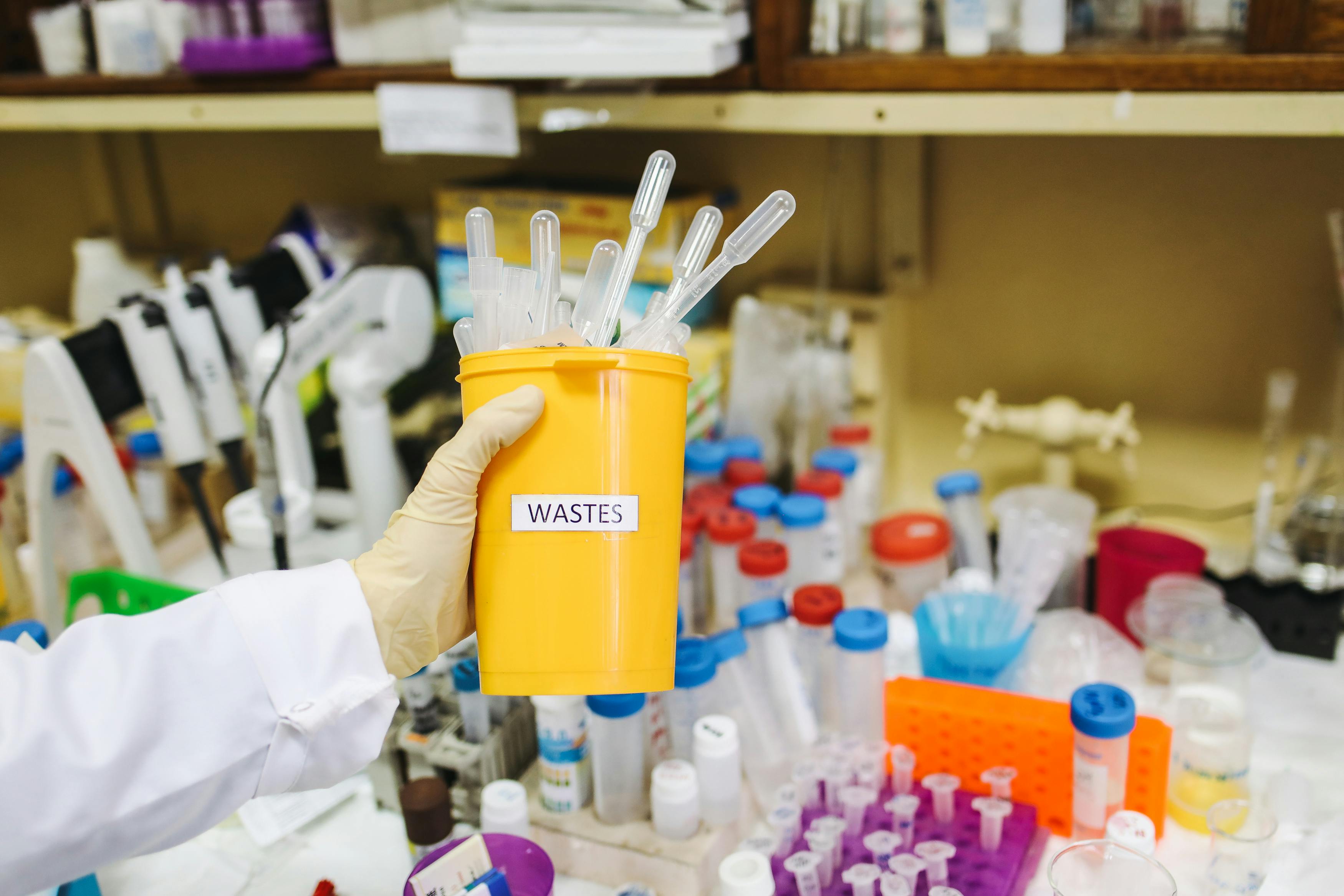
How the Study Was Exposed and Ultimately Canceled
The West African infant study did not stop because internal systems worked flawlessly. It stopped because people inside and outside the system raised the alarm and persisted until the story became impossible to ignore.
Based on what has been reported publicly, several steps appear to have contributed to its cancellation:
- Whistleblowers and concerned scientists flagged the study design as unethical to colleagues, ethicists, and, in some cases, journalists.
- Investigative reporting by outlets like Futurism obtained internal documents, funding details, and expert commentary, making the case legible to the broader public.
- Public pressure and scrutiny grew as comparisons were drawn to historic abuses, raising the political and reputational cost of continuing the research.
- Official action: Under mounting pressure, HHS halted the trial, though questions remain over how it was approved in the first place and whether accountability will follow.
What This Does—and Does Not—Mean for Vaccine Safety
Stories like this can understandably fuel fear: if one unethical, vaccine-related study slipped through, how many others are out there? It is important to hold two truths at once:
- Truth 1: This case is deeply troubling. It appears to represent a serious breach of research ethics, particularly harmful given the involvement of infants and the use of a lower-resource country as the study site.
- Truth 2: It is not proof that all vaccine science is corrupt. The overwhelming majority of vaccines in use today are supported by decades of rigorous, transparent research across many countries and independent teams.
In fact, many of the strongest critics of this West African study are long-time defenders of vaccination, precisely because they know that unethical research erodes public trust and gives fuel to misinformation, which ultimately harms children through preventable disease outbreaks.
“Bad research doesn’t make vaccines unsafe; it makes politics and oversight unsafe. Our job is to fix the system, not abandon proven tools like vaccination.”
How Ethical Research Is Supposed to Protect Participants
To understand how something could go so wrong, it helps to know what “right” looks like. In ethically run medical research—whether in the U.S. or West Africa—several layers of protection are expected:
- Independent ethical review. Institutional Review Boards (IRBs) or Ethics Committees must evaluate every study’s design, risk–benefit balance, and consent process before it begins.
- Informed consent tailored to the community. Explaining the study in local languages, allowing time for questions, and making clear that care will not be withheld if families say no.
- Equitable standards of care. Participants should not receive worse treatment than what’s locally standard. In vaccine studies, this often means at least standard immunization plus additional monitoring.
- Ongoing safety monitoring. Data Safety Monitoring Boards (DSMBs) track adverse events and can pause or stop a trial if unexpected harms emerge.
- Transparency and local involvement. Collaboration with local scientists, health ministries, and community leaders helps align research with local needs, not just foreign agendas.
Historical Parallels: Tuskegee and Beyond
The headline comparison to “Tuskegee 2.0” is more than rhetorical flair. The Tuskegee syphilis study (1932–1972) remains one of the clearest examples of systemic abuse in U.S. medical research: Black men with syphilis were deceived and denied effective treatment so researchers could observe the disease’s progression.
While details differ, several patterns echo in the West African infant study:
- Marginalized populations targeted as “convenient” research subjects
- Failure to fully inform participants—or their guardians—of risks
- Research goals prioritized over participants’ health and dignity
- Long-term erosion of trust in public health institutions
These echoes are precisely why many public health leaders insist that confronting and correcting unethical research is not optional. It is critical for rebuilding and maintaining trust, especially in communities who have every reason to be skeptical.

Practical Takeaways: How to Stay Informed Without Losing Trust
If you’re feeling angry, worried, or disillusioned after reading about this case, that reaction is entirely understandable. Anger can be a healthy response to injustice—especially when children are involved. The challenge is channeling that energy into informed, constructive action rather than despair or blanket distrust.
Here are some grounded ways to respond:
- Differentiate between bad actors and the entire system. One unethical trial—especially tied to politicized leadership—does not invalidate the decades of careful work done by thousands of scientists, clinicians, and ethicists.
- Look for transparency signals. Reputable research is often:
- Registered in public trial databases (e.g., ClinicalTrials.gov)
- Reviewed by independent IRBs or ethics committees
- Published in peer-reviewed journals with clear methods and data
- Consult multiple, credible sources. Instead of relying on any single headline, cross-check stories with:
- Major health organizations (WHO, CDC, UNICEF)
- Academic medical centers and journals
- Independent investigative outlets with a track record of correction and transparency
- Support watchdog journalism and ethics advocacy. Subscribing to investigative outlets, supporting public-interest journalism, and backing organizations that push for stronger research ethics can make a tangible difference.
A Personal Reflection from the Front Lines of Global Health
A global health physician I once interviewed described working on vaccine rollout in a West African country shortly after a different scandal had shaken trust. Parents were understandably wary: rumors spread that foreign-funded programs were experimenting on their children. Attendance at routine immunization clinics plummeted almost overnight.
It took months of community meetings, religious leader engagement, and transparent discussions—sometimes under a tree, not in a clinic—to rebuilt trust. The doctor told me, “We spent more time explaining why we care about their kids than actually giving vaccines. But without that, nothing else mattered.”
Stories like the recently halted infant study do not just live in news feeds; they ripple outward into real communities, real decisions, and real health outcomes. That is why ethical lapses are not an abstract problem—they translate into delayed care, missed vaccines, and avoidable illness.
Moving Forward: Accountability, Reform, and Informed Vigilance
The cancellation of the West African infant study is only a first step. For the story to end well, several things still need to happen:
- Full transparency about how the study was approved, funded, and monitored
- Accountability for decision-makers who overrode or ignored ethical standards
- Stronger guardrails to prevent politicized or conspiratorial thinking from steering research agendas
- Meaningful engagement with affected communities to rebuild trust in healthcare services and vaccines
For readers, the most powerful stance is often a middle one: neither blind trust nor blanket cynicism, but informed vigilance. It means insisting on high ethical standards and real accountability while still recognizing the immense value of vaccines and evidence-based medicine in preventing suffering.
You do not have to choose between caring about ethics and caring about science. In reality, the two stand or fall together.
Call to action:
- Stay curious and keep asking hard questions about how research is done, especially in vulnerable communities.
- Seek out and support institutions that demonstrate transparency, humility, and a track record of correcting mistakes.
- When discussing stories like this with friends or online, resist sensationalism and focus on verifiable facts.
Ethical science is not guaranteed; it is built and defended, step by step, by people who refuse to look away. By staying informed and engaged, you are part of that work.

Article Information
Trump Administration Cancels Grotesquely Unethical Medical Study After Being Caught Red Handed An analysis of the halted U.S.-funded infant study in West Africa, the ethical failures that drew comparisons to Tuskegee, and what this means for global health research and public trust.
