
Did We Really Find Microplastics in Our Organs? New Evidence Says “Maybe Not”
For years, headlines have warned that microplastics are showing up in our blood, lungs, placenta, and even our brains. It’s a disturbing image—tiny shards of plastic quietly lodging themselves inside us, day after day.
But a new wave of scientific scrutiny suggests something uncomfortable: some of those “shocking” studies might have gotten it wrong because of serious contamination and methodological errors. That doesn’t mean microplastics are harmless or that the problem is solved. It does mean the story is more complicated—and, in some ways, more hopeful—than the scariest headlines suggest.
In this article, we’ll unpack what recent critiques are saying about microplastics research, what we actually know so far, and how you can make sensible, science‑based choices without panic.

The Microplastics Panic: What Was the Original Claim?
Over the past decade, dozens of studies have reported finding microplastics in:
- Human blood samples
- Lung tissue (including samples from surgery)
- Placenta and meconium (a baby’s first stool)
- Stool samples from adults and children
- Testes and semen in both humans and animals
Combined with evidence that microplastics are nearly everywhere on Earth—from mountain snow to deep‑sea sediments—it created a powerful narrative: there is no escape.
“The idea that there are plastics in our blood and organs is viscerally frightening. It taps into a deep fear that modern life is quietly poisoning us.”
— Environmental toxicologist, paraphrased from recent commentary
Yet, as a few skeptical researchers kept pointing out, reliably measuring microscopic plastic particles inside the human body is extremely hard. The newer critiques are finally putting those concerns front and center.
The New Critique: Did Contamination Skew the Results?
According to reporting from Futurism and recent scientific discussions, several teams of scientists now argue that a number of microplastics‑in‑humans studies may be compromised by basic errors in how samples were collected, stored, or analyzed.
The biggest issue? Contamination from the lab environment itself. Microplastics are in:
- Lab air (from fibers shed by clothing, carpets, and equipment)
- Plastic labware (tubes, pipette tips, containers)
- Cleaning materials, gloves, and even sample labels
If researchers don’t carefully control for this, it becomes extremely easy to “detect” microplastics that never came from the human tissue at all.
Some of the methodological problems being highlighted include:
- Lack of proper blanks and controls to measure background contamination.
- Inadequate filtration and cleaning of solutions used to process tissue.
- Limited chemical identification of particles, sometimes relying mostly on visual inspection.
- Small sample sizes, making it hard to generalize the findings.
When these weaknesses are present, even a tiny amount of stray plastic from a lab coat or air vent can look like proof that microplastics are lodged deep in your organs.
Before vs. After: How Re‑Checking the Methods Changes the Story
To understand the impact of these concerns, it helps to compare the narrative before and after this methodological scrutiny.
| Earlier Narrative | Emerging, More Cautious View |
|---|---|
| Microplastics are already present in many human organs and fluids. | Some reported detections may be inflated or incorrect due to contamination and weak methods. |
| Every detection is strong proof of internal exposure. | We need rigorous confirmation (controls, chemical ID, replication) before drawing firm conclusions. |
| The health risk is assumed to be very high, even if poorly defined. | Health risks remain plausible and concerning, but are not yet precisely quantified. |
Importantly, the revised view doesn’t say “there are no microplastics in humans.” It says, in effect, “We’re not as sure as the headlines made it sound.”
What We Still Know for Sure About Microplastics
Even with these critiques, several facts remain well‑supported by independent research:
- Microplastics are widespread in the environment. They’ve been documented in oceans, rivers, soils, and the atmosphere by multiple research groups using robust methods.
- Humans regularly ingest and inhale microplastics. Studies of food, drinking water, and indoor air consistently find plastic particles.
- Laboratory studies show potential for biological effects. In cells and animal models, certain plastics and associated chemicals can trigger inflammation, oxidative stress, and other changes at high enough doses.
- Microplastics can carry other pollutants. They may transport heavy metals, persistent organic pollutants, and microbes.
Where uncertainty remains is in the dose, distribution, and real‑world health impact in humans. Are tiny quantities of microplastics in the gut or lungs a serious threat, or a background exposure our bodies largely tolerate? We don’t yet have definitive answers.
“Absence of perfect evidence is not evidence of safety—but it’s also not a reason for panic. It’s a reason for better science.”
— Public health researcher, summarizing current consensus
What Does This Mean for Your Health Right Now?
Understandably, many people feel overwhelmed: you can’t exactly stop breathing or drinking water. The good news is that you don’t need to make extreme changes to support your health while the science catches up.
Think of microplastics as one piece of a larger environmental‑health puzzle. The strategies that likely help with microplastics exposure also help with air quality, chemical exposure, and general wellbeing.
Practical, Evidence‑Aligned Steps You Can Take
- Use a quality water filter if feasible.
Some filtration systems (e.g., certain reverse‑osmosis or high‑quality carbon block filters) can reduce particles and chemical contaminants. Check for independent certifications where possible. - Cut down on single‑use plastics.
Reusable glass or stainless‑steel bottles, food containers, and shopping bags reduce both your personal exposure and environmental release. - Limit heating food in plastic.
When possible, transfer leftovers to glass or ceramic before microwaving. Heat can increase the migration of chemicals and microscopic particles from plastic into food. - Improve indoor air quality.
Regular vacuuming with a HEPA filter, wet‑dusting surfaces, and good ventilation can reduce airborne fibers and dust (which can include microplastics). - Choose textiles thoughtfully.
Synthetic fabrics shed microfibers. When possible, balancing wardrobes with more natural fibers and using a wash bag or filter designed to catch microfibers can modestly reduce shedding.
Common Obstacles—and How to Navigate Them Without Guilt
Many readers share that they feel guilty or powerless when they learn about microplastics. If that’s you, you’re not alone.
“I can’t afford fancy filters or organic everything.”
That’s completely understandable. You don’t need perfection to make a difference. Consider:
- Prioritizing one or two changes (like a basic water filter pitcher and less plastic for hot foods).
- Focusing on general health basics—sleep, movement, balanced meals—which improve resilience to many stressors.
“The problem feels too big for my actions to matter.”
Individually, none of us can “fix” microplastics. But small changes add up, especially when they:
- Reduce your personal exposure modestly.
- Signal to companies and policymakers that people care about plastic pollution.
- Align with broader sustainability benefits (less waste, better air quality, etc.).
“You are not responsible for solving global plastic pollution on your own. Taking a few realistic, sustainable steps—and supporting better research and policy—is enough.”
How Scientists Are Improving Microplastics Research
The critiques highlighted in recent coverage are already prompting researchers to tighten their methods. Some of the improvements include:
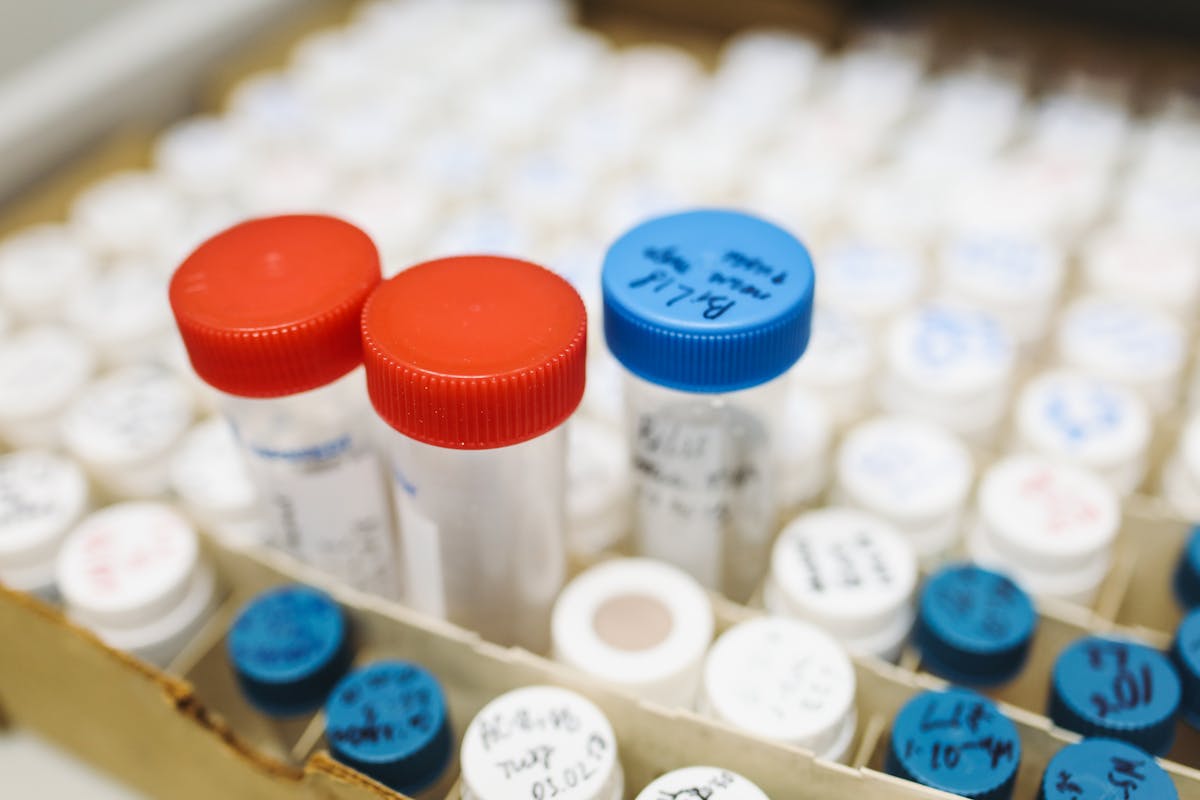
- Using non‑plastic labware where possible, or rigorously documenting any potential contamination sources.
- Running multiple blanks and controls to measure how much plastic is coming from the lab environment itself.
- Employing advanced spectroscopy (like Raman or FTIR) to chemically confirm that particles are truly plastic.
- Pre‑registering protocols and encouraging replication by independent teams.
Over the next few years, we can expect:
- More conservative estimates of microplastics inside the human body as methods improve.
- Clearer dose–response data linking levels of exposure to specific health outcomes (or lack thereof).
- Better differentiation between different plastic types and sizes, some of which may be more concerning than others.
A Real‑World Example: When a “Terrifying” Result Got Re‑Evaluated
Consider a composite example drawn from several recent papers and critiques:
A small study reports microplastics in human lung tissue removed during surgery. The results make headlines, and many people feel understandably alarmed.
Later, other scientists point out that:
- The lab used plastic tools and containers for some steps.
- The number of control samples was very small.
- Some particles were identified visually, not chemically confirmed.
A follow‑up study, using stricter methods and more controls, finds far fewer confirmed microplastics than the original report.
The updated picture is still concerning—plastic fragments probably can reach the lungs—but the scale of the problem, and therefore the likely risk, looks different once the data are corrected.
Key Takeaways: Staying Informed Without Burning Out
- Some high‑profile microplastics‑in‑humans studies may have overestimated levels due to lab contamination and weak controls.
- This does not mean microplastics are safe—only that we need better data to understand real‑world risks.
- Simple lifestyle changes (less single‑use plastic, better indoor air, mindful food storage) can reduce your exposure without drastic measures.
- Support for stronger environmental policies and better research is as important as individual action.
- It’s okay not to be perfect. Focus on a few realistic steps that fit your life and budget.
Moving Forward: From Fear to Informed Action
The emerging critique of microplastics research is a reminder that science is a process, not a set of fixed answers. Early, attention‑grabbing studies can be flawed; careful follow‑up work can correct the record.
You don’t need to choose between denial (“it’s all fine”) and despair (“we’re doomed”). There is a middle path:
- Stay curious and skeptical about alarming headlines.
- Adopt a few practical habits that reduce your plastic footprint and support your overall health.
- Use your voice—whether that’s at the ballot box, in your workplace, or on social media—to support policies that cut plastic pollution at its source.

If you take one step today, let it be this: pick a single, manageable change—switch one product, add one filter, or reduce one type of plastic—and start there. As the science evolves, you can always adjust. What matters most is staying engaged, informed, and compassionate with yourself along the way.
Call to action: Choose one small plastic‑reducing habit to implement this week, and share what you picked with a friend or community. Collective awareness is where real change begins.
