
Build-Your-Own High‑Protein Balanced Plates for Easy Weight Loss & Muscle Maintenance
High‑Protein “Balanced Plate” Dinners for Weight Loss & Muscle Maintenance
High‑protein, macro‑balanced meals are becoming a go‑to strategy for people who are tired of restrictive diets and want a sustainable way to lose fat, maintain muscle, and feel energized. Instead of banning bread or fearing pasta, this style of eating leans on a simple, visual “balanced plate” formula that works just as well for a busy office worker as it does for someone lifting weights five days a week.
In this recipe, we’ll build a complete high‑protein balanced dinner plate: juicy lemon‑garlic chicken, fluffy herbed quinoa, and a rainbow sheet pan of roasted vegetables, all finished with a drizzle of olive oil and a squeeze of fresh lemon. It’s the kind of meal that smells like a cozy Mediterranean kitchen—bright citrus, toasty garlic, and caramelized veggies—while quietly supporting your weight‑loss and muscle‑maintenance goals.
Why High‑Protein Balanced Plates Are Trending
The “balanced plate” approach—roughly ¼ plate lean protein, ¼ plate high‑fiber complex carbs, ½ plate non‑starchy vegetables, plus a small amount of healthy fats—has exploded on social media because it’s both simple and flexible. Instead of memorizing rules, you just look at your plate and build it like a colorful pie chart.
- Backlash against extreme diets: After keto, detoxes, and “no carbs after 6 p.m.” rules, people want a way to eat that fits family meals, social life, and real hunger cues.
- Muscle as a health marker: We now understand that preserving muscle supports metabolism, healthy aging, and strength—so 25–40 g of protein per meal is becoming a new norm.
- Better appetite control: Higher protein, fiber, and healthy fats help you stay full, tame cravings, and keep blood sugar more stable.
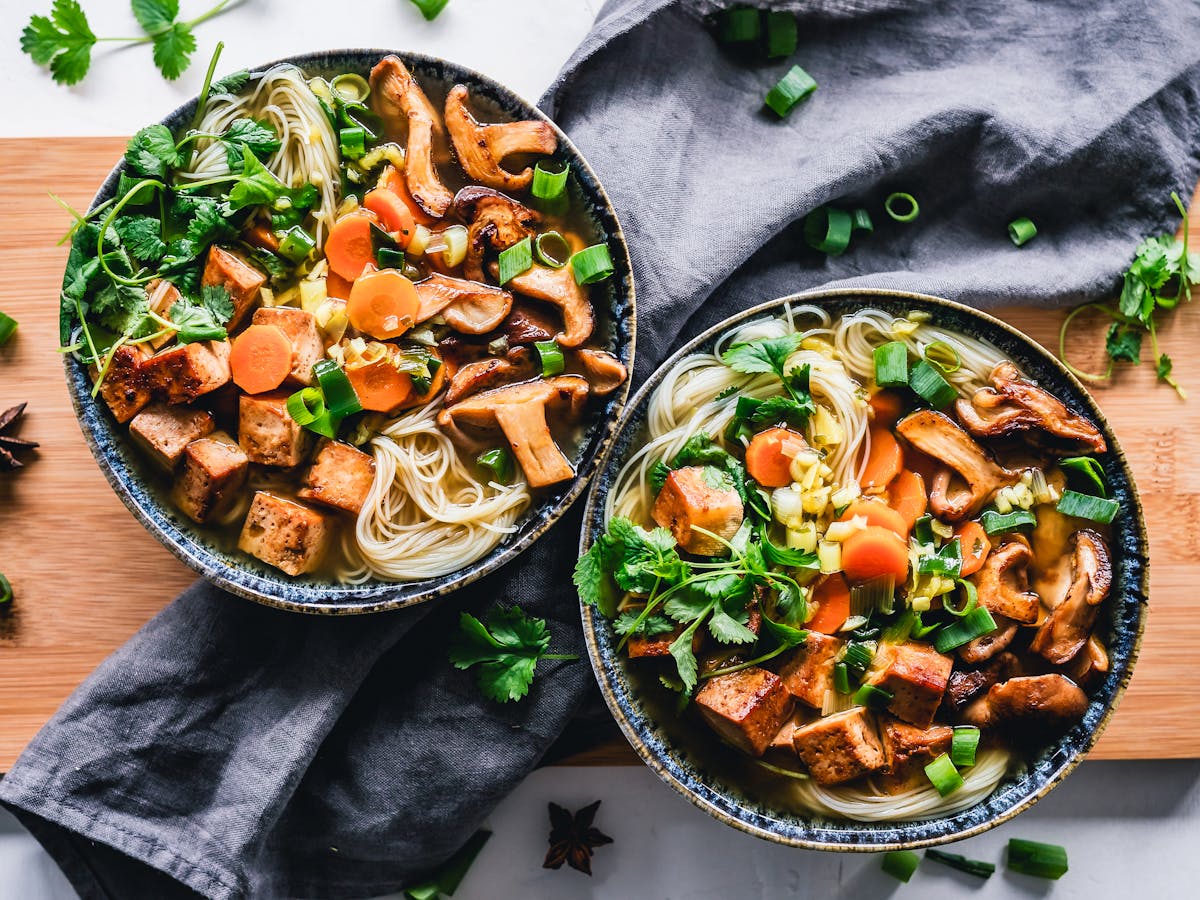
- Works for many diets: Swap chicken for tofu or lentils, quinoa for brown rice or potatoes, and you still keep the same balanced structure.
Think of the balanced plate as a template, not a rulebook. Tonight it might be chicken, quinoa, and veggies; tomorrow it could be tofu, brown rice, and stir‑fried greens—the proportions stay, the flavors change.
Recipe Overview: Lemon‑Garlic Chicken Balanced Plate
This high‑protein dinner brings together juicy marinated chicken breasts, fluffy herbed quinoa, and a tray of roasted vegetables. Every bite layers flavors and textures: tender chicken with a slight char, nutty quinoa that soaks up lemony pan juices, and sweet‑edged vegetables that roast until caramelized at the tips.
Approximate macros per serving*: 35–40 g protein, 40–45 g carbs, 12–15 g fat (about 430–470 kcal).
*Exact values vary based on brands and portion sizes.
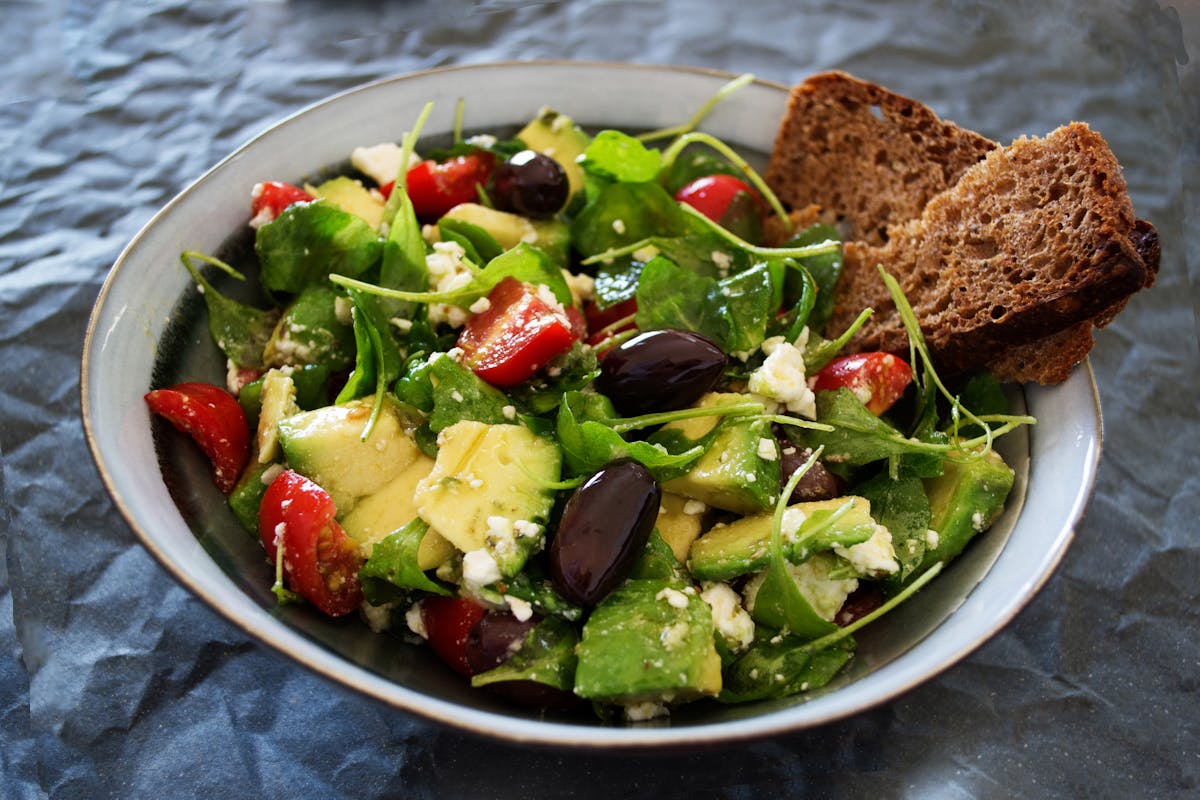
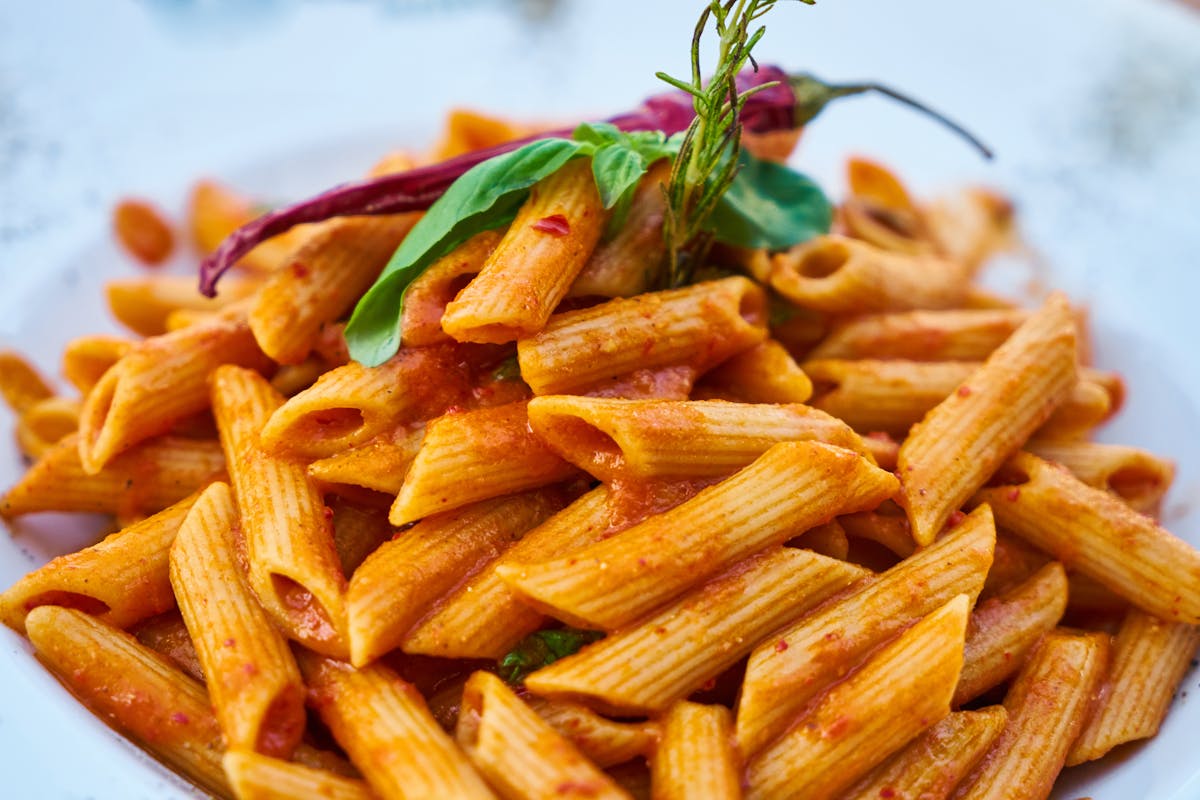
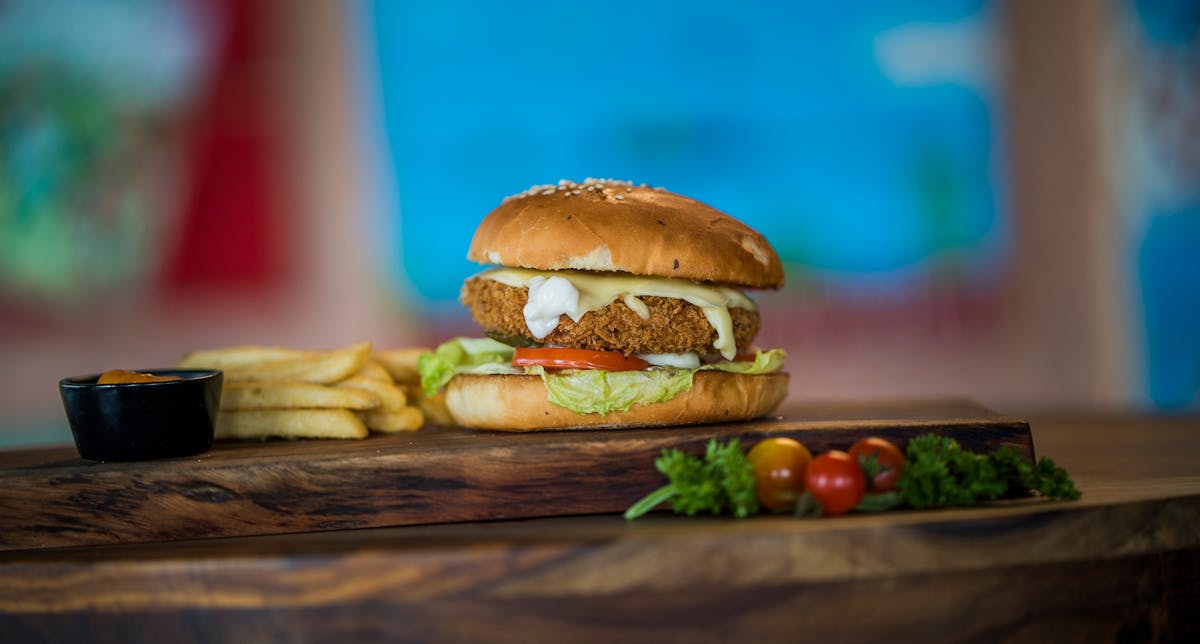
Visual Guide: High‑Protein Balanced Plate


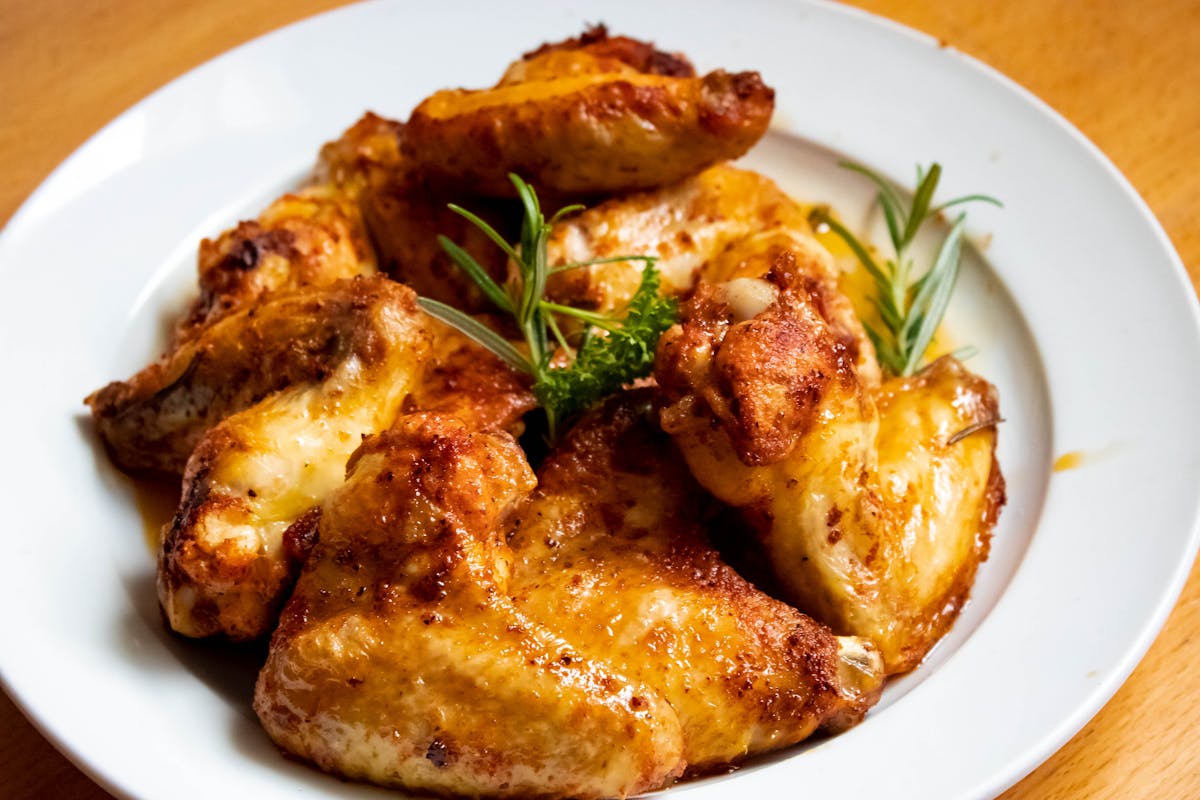
Ingredients for Lemon‑Garlic Chicken Balanced Plate
The quantities below create four generous, high‑protein, macro‑balanced servings. You can easily halve or double the recipe.
For the Lemon‑Garlic Chicken
- 4 small boneless, skinless chicken breasts (about 600 g / 1.3 lb total)
- 3 tbsp fresh lemon juice (about 1 large lemon)
- 1 tbsp lemon zest (from the same lemon, if possible)
- 3 cloves garlic, finely minced or grated
- 2 tbsp extra‑virgin olive oil
- 1 tsp dried oregano (or Italian seasoning)
- ½ tsp dried thyme (optional but lovely for aroma)
- ½–¾ tsp fine sea salt, to taste
- ½ tsp freshly ground black pepper
For the Herbed Quinoa
- 1 cup (180–190 g) dry quinoa, rinsed well
- 2 cups (480 ml) low‑sodium chicken or vegetable broth (or water)
- 1 tbsp fresh parsley, finely chopped (or 1 tsp dried)
- 1 tbsp fresh cilantro or basil, chopped (optional)
- 1 tsp olive oil or a small knob of butter (optional, for richness)
- Pinch of salt, if needed (depends on your broth)
For the Roasted Vegetables
- 1 medium broccoli crown (about 300 g), cut into florets
- 1 medium red bell pepper, sliced into strips
- 1 medium zucchini, halved lengthwise and sliced into half‑moons
- 1 small red onion, cut into wedges
- 1 medium carrot, sliced on a diagonal (for extra color and crunch)
- 1½–2 tbsp olive oil
- ½ tsp salt (or to taste)
- ½ tsp smoked paprika (or regular paprika)
- ½ tsp garlic powder (optional, for extra savoriness)
- Freshly ground black pepper, to taste
To Finish & Serve
- 1 fresh lemon, cut into wedges
- 2 tbsp fresh parsley or cilantro, chopped, for garnish (optional)
- Crumbled feta or a spoonful of Greek yogurt (optional, adds protein and creaminess)
Equipment You’ll Need
- 1 large mixing bowl (for marinating the chicken)
- 1 small saucepan with lid (for cooking quinoa)
- 1 large rimmed baking sheet (for roasting vegetables)
- 1 large skillet or grill pan (for cooking chicken; or a second baking sheet to oven‑bake)
- Sharp knife and cutting board
- Measuring cups and spoons
- Tongs or a spatula (for turning chicken)
Step‑by‑Step Instructions
We’ll start by marinating the chicken so it can soak up all those bright, savory flavors while you prep the quinoa and vegetables.
1. Marinate the Lemon‑Garlic Chicken
- In a large bowl, whisk together the lemon juice, lemon zest, minced garlic, 2 tbsp olive oil, oregano, thyme, salt, and black pepper until well combined.
- Pat the chicken breasts dry with paper towels. Add them to the bowl and turn to coat each piece thoroughly in the marinade.
- Cover and refrigerate for at least 15–20 minutes while you prep the quinoa and vegetables. For even more flavor, marinate for up to 4 hours.
2. Cook the Quinoa
- Rinse the quinoa under cold running water in a fine‑mesh strainer for at least 30 seconds. This removes the natural coating (saponin) that can taste bitter.
- In a small saucepan, combine the rinsed quinoa and broth (or water). Bring to a gentle boil over medium‑high heat.
- Once boiling, reduce the heat to low, cover with a lid, and simmer for 15 minutes, or until the liquid is absorbed and the quinoa “tails” have unfurled.
- Remove from the heat and let stand, covered, for 5 minutes. Fluff with a fork, then stir in herbs, olive oil or butter (if using), and a pinch of salt if needed. Keep covered and warm.
3. Prep and Roast the Vegetables
- While the quinoa cooks, preheat your oven to 425°F (220°C). Line a large baking sheet with parchment paper for easier cleanup, if desired.
- Add the broccoli florets, bell pepper strips, zucchini slices, red onion wedges, and carrot slices to the baking sheet.
- Drizzle with 1½–2 tbsp olive oil, then sprinkle with salt, smoked paprika, garlic powder (if using), and black pepper. Toss with your hands or tongs until everything is evenly coated and spread in a single layer.
- Roast for 18–22 minutes, stirring once halfway through, until the vegetables are tender with nicely browned, caramelized edges. Thicker pieces may take a few extra minutes.
4. Cook the Chicken
You can either pan‑sear or oven‑bake the chicken. Choose whichever method fits your kitchen flow.
Option A – Pan‑Seared (Juicy with Light Char)
- Heat a large skillet or grill pan over medium‑high heat. Lightly oil the pan if it’s not non‑stick.
- Shake excess marinade off the chicken breasts and place them in the hot pan. Cook for 5–7 minutes on the first side without moving them, until a golden crust forms.
- Flip and cook for another 5–7 minutes, or until the internal temperature reaches 165°F (74°C) in the thickest part.
- Transfer to a plate, tent loosely with foil, and let rest for 5 minutes before slicing. This keeps the juices inside.
Option B – Oven‑Baked (Hands‑Off & Simple)
- Place the marinated chicken breasts on a lightly oiled baking sheet or in a baking dish.
- Bake at 400°F (200°C) for 18–22 minutes, depending on thickness, until the internal temperature reaches 165°F (74°C).
- Rest for 5 minutes before slicing thinly across the grain.
5. Build Your High‑Protein Balanced Plate
- Divide the quinoa among 4 plates, aiming for roughly ¼ of each plate (about ½–¾ cup cooked per serving).
- Add a generous heap of roasted vegetables to take up about ½ of each plate.
- Slice the chicken breasts and place them in the remaining ¼ of each plate—one small breast per person, about 120–150 g cooked.
- Finish with a squeeze of fresh lemon over the chicken and veggies. Garnish with chopped herbs and, if desired, a sprinkle of feta or a spoonful of Greek yogurt for extra creaminess and protein.
You’ll end up with a plate that looks vibrant and abundant: juicy strips of chicken, a soft bed of quinoa, and a rainbow of vegetables that feel anything but “diet food.”
How This Meal Supports Weight Loss & Muscle Maintenance
This lemon‑garlic chicken balanced plate checks the key boxes of high‑protein, macro‑balanced eating that’s trending among nutrition‑conscious home cooks.
- Protein (about 35–40 g): Chicken (or tofu/tempeh) supports muscle repair and helps you stay full longer, which naturally cuts down on snacking.
- High‑fiber complex carbs: Quinoa brings slow‑digesting carbohydrates and fiber, keeping energy steady instead of spiking and crashing.
- Low‑calorie, nutrient‑dense volume: Half the plate is vegetables, giving your stomach satisfying bulk with very few calories, plus antioxidants and micronutrients.
- Healthy fats: Olive oil and optional feta or yogurt add flavor, help you absorb fat‑soluble vitamins, and improve satiety.
Many people find that when they consistently build plates like this—protein‑forward, fiber‑rich, and colorful—they can lose fat and maintain or even gain muscle without feeling deprived or obsessing over rules.
Variations, Swaps & Dietary Adaptations
Once you get comfortable with the balanced plate framework, you can riff endlessly while keeping the same high‑protein, macro‑friendly structure.
Protein Variations
- Fish: Use salmon or white fish fillets with the same lemon‑garlic marinade; bake at 400°F (200°C) until flaky.
- Turkey or lean pork: Swap in thin turkey cutlets or pork loin medallions for a slightly different flavor and texture.
- Plant‑based: Marinate tofu, tempeh, or even chickpeas in the lemon‑garlic mixture and roast until golden.
Carb & Grain Swaps
- Brown rice or wild rice: Great for a slightly chewier texture and extra fiber.
- Whole‑wheat couscous or farro: Cook according to package instructions and toss with herbs and lemon.
- Roasted or mashed sweet potato: A naturally sweet, fiber‑rich base that pairs beautifully with lemon and garlic.
Vegetable Mix‑Ins
- Swap in cauliflower, green beans, Brussels sprouts, or cherry tomatoes based on what’s seasonal.
- In summer, add zucchini, eggplant, and tomatoes for a ratatouille‑style tray bake.
- In winter, use carrots, parsnips, and squash for a cozier roasted medley.
Storage, Meal Prep & Reheating Tips
This recipe is meal‑prep friendly and keeps well in the fridge, making it perfect for busy weeks when you want high‑protein lunches or quick dinners ready to go.
Refrigeration
- Store the sliced chicken, quinoa, and roasted vegetables in separate airtight containers, or portion into 4 meal‑prep containers as complete plates.
- Refrigerate for up to 4 days for best texture and flavor.
Freezing
- Cooked chicken and quinoa both freeze well for up to 3 months.
- Roasted vegetables can be frozen, but they’ll soften; they’re best used in soups, frittatas, or grain bowls after thawing.
Reheating
- Microwave: Place chicken, quinoa, and vegetables in a microwave‑safe dish. Cover loosely and heat in 45–60 second bursts, stirring once, until warmed through.
- Skillet: For the best texture, warm everything in a lightly oiled skillet over medium heat, stirring occasionally, for 5–7 minutes.
- Add a splash of water or broth when reheating to prevent the quinoa and chicken from drying out.
Serving Suggestions & Complementary Dishes
This high‑protein balanced plate already feels complete, but you can round it out with simple sides and snacks that fit the same macro‑friendly style.
- Light starter: A simple green salad with arugula, cucumber, and a squeeze of lemon keeps things fresh and adds even more low‑calorie volume.
- High‑protein add‑ons: Serve with a small bowl of Greek yogurt with herbs as a dip or topping, or a side of white beans dressed with lemon and olive oil.
- For extra carbs (post‑workout): Add a small slice of whole‑grain bread or a roasted sweet potato half alongside your plate.
- For a Mediterranean twist: Add olives, cucumber slices, and a spoonful of hummus to bring even more flavor and healthy fats.
However you dress it up, aim to keep that visual ¼ protein, ¼ high‑fiber carbs, ½ vegetables structure. It’s a flexible framework that helps you enjoy food, support your body composition goals, and still feel like you’re eating a feast—not a “diet.”
Recipe Structured Data
The following structured data snippet helps search engines understand this high‑protein balanced plate recipe for better visibility and accessibility in recipe search results.
