
Ozempic, GLP‑1 Drugs, and the New Rules of Eating: How to Nourish Your Body Without Diet Culture
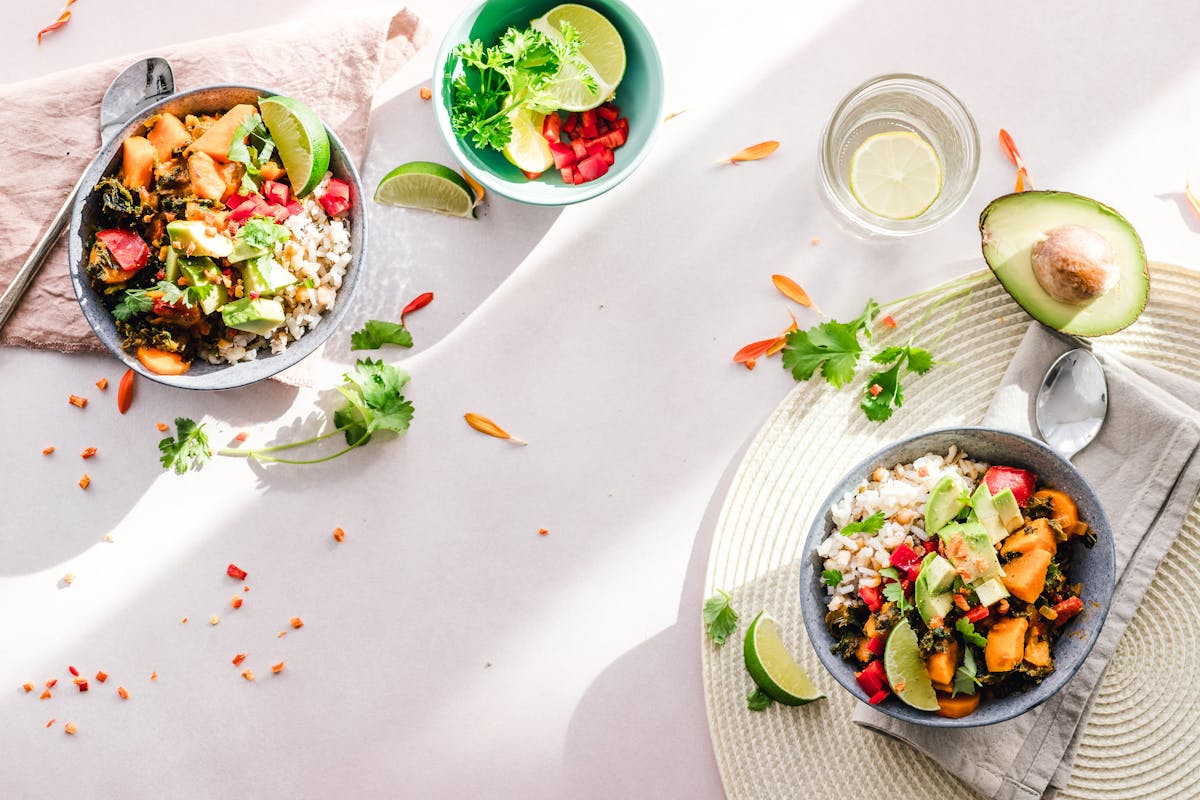
High-Protein Mediterranean Chickpea Bowl for Ozempic & GLP‑1 Diets
The rise of GLP‑1 medications like Ozempic and Wegovy has completely changed how many of us think about food, appetite, and weight loss. Instead of chasing another restrictive “diet,” people on these medications often need smaller, slower, deeply satisfying meals that still deliver plenty of protein, fiber, and micronutrients. This colorful Mediterranean chickpea bowl is designed exactly for that: it’s gentle on digestion, rich in plant-based protein, and built to keep you nourished even when your appetite is low.
Think of this as an “Ozempic‑friendly” recipe that respects your body’s new rhythm—small portions, big flavor, and smart nutrition. Whether you’re new to GLP‑1s or simply looking for a lighter, high‑protein meal, this bowl gives you a satisfying, balanced option without feeling like you’re on a diet.
Quick Recipe Overview
Prep time:
Cook time:
Total time:
Servings: 2 bowls
Difficulty: Easy
Best for: Ozempic & GLP‑1 users, high‑protein lunch or light dinner
Diet notes:
- High protein & high fiber
- Vegetarian (easily vegan)
- Gluten‑free with certified GF grains
- Gut‑friendly and portion‑flexible
Recipe Photos
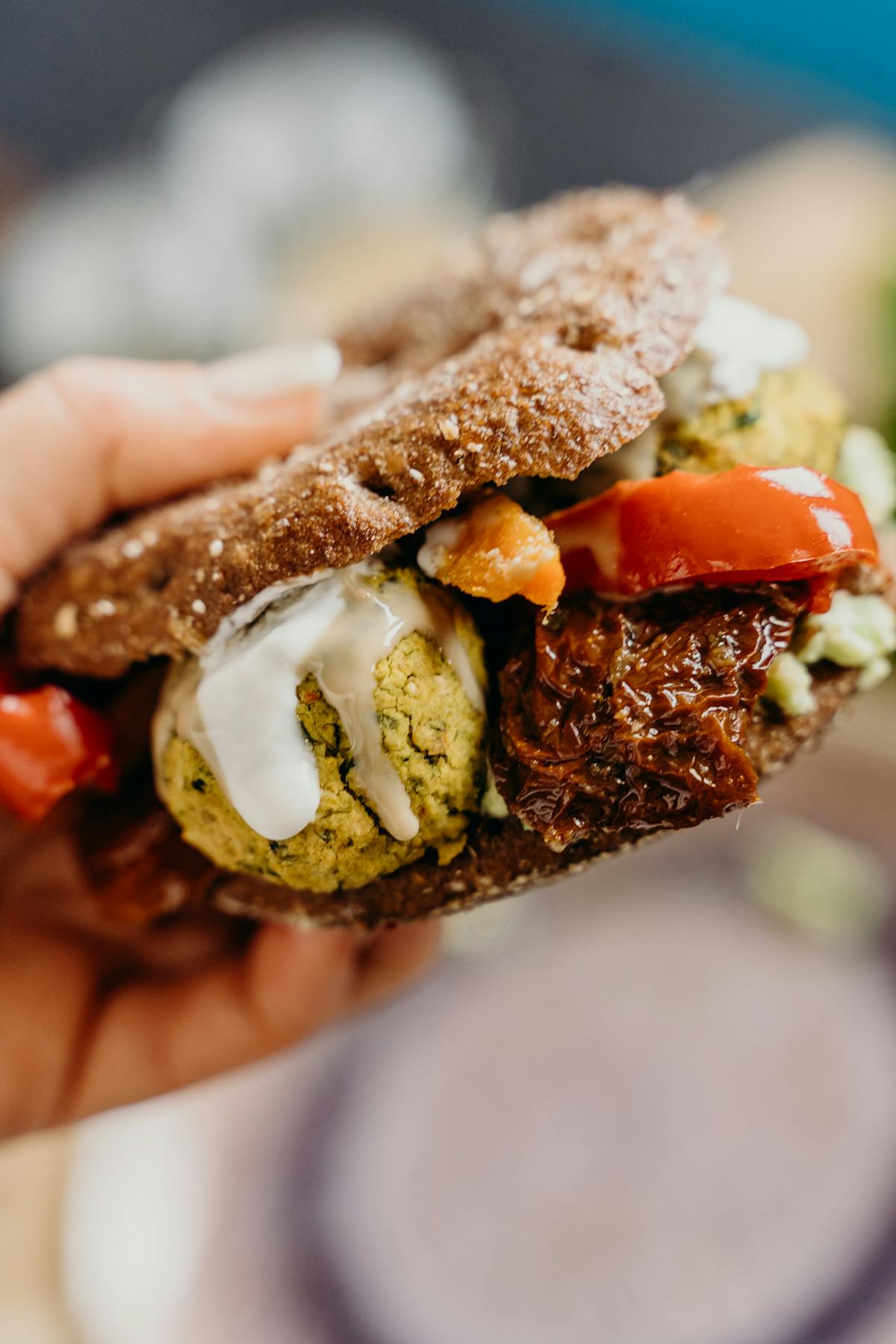
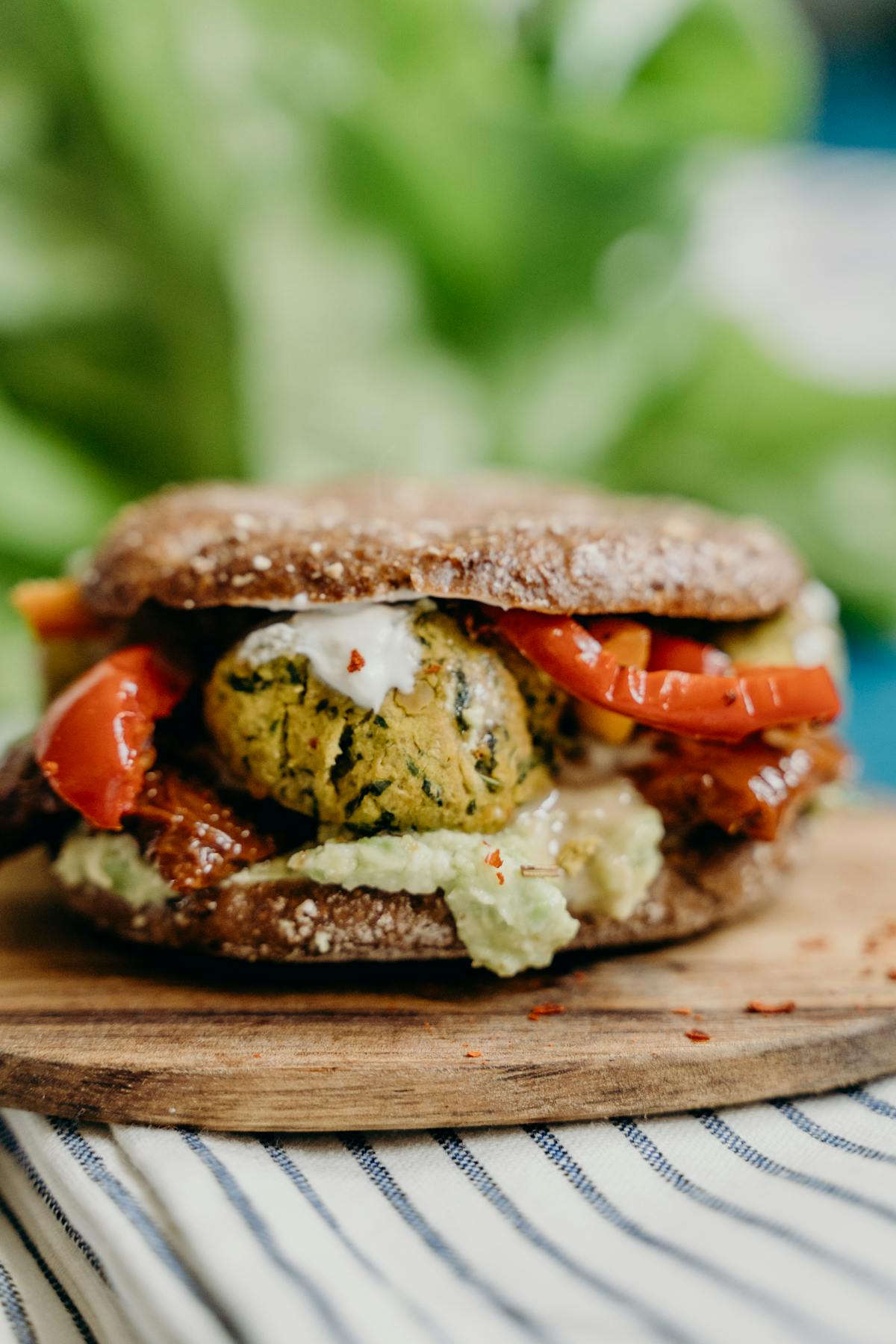
Why This Recipe Works for Ozempic & GLP‑1 Diets
GLP‑1 medications slow digestion and reduce appetite, which can be a relief if you’ve spent years feeling at war with food. At the same time, it means every bite matters more: you’re often eating less overall, so you want meals that are:
- Protein‑focused to protect your muscles during weight loss.
- High in fiber to support gut health and regularity, without overwhelming your stomach.
- Small but satisfying so you can eat slowly and stop when you’re comfortably full.
- Nutrient‑dense with plenty of vitamins, minerals, and antioxidants in each forkful.
This Mediterranean chickpea bowl checks all those boxes. Chickpeas, Greek yogurt (or a plant‑based alternative), vegetables, herbs, and whole grains give you that ideal blend of protein, complex carbs, and healthy fats that dietitians are recommending for people on Ozempic and other GLP‑1s.
“When appetite drops on GLP‑1s, the priority shifts from ‘how little can I eat?’ to ‘how much nutrition can I fit into each small, comfortable meal?’”
Ingredients
These amounts make about 2 moderate bowls. If your appetite is very low, you can easily divide this into 3–4 smaller, snack‑sized portions.
For the Bowl
- 1 cup cooked chickpeas (about 1 can, 15 oz, rinsed and drained)
- 1 cup cooked quinoa or brown rice (or any whole grain you like)
- 1 cup cucumber, diced (leave the skin on for extra fiber if tolerated)
- 1 cup cherry tomatoes, halved
- 1/4 cup red onion, very finely chopped (or use green onion for a milder option)
- 1/2 cup bell pepper, diced (any color)
- 1/4 cup kalamata olives, pitted and sliced (optional, for healthy fats and flavor)
- 1/4 cup fresh parsley or cilantro, finely chopped
- 2 tbsp crumbled feta cheese (optional; skip or use vegan feta for dairy‑free)
For the High‑Protein Dressing
- 1/2 cup plain Greek yogurt (2% or 0%; use unsweetened plant‑based yogurt for vegan)
- 2 tbsp tahini or extra‑virgin olive oil
- 2 tbsp fresh lemon juice (plus extra wedges for serving)
- 1 small garlic clove, very finely grated or minced
- 1–2 tbsp water, to thin the dressing as needed
- 1/4 tsp ground cumin
- 1/4 tsp dried oregano or thyme
- 1/4–1/2 tsp salt, to taste
- Freshly ground black pepper, to taste
Optional Protein Boosts
- 4–6 oz grilled chicken breast, sliced (for extra lean protein)
- 1/2 cup firm tofu or tempeh, cubed and pan‑seared
- 2 hard‑boiled eggs, sliced or quartered
Equipment You’ll Need
- Cutting board and sharp knife
- Medium mixing bowl
- Small bowl or jar with lid (for the dressing)
- Measuring cups and spoons
- Fork or whisk for mixing
- 2–4 serving bowls (smaller is often better for Ozempic‑friendly portions)
Step‑by‑Step Instructions
- Cook or reheat your grain base.
If you don’t already have cooked quinoa or brown rice, prepare it according to the package instructions. For GLP‑1‑friendly portions, you only need about 1/2 cup cooked grain per bowl. Let it cool slightly so it’s warm, not piping hot—lukewarm foods can be easier to tolerate if you’re dealing with nausea.
- Prep the vegetables and herbs.
Dice the cucumber, tomatoes, bell pepper, and onion into small, bite‑sized pieces. Finely chop the parsley or cilantro. Smaller pieces mean smaller bites, which can help you eat slowly and stop when you feel comfortably full rather than pushed.
- Season the chickpeas.
In a medium bowl, combine the chickpeas with a pinch of salt, pepper, and a squeeze of lemon. If you like a little warmth, add a pinch of cumin or smoked paprika. Toss gently. This step layers flavor without relying on large portions.
- Make the high‑protein dressing.
In a small bowl or jar, whisk together the Greek yogurt, tahini or olive oil, lemon juice, garlic, cumin, oregano, salt, and pepper. Add 1–2 tablespoons of water, a little at a time, until the dressing is creamy and spoonable. Taste and adjust with more lemon or salt if needed.
The yogurt adds protein, while the tahini or olive oil provides healthy fats, both of which help you feel steady and nourished between smaller meals.
- Assemble the bowls.
Divide the warm grain between 2–4 bowls, depending on how big you want your portions. Top each with chickpeas, cucumber, tomatoes, bell pepper, onion, olives, and herbs. Sprinkle with feta if using.
- Add optional extra protein.
If you’re aiming for the higher‑end protein targets often recommended for GLP‑1 users, add slices of grilled chicken, tofu, tempeh, or hard‑boiled egg on top. This can help you get closer to the commonly suggested 1.6–2.2 g protein/kg body weight, even with a small meal.
- Dress lightly and serve.
Spoon a small amount of dressing over each bowl—start with 1–2 tablespoons. You can always add more as you go. Garnish with extra herbs and a lemon wedge.
Eat slowly, pausing between bites. GLP‑1 medications delay gastric emptying, so it can take longer to notice fullness; unhurried eating helps you stay comfortable and avoid that “too full” feeling.
Substitutions & Dietary Adaptations
For Vegan or Dairy‑Free
- Use unsweetened soy or pea‑protein yogurt instead of Greek yogurt for the dressing.
- Skip the feta or use a vegan feta alternative.
- Choose tofu or tempeh as your extra protein instead of chicken or eggs.
For Gluten‑Free
- Stick with naturally gluten‑free grains like quinoa, brown rice, or buckwheat.
- Check labels on any packaged ingredients (like tahini, yogurt, or plant‑based cheeses) to ensure they’re certified gluten‑free.
For Sensitive Digestion
- Lightly steam or roast the vegetables instead of serving them completely raw.
- Use fewer chickpeas at first—start with 1/4–1/3 cup per serving and increase gradually as tolerated.
- Swap raw onion for green onion or omit it if you find it too strong.
Storage & Reheating
Refrigeration
- Store the assembled chickpea and grain mixture in an airtight container in the fridge for up to 3–4 days.
- Keep the dressing in a separate jar so the vegetables stay crisp; it will last about 4–5 days.
- If using chicken, eggs, tofu, or tempeh, store them in a separate container and add to the bowl just before eating.
Reheating
- For many GLP‑1 users, room‑temperature or slightly warm meals are easier to tolerate than very hot food.
- Gently warm the grain and chickpeas in the microwave for 20–40 seconds if you prefer them not to be cold.
- Add fresh vegetables and dressing after reheating so they stay crisp and vibrant.
Meal‑Prep Tip
Portion the bowl into smaller containers—even half‑portions. This makes it much easier to eat small, frequent meals throughout the day, which many clinicians recommend for people on GLP‑1 medications to maintain energy and nutrient intake.
Serving Suggestions & Pairings
This Mediterranean chickpea bowl is a complete meal on its own, but you can round it out depending on your hunger and goals.
- Light side: Add a small bowl of mixed berries or orange slices for a vitamin C boost.
- Extra protein: Serve with a side of cottage cheese or an additional hard‑boiled egg if tolerated.
- Warm comfort: Pair with a mug of light vegetable or chicken broth if you want something soothing but low‑volume.
If you’re in a phase of very low appetite on Ozempic or another GLP‑1, you might split one serving of this bowl into two small meals—one now, one later. That’s not a failure; it’s a smart way to honor your medication’s effects while still nourishing your body.
Where This Fits in the ‘Ozempic Diet’ Conversation
There’s a lot of noise online about the “Ozempic diet”—from dramatic before‑and‑after photos to arguments about whether GLP‑1s are a shortcut or a medical lifeline. Underneath all the debate, the practical questions are simple: How do I eat in a way that feels good, protects my health, and is sustainable?
Recipes like this Mediterranean chickpea bowl focus on:
- Stability instead of extremes—no crash dieting or cutting out major food groups.
- Skill‑building—learning to plan balanced, nutrient‑dense meals you enjoy, rather than blindly following rules.
- Long‑term thinking—creating eating patterns you can maintain whether you stay on GLP‑1s or eventually transition off.
Medications like Ozempic can powerfully shift appetite and weight, but they don’t replace the basics of good nutrition. High‑protein, high‑fiber, flavorful meals give your body what it needs while your medication does its job.
