
5 Anti-Inflammatory Power Foods Men Over 50 Should Eat Every Week
At some point after 50, many men notice a few new “companions”: stiff knees in the morning, a back that complains after yard work, or workouts that take longer to recover from. While some of this is a normal part of aging, chronic, low-grade inflammation can quietly make these issues worse—and increase the risk of heart disease, type 2 diabetes, and muscle loss over time.
The good news: you can’t control your age, but you can strongly influence inflammation with what’s on your plate. Dietitians consistently point to certain anti-inflammatory foods that help support joint comfort, heart health, and muscle maintenance—three big priorities for men over 50.
Below, we’ll walk through five evidence-backed anti-inflammatory foods men over 50 should be eating regularly, along with practical, no-fuss ways to fit them into your everyday life.
:max_bytes(150000):strip_icc()/TK-Anti-Inflammatory-Foods-Men-Over-50-Should-Eat-9a88c46466cb494fa9e9791409f67e17.jpg)
“Lifestyle—especially what we eat—can either fan the flames of inflammation or quietly cool them down over time.”
— Registered Dietitian specializing in men’s health
Why Inflammation Matters More After 50
Inflammation itself isn’t the enemy. Short-term inflammation is how your body heals from a cut, a cold, or a tough workout. The concern is chronic, low-level inflammation—the kind that lingers for months or years and quietly wears down your tissues.
After 50, men are more likely to experience:
- Joint stiffness and osteoarthritis
- Increased risk of heart disease and stroke
- Insulin resistance and type 2 diabetes
- Gradual loss of muscle mass and strength (sarcopenia)
Research has linked chronic inflammation with all of these conditions. While genes and lifestyle factors like sleep, stress, smoking, and movement all play a role, diet is one lever you can adjust every single day.
How Anti-Inflammatory Foods Help Men Over 50
Anti-inflammatory foods tend to share a few traits:
- They’re rich in antioxidants that protect cells from damage.
- They contain healthy fats that support heart and brain function.
- They provide fiber that nourishes beneficial gut bacteria.
- They’re minimally processed and closer to their natural state.
Diets like the Mediterranean or DASH eating patterns—which emphasize these foods—have been linked with lower inflammatory markers, better heart health, and improved longevity.
Below are five standout foods dietitians often recommend men over 50 eat more often to help manage inflammation naturally.
1. Fatty Fish: Omega-3 Support for Joints and Heart
Salmon, sardines, mackerel, trout, and herring are rich in EPA and DHA, two omega-3 fats with strong anti-inflammatory properties. These fats are well-studied for supporting heart health and may help ease joint discomfort in some people.
Large reviews suggest that higher omega-3 intake is associated with lower levels of inflammatory markers like C-reactive protein (CRP) and interleukin-6 (IL-6), and supports healthy triglyceride levels and blood vessel function.

How much and how often?
- Aim for at least 2 servings of fatty fish per week (about 3–4 ounces per serving).
- If you don’t like fish, talk to your healthcare provider about whether an omega-3 supplement makes sense for you.
Easy ways to add more fatty fish
- Keep canned salmon or sardines in the pantry for quick sandwiches or salads.
- Swap one red meat dinner each week for grilled or baked salmon.
- Add smoked trout to scrambled eggs or omelets.
2. Berries: Antioxidant-Rich “Insurance” for Your Cells
Blueberries, strawberries, raspberries, and blackberries are loaded with antioxidants called anthocyanins. These compounds give berries their deep red, blue, and purple colors and have been linked with lower inflammation and better blood vessel function.
Several studies suggest that regular berry consumption can help reduce oxidative stress and may support brain and heart health—two areas men often want to protect as they age.

How much and how often?
- Aim for ½–1 cup of berries most days of the week.
- Frozen berries are just as nutritious as fresh and often more budget-friendly.
Simple ways to work berries into your routine
- Stir berries into oatmeal or Greek yogurt at breakfast.
- Blend frozen berries into a smoothie with spinach and a protein source.
- Use berries as a sweet finish instead of dessert most nights.
“For men who don’t love vegetables, I often start with berries. They’re a low-effort, great-tasting way to introduce more anti-inflammatory plant foods.”
— Registered Dietitian Nutritionist
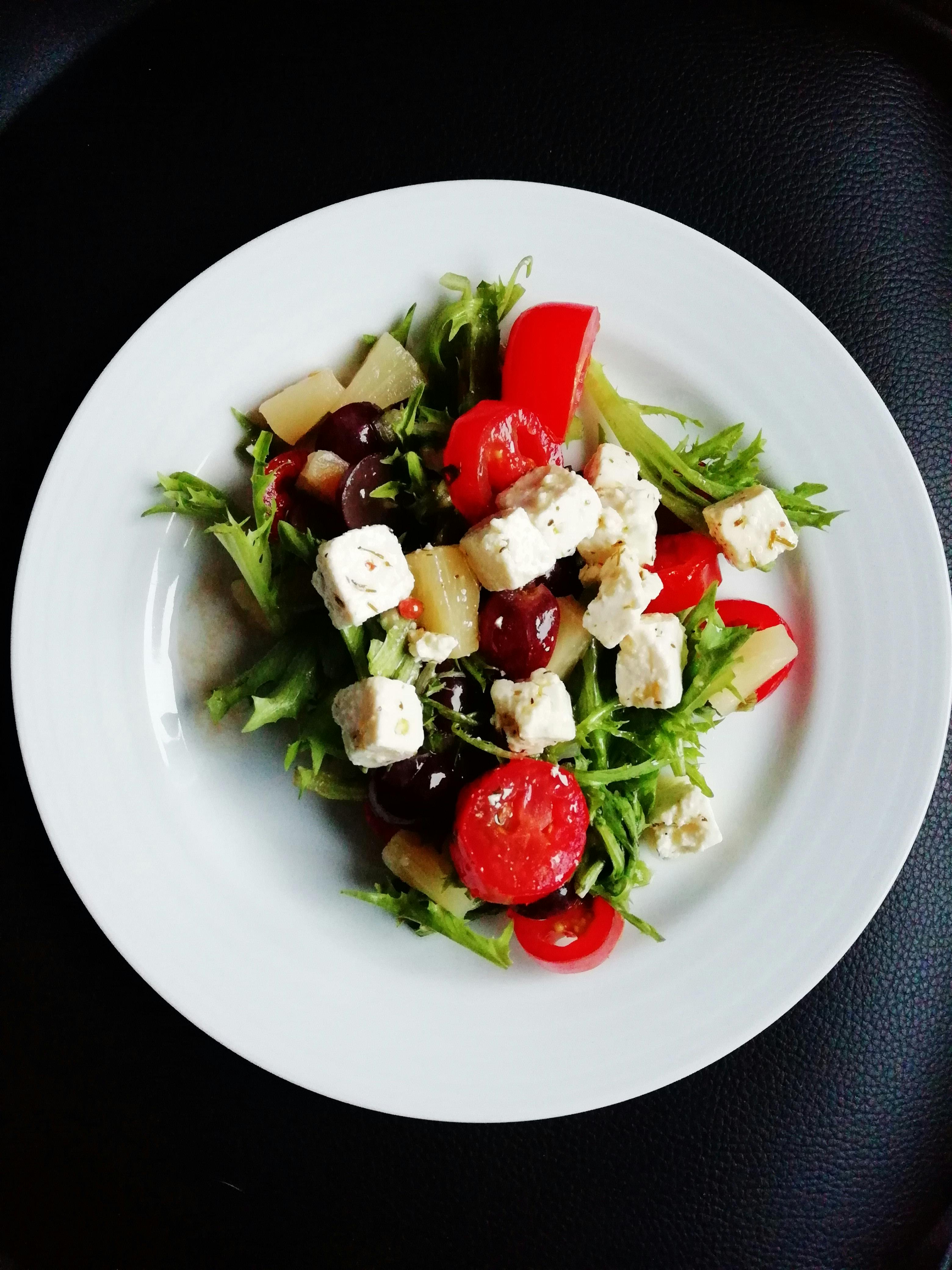
3. Leafy Greens: Everyday Protection for Heart and Metabolism
Spinach, kale, Swiss chard, collards, and arugula offer a powerhouse mix of vitamins, minerals, fiber, and plant compounds linked with lower inflammation and better cardiovascular health.
Studies of dietary patterns show that people who eat more leafy greens tend to have lower risk of heart disease and type 2 diabetes. The combination of magnesium, potassium, nitrates, and antioxidants may help support healthy blood pressure and blood vessel function.
How much and how often?
- Work toward at least 1–2 cups of leafy greens most days, whether raw or cooked.
Practical ways to eat more greens (without salads every day)
- Add a handful of spinach to scrambled eggs or omelets.
- Stir chopped kale or collards into soups, stews, or chili.
- Use mixed greens as a base layer in grain bowls with fish or chicken.
4. Nuts and Seeds: Small Foods, Big Anti-Inflammatory Impact
Almonds, walnuts, pistachios, chia seeds, flaxseeds, and pumpkin seeds offer a combination of healthy fats, plant protein, fiber, and minerals like magnesium—all of which can help support lower inflammation over time.
Walnuts and ground flaxseed are particularly notable for their alpha-linolenic acid (ALA), a plant-based omega-3 that may contribute to heart health when included as part of an overall healthy diet.
How much and how often?
- Aim for about 1 ounce (a small handful) of nuts or 1–2 tablespoons of seeds daily, if tolerated.
Easy ways to include nuts and seeds
- Sprinkle chia or ground flaxseed over yogurt, oats, or salads.
- Keep a small container of mixed nuts for an afternoon snack.
- Use nut butter on whole-grain toast or apple slices.
5. Extra-Virgin Olive Oil: Everyday Cooking Oil with Anti-Inflammatory Benefits
Extra-virgin olive oil (EVOO), a staple of the Mediterranean diet, is rich in monounsaturated fats and bioactive compounds like oleocanthal, which has been studied for its anti-inflammatory effects.
Large trials of Mediterranean-style diets using olive oil have shown benefits for heart health and reductions in some inflammatory markers when compared with typical Western diets.
How much and how often?
- Using 1–3 tablespoons of extra-virgin olive oil daily in place of saturated or highly processed fats is typical in Mediterranean-style eating patterns.
Practical swaps that make a difference
- Use olive oil instead of butter for sautéing vegetables.
- Whisk olive oil with vinegar, lemon, and herbs for simple salad dressings.
- Drizzle a teaspoon over cooked fish, beans, or whole grains for extra flavor.
Common Obstacles (and How to Overcome Them)
Changing how you eat at 50, 60, or beyond can feel like a big ask—especially if you’re used to certain routines. Here are some realistic challenges men often face, and workable solutions.
“I don’t have time to cook.”
- Rely on convenience items like pre-washed greens, frozen vegetables, and frozen fish fillets.
- Batch-cook a big tray of salmon or chicken and use leftovers in salads or grain bowls.
- Keep “assembly” meals on rotation: canned salmon + bagged salad + olive oil dressing.
“Healthy food is too expensive.”
- Buy frozen berries and vegetables—they’re often cheaper and last longer.
- Choose canned salmon or sardines over fresh fish a few times per week.
- Purchase nuts and seeds in bulk and store them in airtight containers.
“My family isn’t on board.”
- Start with simple swaps (olive oil instead of butter, berries instead of sugary dessert).
- Build “add-ons” into family meals: everyone eats the main dish, and you add a side of greens or fish for yourself.
- Involve family in choosing recipes that include these foods in ways they actually enjoy.
A 58-year-old client once told me, “I thought I had to overhaul everything overnight.” We focused instead on two weekly goals: fish twice a week and berries at breakfast. Six months later, his lab work improved, and he felt less stiff in the mornings—not from perfection, but from steady, realistic changes.
Putting It All Together: A Simple 7-Day Game Plan
You don’t need a complicated meal plan to start eating more anti-inflammatory foods. Use this as a flexible template and adjust it to your preferences and culture.
Weekly targets
- Fatty fish: 2–3 meals per week
- Berries: most days
- Leafy greens: most days
- Nuts/seeds: daily
- Extra-virgin olive oil: use as your main cooking oil
Sample one-day anti-inflammatory menu
- Breakfast: Oatmeal cooked with ground flaxseed, topped with blueberries and a spoonful of walnuts.
- Lunch: Big salad with mixed leafy greens, canned salmon, olive oil–lemon dressing, and a side of whole-grain bread.
- Snack: Plain Greek yogurt with strawberries and a sprinkle of chia seeds.
- Dinner: Grilled trout with sautéed spinach and olive oil–roasted potatoes.
What the Science Says (Without the Hype)
No single food has been proven to “cure” arthritis, prevent all heart attacks, or eliminate the need for medication. However, research does support the idea that eating patterns rich in these foods can help lower markers of inflammation and support healthier aging.
- Mediterranean-style diets (rich in fish, olive oil, nuts, and vegetables) are associated with lower risk of cardiovascular disease and reduced inflammatory markers like CRP.
- Berries have been linked with improvements in blood pressure, lipid profiles, and oxidative stress in various studies.
- Nuts and seeds, when eaten in moderation, are associated with better heart health and reduced risk of type 2 diabetes.
For detailed summaries, you can review resources from organizations such as:
Always discuss significant dietary changes with your healthcare provider, especially if you take medications for blood pressure, blood thinners, or diabetes.
The Bottom Line: Small Shifts, Big Long-Term Payoff
Inflammation is complex, and aging is unavoidable. But feeling older than you are doesn’t have to be your default. By weaving more fatty fish, berries, leafy greens, nuts and seeds, and extra-virgin olive oil into your regular meals, you’re steadily nudging your body toward a less inflammatory, more resilient state.
You don’t need perfection. You just need consistent, repeatable habits.
Your next steps this week
- Pick two foods from this list to focus on for the next 7 days.
- Add them to your grocery list in specific ways (for example, “frozen blueberries,” “canned salmon,” “bagged spinach”).
- Choose one meal you’ll upgrade (like adding greens to dinner or berries to breakfast).
Think of these changes as investing in the way you want to move, think, and feel in the years ahead. Your future self—walking more comfortably, staying active with family, and keeping up with the things you love—will thank you for the choices you’re making today.
