
4 Daily Exercises That Restore Muscle Faster Than Gym Machines After 55
Rebuilding Muscle After 55: Why Simple Daily Moves Beat Complicated Machines
If you’re over 55 and feel like your muscles don’t “bounce back” the way they used to, you’re not imagining it. Climbing stairs, carrying groceries, or getting up from the floor can start feeling harder—even if you’ve been active most of your life. The good news: you do not need fancy gym machines to turn this around. A few smart, daily exercises that use your own body weight can restore muscle and strength faster than many machine-based routines, especially for adults 55 and older.
In this guide, we’ll walk through four daily exercises that target the muscles you rely on most: legs, hips, core, and upper body. You’ll learn how to do them safely, how to adapt them if you have joint issues, and how to progress week by week—without overpromising or expecting “overnight” results.
The Real Problem: Age-Related Muscle Loss and Why Machines Often Fall Short
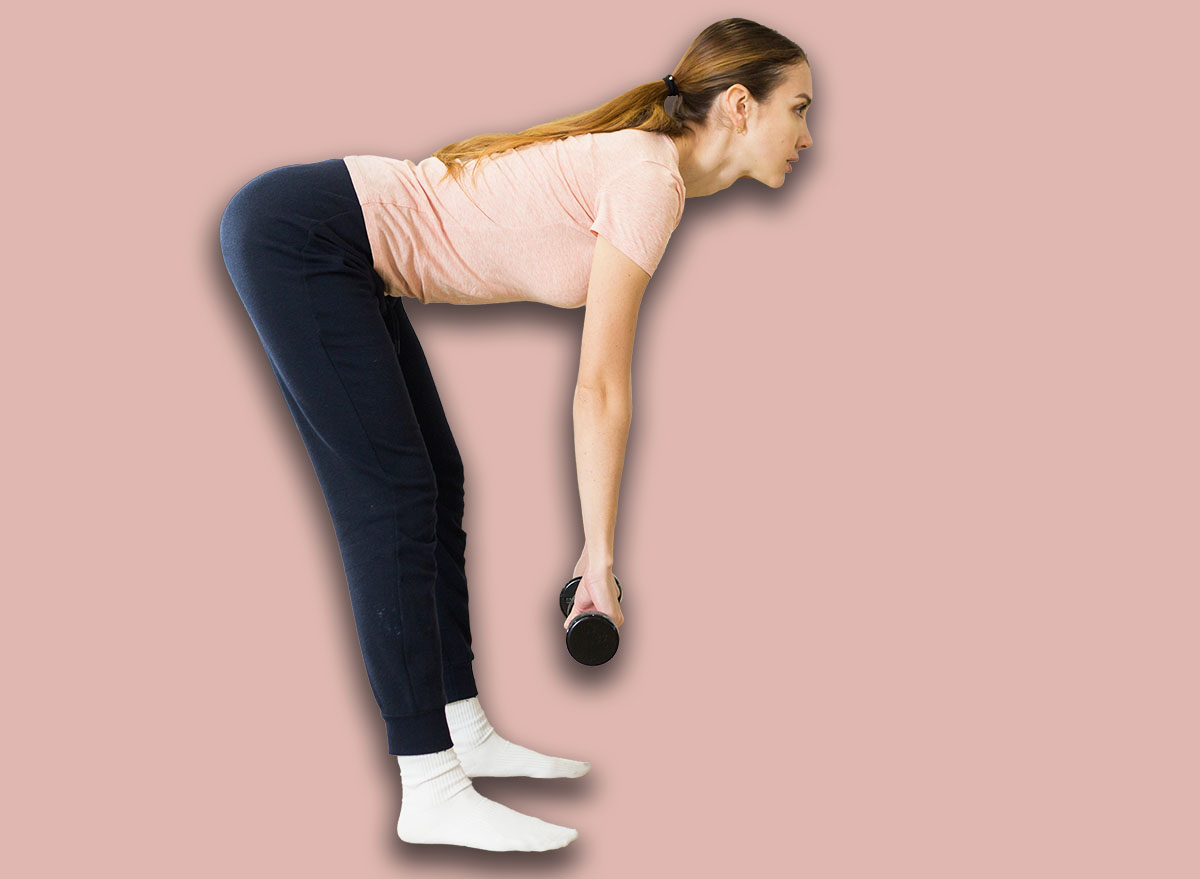
After about age 30, we naturally lose 3–8% of our muscle mass per decade, and that rate can accelerate after 60. This process—age-related muscle loss—is influenced by hormones, lower activity levels, illness, and nutrition changes.
Many people try to fight this by joining a gym and hopping on machines. While machines can help, they often:
- Lock you into fixed movement paths that don’t match real-life motions
- Underwork stabilizing muscles that protect your joints and balance
- Encourage “spot training” instead of full-body, functional strength
Everyday life doesn’t happen on a machine. You push, pull, squat, hinge, and balance in multiple directions. That’s why functional, bodyweight-based exercises are often more effective, especially if you’re rebuilding muscle and confidence after 55.
“Progressive resistance training is effective in improving strength and physical function in older adults, including those well into their 80s and 90s.”
— Summary of findings from multiple clinical trials on resistance training in older adults
The 4 Daily Exercises That Restore Muscle After 55
These four movements focus on what matters most for healthy aging: getting up and down, walking safely, lifting and carrying, and protecting your spine and joints. They can all be done at home with minimal or no equipment.
- Chair Squats – for legs, hips, and balance
- Wall Push-Ups – for chest, shoulders, and arms
- Hip Hinge (Good Morning) – for glutes, hamstrings, and back protection
- Step-Ups – for stair strength, gait, and fall prevention
1. Chair Squats: The “Get-Up-From-Any-Chair” Strength Builder
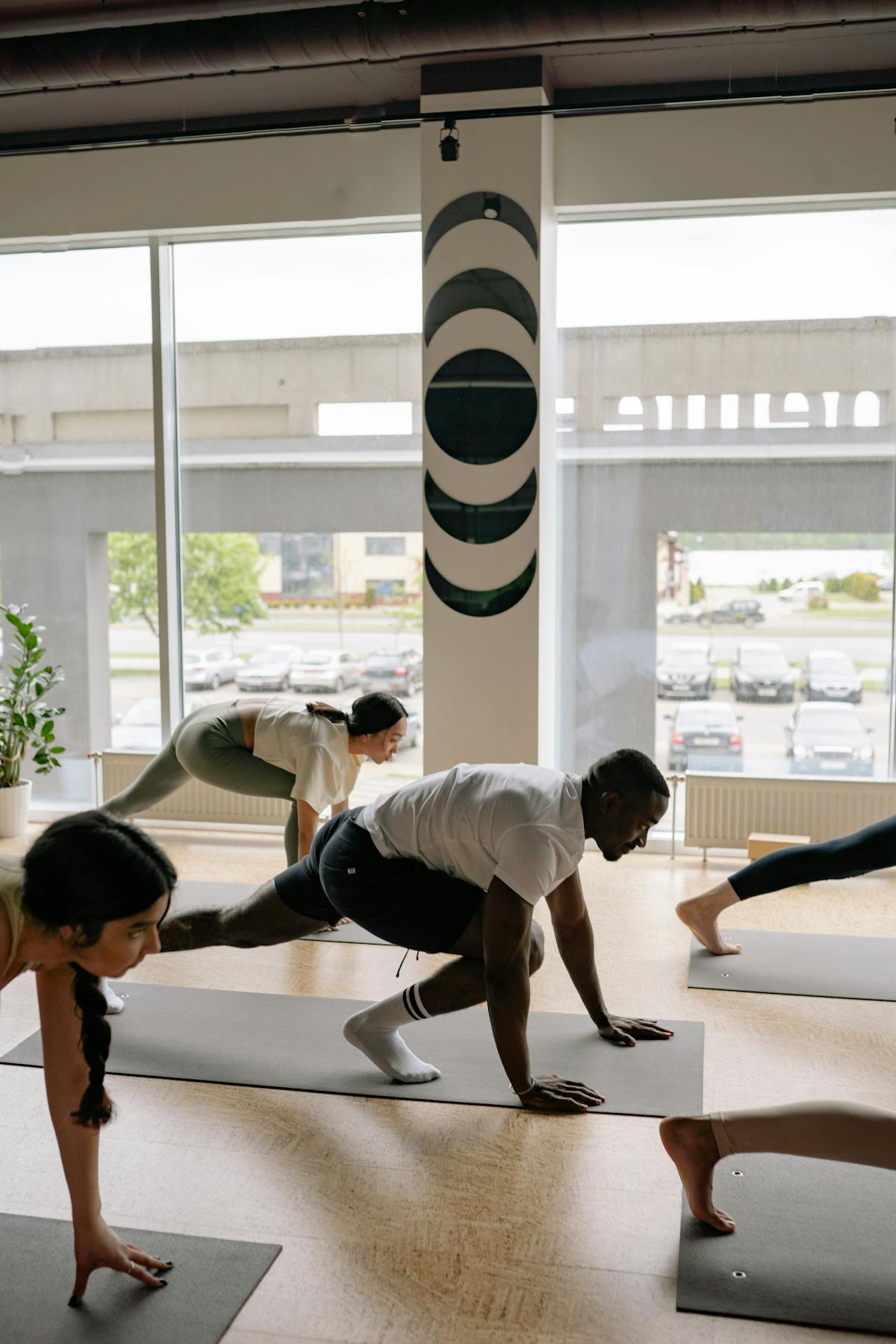
Chair squats mimic one of the most important daily skills: standing up and sitting down. They strengthen your thighs, hips, and core—key areas that decline with age and contribute to falls.
How to Do Chair Squats
- Use a sturdy chair with the seat at about knee height.
- Stand with your feet about hip-width apart, toes slightly turned out.
- Cross your arms over your chest or lightly hold the chair for balance.
- Push your hips back as if reaching for the chair, bending your knees.
- Lower until your bottom gently taps the seat (or sits down fully if needed).
- Press through your heels to stand up tall, squeezing your glutes at the top.
Sets, Reps & Progression
- Beginner: 2 sets of 6–8 reps, 3–4 days per week
- Intermediate: 3 sets of 10–12 reps, up to daily
- Progression: hold light weights, slow the lowering phase, or use a lower chair
If You Have Knee Pain
- Limit how low you go—stay in a pain-free range.
- Keep your knees tracking over the middle of your feet, not collapsing inward.
- Use a higher chair or add a cushion to reduce depth.
“When my 68-year-old client, Mary, started with just 5 chair squats a day, she needed her hands to push off. Within six weeks, she was doing 3 sets of 12 reps without using her hands—and reported getting out of low cars felt ‘almost easy’ again.”
2. Wall Push-Ups: Gentle Upper-Body Strength Without Wrist or Shoulder Strain
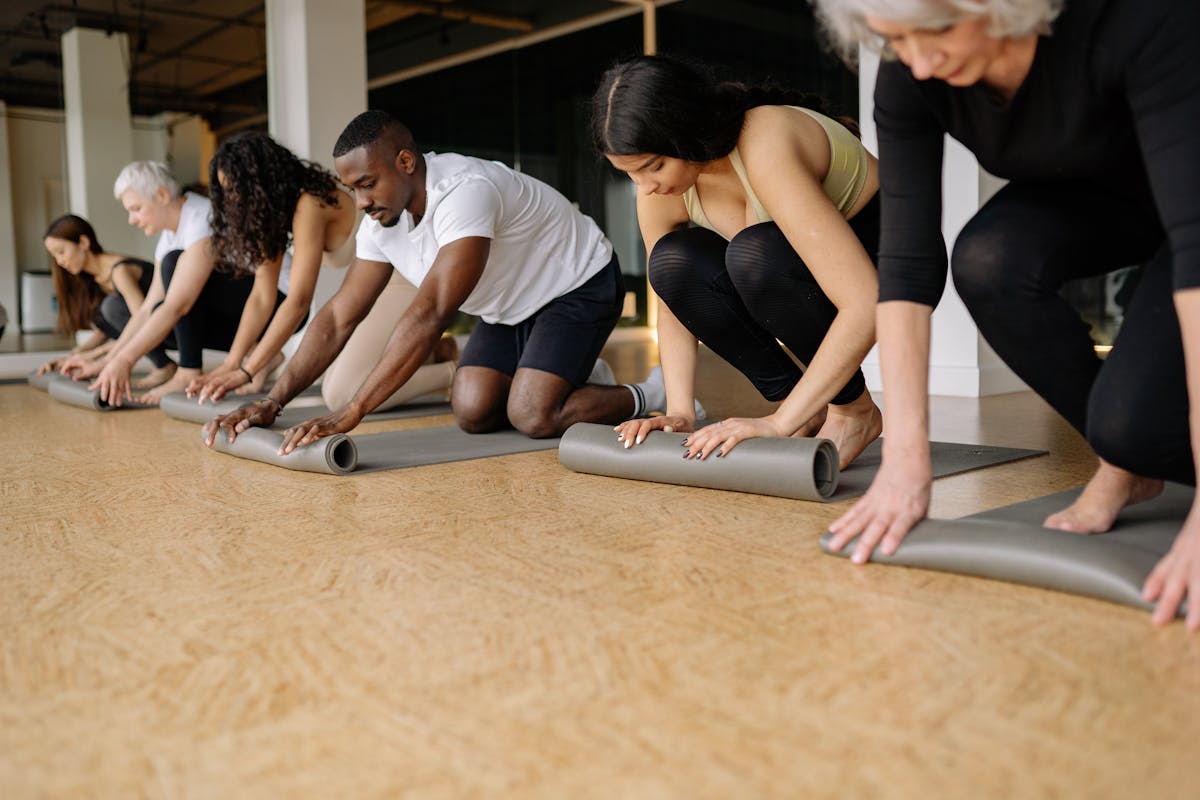
Wall push-ups are a joint-friendly way to strengthen your chest, shoulders, arms, and core. They’re easier than floor push-ups but still provide enough resistance to restore upper-body muscle after 55.
How to Do Wall Push-Ups
- Stand facing a wall, about an arm’s length away.
- Place your hands on the wall at chest height, slightly wider than shoulder-width.
- Step your feet back so your body forms a straight line from head to heels.
- Brace your core and keep your neck neutral (eyes toward where the wall and floor meet).
- Bend your elbows, lowering your chest toward the wall in a controlled manner.
- Push back to the starting position, without locking your elbows hard.
Sets, Reps & Progression
- Beginner: 2 sets of 8–10 reps, every other day
- Intermediate: 3 sets of 12–15 reps
- Progression: move your feet farther from the wall or switch to an incline push-up (hands on a countertop or sturdy table)
3. Hip Hinge: Protect Your Back and Build Powerful Hips
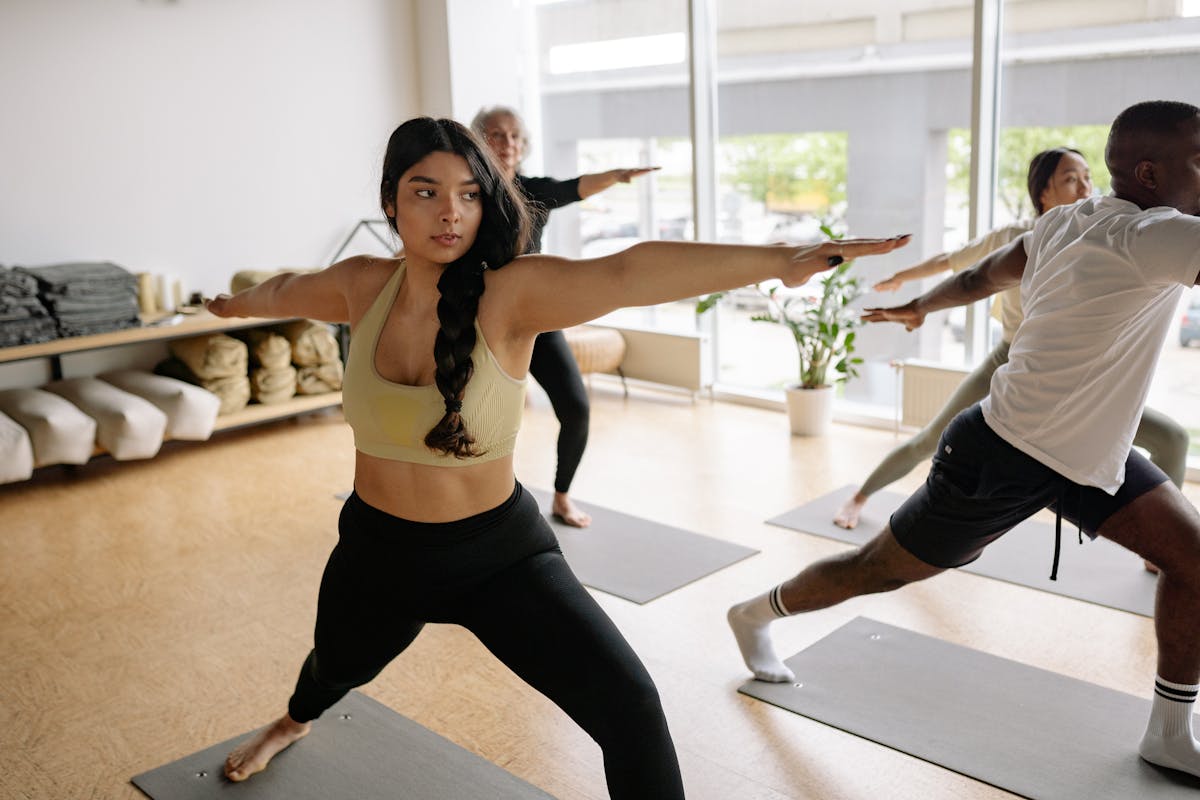
The hip hinge—sometimes called a “good morning” movement—teaches you to bend from your hips instead of your lower back. This is essential for picking things up from the floor, gardening, and daily chores without straining your spine.
How to Do a Hip Hinge
- Stand tall with your feet about hip-width apart, knees slightly bent.
- Place your hands on your hips or lightly on a countertop for balance.
- Keeping your back flat, push your hips straight back, as if closing a car door with your backside.
- Allow your torso to tip forward while maintaining a neutral spine (no rounding).
- Stop when you feel a stretch in your hamstrings or when your torso is about 45° forward.
- Press your feet into the floor and drive your hips forward to stand tall again.
Sets, Reps & Progression
- Beginner: 2 sets of 8–10 controlled reps, 3–4 days per week
- Intermediate: 3 sets of 12–15 reps
- Progression: hold a light dumbbell, kettlebell, or even a water bottle at your chest
Back-Friendly Tips
- Keep your spine long—imagine balancing a glass of water on your back.
- Do not force your range of motion; stop before your back wants to round.
- If you have a history of back pain, start with very small movements and higher reps.
4. Step-Ups: The Everyday Stair-Strength Exercise
Step-ups closely mimic walking up stairs and curbs—movements strongly linked to independence as we age. They develop leg strength, balance, and coordination all at once.
How to Do Step-Ups
- Use a low, sturdy step, bottom stair, or exercise platform.
- Stand tall facing the step, feet hip-width apart.
- Place your right foot fully on the step.
- Press through your right heel to bring your left foot up onto the step.
- Step back down with the left foot first, then the right.
- Repeat for your reps, then switch your lead leg.
Sets, Reps & Progression
- Beginner: 2 sets of 6–8 step-ups per leg, 3–4 days per week
- Intermediate: 3 sets of 10–12 per leg
- Progression: use a higher step, add light hand weights, or slow the lowering phase
How to Turn These 4 Moves into a Simple, Daily Muscle-Restoring Routine
Consistency matters more than perfection. These exercises can be done in under 20 minutes and woven into your day so they actually happen.
Sample 15–20 Minute Daily Plan
- Warm-Up (3–5 minutes): easy marching in place, gentle arm circles, ankle circles.
- Circuit (10–15 minutes):
- 10–12 Chair Squats
- 10–12 Wall Push-Ups
- 10–12 Hip Hinges
- 8–10 Step-Ups per leg
- Repeat the circuit 2–3 times, resting 30–60 seconds between exercises as needed.
- Cool Down (2–3 minutes): gentle stretching for legs, hips, and shoulders; slow breathing.
Common Obstacles After 55—and How to Overcome Them
“I Feel Too Tired to Exercise”
Fatigue is common with age, especially if you’re dealing with stress, poor sleep, or medical conditions. Ironically, gentle strength training can actually improve energy over time by enhancing circulation, mitochondrial health, and sleep quality.
- Start with just 5–10 minutes every other day.
- Do one set of each exercise instead of two or three.
- Focus on how you feel 1–2 hours after exercise, not just during.
“My Joints Hurt”
Mild joint discomfort is not unusual when you’re deconditioned, but sharp or worsening pain is a signal to adjust. Research suggests that properly dosed strength training can actually reduce arthritis pain over time by stabilizing the joints.
- Reduce range of motion—smaller squats, shallower step-ups.
- Slow down each movement; avoid jerking or bouncing.
- Allow extra rest days for irritated joints and apply gentle heat/ice as advised.
“I’m Afraid of Falling”
Fear of falling is very real—and justified if you’ve had a previous fall. These exercises actually reduce fall risk by improving strength and balance, but you can start with maximal support.
- Do chair squats over a firm seat with armrests.
- Place a stable chair next to you during step-ups for hand support.
- Exercise in a clutter-free area with good lighting and non-slip footwear.
What the Science Says About Muscle Restoration After 55
Multiple studies over the past two decades have shown that adults in their 60s, 70s, and even 80s can build meaningful muscle and strength with consistent resistance training.
- A meta-analysis in the journal Ageing Research Reviews found that older adults performing strength training 2–3 times per week significantly improved strength, muscle size, and daily function.
- Functional exercises like squats and step-ups have been linked with better walking speed, stair-climbing ability, and lower fall risk compared to machine-only programs.
For further reading, you can explore:
Don’t Forget Recovery: Sleep and Nutrition for Faster Muscle Restoration
Exercise is only part of the picture. To restore muscle efficiently after 55, your body also needs adequate protein, calories, and quality sleep.
Protein Targets
- Many experts now recommend 1.0–1.2 grams of protein per kilogram of body weight per day for older adults, if kidney function allows.
- Spread protein across meals: include beans, lentils, eggs, yogurt, fish, poultry, or tofu.
Hydration & Sleep
- Drink water regularly throughout the day; mild dehydration can worsen fatigue and joint stiffness.
- Aim for 7–8 hours of sleep most nights; muscle repair happens largely during deep sleep.
Putting It All Together: Small Daily Actions, Big Long-Term Payoff
Losing muscle after 55 can feel discouraging, but it is far from a one-way street. By focusing on these four functional exercises—chair squats, wall push-ups, hip hinges, and step-ups—you’re training your body to do the things that matter most in real life, not just on a machine.
You don’t need perfect workouts or a gym membership. You need safe, repeatable habits and a willingness to start where you are, even if that’s just a few reps a day.
Your Next Step—Starting Today
- Choose two exercises from this list to try today.
- Do just one comfortable set of each.
- Mark it on a calendar or note in your phone.
- Repeat tomorrow or the next day, gradually adding reps or a second set.
Three, six, or twelve months from now, your future self will thank you every time you get up from a chair, climb stairs with ease, or carry in the groceries without thinking twice. Start with one small, doable session—and let consistency do the heavy lifting.
SEO & Structured Data (Meta Information)
Meta Title: 4 Daily Exercises That Restore Muscle Faster Than Gym Machines After 55
Meta Description: Discover four simple daily exercises that can restore muscle and strength after 55 more effectively than many gym machines. Learn expert-backed routines, modifications for joint pain, and practical tips to build confidence and independence at any age.
