
Why This Year’s “Stomach Bug” Is Hitting So Hard (And How To Protect Your Family)
Why does it seem like everyone has a stomach bug right now?
Across the U.S., families, classrooms, and workplaces are getting hit with the same story: sudden vomiting, waves of diarrhea, and a couple of days where it feels almost impossible to get out of bed. It’s not just “bad luck” — in many cases, this winter stomach bug is norovirus, the most common cause of vomiting and diarrhea in America.
If you or someone in your home has been sick for a day or two, only to be left with lingering gut issues for a week or more, you’re not imagining it. Vomiting from norovirus usually lasts about 24–48 hours, but the diarrhea and fatigue can drag on for up to two weeks for some people.
In this guide, we’ll walk through what’s going on this season, how norovirus really spreads, simple evidence-based ways to protect yourself, and when ongoing symptoms mean you should get medical care — all in plain language, without scare tactics or false promises.

What exactly is norovirus and why is it everywhere?
Norovirus is a highly contagious virus that infects your stomach and intestines, causing what many people call “stomach flu” (though it’s not actually related to influenza). According to the U.S. Centers for Disease Control and Prevention (CDC), norovirus is the leading cause of acute gastroenteritis outbreaks worldwide.
- Onset: Symptoms usually start 12–48 hours after exposure.
- Typical duration: 1–3 days for vomiting and most acute symptoms.
- Lingering effects: Loose stools, fatigue, and reduced appetite may last up to 1–2 weeks.
- Peak contagious window: The first 1–2 days after symptoms begin, but you can still spread the virus for days after you feel better.
“Norovirus is the most common cause of vomiting and diarrhea from acute gastroenteritis in the United States.”
Each winter, norovirus cases tend to spike as people spend more time indoors, share food at gatherings, and kids bring germs home from school or daycare. In recent seasons, better testing and more awareness have also made it clearer just how many of these “mystery bugs” are actually norovirus.

Norovirus symptoms: what’s normal, and what isn’t
Norovirus usually hits fast and hard. One hour you feel mostly fine; the next, you’re rushing to the bathroom. Symptoms can vary from mild stomach upset to severe vomiting and diarrhea.
Common symptoms
- Sudden nausea and vomiting (often projectile)
- Watery diarrhea (sometimes many times per day)
- Stomach cramps and abdominal pain
- Low-grade fever and chills
- Headache, body aches
- Extreme tiredness and weakness
- Loss of appetite
For most otherwise healthy adults, the worst of the vomiting passes in 24–48 hours. However, loose stools can persist longer as your gut lining recovers, and you may feel “off” or drained for a week or more.

How norovirus spreads (and why whole households get sick)
Norovirus is incredibly contagious. It takes only a tiny number of virus particles to make someone sick, and those particles are shed in huge amounts in vomit and stool.
Main ways norovirus spreads
- Person-to-person contact: Caring for a sick person, sharing utensils, or touching their hands and then your mouth.
- Contaminated surfaces: Bathroom surfaces, doorknobs, phones, and counters that have tiny droplets or particles on them.
- Food and water: Eating contaminated food (especially raw or undercooked shellfish, or salads) or drinking contaminated water.
- Airborne droplets: When someone vomits, microscopic droplets can land on nearby surfaces or food.
People are most contagious during the first one or two days after their symptoms start, but they can keep shedding virus in stool for days after they feel better. That’s why stomach bugs often “ping-pong” through families or classrooms.
Caring for yourself (or a loved one) with a winter stomach bug
There’s no magic pill that instantly stops norovirus, and antibiotics won’t help because it’s a virus, not a bacteria. Treatment is about supportive care: preventing dehydration, easing symptoms, and giving your body time to recover.
Step 1: Focus on gentle, steady hydration
- Sip small amounts of fluid every 5–10 minutes instead of chugging large glasses.
- Use oral rehydration solutions (ORS), clear broths, diluted sports drinks, or electrolyte drinks.
- For children, pediatric electrolyte solutions are often best tolerated.
- Avoid very sugary sodas and full-strength juices at first; they can worsen diarrhea.
Step 2: Reintroduce food slowly
Once vomiting has eased for several hours, you can try small portions of bland foods:
- Plain toast, crackers, or rice
- Bananas, applesauce, or boiled potatoes
- Plain oatmeal or simple soups
Listen to your body; if nausea returns, go back to clear liquids and rest, and try again later.
Step 3: Use medications carefully
- Over-the-counter anti-diarrheal medicines may help some adults, but they are not appropriate for young children and can sometimes prolong illness. Check with a healthcare professional if you’re unsure.
- Pain relievers like acetaminophen can help with aches and fever, but avoid taking them on an empty stomach if you’re still vomiting.
- Never give aspirin to children or teenagers with viral illness due to the risk of Reye’s syndrome.
A pediatric nurse shared that during norovirus season, their main goal in the ER isn’t “stopping the bug” — it’s protecting kids from dehydration with small, frequent sips of fluids and early intervention when they can’t keep anything down.

Practical ways to protect your household from norovirus
Completely avoiding norovirus forever isn’t realistic — especially if you live with children or work around people. But you can significantly reduce your risk and limit how far it spreads when it does appear.
At-home prevention checklist
- Wash hands thoroughly with soap and water for at least 20 seconds, especially after using the bathroom, changing diapers, and before eating or preparing food.
- Use separate towels for the sick person and wash them in hot water.
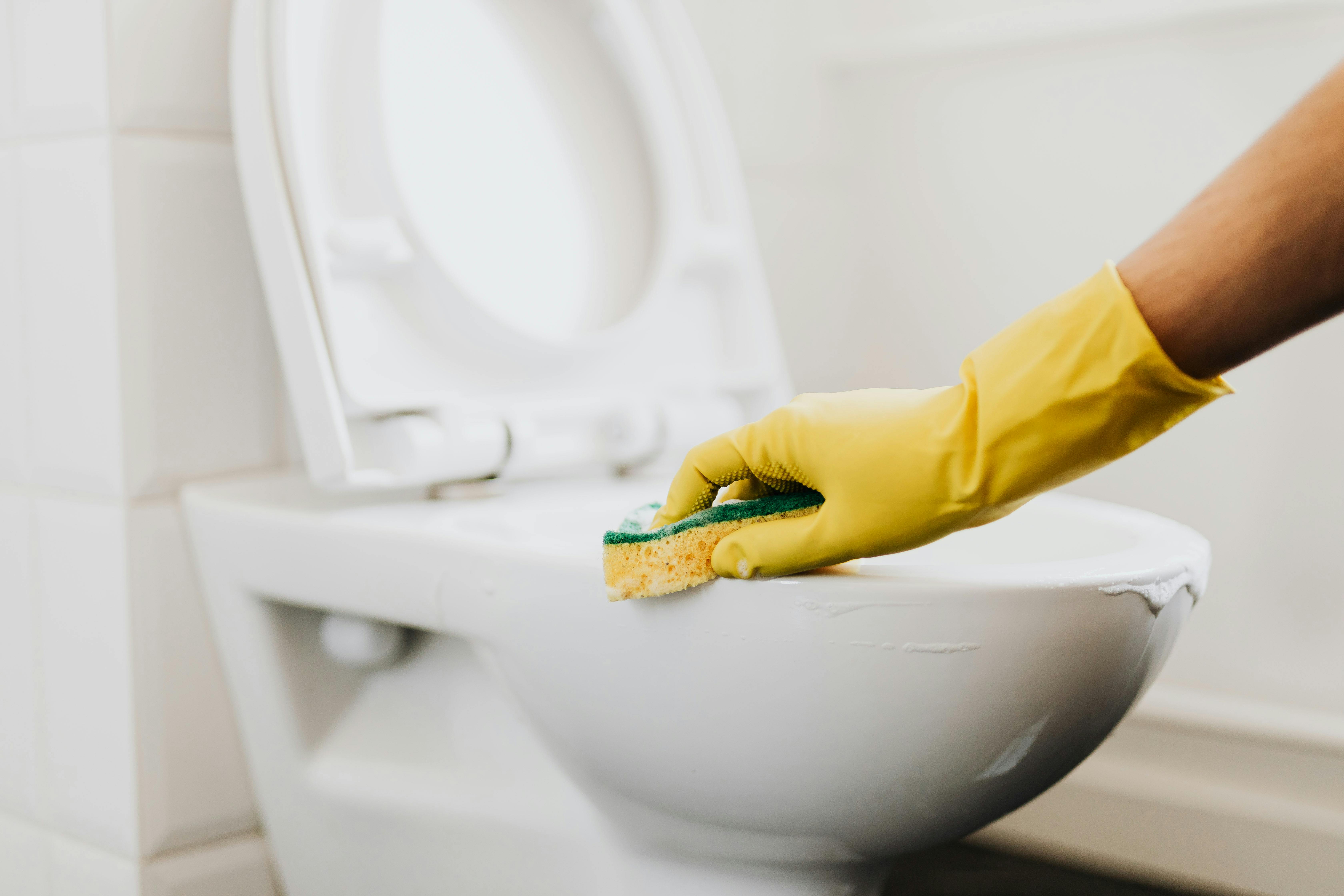
- Disinfect high-touch surfaces (bathroom fixtures, light switches, phones, remotes) with a bleach-based cleaner or an EPA-registered product effective against norovirus.
- Handle laundry carefully: Wear disposable gloves if possible, wash on hot with detergent, and avoid shaking soiled items.
- Keep sick family members home from school, daycare, and work for at least 24–48 hours after vomiting and fever stop.
Common obstacles: work, school, and “pushing through” illness
One of the toughest parts of norovirus season is that life doesn’t pause. Parents still have to work, kids have activities, and missing a shift or a test can feel impossible. Many people try to “power through” once the worst of the vomiting passes.
The hard truth is that going back too soon increases the chance you’ll spread the virus — even if you feel mostly okay. Remember, you’re usually most contagious in the first couple of days, but you may still shed virus for days after.
- If you can, stay home from work or school for at least 24–48 hours after vomiting and fever have stopped.
- Ask employers or schools about sick policies; many are more flexible during clear outbreak periods.
- If you must go out, prioritize handwashing, mask if you’re still coughing or queasy, and avoid preparing food for others.
It’s understandable to worry about responsibilities or income. When that’s your reality, focusing on what you can control — handwashing, bathroom hygiene, and not preparing food — still makes a meaningful difference.
Recovery: why diarrhea can last longer and how to support your gut
Many people are surprised — and worried — when the diarrhea and digestive upset from norovirus last longer than the vomiting. This doesn’t always mean something is seriously wrong. The virus can damage the lining of your intestines, and it takes time for that lining and your gut microbiome to bounce back.
Gentle gut-support strategies
- Continue staying hydrated, especially if stools are still loose.
- Gradually reintroduce a wider range of foods, watching what seems to trigger more cramping or urgency.
- Some people find that temporarily limiting dairy, caffeine, and very greasy foods helps.
- A healthcare professional may recommend specific probiotics or dietary adjustments, especially after repeated infections.
If diarrhea is still significant after about two weeks, or if you’re losing weight, feeling weak, or seeing blood in stool, it’s time to get evaluated. Occasionally, a different infection, food intolerance, or condition like irritable bowel syndrome can be unmasked after a severe stomach bug.

What experts and research say about managing norovirus seasons
Public health agencies consistently emphasize that norovirus is common but usually self-limited — meaning it resolves on its own in most healthy people. The largest risks are dehydration and spread to vulnerable groups like infants, older adults, and people with chronic illnesses.
Current expert guidance from sources like the CDC and the World Health Organization focuses on:
- Handwashing with soap and water as the single most important preventive step
- Rapid cleanup and disinfection after any vomiting or diarrhea incident
- Protecting high-risk individuals from exposure whenever possible
- Early medical attention when signs of dehydration appear
“For the vast majority of people, norovirus is miserable but temporary. The big wins come from simple, consistent actions — handwashing, sensible isolation, and prompt rehydration — rather than high-tech solutions.”
Moving forward: small steps that make this season easier
If it feels like everyone you know is getting this “nasty” winter stomach bug, you’re not alone — and you’re not powerless. Norovirus is incredibly contagious, but simple, realistic steps really do help: washing hands with soap, staying home when you’re actively sick, cleaning shared spaces, and staying ahead of dehydration.
You don’t need to live in fear of every stomach twinge. Instead, think in terms of preparedness:
- Keep oral rehydration packets and a few bland foods in your pantry.
- Have a designated “sick kit” with gloves, disinfectant, paper towels, and a small trash bag.
- Talk with your household about a plan for who uses which bathroom or bed if someone falls ill.
If you’re dealing with norovirus right now, be gentle with yourself. Rest, hydrate as best you can, and reach out for medical help if red-flag symptoms appear. This season will pass — and the habits you build now can make the next one less overwhelming.
Action step today: Take five minutes to check your home — do you have soap at every sink, a working thermometer, and at least one reliable disinfectant that’s effective against norovirus? If not, add them to your next shopping list so you’re ready before the next bug hits.
