
Inside N.J.’s New Luxury Surgical Center: Where High-End Hospitality Meets Advanced Care
A New Kind of Surgical Experience in New Jersey
In Bergen County, a new surgical facility from The Institute for Advanced Reconstruction and The Plastic Surgery Center is trying to rethink what a day-surgery experience can feel like. Instead of the stark, rushed atmosphere many people associate with outpatient surgery, this center promises “high-end hospitality” paired with advanced reconstructive and cosmetic procedures.
For patients, that blend of luxury and medicine can sound either reassuring or a little unsettling: Is it truly safer and more comfortable, or just marketing? Here, we’ll unpack what this kind of center typically offers, how it fits into New Jersey’s healthcare landscape, and what to ask if you’re considering surgery there.

What Problem Is This Surgical Center Trying to Solve?
Outpatient surgery—especially for reconstructive and cosmetic procedures—can be stressful. Common complaints include:
- Long wait times in crowded pre-op areas.
- Limited privacy before and after surgery.
- Feeling rushed when asking questions or voicing concerns.
- Basic recovery spaces that don’t feel restful.
The new northern New Jersey center is designed to address these issues by:
- Creating more private, comfortable spaces that resemble a boutique hotel.
- Offering concierge-style support around scheduling and logistics.
- Focusing on a relatively narrow range of procedures so teams can become highly specialized.
- Streamlining the day-of-surgery experience so patients spend less time waiting.
What “High-End Hospitality” Really Means in a Surgical Setting
While marketing language can be glossy, in practice these facilities tend to focus on four main elements: environment, staff attention, technology, and continuity of care.
1. Environment and Design
The Bergen County center is designed more like an upscale hotel than a traditional hospital ward. That may include:
- Warmer lighting and softer color palettes in waiting and recovery areas.
- Private or semi-private pre-op and post-op spaces.
- Comfortable seating for family members or support people.
- Quiet zones to minimize noise and interruptions during recovery.

2. Personalized, Concierge-Style Support
Many patients describe the logistics of surgery—paperwork, insurance, pre-op instructions—as more stressful than the procedure itself. Centers like this often assign a coordinator who:
- Walks you through pre-op testing and medical clearance.
- Explains what to expect on the day of surgery in plain language.
- Helps schedule follow-up visits with your surgeon.
- Acts as a single point of contact if questions come up later.
3. Advanced Technology and Focused Expertise
The facility brings together reconstructive and cosmetic surgeons from The Institute for Advanced Reconstruction and The Plastic Surgery Center. While their exact equipment list isn’t detailed publicly, centers like this typically emphasize:
- Modern operating rooms with advanced monitoring for anesthesia safety.
- Tools tailored for delicate reconstructive and microsurgical procedures.
- Protocols specifically designed for outpatient cosmetic and reconstructive care.
“Specialized ambulatory surgery centers can be very safe for carefully selected patients when they follow strict protocols and maintain hospital-level emergency preparedness.”
— American Society of Anesthesiologists, outpatient surgery guidance
4. Recovery and Follow-Up
Instead of a quick discharge from a crowded recovery bay, these centers often allow for:
- Longer monitored recovery time if medically needed.
- Quiet, private spaces for the first hours after anesthesia.
- Clear take-home instructions both verbal and written.
A Case-Style Example: From Consultation to Recovery
To make this more concrete, imagine a typical patient journey for someone undergoing reconstructive surgery after a skin cancer removal. This is a composite scenario, not one specific patient.
- Consultation: The patient meets a reconstructive surgeon at the Bergen County center. Together they review medical history, goals, and options, using photos and digital imaging to set realistic expectations.
- Pre-op planning: A coordinator helps schedule bloodwork and clearance with the patient’s primary doctor. Written instructions clarify when to stop certain medications and when to fast before surgery.
- Day of surgery: On arrival, the patient checks in at a small, hotel-like lobby rather than a large hospital admission desk. They are brought to a private pre-op room where both the anesthesiologist and surgeon answer last-minute questions.
- Procedure: The surgery itself takes place in a fully equipped operating room, similar in safety standards to an accredited hospital OR.
- Recovery: After surgery, the patient spends a few hours in a quieter, less clinical-feeling space while staff monitor vital signs and pain control.
- Discharge: Before going home, the patient and their support person review wound care, medications, and warning signs that would require a call or emergency care.
Patients often describe feeling more “cared for as an individual” in this type of environment, which can make it easier to ask questions and speak up about discomfort or fears.

What Does the Science Say About Ambulatory Surgical Centers?
Luxury touches aside, the core question is safety. Research on ambulatory surgical centers (ASCs) in the U.S. shows that, for appropriately selected patients and procedures, outcomes can be comparable to or in some cases better than traditional hospital settings, largely because of:
- Lower exposure to hospital-acquired infections.
- Highly standardized workflows for a narrower set of procedures.
- Specialized teams who perform similar surgeries frequently.
However, safety depends on strict adherence to guidelines from organizations such as:
- Centers for Medicare & Medicaid Services (CMS)
- The Joint Commission
- American Society of Anesthesiologists
“Outpatient surgery, when performed in accredited facilities with appropriate patient selection, is as safe as inpatient surgery and allows patients to recover in the comfort of their own homes.”
— Adapted from guidance by the American College of Surgeons
Questions to Ask Before Choosing a Luxury Surgical Center
If you’re considering this new Bergen County facility—or any similar center—use these questions as a checklist during your consultation:
1. Credentials and Accreditation
- Is the facility accredited by a recognized organization (e.g., Joint Commission, AAAASF, AAAHC)?
- Are all surgeons board-certified in their specialty (e.g., plastic surgery, reconstructive surgery)?
- Who provides anesthesia—board-certified anesthesiologists, certified registered nurse anesthetists, or both?
2. Safety and Emergency Preparedness
- What happens if there is a serious complication during surgery?
- Which nearby hospital is the facility affiliated with for emergency transfers?
- How often do transfers happen, and for what reasons?
3. Your Personal Risk Profile
- Do you have heart, lung, kidney, or bleeding disorders that might favor a hospital setting?
- What is the expected length of your procedure and anesthesia time?
- Will you need overnight monitoring, and if so, where?
4. Costs and Insurance
- Is the facility in-network with your insurance plan for reconstructive procedures?
- What is and is not included in the quoted price (anesthesia, facility fee, labs, follow-ups)?
- Are you paying more for “hospitality” features that may not matter to you personally?

Common Concerns and How to Navigate Them
Even with a beautiful facility and strong clinical teams, patients face real-world barriers. Here are a few common ones and practical ways to address them.
“Is this just cosmetic, or can I have reconstructive surgery here too?”
The Institute for Advanced Reconstruction and The Plastic Surgery Center both have strong reconstructive and cosmetic portfolios. Still, verify:
- Whether your specific condition (e.g., nerve reconstruction, post-cancer reconstruction) is routinely treated there.
- How often they perform your procedure each year.
“I’m worried I’ll be pressured into extra cosmetic procedures.”
A hospitality-driven environment can sometimes blur the line between medical necessity and optional enhancements. To protect yourself:
- Arrive with a clear, written list of your priorities.
- Ask the surgeon to separate medically necessary options from purely cosmetic ones on your treatment plan and cost estimate.
- Take time—at least a few days—before agreeing to add elective procedures.
“I’m not sure I can afford a place that looks this upscale.”
Luxury design does not automatically mean unaffordable care, especially for reconstructive procedures that may be covered by insurance. To stay on solid financial ground:
- Ask for a written, itemized estimate before scheduling.
- Confirm coverage and prior authorization with your insurer, particularly for reconstructive surgeries.
- Compare estimates with at least one other accredited facility.
Experience: Traditional Hospital vs. High-End Surgical Center
In terms of medical capability, hospitals and accredited surgical centers can both be excellent choices. The most noticeable differences are often experiential rather than clinical.
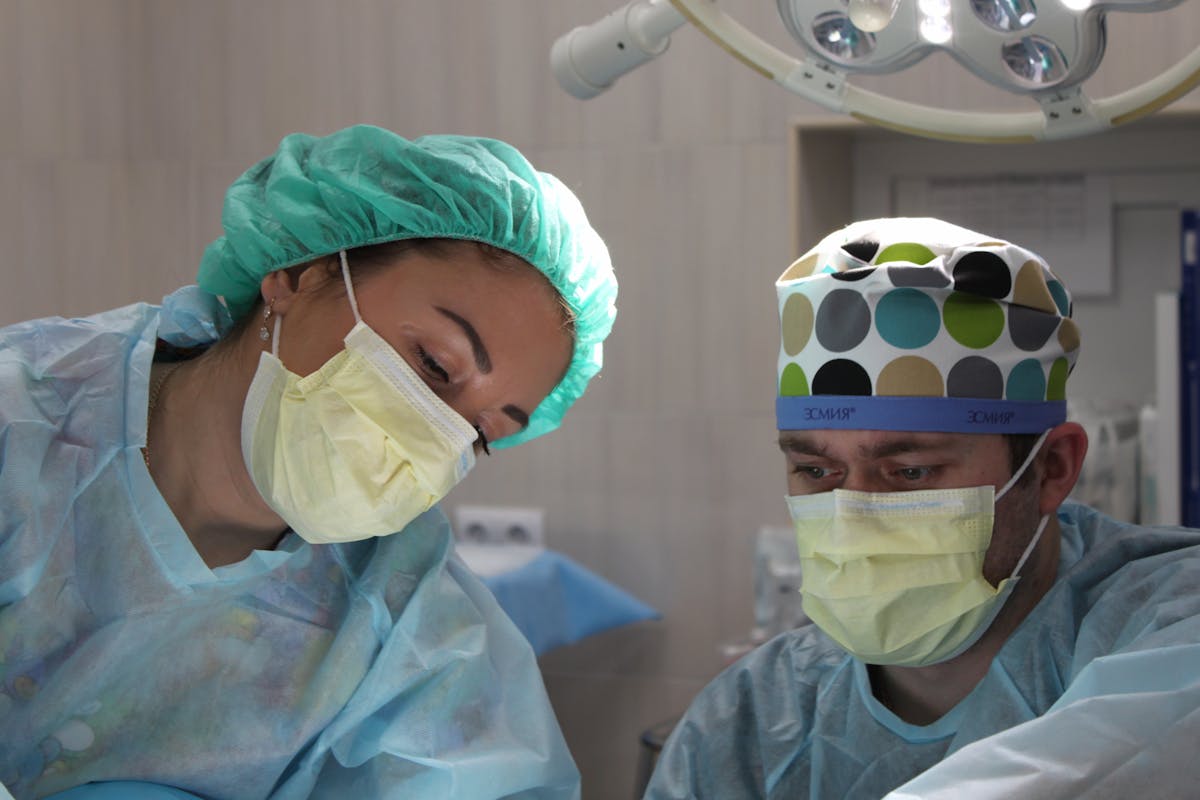

For some patients—especially those with complex medical histories—the full resources of a hospital are essential. For healthier individuals undergoing planned reconstructive or cosmetic procedures, an accredited high-end center may offer similar safety with a more comfortable, personalized experience.
Making the Choice That’s Right for You
The new Bergen County surgical center reflects a broader trend: healthcare spaces that borrow from the hospitality world to create calmer, more dignified experiences. For many patients, that can make a meaningful difference in how prepared, respected, and supported they feel before and after surgery.
At the same time, polished interiors should never distract from the fundamentals—board-certified surgeons, strong anesthesia teams, rigorous safety protocols, and transparent communication about risks and costs. When those pieces are in place, high-end hospitality can be a welcome bonus rather than a substitute for quality care.
If you’re considering this new northern New Jersey center or a similar facility:
- Bring a written list of questions about safety, credentials, and emergency plans.
- Ask your primary care physician or specialist whether an ambulatory center is appropriate for your health history.
- Compare your options, including at least one hospital-based surgeon, before deciding.
Your comfort matters—but your safety comes first. With the right information and a team that welcomes your questions, you can choose the setting that best supports both.
