
Why Ruben Amorim Is Holding Back Kobbie Mainoo — And What It Means for Manchester United’s Future
Ruben Amorim’s stance on Kobbie Mainoo has lit a fresh spark in the ongoing debate about Manchester United’s identity: are the Red Devils still a club built on youth, or are short‑term results overriding tradition? The United head coach has publicly defended his Premier League team selections, stressing that he sees 20‑year‑old Mainoo as direct competition for captain Bruno Fernandes — a player he has been unwilling to drop since the statement win at Liverpool on 19 October.
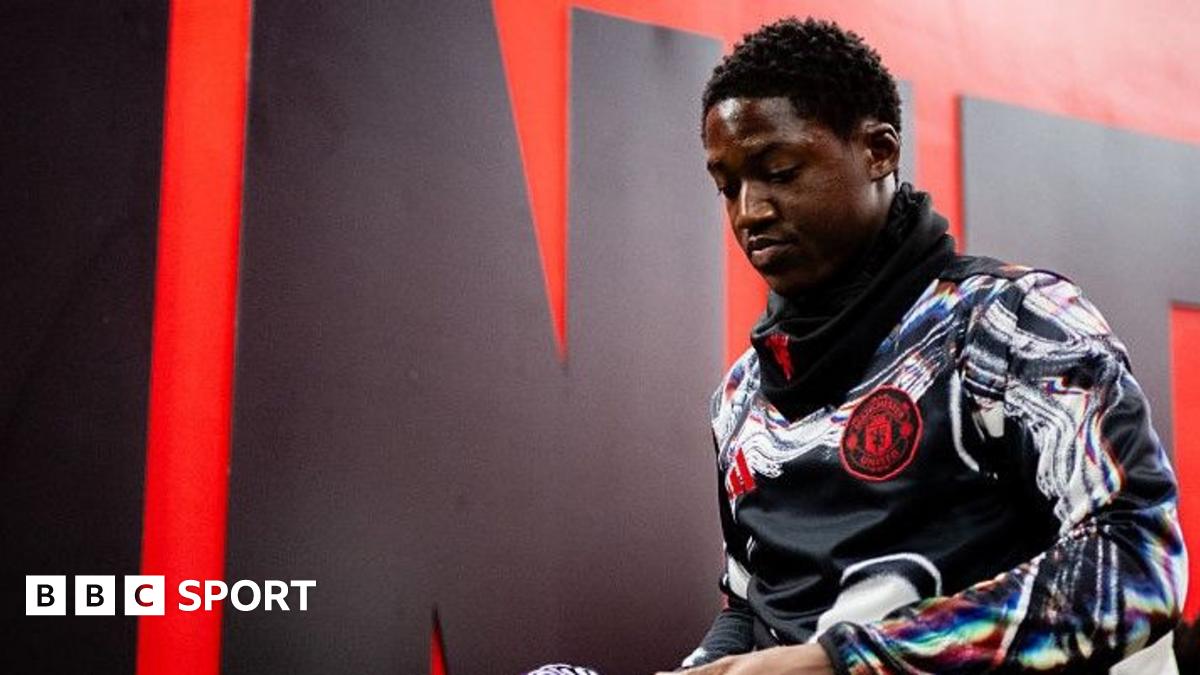
With no academy graduate starting a Premier League match under Amorim so far this season, every team sheet feels like a referendum on United’s famed youth pathway. Mainoo, once tipped to be the next cornerstone of the midfield, now finds his trajectory entwined with the manager’s tactical vision and his captain’s iron grip on the No.10 role.
Manchester United’s Youth Tradition Meets Amorim’s Pragmatism
Manchester United’s modern identity has been built on the belief that elite football and elite youth development go hand in hand. From the Busby Babes to the Class of ’92 and the long‑running streak of naming an academy graduate in every matchday squad, the club has rarely shied away from giving teenagers the stage.
This season under Amorim, that tradition has run into a hard, pragmatic edge. While academy players have featured in cups and off the bench, the Premier League XI has been a closed shop, dominated by senior internationals, marquee signings and, above all, Bruno Fernandes.
“We pick the team we believe is best to win each game. Kobbie is a top talent, but right now his position is occupied by our captain, who is crucial to how we play.” — Ruben Amorim
- Historic commitment to youth vs. present‑day pressure for results
- Academy minutes largely confined to domestic cups and late substitutions
- Growing fan scrutiny of the pathway for players like Mainoo
The Tactical Logjam: Kobbie Mainoo vs. Bruno Fernandes
Amorim has been clear: in his system, Mainoo is fighting Fernandes for a single advanced midfield berth. That framing is crucial. Rather than being rotated as a deeper No.8 or No.6, Mainoo is being judged as a potential replacement for United’s most influential creator and on‑field leader.

Since the victory at Anfield, Fernandes has started every league game, wearing the armband and carrying creative responsibility through the middle. Mainoo, by contrast, has had to make do with substitute appearances and cup starts, despite his promise as a ball‑carrying midfielder who can link play and press aggressively.
| Metric | Bruno Fernandes | Kobbie Mainoo |
|---|---|---|
| Minutes played | ~540 (last 6 PL games) | Limited (mainly sub & cup) |
| Primary role | Central attacking midfielder / No.10 | Advanced No.8 / No.10 option |
| Set‑piece duties | First choice (corners, free‑kicks) | Occasional, mainly in cups |
| On‑field status | Captain, guaranteed starter | Prospect, rotational option |
*Indicative snapshot based on matches since 19 October; for official, live statistics, see the Premier League stats hub.
Amorim’s Justification: Consistency, Leadership and Structure
From Amorim’s perspective, the calculation is straightforward: removing Fernandes from the Premier League XI risks destabilising United’s attacking structure and leadership core at a time when the team is still bedding in his ideas and fighting for Champions League qualification.

- Leadership on the pitch: Fernandes sets the press, demands intensity and is a direct extension of Amorim.
- Set‑piece and creativity burden: United still lean on his volume of chances created and dead‑ball quality.
- Tactical clarity: A settled spine helps embed a new coach’s ideas more quickly.
“People talk about the academy, and rightly so, but first we must build a strong, stable team. Then the young players can come in and shine without carrying all the pressure.” — Ruben Amorim
In other words, Amorim argues that protecting Mainoo now — by not throwing him into a high‑stakes role ahead of an established star — may actually benefit the youngster in the long run.
Kobbie Mainoo’s Perspective: Opportunity Delayed, Not Denied?
Mainoo’s situation is uniquely delicate. At 20, he is old enough to crave regular top‑flight football but young enough that United can plausibly argue patience. The midfielder’s technical ability, composure under pressure and progressive passing have already convinced many that he belongs at this level.

Behind the scenes, the feedback from Carrington has been positive: Mainoo trains with intensity, absorbs tactical instructions and has impressed senior teammates. Yet those endorsements have not translated into a Premier League start under Amorim, and that gap naturally fuels questions about his pathway.
- Age 20: entering a crucial phase of development
- Highly rated for vision, close control and press resistance
- Blocked in his preferred role by the club captain
- Potential interest from other clubs seeking a creative midfielder
Any discussion of Mainoo’s future also intersects with his international ambitions and the broader market. Regular Premier League starts would accelerate his growth; another season on the fringes could invite loan offers or difficult conversations next summer.
The Wider Debate: Is United’s Academy Being Underused?
Mainoo is the emblem of a larger argument: whether United are maximising the output of one of Europe’s most storied academies. With no academy player starting a Premier League match this season under Amorim, sceptics worry that a core part of the club’s DNA is being sidelined.
Critics point to the commercial and emotional value of homegrown stars, as well as the financial advantage of promoting from within. Supporters raised on Marcus Rashford’s explosive breakthrough or Alejandro Garnacho’s rise see Mainoo as the natural heir to that tradition.
“If a club like United isn’t giving minutes to players like Mainoo, you have to ask what the academy is for. Talent needs opportunity.” — Former Premier League midfielder turned pundit
Amorim counters that youth development is not a box‑ticking exercise. For him, the timing and the context matter as much as the player’s talent. Supporters, though, will want to see that philosophy result in more than just training‑ground plaudits and cup cameos.
Numbers Behind the Narrative: Minutes, Roles and Pathways
To understand the scale of the issue, it helps to look at the allocation of midfield minutes under Amorim since the Liverpool win. While exact numbers fluctuate with injuries and form, the pattern is clear: Fernandes dominates the central creative slot, with rotation concentrated in the deeper roles.

| Player | Role | Minute Share |
|---|---|---|
| Bruno Fernandes | Attacking mid / No.10 | ~90% |
| Senior CM options | No.6 / No.8 | Most remaining minutes |
| Kobbie Mainoo & other academy mids | Rotational / sub | Small share, often late in games |
For full, up‑to‑date data on Manchester United’s player usage, fans can consult the official Manchester United player page and comprehensive statistics sites such as FBref.
What Happens Next: Balancing Results, Identity and Mainoo’s Growth
The crossroads is clear. If Fernandes remains undroppable and Amorim sticks rigidly to a single‑No.10 system, Mainoo’s route into the Premier League XI will stay blocked. That could force creative solutions: a subtle tweak in shape, planned rotation in congested weeks, or more varied use of Mainoo as a hybrid No.8.

For Manchester United as an institution, the stakes go beyond one player. How Amorim handles Mainoo will be seen as a test case for whether the club can still integrate elite youngsters without sacrificing ambition in the Premier League.
- Will Amorim design specific game plans to start Mainoo in the league?
- Could fixture congestion force more rotation and open doors?
- How patient will Mainoo be if his role does not grow by season’s end?
The manager insists opportunity will come. The player believes he is ready now. Between them sits the relentless rhythm of the Premier League and a fanbase that expects both victories and visions of the future. The next few months will reveal whether Ruben Amorim can protect Manchester United’s results and its soul — and whether Kobbie Mainoo becomes a symbol of that balance or a warning of what happens when it is lost.
Related Resources and Official Links
For readers wanting to dive deeper into Manchester United’s season, player stats and youth development, these official and reputable resources are a strong starting point:
- Manchester United Official Website — news, match reports and academy updates
- Premier League: Manchester United Club Page — fixtures, table and official statistics
- Premier League Stats Centre — advanced metrics for players and teams across the league
