
Why Right-to-Repair Could End Disposable Tech Forever
As governments mandate spare parts and software support, reviewers score repairability alongside performance, and creators turn viral teardown videos into grassroots education, the old model of disposable electronics is starting to crack—raising big questions about business models, climate goals, cybersecurity, and how long our devices should really last.
The right-to-repair movement has rapidly evolved from a niche cause championed by tinkerers and environmental activists into a mainstream technology story. Around the world, legislators, regulators, and courts are forcing electronics manufacturers to make their products more repairable and transparent, while consumers increasingly expect devices to last longer and be fixable at reasonable cost.
This article explores how right-to-repair is transforming device longevity, what new laws and policies are in force, how manufacturers and reviewers are adapting, and whether we are truly approaching the end of disposable gadgets.
Mission Overview: What Right-to-Repair Really Wants
At its core, right-to-repair is about restoring balance between end users, independent repairers, and manufacturers. Advocates argue that if you buy a device, you should be allowed to:
- Access necessary documentation, schematics, and diagnostic tools
- Buy genuine or equivalent spare parts at fair prices
- Install and replace components without software-based blocking
- Receive security and feature updates for a minimum, clearly stated period
“If you can’t fix it, you don’t really own it.” — Kyle Wiens, co-founder of iFixit and prominent right-to-repair advocate
The “mission” is not simply to enable hobbyists to repair gadgets for fun. It is to embed repairability and longevity into the economic, regulatory, and cultural fabric of consumer technology, so that throwing away a mostly functional device becomes the rare exception rather than the norm.
Technology: Design, Modularity, and the Engineering Trade-offs
Modern devices are technological marvels, but their thinness and integration often come at the cost of repairability. Engineers, repair professionals, and hardware enthusiasts regularly debate these trade-offs on platforms like Hacker News, Reddit, and specialized forums.
From Screws to Glue: Design Trends That Hurt Repairability
Several common design decisions directly affect how easy a device is to service:
- Glued-in batteries instead of screwed or clipped ones increase water resistance but make replacements difficult and hazardous.
- Paired or “serialized” components such as screens and cameras require manufacturer software to “authorize” the new part.
- Proprietary fasteners and non-standard tools discourage DIY work and independent shops.
- Highly integrated mainboards combine CPU, storage, RAM, and controllers, so a single failure can scrap the entire device.
Modular and Repair-Centric Approaches
In response, a parallel design philosophy has emerged that treats repair as a primary requirement rather than an afterthought. Key examples include:
- Modular laptops with socketed components and easy-to-open cases (e.g., Framework-style architectures).
- Standardized screws and pull-tabs for batteries and storage in some newer smartphones and tablets.
- Software support commitments of 5–7 years or more for operating system and security updates.
- Cloud-based diagnostics that independent repair shops can access through official programs.

“You can’t have infinite thinness, maximum performance, and perfect repairability all at once—hardware is about choosing priorities.” — Paraphrased from design engineers interviewed by IEEE Spectrum
The emerging consensus among many engineers is that partial modularity—easy battery and storage replacement, standardized screws, and accessible displays—offers a pragmatic sweet spot between sleek design and serviceability.
Scientific Significance: E-Waste, Climate, and the Circular Economy
The right-to-repair debate is tightly intertwined with environmental science and sustainability research. E-waste is one of the fastest-growing waste streams globally, and the resource intensity of electronics production is substantial.
Environmental Impact of Short-Lived Devices
Life-cycle assessments (LCAs) consistently show that:
- The majority of a smartphone’s lifetime carbon footprint comes from manufacturing, not daily use.
- Extending device life by just 1–2 years can significantly lower total emissions per user.
- Mining and refining rare earths, cobalt, and other materials carry high ecological and social costs.
“The most effective way to reduce the environmental impacts of electronics is to use them longer.” — Summary of multiple studies cited by the OECD on e-waste and resource efficiency
Right-to-Repair in Climate and Policy Frameworks
Policymakers and researchers now treat repairability as a lever within broader climate and circular-economy strategies:
- European Union initiatives link repairability scores and spare-parts requirements to eco-design directives.
- UN and OECD reports emphasize reuse, refurbishment, and repair as criteria in sustainable electronics policies.
- National right-to-repair laws often reference e-waste reduction goals alongside consumer rights.
Wired, The Next Web, and other outlets consistently highlight that right-to-repair is one of the rare climate-aligned policies that can save consumers money, strengthen local repair jobs, and reduce waste simultaneously.
Milestones: Laws, Policies, and Market Shifts
Since the early 2020s, the legal and market landscape has changed quickly. By late 2025, many regions have either enacted or are actively debating comprehensive right-to-repair frameworks.
Key Legislative and Regulatory Developments
While exact details vary by jurisdiction, several themes are common:
- Mandatory spare parts availability for several years after product launch, often 5–10 years for major categories.
- Public “repairability indexes” or labels indicating how easy a device is to service.
- Software obligations such as minimum security-update periods and an end to unjustified software locks.
- Restrictions on anti-repair practices such as serial-number locking or bricking devices after third-party repair.
Tech media like Ars Technica, The Verge, Wired, TechCrunch, and Recode routinely analyze how these rules pressure business models based on short upgrade cycles and controlled service networks.
Manufacturer Responses
Manufacturers have adopted diverse strategies, ranging from constructive engagement to quiet resistance:
- Official self-repair programs that provide genuine parts, tools, and manuals to consumers and independent shops.
- Partnerships with repair platforms and community repair sites to distribute spare parts and instructions.
- Lobbying for exemptions on grounds of safety, security, or intellectual property.
- Design adjustments that modestly improve repairability without radically changing form factors.
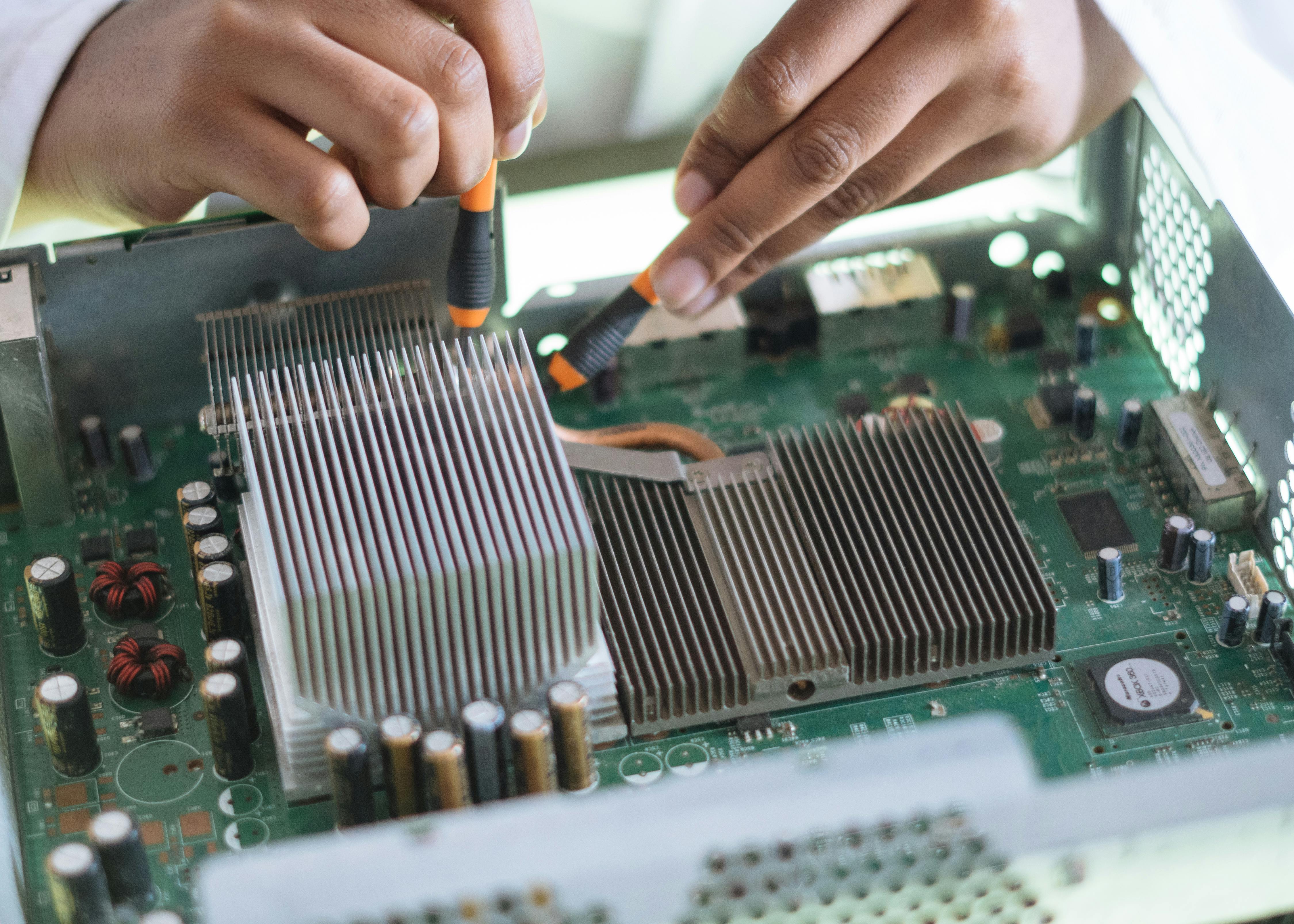
TechRadar, Engadget, and other reviewers increasingly incorporate repairability scores, spare-parts pricing, and software support duration into their buying guides. This shift directly influences consumer decisions and nudges manufacturers toward more repair-friendly designs.
Cybersecurity and Software Longevity
Physical repair is only half the story. Without long-term software support, otherwise functional devices can become unsafe to use due to unpatched vulnerabilities. Ars Technica and security researchers have documented how unsupported smartphones, routers, and smart-home products pose real risks.
Security Risks of Short Support Windows
The core security problem is simple:
- Vulnerabilities accumulate as software ages.
- When updates stop, exposures remain indefinitely exploitable.
- Consumers must choose between using insecure hardware or discarding a working device.
“Secure, long-lived devices require both fixable hardware and maintainable software.” — Paraphrased from Electronic Frontier Foundation commentary on repair and security
Minimum Support Guarantees as a Right-to-Repair Pillar
Contemporary right-to-repair frameworks often push for:
- Declared software end-of-life dates at purchase time.
- Guaranteed security updates for a minimum duration, especially for phones, laptops, and networked devices.
- Access to firmware, drivers, and documentation so community projects can maintain older hardware when vendors no longer do.
This “software stewardship” concept reframes right-to-repair as not only a consumer and environmental issue, but also a cybersecurity and digital-resilience imperative.
Media, Social Networks, and Cultural Shift
The cultural perception of electronics is changing—from fast-fashion accessories to durable tools that should last. Media coverage and social platforms play a central role in this shift.
Tech Media as Repair Watchdogs
Major outlets like Wired, Ars Technica, The Verge, TechCrunch, Recode, TechRadar, and Engadget now:
- Report on new right-to-repair laws and court battles.
- Critique anti-repair tactics such as part pairing and glue-heavy designs.
- Score devices based on repairability and long-term value, not just specs and camera quality.
Social Media and DIY Repair Education
On TikTok, YouTube, and Instagram, creators post teardown videos, component-level repairs, and tutorials that demystify electronics. Channels focused on refurbishment and e-waste, often cited by BuzzSumo analytics, attract large audiences.
- Viral clips show “dead” phones and laptops restored with relatively simple repairs.
- Viewers learn basics such as replacing batteries, screens, RAM, or SSDs.
- Repair challenges highlight the absurdity of throwing away devices over minor faults.
“When people see a 60‑second video of a ‘bricked’ phone coming back to life, it permanently changes how they think about e‑waste.” — Common sentiment among repair YouTubers and TikTok educators
These narratives reinforce the idea that repair is normal, empowering, and often cost-effective—countering years of messaging that new is always better.
Practical Tools for Extending Device Longevity
For individual users, the question is concrete: what can you do today to keep devices out of landfills longer? Beyond policy debates, there are simple strategies and tools that measurably extend usable life.
Simple Upgrades That Make a Big Difference
For laptops and desktops, a few upgrades often deliver “new machine” performance:
- Replace hard drives with SSDs to dramatically speed up older systems.
- Add more RAM if your system supports it, to improve multitasking.
- Install a fresh OS or clean up bloatware to reduce software drag.
High-quality tools and parts help ensure safe, successful repairs. Examples include:
- Precision electronics toolkits, such as the iFixit Pro Tech Toolkit , designed specifically for phones, laptops, and game consoles.
- High-quality replacement batteries from reputable vendors, matched carefully to your exact model.
- External SSDs for backing up and offloading data, reducing stress on internal storage.
Choosing Long-Lived Devices at Purchase Time
Before buying new hardware, consider:
- Repairability scores and teardown reports from sources like iFixit and major tech reviewers.
- Declared software support windows for updates and security patches.
- Availability and cost of common spare parts such as screens and batteries.
- Modularity—can you upgrade storage or RAM later?
By treating repairability as a core buying criterion, consumers reward manufacturers that design for longevity and pressure others to follow.
Challenges: Technical, Economic, and Legal Hurdles
Despite progress, the path to a fully repairable tech ecosystem is far from straightforward. Engineers, policymakers, and advocates face several intertwined challenges.
Engineering Constraints
Modern devices push the limits of:
- Miniaturization: tightly packed components leave little room for modular connectors.
- Thermal management: structural elements double as heat spreaders, complicating disassembly.
- Water and dust resistance: seals and adhesives improve durability but can hinder repair.
Designing for both high performance and high repairability requires deliberate trade-offs and, often, new mechanical and materials innovations.
Business Model Frictions
Many technology companies rely on:
- Rapid upgrade cycles to maintain revenue growth.
- Proprietary service networks to capture post-sale repair and parts margins.
- Design differentiation that may conflict with standardized, modular components.
Analysts in outlets like Harvard Business Review and TechCrunch frequently note that “repair disrupts revenue models built on constant replacement,” compelling firms to explore service-based or subscription alternatives.
Legal and Intellectual-Property Concerns
Manufacturers sometimes argue that giving out detailed schematics, firmware access, or diagnostic tools:
- Risks exposing trade secrets.
- May enable counterfeiting or malicious modifications.
- Could create liability if third-party repairs lead to failures or accidents.
Right-to-repair legislation increasingly attempts to thread this needle—mandating sufficient access for legitimate repair and maintenance while allowing narrowly defined protections for genuine safety and security concerns.
Future Milestones: Toward the End of Disposable Gadgets?
Are we actually heading toward the end of disposable electronics, or will incremental reforms fall short? The answer depends on how several emerging trends play out over the next decade.
Potential Turning Points
Key developments that could accelerate the transition include:
- Global harmonization of right-to-repair laws, creating uniform expectations for manufacturers.
- Standardized modular platforms for certain device categories, reducing design and manufacturing overhead.
- Growing second-hand and refurbishment markets supported by certified repair networks.
- Integration of repair metrics into ESG (environmental, social, governance) reporting and procurement standards.
What “Non-Disposable” Might Look Like
In a mature repair-centric ecosystem, consumer technology could shift toward:
- 10+ year lifespans for many devices, with periodic component upgrades.
- Service and subscription models that prioritize maintenance, not replacement.
- Design languages that celebrate visible fasteners and modularity instead of hiding them.
- Community and local repair hubs as common as phone stores and coffee shops today.

Whether or not fully “non-disposable” electronics become the norm, the current right-to-repair wave has already shifted expectations: buyers now ask how long devices will last and what it will cost to fix them, not just how impressive the launch specs look.
Conclusion: Ownership, Responsibility, and the New Tech Ethic
Right-to-repair is ultimately about redefining ownership and responsibility in the digital age. When users can repair and maintain their devices, they gain agency, save money, and reduce environmental harm. When manufacturers support that agency with better design, documentation, and long-term software support, they contribute to a more sustainable and resilient technology ecosystem.
The convergence of legislation, consumer expectations, media scrutiny, and social-media-fueled repair culture has made repairability a competitive differentiator. Companies that embrace this shift early are likely to earn trust and loyalty, while those that resist may find themselves increasingly out of step with users and regulators alike.
Disposable gadgets may not vanish overnight, but the momentum behind repair and longevity suggests that the era of opaque, unfixable devices is giving way to a new ethic: technology you can understand, maintain, and keep in service far longer than a single upgrade cycle.
Additional Resources and Next Steps for Curious Readers
To dive deeper into right-to-repair, device longevity, and sustainable electronics, explore:
- iFixit’s Right-to-Repair hub for legislation trackers, guides, and teardown scores.
- The Repair Association for policy updates and advocacy materials.
- YouTube repair and teardown channels that showcase real-world fixes and techniques.
- OECD resources on e-waste and circular economy for scientific and policy perspectives.
As a practical next step, consider auditing your own devices: identify which ones can be upgraded or repaired, back up critical data, and plan simple interventions like battery replacements or SSD upgrades before performance or security becomes a crisis. Every successful repair is a small but tangible step toward a less disposable tech future.
References / Sources
Further reading and sources referenced or aligned with topics in this article:
- Wired – Coverage on right-to-repair and sustainability: https://www.wired.com/tag/right-to-repair/
- Ars Technica – Right-to-repair and security analysis: https://arstechnica.com/tag/right-to-repair/
- The Verge – Ongoing right-to-repair reporting: https://www.theverge.com/right-to-repair
- iFixit – Teardowns and repairability scores: https://www.ifixit.com
- OECD – E-waste and circular economy resources: https://www.oecd.org/environment/waste/electrical-electronic-equipment.htm
- Electronic Frontier Foundation – Right-to-repair and security: https://www.eff.org/issues/right-to-repair
