
Why Right-to-Repair and USB‑C Rules Are Forcing Big Tech to Rethink Every Gadget
Around the world, legislators are increasingly willing to tell Big Tech how to build, connect, and update its products. Right-to-repair statutes now require access to spare parts and manuals; the EU’s USB‑C mandate has already pushed Apple to abandon Lightning; and comprehensive AI and app store rules are forcing platform operators to open up, document, and sometimes redesign their systems. This article unpacks how these policies fit together, what they mean for device design and business models, and how they will change everyday technology over the next decade.

Mission Overview: A New Social Contract for Technology
The emerging regulatory wave is fundamentally about rebalancing power among three groups:
- Consumers, who want devices that last longer, are easier to repair, and do not lock them into a single ecosystem.
- Governments and regulators, who seek to reduce e‑waste, curb monopolistic behavior, and make AI safer and more transparent.
- Technology companies, who must protect security, manage costs, and preserve room for innovation while complying with new rules.
This story sits at the crossroads of engineering, environmental policy, antitrust law, and digital rights. Outlets like Ars Technica, Wired, The Verge, and TechCrunch chronicle each enforcement step because the consequences touch nearly every gadget and online service.
“We’re witnessing the most significant shift in the balance of power between electronics manufacturers and their customers since the dawn of the smartphone.”
— Kyle Wiens, co‑founder of iFixit
Right-to-Repair: From Fringe Cause to Global Policy
The right-to-repair movement began as a niche campaign led by farmers, independent phone fixers, and sustainability advocates. By the mid‑2020s it had become a mainstream policy agenda in the EU, several U.S. states, and countries including the UK, Canada, and Australia.
Key Legal Requirements Emerging Worldwide
- Access to spare parts and tools: Manufacturers must sell genuine spare parts and provide specialized tools to consumers and third‑party repair shops, often for a minimum period (e.g., 7–10 years for some appliances in the EU).
- Repair documentation: Service manuals, schematics, and step‑by‑step repair guides must be made available, sometimes in machine‑readable formats.
- Software and firmware access: Where repair requires firmware re‑flashing, calibration, or parts pairing, companies may have to provide software tools or unlock codes, subject to safety and security safeguards.
- Repairability scores: The EU and some national regulators are rolling out public “repairability index” scores that rate how easy products are to fix and upgrade.
Tech media now routinely discusses repairability alongside battery life or camera quality. For example, reviewers at TechRadar and Engadget increasingly cite iFixit teardown and repairability scores in their coverage of new hardware.
Industry Responses: Compliance, Lobbying, and Design Shifts
Major firms like Apple, Samsung, and leading PC OEMs have adopted a mix of strategies:
- Self‑service repair programs: Apple’s Self Service Repair and similar programs from other vendors allow consumers to rent tools and buy official parts—but often at higher complexity or cost than advocates hoped.
- Lobbying to narrow scope: Industry groups argue that unrestricted access to tools and diagnostics could create security vulnerabilities or enable fraud (e.g., odometer tampering in cars, device cloning).
- Modular and repair‑friendly designs: Companies like Fairphone and Framework have shown that modular phones and laptops can be commercially viable, influencing mainstream OEMs to at least partly decouple critical components like storage and wireless modules.
“Right-to-repair is not just about fixing broken screens—it’s about giving people real ownership over the technology they buy.”
— As summarized in coverage by Wired
Practical Impact on Consumers
For users, the benefits can be concrete:
- Lower lifetime costs, because common failures (batteries, ports, displays) are cheaper to fix.
- Longer device lifespans, reducing e‑waste and the environmental impact of frequent upgrades.
- More competition in repair services, giving people alternatives to authorized service centers with long wait times or premium pricing.
USB‑C Standardization: One Port to Rule Them All?
The EU’s common charger legislation, which requires many small electronic devices to adopt USB‑C, is one of the most visible examples of regulators mandating a technical standard. It has already pressured Apple to ship USB‑C iPhones and AirPods in Europe and, in practice, globally.
Policy Objectives Behind USB‑C Mandates
- Reducing e‑waste: Fewer incompatible cables and chargers tossed when users switch brands or upgrade devices.
- Improving user convenience: One cable to charge laptops, phones, headphones, and accessories—at least in theory.
- Preventing proprietary lock‑in: Avoiding situations where cable or accessory ecosystems become de facto walled gardens.
Analysts at The Next Web and Ars Technica have emphasized that the main driver is environmental: the EU estimates hundreds of thousands of tons of e‑waste could be avoided over the coming decade.
Risks of “Freezing” Innovation
Critics worry that standardization might:
- Slow port innovation if future connectors dramatically outperform USB‑C but cannot be widely deployed due to legal constraints.
- Complicate niche designs such as ultra‑thin wearables or specialized industrial devices where USB‑C is physically large.
- Increase short‑term costs for manufacturers forced to rework product lines and accessory ecosystems.
Regulators have tried to mitigate these concerns by:
- Limiting the mandate to categories where USB‑C is technically reasonable.
- Allowing updates to the law as standards evolve.
- Encouraging wireless charging standards (like Qi) to complement the physical connector requirement.
AI and App Store Regulations: Re‑Opening the Platforms
In parallel with hardware rules, digital market and AI frameworks are redefining how platforms operate. The EU’s Digital Markets Act (DMA), Digital Services Act (DSA), and AI Act exemplify this trend and influence policy debates in the U.S., UK, and elsewhere.

App Store and Platform Rules
The DMA targets so‑called “gatekeeper” platforms—large app stores, messaging platforms, and operating systems that control access to millions of users. Key obligations include:
- Allowing alternative app stores or sideloading on mobile platforms in some jurisdictions.
- Permitting alternative payment methods so developers are not forced into a single in‑app purchase system.
- Interoperability requirements for core services (e.g., messaging or social networking) to reduce lock‑in.
Coverage in The Verge and Reuters Technology highlights how Apple, Google, and others are testing region‑specific app store rule changes—sometimes adding new fees or compliance steps even as they open up app installation routes.
The AI Act and Global AI Governance
The EU AI Act, one of the first comprehensive AI regulatory frameworks, classifies AI systems into risk tiers and imposes different requirements:
- Unacceptable risk: Certain real‑time biometric systems and manipulative applications may be banned outright.
- High‑risk systems: AI used in critical infrastructure, hiring, credit scoring, or law enforcement faces strict rules on data quality, monitoring, documentation, and human oversight.
- General‑purpose and generative AI: Large language models and foundation models must provide technical documentation, risk assessments, and, in some cases, summaries of training data sources.
Journalists at Politico Europe and Recode (Vox) note that the EU’s approach is already influencing draft rules in other regions, as governments look for templates on how to govern foundation models without stifling innovation.
“We’re moving from a world where AI systems could be deployed with almost no scrutiny to one where documentation and oversight are table stakes.”
— Paraphrased from commentary by AI policy researchers on LinkedIn
Transparency and User Rights
Many new AI rules share common requirements:
- Disclosure when users are interacting with AI rather than a human.
- Explanations or meaningful information about how an automated decision was reached, especially in credit, employment, or legal contexts.
- Documentation of training data, limitations, and known failure modes for models deployed at scale.
For product teams, this shifts AI work from “just ship the model” to a regulated lifecycle involving risk assessments, monitoring, and sometimes external audits.
Technology Under the Regulations: Design, Diagnostics, and Data
Regulations do not just change legal terms; they alter engineering practice. To comply, companies are modifying hardware architectures, firmware, and backend services.
Hardware and Firmware: Designing for Repair and Standardization
- Modular components: Removable batteries, standardized screws, and socketed storage or memory in laptops make it easier to achieve good repairability scores.
- Secure but open diagnostics: Manufacturers are developing diagnostic tools that authenticate legitimate devices and parts while providing independent shops with enough visibility to troubleshoot failures.
- USB‑C power profiles: Engineers must ensure safe handling of high‑wattage USB‑C charging (e.g., up to 240 W USB PD 3.1), which demands robust power management ICs and thermal design.
Software and Data: Complying with AI and Platform Rules
On the software side, many of the new obligations affect data pipelines and system architecture:
- Logging and provenance to trace how models were trained and which datasets were used.
- Model cards and datasheets, such as those advocated in research from “Model Cards for Model Reporting”, turned into regulatory requirements.
- APIs for data access and portability, allowing users to move data between services as mandated by DMA‑like rules.
Many organizations now treat compliance features—like audit logs, explainability mechanisms, and permissioned diagnostics—as first‑class technical requirements rather than afterthoughts.
Scientific and Societal Significance
The regulatory wave has implications far beyond consumer convenience. It touches climate science, competition economics, human‑computer interaction, and AI safety research.
Environmental Impact and Lifecycle Assessment
Environmental scientists use lifecycle assessment (LCA) to estimate the total footprint of a device—from raw material extraction to manufacturing, use, and disposal. Policies that promote repair and standardization:
- Reduce embodied carbon by extending hardware lifetimes and slowing the replacement cycle.
- Encourage modular upgrades (e.g., swapping a battery or storage module) instead of full device replacement.
- Support circular economy models like refurbishment and certified pre‑owned programs.
Human–Computer Interaction and Autonomy
From an HCI perspective, right‑to‑repair and AI transparency rules enhance user autonomy:
- Users gain control over maintenance, not just usage.
- Clearer disclosures about AI decision‑making help people build appropriate trust—neither blind faith nor blanket rejection.
- Data portability and interoperability expand freedom of choice among platforms.
“Digital rights are increasingly material rights—the right to open, repair, and repurpose the devices that mediate our everyday lives.”
— A recurring theme in digital rights scholarship
Milestones in the Global Tech Regulation Wave
The shift from voluntary guidelines to binding law happened through a series of high‑profile milestones, many of which received in‑depth coverage by tech journalism outlets.
Notable Policy and Industry Events
- Early 2020s: Multiple EU “ecodesign” regulations introduce repairability scores and spare‑part requirements for appliances and, later, consumer electronics.
- USB‑C Mandate Adoption: EU lawmakers formally adopt the common charger rules, with a phased timeline for smartphones, tablets, and laptops.
- First Big Tech self‑service repair programs: Apple, Samsung, and others roll out repair portals, tools, and parts sales.
- DMA and DSA enforcement kicks in: App store changes, interoperability efforts, and content‑moderation transparency reports begin to roll out in Europe.
- AI Act political agreement: EU institutions reach a deal on the AI Act’s final shape, setting a precedent watched globally.
Each step has triggered follow‑on debates in other regions, including proposed federal right‑to‑repair laws in the U.S. and AI rulemaking conversations with organizations like the OECD AI Policy Observatory.

Challenges and Trade‑Offs
The new rules are not cost‑free. They raise legitimate engineering, security, and economic concerns that must be managed carefully.
Security vs. Openness
Granting wider access to diagnostic ports, firmware flashing tools, or model internals can create attack surfaces:
- Malicious actors might use genuine tools for device cloning or to bypass theft protections.
- Exposed diagnostic interfaces could leak sensitive telemetry if not properly authenticated and encrypted.
- Detailed AI documentation might aid model stealing or targeted adversarial attacks.
Security researchers advocate for “secure repair” architectures—cryptographically authenticated tools, role‑based access control, and telemetry that can detect anomalous repair activity.
Compliance Burden for Smaller Developers
Requirements like risk assessments, data‑protection impact assessments, and AI documentation are easier for large firms with in‑house legal and policy teams than for small studios or startups. This raises the risk that:
- Compliance becomes a barrier to entry for new players.
- Smaller teams avoid certain features (e.g., high‑risk AI) to escape regulatory overhead, potentially slowing beneficial innovation.
Some regulators include proportionality and sandbox provisions to let innovators experiment under supervision—an area that policy analysts expect to evolve rapidly through 2025 and beyond.
Global Fragmentation
With different regions introducing their own frameworks, multinational companies face a patchwork of rules:
- One set of app store policies in the EU, another in the U.S., and yet others in the UK or India.
- Varying definitions of “high‑risk” AI systems.
- Differing right‑to‑repair scopes, especially for medical and automotive equipment.
This fragmentation raises costs and complexity. It may also encourage “compliance by design,” where companies implement the strictest common denominator globally to avoid region‑specific forks.
Practical Implications for Consumers and Professionals
While much of the discussion centers on lawmakers and tech giants, the effects are tangible for everyday users, IT managers, and repair professionals.
Choosing Devices with Longevity in Mind
When buying new hardware, especially laptops and phones, consumers can:
- Check repairability ratings (e.g., from iFixit or EU labels).
- Prefer devices with USB‑C charging and clearly documented spare‑part availability.
- Look for brands with published support timelines for security updates.
For example, modular laptops like the Framework 13.5" modular laptop (Intel Core configuration) have attracted attention for making storage, RAM, ports, and even mainboards user‑replaceable.
Empowering Independent Repair
Independent shops and technically inclined users can leverage:
- Official parts and manuals now made available under right‑to‑repair statutes.
- Community resources like the iFixit YouTube channel for teardown and repair tutorials.
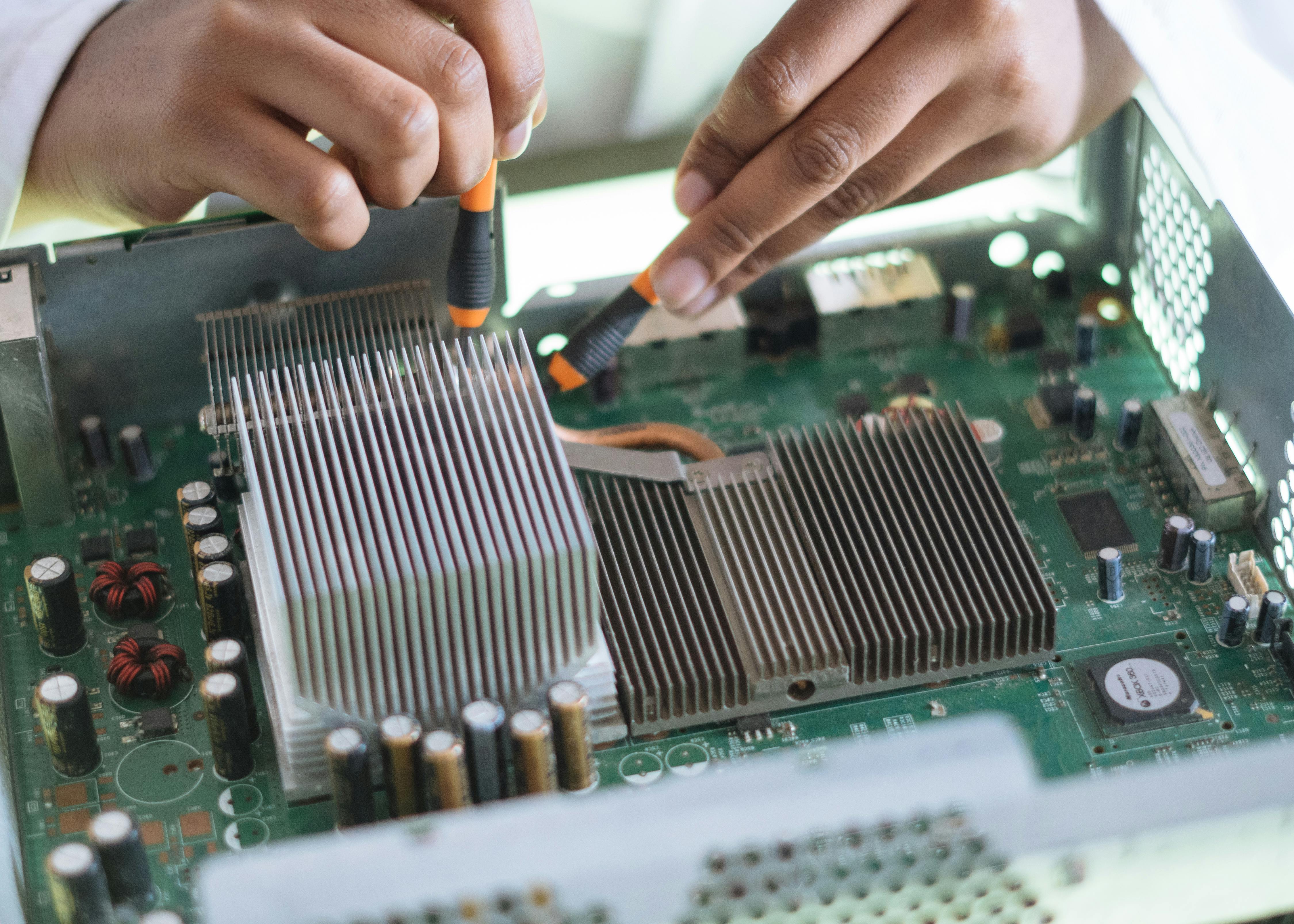
- Toolkits engineered for delicate electronics repair, such as the iFixit Pro Tech Toolkit , which combines precision bits, spudgers, and ESD‑safe tools designed for modern devices.
What IT and Compliance Teams Should Watch
Organizations deploying fleets of devices and AI systems should:
- Maintain an inventory of supported hardware with known repairability and support windows.
- Track regional app store and sideloading rules that might affect managed mobile devices.
- Develop internal processes for AI model documentation, risk classification, and user‑facing disclosures.
Media Coverage and Social Media Dynamics
The interplay between investigative tech journalism and social media activism has been crucial in building and sustaining momentum for these policies.
Role of Tech Journalism
Outlets like Ars Technica, Wired, The Verge, TechRadar, and Engadget provide:
- Deep technical breakdowns of device teardowns, connector standards, and AI system behavior.
- Policy explainers that decode complex legislation like the DMA or AI Act for a broad audience.
- Accountability reporting when companies implement compliance in ways that undercut the intent of the law.
Social Media as an Advocacy and Feedback Loop
Platforms like YouTube, TikTok, and X (Twitter) serve as:
- Amplifiers for repair success stories and teardown videos that visually demonstrate how fixable (or not) a device really is.
- Real‑time feedback channels where developers and users share experiences with new app store rules or AI disclosure prompts.
- Organizing spaces for campaigns that pressure companies and lawmakers to go further on repair or AI transparency.
Conclusion: Preparing for a Regulated Tech Future
Right‑to‑repair laws, USB‑C mandates, and comprehensive AI and platform regulations are not isolated phenomena. Together, they signal a lasting shift toward more accountable, sustainable, and user‑centric technology.
Over the next few years, consumers can expect:
- Devices that are more standardized and repairable, with clearer information about how long they will be supported.
- App ecosystems that are somewhat more open and competitive, though still complex to navigate.
- AI systems that increasingly come with disclosures, documentation, and avenues for redress when things go wrong.
For engineers, product managers, and policymakers, the challenge will be to ensure that regulation enhances trust and sustainability without freezing innovation. For users, the opportunity is to use these new rights—repair choices, data portability, transparency—to demand better devices and more responsible services.
Additional Resources and Next Steps
To dive deeper into the evolving landscape of right‑to‑repair, USB‑C mandates, and AI regulation, consider exploring:
- iFixit’s Right‑to‑Repair hub for campaign updates and repair guides.
- European Commission pages on right to repair and circular electronics.
- Official documentation on the EU Digital Markets Act.
- AI Act explainer resources curated by academic and policy experts.
- YouTube technical explainers on USB‑C and USB Power Delivery for a deeper understanding of the standard.
Staying informed through reputable tech news outlets, policy briefings, and community repair initiatives will help you make smarter choices—whether you are purchasing your next laptop, deploying an AI‑powered service, or advocating for better digital rights in your community.
References / Sources
- Ars Technica – EU lawmakers agree to make USB‑C the common charger
- Wired – Right‑to‑repair laws, explained
- The Verge – How the EU’s DMA is reshaping Apple’s App Store policies
- European Commission – Right to repair initiatives
- European Commission – Digital Markets Act
- AI Act – Independent explainer portal
- iFixit News – Repairability, teardowns, and policy coverage
- OECD AI Policy Observatory – Global AI governance resources
- ArXiv – Model Cards for Model Reporting
